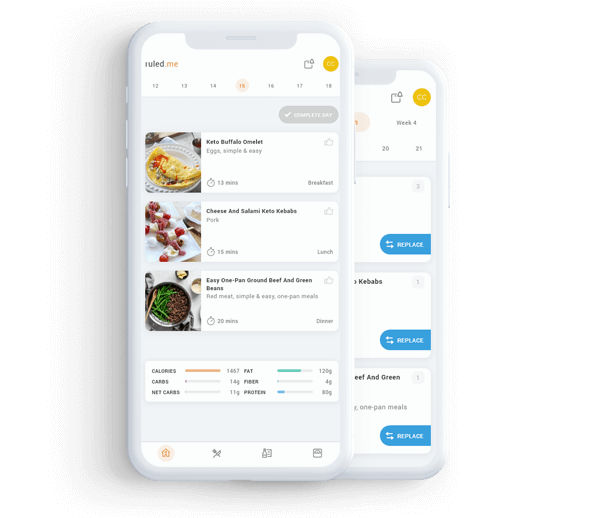

Keto dieting doesn’t have to be expensive. In fact, it is possible to cut out all those cheap processed foods and replace them with healthy, keto-friendly options without seeing a substantial increase in your food expenses.
Although you won’t be able to beat the prices on cookies, cakes, chips, noodles, rice, and beans with keto foods, you can still eat keto on a budget for just around $2 per meal. All you have to do is implement a few of these budgeting techniques and strategies:
- Follow a keto budgeting plan
- Make meals, snacks, and other food items yourself
- Take advantage of general savings (coupons, offers, and discounts)
- Shop online for cheaper keto essentials
- Buy, freeze, and cook in bulk
- Avoid unnecessary money wasters
These will get you the bulk of your savings. To help you cut costs even more, we will explore other helpful hacks you can use for specific keto food groups and keto supplements later in this article.
Let’s begin by creating the foundation for following keto on a budget: Your plan.
Create a Keto Budgeting Plan and Stick to It
Making smart decisions with money is difficult when we don’t have a plan, especially when it comes to buying food. Grocery stores, wholesale clubs, and online stores are always trying to influence you into spending more – and if your plan is lacking, they will win.
Planning will take up more of your time and energy at first as you get your keto diet right, but it will be more than worth it in the long run. A proper diet and budgeting plan may be the one thing keeping your health, weight loss results, and bank account from trending in the wrong direction.
It is important to note, however, that the same keto budgeting plan won’t work for everyone. This is why we broke down this article by strategies and by food groups to help you decrease your expenses from every angle.
To give you a better idea of what I mean by a budgeting plan, here are some examples:
- Create your own meal plan and grocery list every week and stick to it. Find keto meals that you can make in bulk for the upcoming week, and create a shopping list from the recipe ingredients. Not only is this a great way to ensure that you won’t spend more than intended, but it will help you get the weight loss and health results you want as well. To help you get started with planning your meals, check out our sample 7-day meal plan and shopping list or browse through our keto recipe page.
- Use special offers, discounts, and sales to guide your meal planning. Rather than planning ahead by focusing on what keto meals you’ll make, prioritize the keto-friendly foods and ingredients that are on sale instead. Combine the items you find on sale with ingredients, foods, and leftovers you already have to create innovative keto meals. This strategy requires some cooking experience, a spark of creativity, and a decent understanding of what foods are keto-friendly, but if you can pull it off, you’ll be able to make amazing meals while reducing your grocery bill substantially.
- Cut your costs by cutting out a meal (or two). In other words, you can decrease your food expenses by following an intermittent fasting plan where you skip a meal or two (e.g., only eat dinner or lunch and dinner). Replace the bacon and eggs with some coffee or tea to give you an extra energy boost or try having Keto butter coffee if you need some extra fat for fuel. This meal skipping strategy will help you reduce your expenses and your body fat % without having to come up with a complex diet and budgeting plan. For more information on intermittent fasting and its benefits, click here.
Although I present these budgeting plans as separate examples, you can combine them in any way that fits within your budget, lifestyle, and health/body composition goals. Just make sure you implement the strategies found below along with your keto budget plan to maximize your savings.
Make Your Food With Cheaper Keto Recipes When Possible

From full keto meals to keto ingredients like nut butters and low-carb flour, you will save a lot of money by making them yourself. Anything that is premade or processed in any way will typically come with a higher price tag than the raw, unprocessed form of the food item.
So, instead of falling for the more convenient product at a higher price, try buying the ingredients in their unprocessed form and making the keto meal, snack, or ingredient yourself.
In most cases, you will need to use a food processor, so make sure you buy one if you don’t already have one. They have thousands of uses, they’re cheap, and best of all, they will make your life in the kitchen so much easier.
Once you have your food processor, you’ll be ready to make a much cheaper version of these common keto foods and ingredients:
- Low-carb flour/meal. Almond meal, flax meal, and many other nut and seed meals can be made with a food processor as a way to reduce costs and decrease the amount of toxic, oxidized fats found in your processed nuts and seeds. The fresh almond meal can then be used as a substitute for almond flour (its expensive cousin) in most keto recipes. You’ll typically find the best deals for nuts and seeds when you buy them in bulk online. For example, I tend to buy my almonds for $7/lb on Amazon when I want to make some almond meal or almond butter.
- Nut and seed butter. Need a delicious way to get more fats, protein, and fiber into your diet? Try grinding your favorite nut or seeds (or a combination of them) until the oil starts to separate. You can speed up the process by blending in some oil when the nuts and/or seeds are finely ground and sticking together. For example, you can use this method to make almond butter in under 20 minutes with your food processor. It comes out to about half the cost as the almond butter in the store. You can even use this method to make a delicious sunflower seed butter if you are allergic to nuts and peanuts.
- Keto soups. You can also make healthy, delicious soups from scratch without having to buy overpriced premade soup ingredients. Our Roasted Poblano and Cheddar Soup recipe, for example, shows you how to turn cauliflower into a hearty, creamy soup with plenty of leftovers for lunch.
- Keto condiments. Mustard, ketchup, BBQ sauce, and mayo can be sneaky budget-busters. Plus, many of these products contain unnecessary amounts of sugar and other unhealthy ingredients. The best option for your health and bank account is to make your favorite condiments at home. On our keto condiment recipe page, you will find dozens of keto-friendly flavor boosters including Homemade LC Ketchup, Handcrafted Mayonnaise, and keto BBQ Sauce
- Store-bought salad dressings are condiment’s ugly cousin. They tend to be more expensive and packed with unhealthy oils and other dubious ingredients like added sugar and artificial preservatives. To save you the trouble of finding a healthy, keto-friendly, and relatively cheap salad dressing, try making our keto dressing recipes instead. Some of our most popular recipes are Keto-Approved Ranch Dressing, Zesty Keto Italian Dressing, and Keto 5 Minute Caesar Dressing.
By making these common keto foods and ingredients at home, you will notice some extra space in your budget open up.
However, to make a more significant impact on your food expenses, you must follow these three diet budgeting principles as often as possible:
- Make your meals at home. Making homemade meals instead of eating out is one of the best strategies for increasing your savings and improving your health. Avoid the extra costs, calories, and carbs that you’ll get from eating at/from restaurants, and your expenses and waistline will decline.
- Keep your meals simple. This budgeting strategy will help you reduce your costs, body fat %, and time spent in the kitchen. No need for fancy ingredients and over-priced meats. Simplify your low-carb meals by combining some cheap cuts of high-quality protein with low-carb vegetables and plenty of healthy fats. Planning your meals in this way will keep you from buying too many expensive ingredients that you rarely use while helping you feel satiated with fewer calories. Want to add more flavor? Have a few of your favorite keto condiments, dressings, sauces, and/or spices on hand if the meal is too bland.
- Cook in bulk. Plan for leftovers. Cooking a fresh meal for breakfast, lunch, and dinner every day will exhaust your energy levels and your budget quickly. Find keto recipes with multiple servings (or double the recipe), so you don’t have to buy so many ingredients and cook every day throughout the week. To increase your savings, try planning your meals around weekly specials and discounts on different keto foods like meat, seafood, high-fat dairy, and low-carb vegetables.
Maximize Your General Savings: Keto Coupons, Offers, and Discounts
If you combine the previous strategies and tips with in-store offers, you can cut a significant chunk from your food expenses.
Let’s take a look at some of the best strategies for maximizing your savings on keto:
- Do a quick google search for coupon websites or check out the deals on your grocery store’s website. Adapt your weekly meal plan to the keto foods that are on sale to maximize your savings.
- Look for In-store offers and bulk deals. Set some extra money aside for the bulk deals and other fantastic offers. Keep an eye out for buy one get one free, buy two get one free, special discounts, and manager discounts. I’ve seen manager’s specials on Kerrygold butter, letting me get 5 bars for $12.50. You may also find manager’s specials on chicken, providing you the perfect opportunity to stock up on it for cheap (just keep it airtight and frozen, and it will maintain its quality for 9-12 months).
- Ask about discounted meats. Stores will often offer discounts on meats when their expiration dates are coming up. A 20% discount isn’t uncommon in the freezer and fridge sections at stores, especially on ground beef. If you’re not too bothered by the expiration dates, then buy it, freeze it, and have it over the next couple of months.
- Become a member to get special discounts. If you frequent a specific grocery store, make sure you become a member. The extra discounts you get will really add up over time.
- Shop at wholesale clubs. Sam’s Club, Costco, and BJs Wholesale offer exclusive deals and discounts for members that cannot found at average grocery stores. If you normally buy common keto foods in bulk, then you will be able to save much more by using this strategy.
- Use smartphone apps for extra savings. There are dozens of apps that are designed to help you find coupons, discounts, and cash-back opportunities. Do a quick google search for grocery store savings apps, and you’ll find reviews and articles that will help you pick the best one for you.
Leveraging the power of these deals will take extra time, effort, and planning, but they can translate to some significant savings. Try adapting your meal plan to the best offers you can find, and make sure you have extra cash on the side to take advantage of bulk deals.
Save on Your Keto Meal Plan With Bulk Buying & Freezing
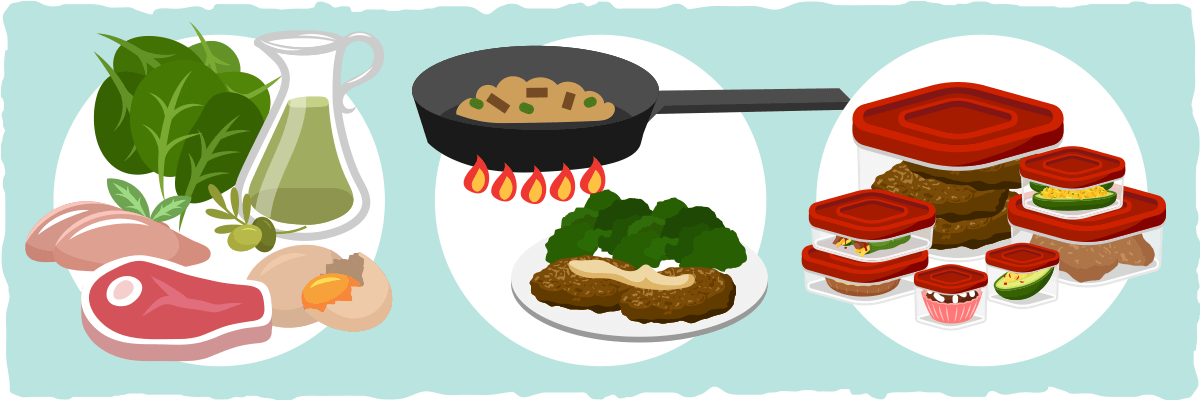
Despite some of the deals that you can get from your local grocer, Whole Foods, or Trader Joe’s, they probably won’t beat the prices that you’ll find at Sam’s Club, Walmart, Costco, and BJs Wholesale. These wholesale stores and discount department stores typically have great deals on chicken, beef, and sometimes fish, cheese, and other keto essentials. (They are also starting to carry more 100% grass-fed meats, wild-caught fish, and other higher-quality, sustainable animal products for those of you who want to get the highest quality food for cheap.)
To take advantage of the best deals you find, make sure you buy in bulk, cook in bulk, and freeze in bulk:
- Buy in bulk. When you see a good price on common keto foods, buy it, and buy it up in bulk. This is the best way to get quality meats and seafood for cheap. Having a food saver for bulk buys will help you make the most out of you money because the extra food won’t go to waste.
- Cook in bulk. Many keto recipes will provide you with leftovers that can last you a few days. You can even plan it out so that you have leftover dinners for lunch and pre-made keto breakfasts that will last you the whole week. You can also use a slow cooker to have keto soup or chili prepped and ready for your lunch and dinner throughout the day.
- Freeze in bulk. When you find great bulk deals, stack as many frozen foods in your freezer as possible and after you make your food in bulk, freeze or store the leftovers. Handling your meals in this way allows you to always have food in the house. You can have breakfast, lunch, and even dinner frozen for that day, and all you have to do is take it out of the freezer. This will make following keto on a budget so much easier for you. Just remember to mark dates and use a food saver to keep your food as fresh as possible.
By following these tips, you can potentially have healthy keto meals for less than $2 a meal – a price that can only be rivaled by cheap high-carb meals like rice and beans, peanut butter and jelly, or ramen noodles.
Shop Online for Cheaper Keto Essentials
Online shopping is becoming one of the best ways to get your favorite food products as cheaply and conveniently as possible. So many common keto ingredients (e.g., almond flour, nuts, seeds, and spices) are much cheaper when you buy them online. They can be up to half of the price you see in the stores – even when you compare to the bulk wholesale stores.
Here is a list of some common keto products that you will typically find online for cheaper than the store:
- Almond Flour. Almond flour is a fantastic low-carb alternative to regular flour. While it does take some experimenting to get used to, this will be a staple in almost all of your keto-friendly baked goods.
- Coconut Flour. Similar to almond flour, this will also be a staple low-carb flour in your kitchen. Many times, a recipe will call for a mixture of almond and coconut flour to help balance out how absorptive coconut flour is. However, this doesn’t mean that coconut flour cannot be used on its own. You can use this versatile flour on its own to make delicious keto-friendly baked goods as well.
- Coconut Oil. This popular oil has a high heat point so it can be used for cooking, and it tends to have a natural sweetness, so it can be mixed into any keto dessert you can think of. You can also use it as a fatty base for fat bombs, which will help you fit more healthy fats into your diet.
- Olive Oil. Because of its high antioxidant content, health benefits, and versatility, make sure you always have olive oil on hand. Use it as a base for your dressings, cook with it, or sneak some into your favorite meals for some extra healthy fats. Opt for extra virgin olive oil because it has been found to have a higher heat point than other types of olive oil.
- Almonds and other nuts. Nuts make a great snack, can be used to make delicious crusts and breading, and can be turned into a low-carb flour or nut butter. Almonds are the most versatile nuts when it comes to keto baking because most recipes call for almond meal or almond flour (which can be used interchangeably in many cases). Nuts are expensive though, so you may want stick to buying almonds and only buy them when you need them to make almond meal or almond butter.
- Psyllium Husk Powder. From taste to texture to its potential health benefits, psyllium husk is a fantastic ingredient to have around the kitchen. It’s incredibly absorptive, adds the flavor and texture of whole-wheat flour, and provides us with a great source of fiber. When you’re making bread, muffins, donuts, or tortillas, psyllium husk can give you that extra texture and flavor you need.
- Xanthan Gum. This carb-free thickener will last you several months. Just a small amount will go a long way. From thickening stews to making ice cream, xanthan gum will be an irreplaceable ingredient in your low-carb kitchen.
- Pure Erythritol. If you need a little sweetness to add to your morning beverage or keto-friendly baked goods, make sure you have some erythritol on hand. It is virtually calorie-free, non-toxic, almost all of it is excreted out of the body, and only higher doses have been found to cause side effects (i.e., digestive issues).
- Liquid Stevia. From lowering blood sugars to optimizing cholesterol and blood pressure, Stevia is a sweetener that we may all benefit from. If you’re not a fan of the taste, try mixing a smaller dose with some erythritol. These two keto sweeteners tend to have a much more pleasant taste when used together.
- Dried Herbs and Spices. Having a decent selection of herbs and spices at the ready will help you turn any bland keto meal into something you can’t wait to eat again. To make sure you have all the bases covered, invest in a herb and spice starter kit.
Basically, anything that has a long shelf-life can usually be found online for cheaper than the grocery store. If you can stock up beforehand with online shopping, you’ll only need to get perishable foods like fresh meat, seafood, eggs, dairy, and produce from the grocery store. In the long run, this online shopping strategy will help you accumulate a significant amount of savings.
However, we must not forget to consider the shipping costs. Some online purchases may look cheap on the surface, but the additional shipping and handling charge will make it as expensive as it would be in the store.
To cut your shipping costs, try using these strategies:
- Use some form of Amazon Prime. Amazon provides its prime members with free two-day shipping on over 100 million eligible items. It costs $49 per year for students (after a 6-month free trial) and $99 per year for everyone else (after a one-month free trial). If you order from Amazon a lot already, then this will be well worth it for you. You can also split your account and the annual fee with another member of your household to make it even cheaper.
- Use a website that offers free shipping (and discounts) at a particular order amount. Find a website that offers free shipping after your cart reaches a specific amount, fill up your cart with items you were going to buy anyway, and reap the benefits of their shipping policy. Some websites may offer you an extra discount on your first order if you sign up for their mailing list as well.
Avoid Unnecessary Money Wasters
Many of us can save a massive chunk of cash every week just by avoiding these money wasters:
- Snacks and desserts. Snacks and desserts are unnecessary expenses, and they will generally slow your results. If you feel the need to snack or eat dessert often, think about the meals you are eating. If you are still hungry after meals, you may need to add more healthy fats and/or protein to keep you fuller for longer.
- Drinks are almost always overpriced. Stop buying coffee/tea drinks, diet soda, smoothies, juices, alcoholic beverages, and bottled water. Only drink tap water if you want to increase your savings as much as possible. You can also make your own flavored water for cheap by adding a squeeze of lime juice, lemon juice, or some mint leaves for a natural, refreshing drink.
- Food waste. Always plan ahead and only buy what you know you are going to eat. This means no wasting food, no impulse buys, and no throwing away leftovers. Look in your fridge and pantry before you go shopping, plan to incorporate all of that food into your meals before it spoils. You can even save small amounts of leftover vegetables and include them in frittatas, omelets, or soups.
- Eating out. Buying lunch and/or dinner every day is incredibly expensive. If it is difficult for you to find the time to make lunch, then rely on the leftovers from last night’s dinner or this morning’s breakfast. You can also make a quick keto salad by adding some cold roast meat, cheese, and olive oil to a bowl of your favorite leafy greens.
- Processed foods. Processed foods are expensive. You end up paying extra for every additional step taken to prepare that food. Stop buying for convenience; Make choices that help you pile on the savings instead. Skip the ready-to-cook vegetables and convenient keto bars, and opt for keto foods in their least processed form.
- Impulse buys. No matter where you shop, online or in-store, it will be designed to provoke increased spending. The colors, the layout, the recommendations, the limited time deals – all of them are an attempt to increase sales. To keep yourself from falling into the trap of impulse buying, always have a plan to stick to and never go to the store when you are stressed or hungry.
- Most supplements. With the popularity of the keto diet on the rise, more and more “keto” supplements have been popping up. Usually, these supplements will come with a higher price tag, just because they are “keto-friendly.” Instead of spending that extra buck, do some background research on the ingredients. Make sure the ingredients are scientifically proven to do what the label claims, and find a cheaper, high-quality version of the supplement. For more specific advice on what keto supplements to buy, scroll down to the “Keto Supplements” section of this article.
How to Save Money on Common Keto Foods, Ingredients, and Supplements
Now we have a stable foundation for keto dieting on a budget. Simply by following these strategies, we can cut the cost of keto substantially:
- Create your own budgeting plan
- Make meals, snacks, and other food items yourself
- Maximize your general savings
- Shop online for cheaper keto essentials
- Buy, freeze, and cook in Bulk
- Avoid unnecessary money wasters
However, this isn’t where the savings stop. There are some other valuable tips and tricks to be aware of when buying from common keto food categories as well.
If you’d like to skip to any specific section, we’ve made a clickable list for your convenience:
- Spice & Flavorings
- Drinks & Beverages
- Low-Carb Vegetables
- Keto-Friendly Fruits
- Meats: Beef, Bacon, Chicken, etc.
- Fish & Seafood
- Eggs
- Butter, Cheese, and Other High-Fat Dairy Products
- Oils/Fats
- Keto Supplements
- How to Buy High-Quality, Sustainable Animal Products on a Budget
Spices & Flavorings
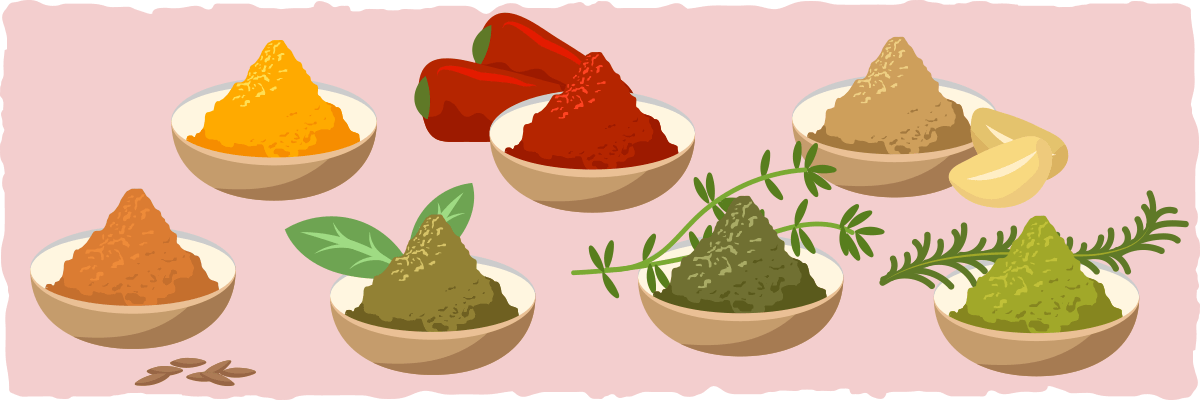
Spices and herbs are a relatively cheap way to take your meals to the next level. Common spices like garlic powder, cayenne pepper, red pepper flakes, cumin, curry powder, oregano, thyme, and rosemary may be all you need to turn a bland keto meal into a culinary masterpiece that is packed with health benefits.
If you already know what spices and herbs you’ll be using a lot, then you can save the most money by buying them in bulk online.
For those of you not familiar with herbs and spices yet, you may want to invest in an herb and spice starter kit like this one. It is a bit costly at first but will pay off hugely as you cook more homemade meals.
If you are looking to add flavors that spices just can’t provide, try using Torani syrups. They are a great way to add a depth of flavor with a splash. You can add it to your drinks, sauces, and keto desserts. These concentrated flavorings may be all you need to get past your sweet tooth cravings as you are adapting to the keto diet.
Drinks & Beverages: Water, Tea, and Coffee

We already talked about this in the “Avoid Unnecessary Money Wasters,” but it is worth repeating: stop buying pre-made drinks and beverages. By removing diet sodas, alcohol, coffee drinks, bottled water, and other low-carb pre-made drinks from your diet, you will be able to save an extra couple bucks each day.
To save as much money as possible, stick with tap water. Get a large, refillable water bottle, fill it up, and drink it throughout the day. This will keep you hydrated and fend off some of those nasty keto flu symptoms.
If you’d like to have coffee or tea as well, make sure you skip the pre-made drinks and brew it at home. Just from making the switch from buying coffee from a café to brewing it at home, you can save a few dollars every day. You can even buy your tea or coffee in bulk online to maximize your savings.
The only caveat to brewing your coffee and tea at home is to avoid using a Keurig and K-Cups. Even if you get K-Cups for a 20% discount, they still can’t compete with how cheap your cup of coffee will be if you brew it using a standard coffee maker and Maxwell House ground coffee. (Other brands of coffee will cost more but should still be cheaper than the individual K-Cup price.)
So, when it comes to coffee and tea, brew it in the traditional way and don’t fall for the lure of convenience.
Low-Carb Vegetables
Buying high-quality produce for cheap can be pretty tricky. Here are some general guidelines to follow when trying to save on keto veggies:
- Fresh and unprocessed is almost always best. Frozen and raw pre-cut/pre-packaged vegetables will typically cost more than the fresh, unprocessed variety. For example, 2 pounds of raw broccoli is usually going to be cheaper than a 2-pound package of broccoli florets (fresh or frozen). The only exception to this rule may be when there’s a deal or discount on the frozen or pre-processed varieties of the vegetable.
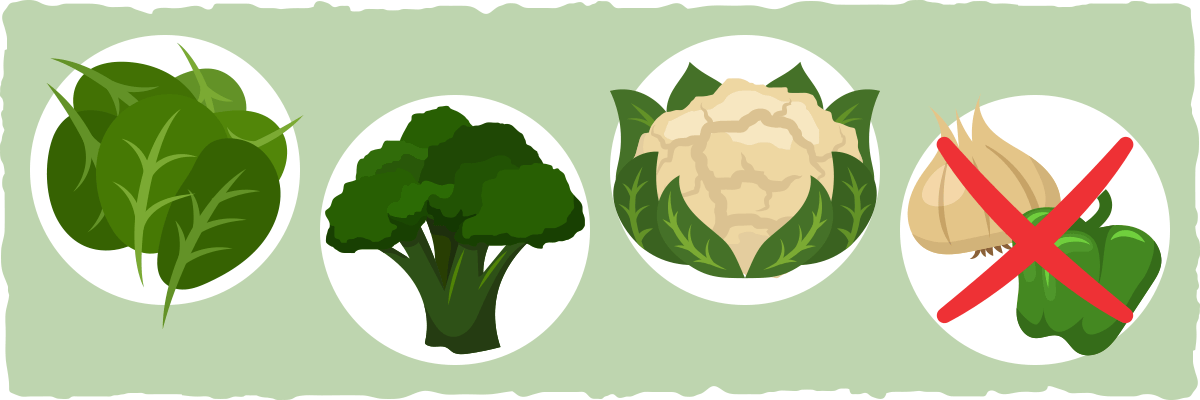
- Make spinach, broccoli, and cauliflower your staple low-carb vegetables. These three are low in carbs and some of the best price per nutrient vegetables you can get. Cauliflower usually isn’t the best price, but it is the most versatile vegetable we have in our keto arsenal. You can turn in into pretty much everything from pizza crust to rice to mashed “potatoes.”
- Limit your consumption of pricier veggies. Green peppers, onions, and kale, for example, are typically more expensive than what they are worth. You can make up for the flavor and health benefits that you’ll be missing by limiting these vegetables by using herbs, spices, bone broth, and cheaper low-carb vegetables.
- Eat in season. Low-carb vegetables (and fruits) are typically the cheapest when they are grown most plentifully in your local area (i.e., when they are in season). Do a quick search to find out what vegetables are growing bountifully at this time in your local region, and plan to incorporate them into your weekly meals (as long as they are keto-friendly).
If you can afford it, opt for organic and local vegetables, if not don’t worry too much. Most studies show that the nutritional content for organic and regular vegetables are the same, but over time try to switch toward local and organic (to reduce the environmental pollution and toxic load caused by the pesticides that are used to grow conventional vegetables).
I’ve found the best way to get high-quality veggies for cheap is by eating locally (from organic farms or community gardens in your area) and seasonally (i.e., eating vegetables that are grown at the same time of the year you eat them). Buying directly from the farmer’s farm stand or the farmer’s market is the simplest way to do this.
The cheapest high-quality vegetables I’ve ever purchased were from a local community garden, so keep on the lookout for one near you. (You may even be able to volunteer for a few hours a week to get free produce.)
If you need some extra help in finding local and seasonal produce near you, these websites will point you in the right direction:
Keto-Friendly Fruits
Unfortunately, avocados and berries will be some of the most expensive items in your shopping cart. However, avocados can provide you with one of the greatest keto-friendly sources of potassium, fiber, and heart-healthy monounsaturated, and berries are packed with some of the most potent plant compounds known to improve everything from blood sugar to brain health. Should you avoid them altogether to save money? It depends.
If avocados and berries will put you on the fast track to breaking your budget, then replace them with cheaper low-carb veggies. They may not have the same exact amount of nutrients, but you will be able to get plenty of minerals, vitamins, and health-promoting plant compounds just from eating keto-friendly vegetables.
For those of you who want to include avocados and berries in your diet, follow these tips:
- Only buy avocados and berries when they are on sale.
- Look for special discounts on berries and avocados when they are in season (Depending on your geographical region).
- Use avocado oil to get the benefits of monounsaturated fat, and stop buying avocados altogether if they are too pricey in your area.
Meats: Beef, Bacon, Chicken, etc.

A major chunk of your fats and proteins will be coming from meat while you are on the keto diet. To make sure you are not paying too much for this keto staple, follow these tips:
- Buy cheaper cuts of meat in bulk. For example, if you can get chicken breast at a good deal, buy and freeze as much as you can. It lasts for a long time, and it will still taste fantastic. However, if you can get chicken thighs in bulk, even better. They’re cheaper than white meat, have tons more fat, and end up staying juicier and tasting better. When it comes to red meat, skip the lamb cuts and the steak and go straight for the ground chuck. Ground chuck is much cheaper and can last up to 6-8 months at a time in the freezer.
- Eat head to tail when possible. By eating head to tail, have more than just the muscle meat (i.e., chicken breast or ground beef). Find a way to incorporate organs, bones, and other cheaper parts of the animal in your diet as well. For example, buy the whole chicken instead of the chicken breast. You can easily turn it into multiple delicious keto meals, and when you are finished with the meat, you can make the leftover bones, organs, and cartilage into a nutritious chicken broth (click here if you’d like to see our article on bone broth and how to make it).
- Eat more organ meats. You can buy many different types of organ meats for a fraction of the cost of beef and chicken. Beef liver is among the most nutritious and easiest-to-find organ meats. Eating it will help you meet your needs for vitamin A and B vitamins much more efficiently than any vegetable or supplement. If you are not a fan of the taste of beef liver or any other organ meats, try cutting them into small pieces and adding them to keto chili. The spices and other chili ingredients will cover up any off-putting flavors.
- Reuse whenever possible. Have some leftover animal fat? Save it up and use it to cook your next meal (don’t forget to do this with your bacon fat, your meal will taste so much better). Got bones? Turn them into a broth. Never let anything go to waste.
- Buy fresh meats that are close to expiring. Usually, these meats will be the cheapest because the grocery store doesn’t want their investment to go to waste before it expires.
- What about bacon? Bacon is a bit expensive, but it is arguably the most popular keto staple, so I’d be remiss to leave it out of the conversation. You will typically find the best deals on bacon at wholesale clubs or when they go on sale at your local store. If you want to reduce your cost on bacon, you can search for the “Odds and Ends” of it. Odds and ends are literally the pieces from the end, the ones that the machine can’t cut into neat rectangles. They’re even fattier, the pieces are irregularly shaped, and it is roughly 1/3 the price of regular bacon.
Fish and Seafood
In general, it will be challenging to add seafood into your diet without considerably increasing your expenses or your toxin exposure (via cheap, farm-raised fish like tilapia).
With that being said, I don’t recommend avoiding fish altogether because it can provide us with a great source of omega-3 fatty acids (i.e., DHA and EPA), protein, vitamins, and minerals.
In fact, many researchers and dieticians recommend eating two or more servings of fatty fish, such as sardines and salmon, every week for optimal health.
To get more high-quality fish in your diet without breaking your budget, follow these tips:

- Opt for bone-in and skin-on fish instead of the boneless and skinless options. The processing it takes to free the meat from the skin and bone will cost you extra, and you’ll be missing out on the health-boosting calcium and collagen that comes with the bones and skin.
- Stock up on canned wild-caught salmon and/or sardines when they are on sale. Use the savings you accumulate with your budget plan to invest in canned salmon and sardines when they are on sale. Wild Planet is one of the most popular brands that provides high-quality seafood for a decent price. They offer many wild-caught canned seafood products that you can find in various grocery stores, on amazon.com, or on their website.
- Search for special seafood offers at Sam’s Club, Costco, and BJ’s. Wholesale clubs are starting to carry more wild-caught seafood at a much lower price than most grocery stores. Once they offer a special discount on fresh fish, be prepared to capitalize on it.
Eggs
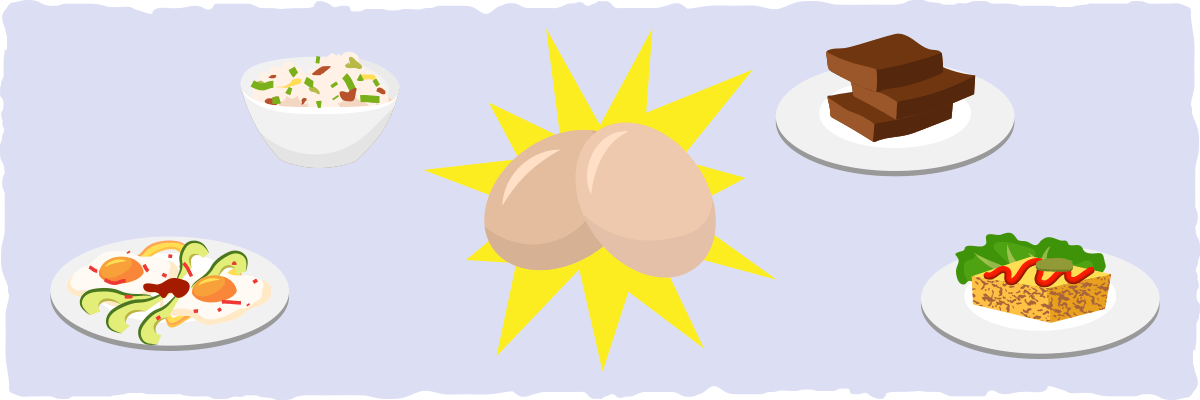
Although you will be able to meet your protein needs with meat and fish, there is a much cheaper way to get high-quality protein that we have yet to discuss: Eggs.
Eggs are a relatively inexpensive source of protein, fats, and other nutrients that will help optimize your health. By merely replacing some meat and seafood with eggs, you can increase the savings and nutrient density you get with each meal.
Regardless if they are on sale or not, make sure you stock up on eggs. Many keto dieters go through around 48 eggs a week and never get tired of them (and neither does their budget).
If you want to get the most nutritious eggs possible, I recommend looking for a local farm/chicken coop that lets the chickens roam free throughout the day, eating plenty of bugs and getting sun exposure. Although you can find “pasture-raised” eggs at your local health foods store, they may be ridiculously overpriced (at around $5-6 per dozen). Plus, these eggs may not even be that much better than the cheaper, conventional variety.
The cheapest way to get the highest quality eggs is by going straight to the farmer. To help you in your search, try using these websites:
Once you’ve stocked up on eggs, check out our keto recipes for a wide variety of ways to incorporate them in your diet.
For example, you can make a delicious breakfast with them by following these popular keto recipes:
And for lunch or dinner:
Don’t forget about dessert:
Even if you are absolutely sick of eggs, many of these recipes will disguise the flavor so well that you’ll forget that eggs are even involved.
Give it a try yourself. Make more egg-based dishes and watch your savings increase.
Plant-Based Oils
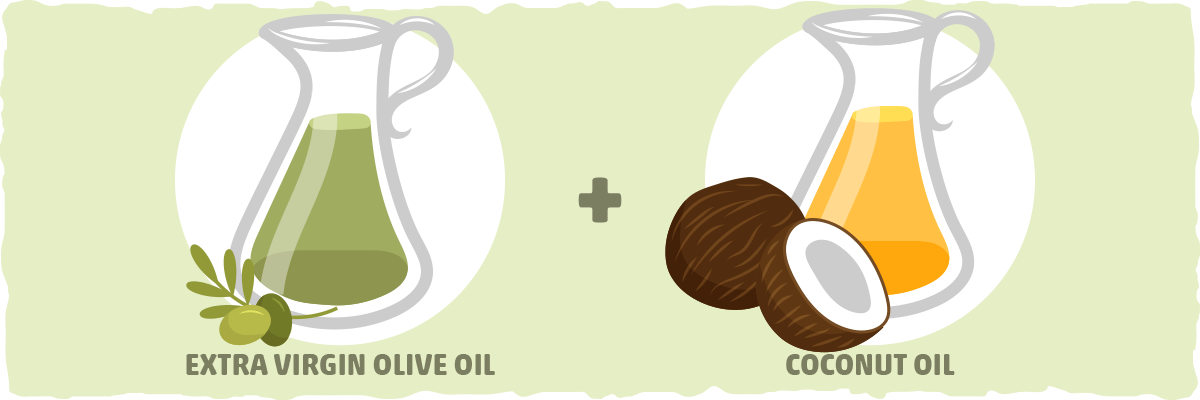
There are a few things you shouldn’t skimp on, and plant-based oil is one of them. To keep it simple, stick with olive oil and coconut oil. Other plant-based oils like canola oil, soybean oil, and vegetable oil are nowhere near as healthy or versatile.
Olive oil is a great option for low to medium heat cooking and a healthy fat addition to your meals, dressings, and sauces. If you get the extra virgin variety of olive oil, it will be much more stable for cooking at higher temperatures.
However, don’t just settle for any cheap olive oil. Many olive oil companies will mix their olive oil with unhealthy oils and process their product in ways that render it toxic to the body.
To avoid purchasing an unhealthy oil, buy from this list of olive oil companies that produce high-quality extra virgin olive oil at relatively low prices:
- Oleum Viride (~$0.82 per Fl Oz)
- California Olive Ranch (~$0.63 per Fl Oz)
- Kirkland Organic (~$0.33 per Fl Oz)
Other trustworthy brands that are a bit more expensive are California Olive Ranch, Cobram Estate, Lucini. Lucero (Ascolano), and McEvoy Ranch Organic.
According to studies on olive oil, these are the brands that failed to meet high-quality extra virgin olive oil standards: Bertolli, Carapelli, Colavita, Star, Pompeian, Filippo Berio, Mazzola, Mezzetta, Newman’s Own, and Safeway.
Coconut oil is also great for high-heat cooking, and you can use it in everything from Ketoproof coffee to fat bombs. It contains a good amount of medium chain triglycerides, which will help boost your ketone production and energy levels.
Here are some tips for buying high-quality, cheap coconut oil that meets your needs:
- Refined coconut oil is usually the cheapest.
- Unrefined is usually a bit more expensive (by a few cents per ounce).
- Buy online and in bulk for best deals on both types.
- Unrefined has more of a sweet, coconutty taste and is healthier for you.
- Refined is usually odorless and flavorless but may contain some oxidized oils from processing.
When buying any oils, make sure they aren’t processed at high temperatures. When exposed to high temperatures, the oils can become rancid and unhealthy.
Also, try to avoid oils that are bottled in plastic. Most plastics leach out harmful chemicals when exposed to heat, and they aren’t biodegradable. Keep in mind, however, that you will usually end up paying a bit extra for oils that are bottled in glass.
Butter, Cheese, and Other High-Fat Dairy Products

Let’s take a moment to talk about the dairy aisle, especially cheese and butter. High-fat dairy will be one of the major contributors of fat and flavor to your diet, so we must be mindful of how much we are spending on these keto staples.
Butter is one of the simplest and most delicious ways to add more fat to your keto diet. It can go in almost anything from your coffee to your soup, and you can use it to top of your meat or fish dish.
Although you can get conventional butter for cheap, this is not your healthiest option. If health is your top priority, opt for the higher quality butter that this made from the milk of pastured-raised, 100% grass-fed cows. Not only does this butter taste sublime, but it contains more vitamin A and healthier fats than its conventional counterpart as well.
To save the most money while buying high-quality butter, only purchase it sparingly until the store offers it for a discount or a buy one get one free promotion. Capitalize on those buttery deals, and store your extra butter in the freezer, where it will stay fresh for around 12 months.
Pastured-raised, 100% grass-fed cheese, on the other hand, tends to be much pricier and harder to find on sale. In this case, it is best to stick with the cheaper cheeses.
To maximize your cheese savings, follow these tips:
- Buy it in bulk. Look for sales on your favorite cheeses and buy in bulk when possible.
- Buy it in blocks. Pre-shredded cheese usually comes with additives like cornstarch, which you don’t want on keto. The cheese will taste much better when you shred it yourself. Buy your cheese in 5-pound blocks or more and use your food saver (or plastic bags) to save half for later. It’s not hard to go through 5 pounds of cheese in 2 weeks on keto, so storing it in the fridge will be more than enough.
- Process the cheese yourself. Use your food processor to grate the cheese, instead of paying extra for the cheese company to process it for you. Most food processors come with a shredding attachment and will eat a block of cheese in 10 seconds, leaving you with professionally shredded cheese.
When it comes to buying other high-fat dairy products, you can follow these general money-saving principles:
- Look for deals/discounts on cream cheese, sour cream, heavy cream, etc. (only when you need to use them).
- Buy only the full fat, minimally-processed version of these products.
Keto Supplements
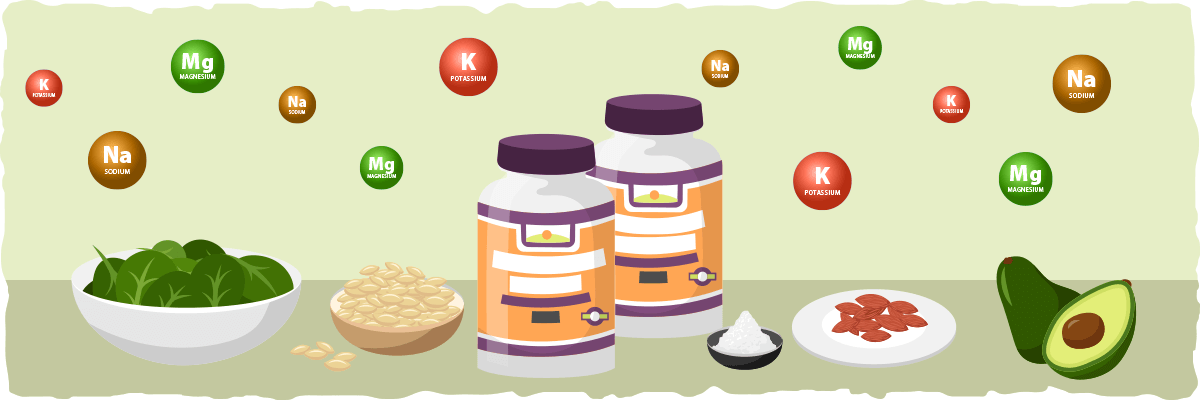
It seems that every week a new supplement is being released specifically for keto dieters. Keto protein, ketosis boosters, ketone salts, keto bars – the list of keto supplements keeps growing.
The good news is that you don’t need to buy any of these supplements. They are almost always unnecessary.
Focus your money, time, and energy on formulating a healthy keto diet for you, and you will get the results you want – no keto supplements necessary.
However, what should you do if you want to experiment? Here are some money-saving tips for keto supplements:
- Want to boost your ketone production and energy levels? Buy MCT oil instead of ketone salts or ketone esters. MCT oil (with almost all C8 and C10 MCTs) have been proven to increase ketone levels (even after the ingestion of a high-carb meal) and are much cheaper than ketone salts and ketone esters. For more information on MCTs, check out our in-depth article on these amazing fats.
- Want a quick snack on the go? If you need a snack, stick with homemade whole food options. Stay away from “keto bars,” “Atkins bars,” and “low-carb bars.” Many of them contain ingredients that are unhealthy and have hidden net carbs that are not reflected on the label. Plus, they are highly overpriced. To maximize your savings, avoid snacking altogether, and drink water, tea, or coffee instead. However, if you must have a snack, go for leftovers, cheese, meat, nuts, or homemade nut butter instead.
- Want to build muscle? Sidestep those keto protein powders and stick with high-quality whole food proteins. Eggs, meat, fish, and cheese will be all you need to build muscle. However, if you want to have a quick, convenient source of protein, your best option is a pure whey protein that has virtually no carbs in it. Just because it says it is a keto protein powder doesn’t mean that it is any better than 100% whey protein powder. Another relatively cheap, scientifically-proven supplement worth considering is creatine monohydrate. Most of the other “muscle-building” supplements are just unproven marketing claims.
- Want to meet your vitamin and mineral needs? Eat plenty of micronutrient-dense foods like low-carb vegetables, organ meats, eggs, and bone-in fish. Track your vitamin and mineral intake from your diet with an app like Cronometer and fill in the gaps with different foods or specific vitamins and minerals that you may not be getting enough of. This is a relatively accurate way to assess your vitamin and mineral supplement needs without having to waste money on capsules or powders that you don’t need at all.
- Want to increase your omega-3 intake? Meet your omega-3 needs with fatty fish like salmon and sardines instead of omega-3 supplements or seeds. Fish oil supplements typically contain oxidized oils that are harmful to our health, and seeds contain a type of omega-3 that isn’t efficiently converted into DHA and EPA (the omega-3s that benefit us the most). The only way to guarantee that you are getting enough high-quality omega-3s is by including at least 2-3 servings of fatty fish in your diet per week.
- Want to experience the benefits of collagen? Don’t waste money on “keto protein” powders. Eat more animal skin and gelatinous bone broth and/or supplement with a pure collagen powder. To learn more about the benefits of collagen, click here.
How to Buy High-Quality, Sustainable Keto Meat, Eggs, and Dairy on a Budget
By now, you probably already know of the horrid conditions that many animals are subjected to just to provide us with cheap meat and dairy and how this contributes to the deterioration of our environment. You may have also heard of how nutritionally inferior conventionally raised animal products are compared to meat and dairy that comes from healthy animals.
Fortunately, there are a few strategies you can use to buy keto-friendly meat and dairy products that are healthy for you, the environment, and your bank account. The most convenient approach is to order your meat, dairy, and other animal products from one of these websites in BULK (and on sale/discounted when possible):
Alternatively, if you are looking for an even better strategy, try to find a local source of high-quality animal products, and buy them in bulk by using these websites:
Keep in mind, however, that you may not be able to get high-quality, sustainable animal products as cheap as you would get their conventional counterparts. To get close to the same prices as conventional goods (and, in some cases, more affordable prices), you MUST buy in bulk, especially when there is a discount or sale.
Putting It All Together – A Quick Overview of How to Follow the Keto Diet on a Budget
Eating healthy does not have to be expensive. In fact, by using the strategies found throughout this post, you’ll be able to get the results you want by spending less than you did before.
As a quick refresher, here are the key tips and strategies that’ll help you stay on keto without breaking the bank:
- Follow a keto budget plan that fits with your lifestyle, goals, and health needs.
- Search for deals, discounts, and coupons, and plan your meals around them.
- Plan to use everything you buy before it goes to waste.
- Buy in bulk, freeze in bulk, and make meals in bulk.
- Take advantage of the bulk deals at Sam’s Club, Walmart, Costco, and/or BJ’s Wholesale.
- Prepare all of your own meals, condiments, sauces, etc.
- Keep your meals simple by using versatile ingredients and planning for leftovers.
- Stick with cheap beverages like water, coffee, and tea. Stop buying diet soda, alcohol, and other drinks.
- Buy vegetables in season and locally when possible and/or stick with fresh spinach, broccoli, and cauliflower. Always buy your produce fresh, never frozen (unless you find a better deal elsewhere).
- Buy all meat in bulk. Avoid more expensive cuts of meat like filet mignon and chicken wings. Stick with ground chuck, chicken thighs, and whole chicken instead.
- Buy canned wild-caught seafood, like sardines and salmon, when on sale. Have no more than 2-3 servings per week to reap the benefits of EPA and DHA without spending too much on seafood.
- Buy eggs in bulk as they can be added to every keto meal.
- Buy cheese in blocks in bulk and process it yourself.
- Leverage the power of online shopping to get non-perishable keto essentials for cheap.
- Use coconut oil, extra virgin olive oil, and butter as your primary fats for cooking and adding more fat to your diet.
- Skip the keto supplements.
- Avoid snacking and eating desserts.
Moreover, for those of you who want to increase the quality and sustainability of your food, I recommend checking out Eat Wild and/or Local Harvest to find local vegetables, eggs, meat, and dairy. You can also get high-quality, sustainable animal products shipped to your house for cheap by using U.S. Wellness Meats, White Oak Pastures, and/or Udder Milk.
Even if you don’t implement all of our suggestions, the keto diet can still be relatively cheap. Simply by making all of your meals at home, it is possible to make a full week of keto-friendly food for an average of ~$2 per meal.
In other words, many keto dieters will be able to have breakfast, lunch, dinner, a side dish, AND some leftovers for around $6 per day. To find out how this is possible, feel free to check out our free one-week keto shopping list, budget, and meal plan.
Just imagine how much money you can save if you were to combine the power of planning out your meals with the strategies found throughout this post. You’ll probably end up spending less on groceries than ever before while meeting your health and body composition goals at the same time. An incredible win-win situation for you and your bank account.
If you’re already doing keto on a budget, I’d love to hear your own special tips and tricks to make it easier for everyone else out there that has a tight budget. Please leave a comment below if you know of any money-saving strategies that we missed and for more keto diet information check out our other blog posts.
Sources
- Evaluation of Chemical and Physical Changes in Different Commercial Oils during Heating – Acta Scientific Nutritional Health
- Using K-Cups costs up to 5 times more than getting coffee from a pot – Business Insider
- A Comprehensive Guide to Bodybuilding on the Ketogenic Diet – Ruled.me
- Liver: nature’s most potent superfood – Chris Kresser
- Keto Flour Substitutions – Ruled.me
Chicken legs are usually available for 99 cents a pound and you can buy bulk chicken quarters for anywhere from 59 to 79 cents a pound – they are great when flavored like chicken wings, roasted, grilled, fried (they don’t even need a coating) and one of the best buys that I can get to feed my always hungry son.
Katie,
Awesome idea! I edited the article and added in a bit about buying whole chickens since it’s much cheaper also. Thanks for the feedback!
I disagree about not purchasing Wings. This time of year I can get wings at .99 a pound at our local grocer.
Emily,
For the amount of meat they’re not really that good of a deal, though. If you can splurge and get wings, good for you – but I wanted to keep things at a tight budget and relevant for all year round. I can get chicken thigh for that price and it contains much more meat than the wings, only reason I said it.
Dude, your articles are always spot on. I buy huge packages of chicken thighs and ground beef. Not sure if you mentioned it but bacon ends are a great way to get large volumes of bacon on the cheap too. They also freeze up and store nicely, if you can’t go through 3lbs of bacon right away.
Thanks Ryan! I had to edit your comment just to make it a tiny bit more family friendly 😉
Bacon ends are awesome, but I rarely get the chance to buy them when I go to the store. A lot of the butchers there are out of it by the time I get to shopping. Great advice and thanks for the feedback!
Great guide.
Thank you SO MUCH for posting this! This is awesome for anybody who, like me, is either a college student or on food stamps.
I do want to note that as far as green peppers go, you can easily grow your own for much cheaper! Here in Oregon, you can purchase ANY FOOD PRODUCING PLANT with food stamps, and pepper starts are extremely inexpensive and yield a lot of food if you are diligent about caring for them. (Here’s another suggestion: how about an article on keto-friendly gardening?)
Also, I’m pretty sure if you make your own kombucha at home and stay away from sweeteners it’s keto-friendly.
One last thing: you mentioned Torani syrups, but most of those are made with sugar, right? I have a friend who also practices keto that specifically gets the sugar free ones.
I don’t garden so I don’t know enough to make an article about it!
As for green peppers, I mostly only know my local prices, so where you live it might be much cheaper. If you can make them stretch far in your budget then go for it! The Torani syrups are sugar free, so they’re good to go 🙂
I agree…I love the Torani Sugar Free I get mine at Smart and Final if you have one, you can get the large ones for under $5 which is quite a savings from the grocery store. I also found that Target carries Archer Farms Sugar free Syrups. Awesome alternative and priced at under $4 and they last awhile.
Thanks Jenn! I haven’t been able to find them that cheap but I’ll keep my eyes peeled 🙂
I get mine from Cash & Carry! I’m not sure if you have one near you, it’s a bulk type store that people shop at to buy supplies for their businesses, but the public can shop there too. No membership needed and not cash-only like the name may imply. The big bottles of syrups, both DaVinci and Torani are $4 or less per bottle!
I’ll definitely have to look that up. I haven’t seen a cash and carry around me, but I will search on Google to see what I can come up with – thanks for the suggestions!
if you have a cost plus/world market near you, sign up for the rewards program. they send out lots of 10-15% off promos, plus do sales on food items often. whenever that happens, i stock up on a few of the large sugar-free torani syrups. usually i’ll use the non-fruit ones for coffee or whipped cream. with summer here, the fruit flavors would be good for shaved ice and other cool treats like italian or french sodas.
Great article. I look forward to making it super cheap soon since we’ll be farming, raising chickens, goats and meat rabbits. I don’t know what I’ll actually need to buy at that point.
Good luck! I know raising your own food is a pain, but it makes it worth it in the end 🙂
Quick Question about the Torani Syrups.
“Sweetened with Splenda”… is this totally Keto Friendly?
Would I be able to just swirl some of these into a bottle of soda water for a soda-like treat?
Loving your site by the way, a real boon for ketoers
With Torani you can use it as you wish. It’s keto friendly, but just try not to overindulge in it. Splenda can cause weight loss stalls for SOME people (it’s pretty uncommon for it to cause weight loss stalls), but I wanted to let you know beforehand.
Yeah that’s an awesome idea to mix some into some soda water – it would work out well. I use it mostly for dessert style things or pancakes though.
Luckily I seem to be pretty tolerant towards sweeteners, but thanks for the warning.
My struggle with Keto in the past has been that I get bored with the range of drinks available, fingers crossed I can get my hands on a bottle of Torani. I will let you know how it goes if I do 😀
For me I get bored with the food. Drinks are simple for me, I just drink coffee and water the whole day 😉
Yeah let me know how it goes, maybe you could even help the site out and submit some concoctions that you come up with and I’ll publish them in the recipe section!
Target carries Archer Farms Sugar Free Syrups. I love my coffee and was excited to see that they carried these in the coffee isle. Also coffee is really cheap at Target if you have one near you. Smart and final too for the Torani or maybe go online and order? The grocery store is way too expensive and usually do not carry sf.
I’ve never heard of Smart and Final, but online Torani is pretty expensive. I normally don’t shop at Target but next time I go I’ll keep an eye out for the Archer Farms stuff (or did you mean Walden Farms?). Either way I’ll keep an eye out! Thanks for the info!
Archer Farms is Targets “higher end” store brand.
Hey, this is pretty awesome regardless of diet choice. One thing I want to note is that if you’re going to shred cheese and store it, it’s pretty easy by hand too. I hate cleaning up the food processor. To make cheese easy to shred, keep it cod and spray oil on the grater. Should cut through very easily.
Adam,
Yeah it’s pretty easy to do by hand but I like to cut corners where I can. My food processor comes apart really easily so cleaning it is as easy as sticking it in the dish washer with the rest of the dishes.
Actually Trader Joes has the cheapest almond meal I’ve found, at 4.99 for a pound of it.
Deann,
That’s one of their only decent priced items but I won’t use their almond flour for baking because it’s so ridiculously grainy. If you try blanched almond flour and compare the difference, you’ll probably agree with me that it’s worth the few extra dollars to get it.
i like their grainy almond flour for crackers, mixed with the 21-seasoning salute (salt free spice and herb blend, it’s soooo good and only $2!). the rosemary cracker recipe from elena’s pantry works really well.
my other TJ’s keto-friendly and reasonably-priced finds:
–bags of coconut flour for $3 or $4, which is 1/2 the price of what my local supermarket sells.
–aseptic containers of whipping cream the size of a juice box. can’t tell you how many times those have come in handy 🙂
–coconut cream, the unsweetened kind. does have a little thickener in it (guar or xantham gum iirc)
–best price for spaghetti squash i’ve found in my area.
–various tinned seafood like tuna, smoked trout, and clams. i’ve made zucchini noodles with clam sauce. perfect for cooking in the summer heat.
Dina, thanks for all your feedback! Always a help to hear more on how to save on keto 🙂
Thanks Deann…I will check that out…Awesome! You can also put the almond flour in the food processor if it is too grainy….just like I do with psyllium husks….it works!
Great suggestions! However, I’ve heard/read that olive oil is better for you if it’s NOT heated… and coconut oil is better for cooking (doesn’t degrade as much when heated)… so, I’d switch your recommendation of using coconut oil for most things (heated or unheated), and olive oil for salad dressings, and other items that aren’t heated and would benefit from it’s natural yumminess. As always, thanks for all you do!!
Lesley,
Olive oil has a smoke point of 405 degrees, while coconut oil has a smoke point of 450 degrees. There’s not too much difference between the two when cooking. I normally use both olive and coconut oil if I’m frying things, though. As for the non-cooking applications, I use coconut oil because of the nutritional properties in it. But yes, you are technically correct that for cooking, coconut oil has a slightly higher smoke point – but I don’t worry too much because normally you won’t be cooking higher than 400 degrees for the most part.
Thanks for the feedback though!
You can add butter to the oil to make smoke point higher
Yeah you can, but to get the smoke point higher it would have to be clarified butter. Butter’s smoke point is around 400C and Olive Oil (Extra Virgin) is around 405. Coconut oil is 350 but it wouldn’t make a massive difference. If it’s clarified it helps out a lot 🙂
As for meats, I’d add to pick up a roast. They’re cheap. They can be left in a slow cooker all day so they work great for week day meals. Plus you can generally get multiple meals out of a roast making them very budget friendly. Versatility? Got that too. From breakfast to dinner. Make an omelette, top a bed of spinach leaves, use as a snack with some blue cheese dressing.
Great suggestion David. I love doing roasts but sometimes here, I can’t find them all that cheap. But, they do go on sale sometimes and I snag 2-3 up, freeze some, and make 4-5 days of meals out of it. 🙂
4-5 pound pork shoulder rubbed with seasalt and liquid smoke and put in the slow cooker for 8-10 hours makes the most AMAZING pulled pork! And it really is just that easy… nothing else to add to the cooker just toos in the roast and let it go.
That sounds awesome Audra! Similar to how I do my ribs, but I make a great low carb BBQ sauce so I love to slather that on there too 😉
Great idea Audra….I have liquid smoke too! I am going to try it!
Great site, lots of information and ideas
Thanks Vickey!
Not sure if this has been answered somewhere yet but where’s the cheapest place to find erythritol? I have yet to find it in any store near me. Thanks!
JV,
I buy all my erythritol on Amazon. It’s ridiculously more expensive in stores and this lasts me a couple of months: http://www.amazon.com/gp/product/B007XA49BG/ref=as_li_qf_sp_asin_il_tl?ie=UTF8&camp=1789&creative=9325&creativeASIN=B007XA49BG&linkCode=as2&tag=rume00-20
We are needing to loose weight but after were done looseing the weight can we go back to normal food or will we gain it all back?
Janet,
If you eat uncontrollably, you will gain it all back. If you eat a semi-balanced diet, that is calorie restricted to your TDEE, then you won’t gain.
Stay away from processed foods, gluten and such. It will always remain bad for you. If you want to maintain, track your carbs,then slowly add in small amounts of carbs, until you see the scale move up, back off those carbs when that happens, and you will find that maintaining will be easier. Probiotic is also a great way to eat away candida and make room for the healthy biotics in your gut which will help you process food better!
Hello Craig,
I am very new to the keto diet. I would like to know if its possible to lose fat while maintaining your calorie intake. For example, my current calorie intake is 2000 calories. Would I be able to steadily lose fat without creating a calorie deficit using the keto diet?
I know the question seems silly :D…I am hoping you would say yes its possible…
BR,
Rajas
Rajas,
Please try to keep questions relevant to the articles. There’s an article here: http://www.ruled.me/counting-calories-on-ketogenic-diet/ that will help explain everything.
I can eat keto while on a disability budget. it’s all about eating a large serving of meat and cheese for your breakfast and it will hold you through to late afternoon.
I prefer chicken breasts (bought frozen from costco) and topped with jalepeno cheese (1kg brick for $13 from costco). i spend about $150 on meat and cheese. then get a bag of shredded coleslaw that i add 0carb bacon ceaser dressing, and a chicken breast too
I totally agree with you – it’s all about how you spend your money, and if you’re on a budget you can forgo some of the luxuries other low carbers buy 🙂
I don’t quite understand the whole sodium thing. I have to take a diuretic for B/P (20 mg Lasix daily). When I eat salt, I retain water like crazy. But since trying low carb (less than 20 mg a day), I have been trying to “watch” the salt as to not retain water. Am I doing the wrong thing? Should I be eating more salt?
Thanks!
Dana,
With low carb, you tend to retain less water, so the salt is mostly needed to replace electrolytes. It helps out a lot for people that go through “keto flu” who experience headaches, tiredness, and brain fog. If you’re not having a problem with it, then I don’t think you need to worry 🙂
My high blood pressure stabilized on a low carb diet and I was able to stop taking my diuretic. My eyesight has also improved! Good luck.
That’s awesome news Nick – thanks for sharing that with us!
This is just a general comment. For those of you wanting to benefit your whole body as well, take a good probiotic in the am and that will supply your gut with the power to digest your food well and kill off the old candida that may still be lurking in your body. Or if you are in a situation where “keto” isn’t an option, then make sure you take a couple of these babies and it will help immensely with digestion, bloating etc. You can get a 10+ biotic at Walmart that will benefit you so much, and help you digest your food. I know there are other benefits, so if you google it is should give you some health benefits….
Love all these posts! Just starting myself and I have TERRIBLE sugar cravings! I’m going to start back on a probiotic but also wanted to mention DaVinci sugar free syrups…made with splenda, I think. I’ve made “Italian soda” mixed with seltzer water,cream & Davinci caramel. YUM! I used to get at TJMaxx or Marshalls for $5.99 but now Wegmans carries lots of flavors…close to the same price. Thanks for this great site!!
Thanks Donna for the tips! And thanks for visiting the site!
Looking at your keto info, I have to ask if there’s any concern about the “fake” foods (such as CarbQuick), the hazardous ingredients in some foods (such as dyes), and the origin of meats (not grass-fed and/or pastured). I realize you’re a youngin’, but nowhere in ketoland do I see recommendations for pursuing cleaner sources of food. Everybody is quick to jump onto crutch items like flavored syrups, baking mixes with wheat, soy, or corn, meat out of the grocery store with no recommendations to remove the fat (where most toxins live), or using dairy products that have been pasteurized–are you aware of what pasteurization does to us?
This is where Paleo and LC dieting seem to have an edge on you–we learn how to choose the cleanest foods, and how to avoid the trash, before whittling down our carb levels. Even though you personally may not be able to afford it, you could at least mention it to others looking at cleaning up their keto act, so to speak.
This info ought to be intuitive by now, but sadly, it isn’t. Help us out a little–you have the platform and the voice that reaches far into the keto world (through Reddit). Nearly EVERYONE has referenced recipes of yours over there.
Yes, true keto IS expensive. No, I’m not rich, but going keto has freed up a lot of my life to pursue purity–I’ve only got one life to live (as we all), and I’m not going to spend it tied at the hip to Big Pharma and hospitals. Neither should you, or anyone else. Nor am I going to spend my days loading up on trash ingredients, eat toxin-laden meats, pesticide-laden produce, or dairy from polluted cows that’s then pasteurized to destroy the precious molecular makeup.
Why don’t you start a Clean Keto page? You’ll get there money-wise one day, and so will others…will you guide them?
I do actually promote and try to have people use real food on the facebook page, but I am a big proponent of practicing what I preach. I don’t have the budget to afford all non-gmo foods, grass fed meats, and cage free livestock. It’s hard for me to actually preach that when I am posting recipes that don’t always use real food. Eventually I’ll be able to switch over (and I am about 70-80% of the way there), but until then I won’t be preaching to use real foods. I’m very aware of all of the toxins and chemicals that are used in our food and realize the health benefits of switching over completely.
I also want to say that keto is a step in the right direction. Even if people aren’t using real food 100%, they are still taking a healthier step toward a better life. Whether that rubs off and continues in other parts of their life (aka buying real food) is another story. We have to take it one step at a time 😉
I think you’re right, BUT, there is one BIG admin note here 4-MEI, cancer colored brown in a bottle:
https://www.cbsnews.com/news/caramel-coloring-chemical-linked-to-cancer-found-in-too-high-levels-in-some-colas/
https://en.wikipedia.org/wiki/Caramel_color
https://www.npr.org/blogs/thesalt/2013/07/03/198040172/coke-changed-caramel-color-to-avoid-cancer-warning-pepsi-in-transition
4-MEI is some seriously sick crap, and the salted caramel flavoring you linked to, is some seriously nasty stuff. It’s cancer in a bottle. True story. 100% of mice got cancer on that crap. It’s being linked to cancer in humans as well. Just thought you should be aware, and consider changing that particular habit.
Thanks for the article, us poor people appreciate it!
Thanks for those links. I wasn’t aware of that. I always need more than just media articles and Wikipedia as a source though, so I dove deeper and found clinical studies on the mice and found this one that does conclude the mice got lung carcinomas with 4-MEI.
https://ntp.niehs.nih.gov/ntp/htdocs/lt_rpts/tr535.pdf
Toriani sugar free caramel doesn’t contain 4-mei. Whew!
Excited to have found your site! Just wanted to add my 2¢ … regarding sweetners- I switched from Sweet N Low to Splenda packets and then was absolutely HORRIFIED to learn each packet of Splenda has 0.9 grams of carbs and 4 calories. that adds up. So I spent a little extra money and purchased pure sucralose powder and make my own liquid “splenda” that has 0 calories and 0 carbs. Im’ on a tight budget myself but find that foregoing all the carby stuff helps even out my grocery bills. I recently purchased 1/2 pound of dried stevia leaves and now use that in my coffee and tea (using a filter in a coffee pot). And I’ve reduced my consumption of my liquid “splenda” even further.
I eat lots of broccoli and chicken, hamburger and salmon. I make my own kefir (Probiotics) and yogurt. I make my yogurt with half n half and let it incubate 24 hours, so it’s HIGH FAT and very low carb. Wonderfully thick and creamy, too!
oh, and mixing equal amounts of coconut oil and baking cocoa, and a little sweetner makes an AWESOME chocolate. pour onto waxed paper and set in fridge to harden.
Thanks for throwing your 2 cents into this! Definitely some great information for people starting out 🙂
Students, young married couples, and empty nesters like me and my hubby, a small electric rotisserie (like the smalll Ronco one that got a lot of TV advertising) is a good investment. You can take any cheap cut of meat, and make it taste like a million dollars. Do that whole chicken, or small turkey (the small rotisserie will only do up to an 11 pound cut of meat or poultry) or turkey breast. I cook a whole 4 to 6 ilb roasting chicken and I get five to six meals for the two of us, and that includes taking the chicken carcus, boiling it up for stock and making chicken veggie soup. I get the whole chicken for between 79 cents and 99 cents per pound, so for aout $5 dollars that is a whole lotta meals. A crock pot is your next best kitchen tool, for the same reason you can take a cheap cut of meat and make it taste great, and lastly grandma’s dutch oven. A Dutch oven can be used to roast in, and it is also the best deep fryer ever made! You can even pack it up with you to take camping, for cooking over an open fire pit.
Yes, purchase your meat always in bulk. If you have a meat market, butcher, or ethnic grocery store shop there for the meat bundles. I go to the local meat market, and purchase a 100 pound mixed meat bundle for $140. In that bundle I get good steaks, ground chuck or round, thick sliced slab bacon, butcher shop made delicious sausage, shaved ham. It comes prepacked with a group of items, but I can change around items, for instance the hubby and I do not do well eating pork steak, which the bulk box comes with 10 lbs of those, which I change out for an equal amount of boneless country ribs. This amount last the two of us three months, plus.
Another tip, is hunt and fish. That venision steak that my hubby bags about every year does up well on the BBQ and these days we live in an apartment so he does not butcher the deer himself, he takes it to be processed (at the hunting place ran by our local area meat market during hunting season), this takes the cost up to butching out bambi to about 99 cents per pound of venison. That includes haveing the butcher make up 20 pounds of venison hickory stick, and 10 pounds of spicy jerky. We used to do all that ourselves and it cost less, but they also package bambi up for me in small old people sized freezer portions. That expensive fish, I bet can not beat the taste and freshness of the lake trout and Walleye I have packed up in my freezer or the fresh catch of the day we had a few days ago. You have to take care where you fish these days, but you need to be more careful about the seafood and fish you buy these days!
Nadine, thanks for the amazing information! I definitely agree with most of it – so glad you could share your insights 🙂
Nadine, I’d love to know where you live (town, state) and the name of the meat market. That’s quite a deal on meat! Thanks. 🙂
i had a question about the meat. Isn’t the fat from the grain fed meat unhealthy? i read on another blog to only eat fatty cuts of grass fed beef and buy lean cuts of grain fed. I’m a college student and money is tight. i don’t want to compromise my health but grass fed is expensive. could i get away with fatty cuts of grain fed meat?
Hey Anthony,
Yes, the fats in grain fed meat could be considered “unhealthy” compared to grass fed (due to toxins and a few other things), but the way I look at it is like this: Small steps at a time. Even if you’re consuming a little bit more toxins than if you were eating grassfed meat, it’s still MUCH healthier than if you were consuming tons of processed foods/carbs/grains from the store. I think looking at it like “compromising health” isn’t the best way to view it – you’re a college student and on a tight budget, but you’re still making steps that is healthier than alternative diets. So, one step at a time 🙂
Hi Craig,
I was reading about your suggestion for bacon (Hormel Black Label) and it is cured with sugar. I found Esskay at Walmart and it’s not cured with sugar.
Although, both labels say 0 carbs), do you think it makes a difference? It’s pretty affordable since I’ve cut back in a lot of other stuff that I don’t eat anymore. Your thoughts?
Hey Veronica,
For me, the amount of sugar that bacon is cured with is pretty negligible when you get it all finished in the package. Although it would be best to completely avoid sugar, my current budget doesn’t always allow for me to do that (I don’t live close to any farmers markets or butchers that offer real raised meats). If you prefer to get the Esskay bacon at Walmart, feel free to do so 🙂
I think you’re right, BUT, there is one BIG admin note here 4-MEI, cancer colored brown in a bottle:
http://www.cbsnews.com/news…
https://en.wikipedia.org/wi…
http://www.npr.org/blogs/th…
4-MEI is some seriously sick crap, and the salted caramel flavoring you linked to, is some seriously nasty stuff. It’s cancer in a bottle. True story. 100% of mice got cancer on that crap. It’s being linked to cancer in humans as well. Just thought you should be aware, and consider changing that particular habit.
Thanks for the article, us poor people appreciate it!
Some people have more digestive upset than others. Erythritol is one that seems to have fewest complaints. It can cause some of the same issues as maltitol or sorbitol – but it’s much, much less reported.
With erythritol and stevia, they are both 0 GI, so they don’t raise blood sugars. On top of that, our body doesn’t have the enzymes to disgest/break down erythritol, so it just passes throughus.
Some people have more digestive upset than others. Erythritol is one that seems to have fewest complaints. It can cause some of the same issues as maltitol or sorbitol – but it’s much, much less reported.
With erythritol and stevia, they are both 0 GI, so they don’t raise blood sugars. On top of that, our body doesn’t have the enzymes to disgest/break down erythritol, so it just passes throughus.
Seconding TJ’s for cheap almond flour and coconut oil, and well priced kosher/free range meat! They sell packs of uncured bacon “ends and pieces” with 0 carbs for about 3 bucks in my area…wooooohooo!!! They have a glorious and very well-priced fancy cheese section too. And no, I don’t work there or get compensated for singing their praises, I just love the place, lol.
I absolutely agree with you on this. There are many, many people who can’t afford organic this or grass fed that, pastured this and raw that. I know about the chemicals, gmos and the processing but, I don’t have the money to invest into those foods or my family and I would end up going hungry more days than not. So, I just do the best I can with what I have and don’t worry about the rest. I know that there are some foods that I/we eat that aren’t the best but, like I said, I do the best I can where I’m at and don’t worry about it because, the stress from worrying would probably do much more harm than the trace amount of chemicals I’m ingesting. I’m glad you don’t preach about all the organic, grass fed, etc. stuff. That gets a little monotonous after a while. It’s EVERYWHERE!
I am transferring from a Paleo + dairy diet to keto this coming Sunday. I was able to do Paleo on $125/month eating grass fed beef and some organic vegetables. I am sure I can do it with keto too.
Chicken leg quarters – someone always seems to have them as a “loss leader” for 49¢-59¢/lb.
Whole chickens – someone always seems to have them for 79¢ to 99¢/ lb. Butchering a chicken into its 8 parts is not hard, I promise.
Big Lots has things like coconut flour ($2.50 for a one pound bag), coconut oil ($12.00 for a massive tub), and cheap spices.
Manager markdowns. The Target nearest me always seems to have pretty red discount stickers on things like grass fed steaks, grass fed ground lamb, grass fed ground beef. I am guessing because the grass fed movement really is not big here.
Eggs, eggs, eggs, eggs. The prices of eggs have been reigned in and I am not convinced organic is that much better if you are on a budget.
I considered doing a Paleo on a Budget blog but I was diagnosed with cancer last year and life priorities changed a little. I may do a keto on a budget blog now.
Just a head’s up for all those with dogs in the house! Xylitol and Erythritol are lovely sweeteners for people; but are deadly toxic to dogs. Don’t let anyone leave food baked with these unattended! Xylitol is not labeled as toxic to dogs; but it should be! It causes their renal system to shut down. Your dog will go into shock before you realize there’s a problem. Please be aware.
Definitely something to keep in mind. I try to explain this on the sweetener page but I’m glad you brought it up here too!
Oh shit, thank you!! I have a nasty habit of feeding my dog leftovers and today some of those had a bit of erythritol in the bbq sauce. God I hope I didn’t kill my dog…
Erythritol is not toxic for animals of any kind Xylitol is though highly poisonous ALL small animals and children or adults under 90 lbs. and if ingested can kill a small animal in a matter of 24 hours depending how much they ate You should not feed it to your children either . Tooth paste company’s sweeten toothpaste and mouthwash with it . It says right on bottles and tubes if ingested by a child call poison control
Dietetics-student here:
“Clean” is a very buzzy term right now, with no real substantive definition. Of course I believe everyone would benefit from choosing more food close to the source- fruits and vegetables and fresh, prime cut meat is rich in vitamins, minerals, and phytonutrients and “nutrient-density” to achieve optimum nutrient levels to sustain a healthy life, but condemning prepared foods with “chemicals” as “unclean” and shaming others into avoiding them at all costs is frankly unfair and ill-founded. Everything we eat is composed of chemicals, and our body breaks down food into its component parts, and those components are shuttled off to either supply energy, build structures, or pass through the body if non-nutritive. The body, through the liver and kidneys, does an excellent, highly-efficient job of removing unnecessary and potentially harmful “chemicals” from the body, including those from “unclean” foods. Sure, if studies come out finding a certain preservative, sweetener, or coloring to be harmful, those products should absolutely be pulled off the shelves, but for the most part, those “chemicals” in food have been through testing and have passed, and are food-grade and safe within reason, especially if only used periodically to bolster a diet plan such as described above. Its simply not realistic long term for most people to cut out ALL food that has been touched with any sort of processing. Besides, not everything “natural” is automatically perfect for us- we need to limit consumption of shellfish, for example, to avoid mercury toxicity, something that is naturally found in large fish! as well as certain vitamin toxicities if consumed in large quantities and without a balance of other nutrients. I think the author of this page has done very well in putting forth a balanced, sane, healthful approach to keto, and I want to applaud that! Also its a bit frustrating how people seem to adopt clean eating as a religion, and put down others that don’t share their beliefs. Without concrete science- its a belief!
Hey David,
Did you read those articles you cited? The NPR link states: “The FDA issued a statement last year, before the formulation of caramel coloring was changed, stating that a consumer would have to drink more than 1,000 cans of soda a day to reach the doses that have been shown to lead to cancer in rodents”. I don’t think anyone following the above suggestions are likely to reach those levels from some flavored sugar-free syrup!
Thank you so much for this article! I know keto is the right choice to help my PCOS and insulin resistance. However I am a experiencing a little sticker shock of the more uncommon items needed for a LCHF diet. Once I am on the full keto-wagon, I will be tracking what I spend in a normal week compared to what I was spending on take out each week. I suppose $10-$20 per meal on takeout 12x per week has not been cheap either. I am lucky that I live close to several farmer’s markets with locally grown/raised food sources, so I may be able to pull of a keto diet and save money!
Most of those “uncommon” items you won’t use as much of them like you did the carb filled counterparts though . like sugar ,flour ,bread etc . My husband and I could easily go through a pound of sugar . 2 lbs flour, 2 loves of bread tortillas etc, 2 boxes of cereal , a gallon of milk,a case of soda, 3 boxes of pasta etc, in a week. that’s crap all costs a fortune!! and when you don’t buy junk you have money for the good foods you need for keto.. The keto friendly/carb free or low carb foods we buy now we only use small amounts of it because number one we eat way less food now ,but number two, you don’t need as much to make food with it. And yeah we were eating takeout 2 or 3 times a week also at 20 bucks a shot .. . Eating Keto has cost us about half what our old way of eating did . We invested in a cheap little freezer and buy meat in bulk .we buy 48 eggs at a time because they are about half price when you do that . cheese in 5 lb blocks for the same reason . The initial investment in stuff like almond flour, coconut oil ,coconut flour, erythritol ,etc do cost more than the carb filled counterparts, but they last forever, and don’t need replaced nearly as often . When doing keto you should never be snacking in between meals and only eating 2 or 3 meals a day. so that saves money also
I decided to try the Egg Fast and its really inspired me to do so much more with eggs! I spent less than $40 on all my groceries for the week. I do most of my Grocery shopping at Aldi and I save so much money as opposed to Publix where I used to do all my shopping. I also get my protein shakes and some other bulk foods at Costco.
This website/blog is amazing. very detailed pictures on how to make the meals. I am very impressed and will recommend this blog to others.
so I don’t eat Red meat, pork or fish and I rarely eat eggs. What can I do as a replacement to get the fat that’s needed for this diet. I really want to try this out, but I am very picky when it comes to food.
I love the information on here. Many bloggers are idealistic when it comes to following a diet – yet the people trying to do so are often on a constrained budget. Any tips and tricks that help with that issue are very powerful and can make a large difference.
this is an old article, but it is amazing, thank you!
I don’t agree with all of it. I buy frozen broccoli. It is 1/4 the cost of fresh. Sometimes frozen provides better nutrients that fresh depending on the amount of time it spent in shipping.
I love your ideas here.
I’ve heard many people say that keto is inexpensive, simply because it’s worth the expense. That’s true – but it doesn’t help if you simply can’t afford the approach.
There are always ways to save money – and you mention many of them. I especially love what you say about eggs. They are inexpensive and a powerful source of protein.
The challenge is that labels are based on serving size. So, if the sugar is low and the serving is small enough, then the carbs may not show up. But, if you’re eating a lot of it, the difference may well be significant.
Thank you Vince!
Here is a caution that appeared in November 2017 regarding Udder Milk from the Center for Disease Control. I’m sure Udder Milk has resolved this now by October 2018. But this particular infection was rather serious. https://www.foodsafetynews…. “CDC says all Udder Milk customers need medical treatment”
Thanks for pointing this out, William. I am going to do more research into this and update our recommendations if necessary.
. . . Interesting use of “on a budget”. I mean, sure, it’s on a budget, all expenditures are on a budget. But it’s framed as if for a *small* budget. That’s not what your numbers produce.
We are currently in the process of updating this article with strategies that can be adapted for various budget amounts, food preferences, and lifestyles. I added a few more tips that I think will directly address your concerns. Thanks for the input!
I am getting ready to start keto (clearing out my cupboard by eating pasta now). by I am trying to get a handle on amounts to buy, for example you reccomend 48 eggs, but don’t say how many people you are feeding, that seems like a lot for 1 person per week.
It depends on what you are planning to eat throughout the week. If you are going to follow a set meal plan, I recommend estimating how many eggs you will need each week based on the recipes. You can apply the same logic when buying other keto foods as well.
On the other hand, if you don’t have a set plan, try looking for the best deal on eggs you can find and buy more than you think you need. Eggs can last for at least 3–5 weeks in the fridge and about a year in the freezer, so you can always use any extra eggs for next week’s meals or freeze them for later use.
If you have any other questions, please let me know.
Can we freeze eggs?! Really? That is the best new ever! I just saw on Sam’s club 90 eggs for less then 10 bucks and I think it will get rotten but if I freeze it that will be good.
Yes you can! Just don’t forget to thaw them out before use 🙂
How about canned tuna? I eat a lot of this beacuse it’s cheap… I eat on average 1 can per day. Is that a bad idea?
Hey Esther,
Tuna is a great way to meet your protein needs on keto, but it does tend to contain more mercury than most fish so it is best to limit your consumption.
I suggest checking this resource out for more information on mercury and seafood:
https://www.consumerreports…
was there a 15 dollar meal plan or it was just me?
Are you referring to our 30 day meal plan?
https://www.ruled.me/30-day…
Or maybe our sample shopping list and meal plan?
https://www.ruled.me/ketoge…