

Intermittent Fasting, or “IF,” is a relatively new craze that can easily be incorporated into any diet. It revolves around timing your food intake in a way that can help improve overall health and boost long-term weight loss results.
Keto dieters often add intermittent fasting regimens to their keto meal plan for the unique benefits of fasting. It can also be used as a weight loss plateau busting strategy or a quick hack for entering ketosis.
That said, questions still remain regarding how long, how much, and how frequently we should use intermittent fasting on keto.
To learn everything you need to know about this incredibly simple tool, let’s take a closer look at the following fasting topics:
- What is “IF?”
- Intermittent fasting methods and regimens
- How does it work?
- Why meal timing matters
- Understanding autophagy
- Intermittent fasting benefits
- What about muscle mass loss?
- IF and cancer
- The mechanisms of fasting
- How long can we last without food?
- Refeeding syndrome
- Keto flu and carb restriction
- How to build your keto fasting plan
- Practical 3-day fasting plan for ketosis
What is Intermittent Fasting?
Intermittent fasting is a way of eating where you cycle between a feeding state and a fasting state.
Your body is in a feeding state when you are eating your food, and you are in a fasting state when you are not consuming calories (i.e., when you are between meals without any snacks or calorie-containing beverages).
Each state stimulates vastly different biological processes in the body. Extending our time in the fasted state, for example, helps boost autophagy, reduce insulin levels, increase fat burning, and promote ketone production.
We’ll learn more about these mechanisms and how intermittent fasting benefits the body below. But first, let’s develop a better understanding of what “IF” looks like in practice.
Overview of Intermittent Fasting Methods & Common Keto Fasting Regimens
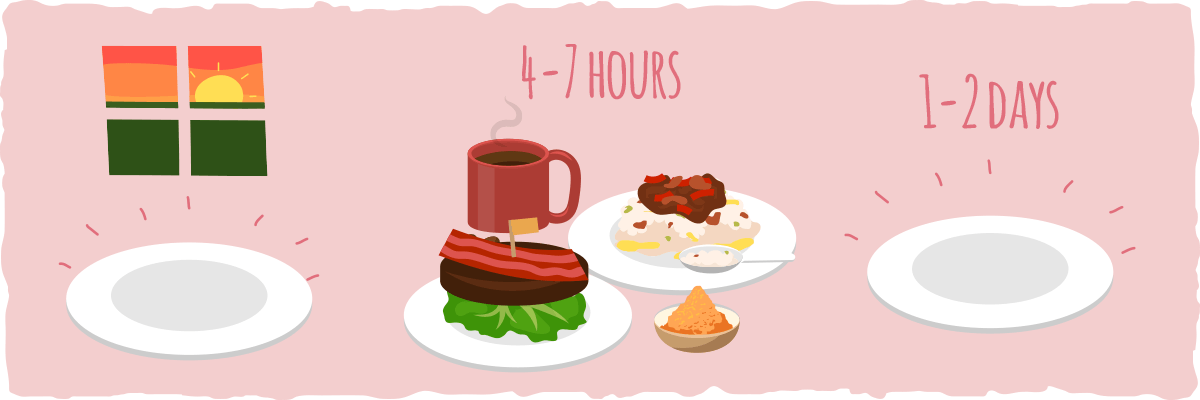
There are a seemingly endless variety of intermittent fasting plans. Here are the most common methods:
- Skipped meals. This is when you skip a meal to induce extra time in the fasted state. Usually, people choose breakfast, but others prefer to skip lunch or dinner.
- One meal a day (OMAD). It is as simple as it sounds: Restrict yourself to one meal a day and fast until tomorrow’s meal.
- Eating windows. The most common eating window regimen is the 16/8 schedule. Simply put, this means that you’ll condense your entire macronutrient intake within an 8-hour eating window. For the remaining 16 hours, you’ll be in a fasted state (i.e., consuming no calories whatsoever). As the body adapts, many keto dieters will extend their fasting window and reduce their eating window.
- Keto coffee fast. An excellent IF method for keto beginners. Simply drink Bulletproof or Ketoproof coffee as a breakfast replacement and see if it helps you extend your fasting window to dinner. Though it’s not a true fast (because the beverage contains fat calories), you’ll still be fasting from carbs and protein, which provides most of the same benefits as intermittent fasting.
- 24-48 hour cleanse. This is a prolonged fast that may also be referred to as alternate day fasting. With this fasting regimen, you’ll have a fasting day or two fasting days followed by a day of eating as much food as you’d like.
We don’t recommend starting with a 1-2 day prolonged fast. Instead, try restricting yourself to a specific eating window (and use ketoproof coffee as needed).
Typically, people restrict themselves to an 8-hour eating window between 1 and 9 pm or 12 and 8 pm. Once you have the hang of eating on a schedule, you can try more prolonged periods of 18-24 hour fasting.
That said, if you’re struggling with skipping breakfast, give the keto coffee fast a try. This can help boost your ketone levels and reduce your appetite naturally.
Whether you decide to do it every day, once a week, or twice a week is up to you. There is no such thing as the best intermittent fasting plan, so do what makes you feel best and listen to your body.
If it doesn’t work for you, do not force yourself to fast. Intermittent fasting isn’t required to lose weight and improve health on a keto diet. Restricting yourself unrealistically is pointless – it’s not worth it if it makes you unhappy and unhealthy.
How Does Intermittent Fasting Work?

The whole point of intermittent fasting is to allow ourselves to increase the amount of food we can intake at one time. Our bodies naturally can only take in a certain amount of food at once, so we are creating a sort of limit on our calorie intake.
This is also a great method for people that overeat. I tend to see people that forget to count the snacks that they have throughout the day, and wonder why they are putting weight on.
Your body will adjust itself to fasting, and you will find yourself not as hungry as you used to be. This allows you to properly record and maintain the nutrient values of what you intake.
In this fasting state, our bodies can break down extra fat that’s stored for the energy it needs. When we’re in ketosis, our body already mimics a fasting state, being that we have little to no glucose in our bloodstream, so we use the fats in our bodies as energy.
Intermittent fasting is using the same reasoning – instead of using the fats we are eating to gain energy, we are using our stored fat. That being said, you might think it’s great – you can just fast and lose more weight. You have to take into account that later on, you will need to eat extra fat in order to hit your daily macros (the most important thing). If you’re overeating on fats here, you will store the excess.
While there are some weight loss advantages to fasting, it’s more for the convenience of timing. Do not fast solely for the weight loss if you do not enjoy doing it. There are other benefits, though, and we’ll discuss these too.
Intermittent Fasting – Why Meal Timing Matters
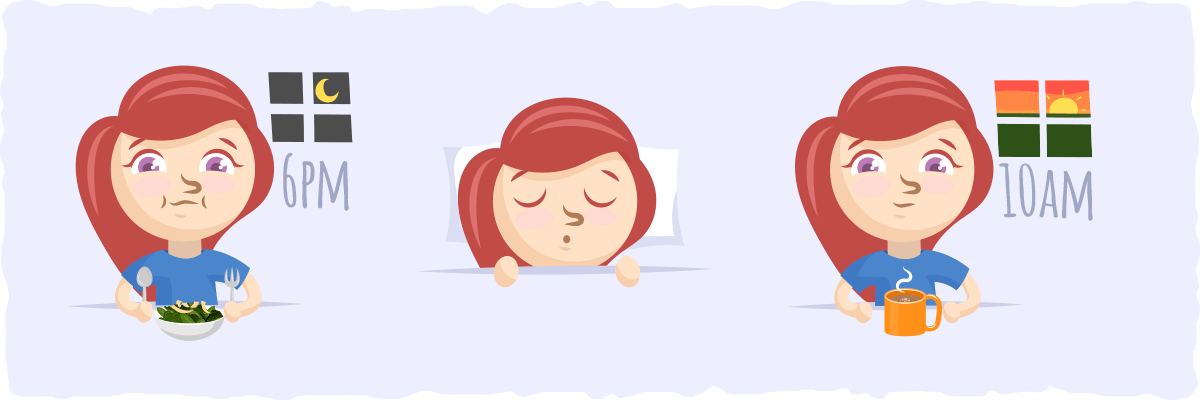
Simply put, intermittent fasting is the dietary strategy of restricting your food consumption to a specific window of time. For example, one of the most common intermittent fasting approaches is fasting during an 18-hour window of time and eating during the 6-hour window of time that is left in the day.
Let’s say your last meal was at 6 pm last night and you ate nothing else after that. To implement an intermittent fast, simply restrict eating until 12 pm the next afternoon (yes, sleeping time counts as fasting time). To do this every day, only eat between 12 pm and 6 pm and fast for the remainder of the day.
There are many different variations of intermittent fasting as well. Dr. Dom D’Agostino, a well-known ketogenic diet researcher, suggests doing a longer intermittent fast for 3 days, 3 times a year. This means not eating for 3 days, and eating normally until the next fast.
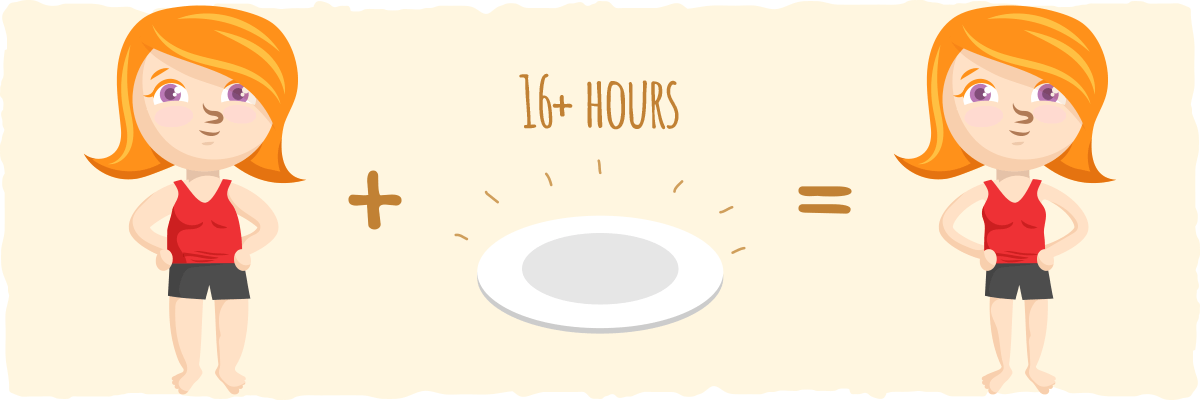
Another way to try fasting for yourself is by incorporating intermittent fasts of 16 or more hours per day into your lifestyle. This is a much more accessible strategy that allows you to experience many of the benefits of taking a short break from calories.
Despite the simplicity of this concept, it may not be readily apparent how beneficial intermittent fasting can be for you, especially if you are already benefiting from the ketogenic diet.
Interestingly enough, the keto diet and intermittent fasting work better when used together, creating a positive feedback loop of better results. To get a better idea of what I mean, let’s take a closer look at how this strategy works and the benefits it can yield.
How Intermittent Fasting Works: Insulin Reduction, Ketone Production, and Autophagy Induction
From a weight-loss perspective, intermittent fasting works by making it harder to overeat throughout the day. A simple rule like “skip breakfast” or “only eat between 5 pm and 8 pm,” can help prevent you from reaching for snacks or drinking calorie-dense beverages throughout the day that contribute to weight gain.
Even if you do build up a ferocious appetite while fasting, you’ll still find it difficult to overeat. In fact, intermittent fasting tends to decrease daily energy consumption and promote fat loss.
This means that you may be able to eat as much as you want and reach your goals as long as you stick to a shortened eating window or a limited number of meals.
When you first try intermittent fasting, your body will need to adjust itself to this new eating schedule. You may be hit hard by hunger pangs and potent cravings at first, but they will soon dissipate as your cells feast on stored fat and ketones.
The key mechanisms behind your ability to fast, lose fat, and improve your health throughout the process are insulin reduction, ketone production, and autophagy. As we accumulate time in a fasted state, our insulin levels decrease incrementally. This promotes the release of fat from our fat cells and stimulates the ketone-producing process known as ketogenesis.
As you continue your fast, you’ll enter a deeper state of ketosis, become more efficient at burning fat, and ramp up the self-cleaning process known as autophagy.
Autophagy: A Nobel Prize Winning Lifestyle “Hack”
In 2016, the Nobel Prize in Physiology or Medicine was awarded to Yoshinori Ohsumi for discovering some of the mechanisms of autophagy — the process by which the cell devours itself. Superficially, this sounds like a terrible thing for our cells to do — until you consider what is really taking place.
When our cells undergo the process of autophagy, non-essential parts like damaged proteins are recycled and invading microorganisms and toxic compounds are removed. This means that autophagy plays an important role in stopping the aging process, reversing disease, and preventing cancer, but it doesn’t happen all the time.
Fasting, protein restriction, and carbohydrate restriction are the three main ways that can initiate different autophagic processes — all of which are not the same. This is part of the reason why a ketogenic diet has so many positive effects, and it also shows you why intermittent fasting is a way to improve your diet even more.
Though this is reason enough to fast more, autophagy isn’t the only upside of intermittent fasting. In fact, the combination of keto and fasting can provide us with a wider array of benefits.
The Science-Backed Benefits of Intermittent Fasting
From improving blood sugar control and body composition to helping with the treatment of cancer and diabetes, the case for restricting when we eat extends far beyond weight loss. Below, you’ll find several reasons why intermittent fasting on a ketogenic diet may be a good thing for you:
1. Improved Blood Sugar Control and Insulin Sensitivity
By giving your body an occasional break from calorie consumption, you can help improve blood glucose levels and enhance insulin sensitivity.
This makes it a helpful tool for type 2 diabetes prevention. In fact, one clinical trial found that intermittent fasting may even be a better strategy than maintaining the same calorie deficit with six meals per day.
When combined with the keto diet — which also has been found to help with insulin resistance and type 2 diabetes — the two dietary strategies can work synergistically for improving blood sugar control and reducing insulin levels. However, more research is needed on the effects of using them in tandem.
2. Decreased Body Fat Percentage and Better Body Composition
According to a 2014 review of intermittent fasting research, intermittent fasting alone was found to promote weight loss at a rate of roughly 0.55 to 1.65 lbs (0.25–0.75 kg) per week. This was accompanied by a 4-7% decrease in waist circumference, indicating that they lost belly fat.
Another IF research review discovered that an alternate day fasting protocol decreased body fat by up to 16% over 3-12 weeks. When this finding was compared with daily calorie restriction, the researchers concluded that “these diets are equally as effective in decreasing body weight and fat mass, although [alternate day fasting] may be more effective for the retention of lean mass.”
In other words, intermittent fasting may help us reduce our body fat percentage more efficiently than constant calorie restriction.
3. Enhanced Mental Clarity
Fat and ketones are the most energy-efficient fuels for your body to run on, and your brain is a huge consumer of energy. Once your body is keto-adapted, your brain can effectively run on ketones, which are derived from fat breakdown in the liver.
When our brain uses ketones, our energy levels tend to even out with less mental fatigue and more focus. This is why keto dieters tend to notice sustained energy levels throughout the day rather than the peaks and troughs of energy that we tend to experience on a high-carb diet.
Intermittent fasting is one of the easiest ways to boost your ketone production and experience the mental clarity that ketone burning brings.
As a result, you may naturally find yourself being more productive before you consume your first calories of the day.

4. May Boost Overall Fitness Results
People tend to think that if you don’t utilize pre- and post-workout meals, you’ll lose muscle when you work out.
This isn’t necessarily true, and it is even less so when you are adapted to ketosis.
Fasting while training can lead to a number of benefits in the long run, including:
- Higher metabolic adaptations – Studies show that your training performance will increase in the long run when you are exercising in a fasted state.
- Improved muscle synthesis – Studies show that muscle gains are heightened when you train in a fasted state and utilize proper nutrient intake.
- Improved response to post-workout meals – Studies show that the speedy absorption of nutrients after a fasted workout can lead to better results.

There have been numerous studies on fasting while training, including one on Muslim athletes during Ramadan. It concluded that there is no effect on performance in training while fasting – so you have no need to worry.
5. Simplifies Your Keto Meal Plan and Make Weight Loss Easier to Maintain
Maintaining weight loss results is the most difficult part of any diet. We often rely on willpower to restrict ourselves, which never works in the long run. Rather than relying solely on restriction, it is better to implement simple weight loss strategies that feel relatively effortless for you.
For some, intermittent fasting is the perfect example of this. They just follow a simple fasting regimen that works best for their schedule and find it more challenging to gain weight than to keep it off.
By incorporating intermittent fasting with your keto or low carb diet, you may find that it takes the weight of meal prep and planning off your shoulders while it takes the excess weight from your belly.
Keep in mind, however, this is just one example of a weight loss tool. There are dozens of other strategies and hacks you can try that may work better for you.
Intermittent Fasting and Muscle
Two ground-breaking studies have recently been published on the effects of intermittent fasting on males. One group of researchers studied the effects that 16 hours of intermittent fasting had on males that lift weights. They found that muscle mass stayed the same, fat mass decreased significantly, and the males who fasted for 16 hours a day burned more fat for fuel compared to the control group that only fasted for 12 hours.
Another study showed that combining 20 hours of fasting with resistance training resulted in an increase in muscle mass, strength, and endurance, and this was achieved by eating ~650 calories per day less than normal.
The benefits of intermittent fasting translate to untrained overweight and obese individuals as well. One study published in Obesity Reviews found that eating fewer calories is effective for fat loss, but it does come with some muscle loss. However, if the subjects fasted for 24 hours and ate as much as they wanted on the next day for a period of 12 weeks, they lost significantly less muscle mass.
Yes — you read that correctly — 24 hours of intermittent fasting without any resistance training and these subjects were able to preserve more muscle mass than the subjects that ate fewer calories every day without fasting at all. This finding contradicts our common sense, but when we dig deeper into autophagy we can find the mechanism behind this result.
Muscle Loss Prevention and Autophagy
Before the Nobel Prize was awarded to Yoshinori Ohsumi, other researchers were making groundbreaking discoveries about autophagy. In 2009, an article was published in Cell Metabolism entitled Autophagy Is Required to Maintain Muscle Mass. In this article, researchers described how deactivating an important autophagy gene resulted in a profound loss in muscle mass and strength.
This happened because autophagy is necessary to clean up damaged proteins and mitochondria in muscle cells. If autophagy is never activated then the proteins and mitochondria will remain damaged and the muscle cells will begin to die, which causes a loss in muscle and strength.

This seems counter-intuitive because we assume that the nutrients we eat will repair the damage, but it makes sense when you think about it another way.
If you want to refurbish a room, it is best to clean the room and remove the old furniture before you put the new furniture in. The same thought process applies to your cells. We must use intermittent fasting to let autophagy clean the room of the cell before we put in new furniture. If we don’t, our cells can become cancerous.
Intermittent Fasting and Cancer
Although there is little to no literature on the effects of 2 or 3 day fasts on muscle loss in humans, many clinical trials are currently being conducted on the effects of 2 or 3 day fasts on cancer patients.
In initial case studies, people who were undergoing chemotherapy voluntarily fasted for anywhere between 48 to 140 hours. Each person reported fewer side effects and improved quality of life regardless of how long they fasted.
This may suggest that fasting for 2 days to a week can have a protective effect on the cells in the body while they are undergoing intense bouts of toxicity.

Other studies in animals have found that fasting was possibly as effective as chemotherapeutic agents in delaying the progression of different tumors and increased the effectiveness of chemotherapeutic drugs against melanoma, glioma, and breast cancer cells. Although this research may not apply to your life, it does suggest that intermittent fasting can help support your body in times of toxic stress.
Simplifying the Mechanisms Behind the Benefits: Autophagy, Ketones, and Fat Loss
Intermittent fasting is so powerful because you can use it to restrict calories, induce ketosis, and activate the processes of autophagy that are brought about by protein restriction and starvation.
If this scientific jargon is throwing you off, think about what it takes for you to clean your room. You may clean it in your spare time or have a set time on the weekend to do it, but what happens when the weekend comes?
Tasks or chores come up and you prioritize something else. After a week without cleaning, your room is just a bit dirtier than usual, but after a month of being too busy to clean, your room is filthy.

This is what happens to our cells when we eat three or more meals a day that completely fulfills our calorie needs every day. Even by eating the healthiest of foods, your cells still can get backed up with non-essential proteins and toxic compounds — so what can you do?
To make sure that you clean your actual bedroom, you fast — not from food — but from being consumed by other obligations. To make sure that your cells can clean themselves, you must fast from food.
This fasting process will not only activate this clean process for your cells, but it will increase your ketone production and promote fat burning as well. Simply put, by adding intermittent fasting to your keto lifestyle, you can experience the benefits of keto more quickly along with the effects of autophagy.
Furthermore, If you start implementing intermittent fasting and exercise (such as walking, cycling, or lifting weights) together, you can raise ketone levels, burn more fat, and increase autophagy more than you would with intermittent fasting alone.
Overall, whether you add exercise or not, the evidence for intermittent fasting suggests it would be a great addition to the keto lifestyle for most people. However, before you start, it is important to be familiar with the negative symptoms that may arise.
How Long Can We Last Without Food?
Once you start fasting, you may feel ravenously hungry as your mind is flooded with images of your muscles disintegrating into thin air. This is simply how your mind reacts to the threat of starvation — just because it feels like you will lose all your muscle and starve doesn’t mean you will.
In fact, Mahatma Gandhi survived for 21 days without food while only taking in sips of water. During times when people had no food or water at all, they were able to survive for 10 to 14 days. However, these are just anecdotes — what does the science say?
Many studies have been done during hunger strikes and religious fasts confirming that humans have the capacity to survive even longer than Gandhi did during his fast.
One monk, for example, set out to do a 40 day fast with medical supervision while maintaining his daily activities in the monastery. After 36 days, the medical professionals had to step in due to “profound weakness” and low blood pressure when standing. Although the monk fasted for 15 days longer than Ghandi, the medical professionals were able to stop the fast in time so that he could recover.
Another study tracked 33 political prisoners who were on hunger strike. The prisoners fasted for 6-24 days before being hospitalized for dehydration due an inadequate intake of fluids and electrolytes (not because of starvation). Breaking their fast was described as being “uncomplicated”.
Keep these studies in mind as your body tries to play tricks on you during your first day of fasting. Even after three days of fasting, health complications are highly unlikely. However, it is important to know about the possible issues that can be caused by fasting. If you choose to incorporate fasting into your daily diet, you typically want to eat every day as well. Occasionally going on a longer period of fasting.
Should You Be Worried About Refeeding Syndrome?
Some legitimate health complications can arise when you fast or are malnourished for longer than five days. One of these complications is called refeeding syndrome, which is caused by potentially fatal shifts in fluid and electrolyte balance that can happen when we eat after a period of undernourishment.
This happens because the concentration of fluids and minerals in our bodies relies heavily on what we eat. Low carbohydrate diets, like the keto diet, increase the excretion of vital minerals like sodium and potassium.
If you add a prolonged fast to the ketogenic diet, you can lose an unhealthy amount of these essential minerals.
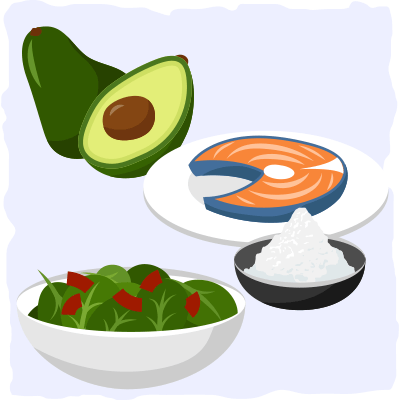
Fasts that are shorter than 5 days, however, aren’t likely to cause issues — especially if you break your fast with a low carbohydrate meal that is filled with mineral-rich foods. As an example, a meal with dark leafy greens, avocado, and salmon with some unrefined salt would be an ideal way to break a longer fast.
During a shorter fast that lasts less than 24 hours, however, there is no need to worry about refeeding syndrome at all.
That said, it is vital to ensure proper hydration and mineral balance while fasting (with the help of our article on keto supplement recommendations). By doing so, you can reduce the risk of experiencing the keto flu as well.
A Potential Downside: Keto Flu, Carb Restriction, and Intermittent Fasting
As we restrict carb intake (via fasting or keto eating), our bodies excrete more fluid and minerals than usual. If you aren’t fastidious with your electrolyte and water intake, you may run the risk of experiencing fatigue, headaches, digestive issues, and other flu-like symptoms.
In most cases, this is just a sign of mild dehydration and can be remedied by increasing your water, sodium, magnesium, and potassium intake. If you’d like to learn more about the keto flu and how to remedy it with specific intake guidelines, click here.
Keto and Intermittent Fasting FAQs
What is the best keto intermittent fasting plan?
As with any diet plan, there is no such thing as the best keto fasting regimen or protocol for everyone. Though there are a seemingly infinite number of methods you could try, what ultimately matters is formulating the approach that works best for you.
This will require some self-experimentation and the help of a healthcare professional. As you are experimenting with different options, make sure you are monitoring your health, well-being, and progress to figure out if a particular keto fasting plan is healthy and sustainable for you.
How should I break my fast?
A micronutrient-rich low carb meal filled with healthy fats is one of the best ways to break a fast.
An example of this would be a keto-friendly salad (like our Quick Keto Avocado & Salmon Salad). This will help replenish your vitamin and mineral needs, keep you in ketosis, and prevent the bloating that can occur after breaking your fast with high-carb foods.
Can I take exogenous ketones while fasting?
Since exogenous ketones provide us with calories, consuming them will technically break your fast. Furthermore, they will cause an artificial increase in ketone levels that decreases your body’s natural ketone production.
If you are looking for a way to boost your ketone levels while fasting, black coffee is the way to go. Its caffeine content will promote natural ketone production without adding any calories to your diet.
For anyone who doesn’t mind adding some fat calories to their coffee, try blending in a high-quality MCT oil for an additional natural ketosis boost.
Putting It All Together: Formulating Your Keto Intermittent Fasting Diet Plan
Now you know that there is nothing to fear when it comes to intermittent fasting.
Although you will feel hungry at first, your body will adjust by activating autophagy and burning more fat and ketones for fuel.
Whether you are fasting for 16 hours or three days, it is vital that you replenish your fluid and mineral levels to avoid keto flu symptoms.
Supplementing with sodium from unrefined salt and potassium & magnesium from mineral-rich keto foods/supplements may be necessary for you to prevent excess mineral loss caused by ketogenic diets and fasting.
As with any significant diet change, make sure you’re monitoring your health with a healthcare professional while you experiment with different intermittent fasting regimens.
The best keto intermittent fasting plan for you will be one that improves your objective health measures, subjective well-being, and body composition in a sustainable way.
To learn more about personalizing your keto diet for optimal results, we’ve included several resources below:
- Keto Guide to Intermittent Fasting — Our practical guide to combining the two weight loss tools.
- Keto Calculator — Find out how much you should eat to reach your goals.
- Keto Academy: The Keto App — Use our meal planning app for a no-fuss personalized diet plan.
Plus, if you are ready to experiment with IF, we’ve included a 3-day keto fasting plan as well.
Practical Application: Tim Ferris’s 3 Day Ketosis Boost
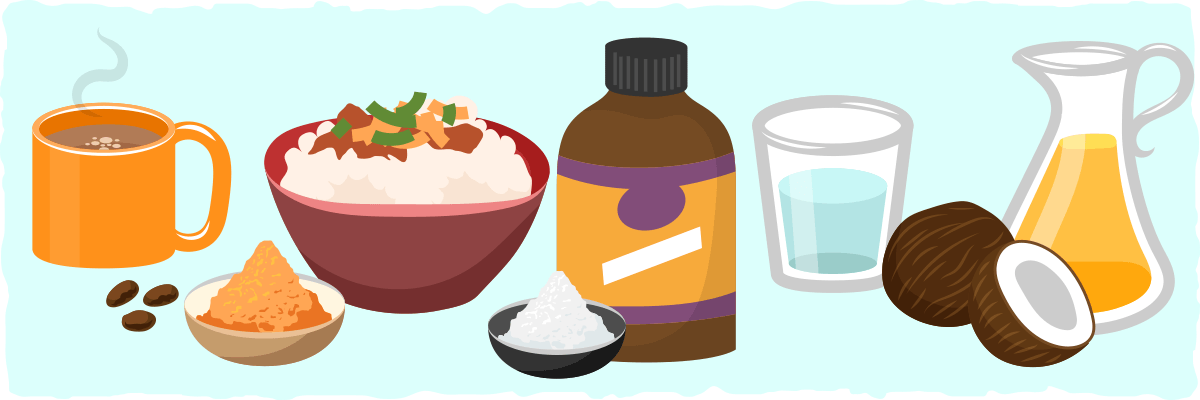
If you want to raise your ketone levels or kickstart your ketogenic journey, try a 3-day “fasting” protocol like the one below. If intermittent fasting doesn’t sound like it’s something that can work for you, you can also kickstart your keto diet by fat fasting.
Thursday Evening
- Eat a ketogenic dinner and make that the last meal of the day. Go to bed as normal.
Friday Morning
- Get out the door and walk within 30 minutes of waking. Drink coffee or tea if needed, but it is best to limit your caffeine intake because it will cause you to excrete more minerals and fluid than usual.
- Bring at least 1 liter of water, with some added unrefined salt, and sip as you walk to avoid cramping.
- Walk for 3 to 4 hours, sipping water as needed.
- Arrange phone calls or something similar for your walk to make the time productive.
- The idea behind the walk is that you use up your glycogen stores, forcing your body to move more quickly into deep ketosis. The quicker you get into ketosis, the less time you spend feeling drained.
- If you prefer to shorten the time frame, you can do a 45-60 minute bout of HIIT exercise.
Friday Day (post walk/workout)
- Consume MCT oil 2-3 times throughout the day.
- An affordable, good quality MCT Oil we recommend is NOW Foods MCT Oil.
- This provides you with energy until your ketone levels elevate naturally.
Saturday Morning
- Upon waking, test your blood ketones with a ketone blood testing kit like the Precision Xtra. Your ketones should be at 0.7mmol or greater.
- If you’re at 0.7mmol, proceed with your fast.
- If you’re under 0.7mmol, consider going for another extended walk, and then re-test.
Saturday & Sunday Day
- Add further MCT oil or coconut oil if you need a boost. They can be omitted once you are in deep ketosis.
- Incorporate some salts in your water throughout the day. This can either be in the form of table salts, or via a specially formulated solution such as SaltStick electrolyte replacement pills.
Sunday Evening
- Break your fast with your favorite ketogenic meal. Take a look at our Keto Recipes to find your new favorite!
This process can be used as a way to get you into ketosis more quickly, so you can transition gracefully into a ketogenic lifestyle or as a way to stimulate autophagy and fat loss. If you can’t go without fat for the full 3 day fast — it’s okay — you will still elicit many of the benefits of fasting by limiting your protein and carbohydrate intake.
Sources
- How long can a person survive without food? — Scientific American
- Top 10 Foods Highest in Phosphorus — Healthaliciousness
- Tim Ferriss – 3 Day Fast Protocol Details – Get into Ketosis Quicker and Easier — Eat. Move. Hack.
- Neuroprotective and disease-modifying effects of the ketogenic diet — NCBI
- Refeeding syndrome: what it is, and how to prevent and treat it — NCBI
- Discoveries of Mechanisms for Autophagy — Nobel Prize
- Effects of eight weeks of time-restricted feeding (16/8) on basal metabolism, maximal strength, body composition, inflammation, and cardiovascular risk factors in resistance-trained males — BioMed Central
- Time-restricted feeding in young men performing resistance training: A randomized controlled trial. — NCBI
- Intermittent versus daily calorie restriction: which diet regimen is more effective for weight loss? — NCBI
- Autophagy Is Required to Maintain Muscle Mass — Cell
- Fasting Cycles Retard Growth of Tumors and Sensitize a Range of Cancer Cell Types to Chemotherapy — NCBI
- Fasting and cancer treatment in humans: A case series report — NCBI
- What if you got cancer today? Here’s how Tim Ferriss’ podcast guest, Dom D’Agostino, responded — Eat. Move. Hack.
- Physical exercise increases autophagic signaling through ULK1 in human skeletal muscle — American Physiological Society
- Acute nutritional ketosis: implications for exercise performance and metabolism — BioMed Central
- Voluntary total fasting in political prisoners–clinical and biochemical observations. — NCBI
- Fasting: The History,Pathophysiology and Complications — NCBI
- Eating two larger meals a day (breakfast and lunch) is more effective than six smaller meals in a reduced-energy regimen for patients with type 2 diabetes: a randomised crossover study — Diabetologia
- Intermittent fasting vs daily calorie restriction for type 2 diabetes prevention: a review of human findings — Translational Research
- Effects of intermittent fasting on health markers in those with type 2 diabetes: A pilot study — NCBI
- Intermittent fasting vs daily calorie restriction for type 2 diabetes prevention: a review of human findings — ScienceDirect
- Intermittent versus daily calorie restriction: which diet regimen is more effective for weight loss? — NCBI
Do you do intermittent fasting? Let me know your experiences 🙂
I have been intermittent fasting for a few months now, longer than being keto-adapted, because I feel better eating this way. I wake up fasted and do cardio exercise, typically a thirty minute run and a 1km swim. I then stay fasting until about 16:00 in the afternoon when I drink a spirulina and supergreen concoction to set me up. My ‘rule’ is that I then eat when I’m hungry, be it immediately or a couple of hours later, for maybe a six hour window. I eat a large meal for dinner and that is usually it until the next day. Being keto-adapted takes precedence over fasting so on the occassional day that I need to eat, for whatever reason, I do so as long as it is on my low-carb terms. The point in fasting is to feel better and for it to compliment my life; if my life gets in the way (going out for lunch or weight training earlier in the day rather than the evening) then the fasting takes a day off. My main concern is your comment that it is important to get all my macros in. I have started tracking my macros more carefully and realised that I am probably skirting the bottom values of my calorie requirements. This is not intentional – I eat when hungry and I can eat like a beast at times. Most of the time though I can’t squeeze everything in during the window without feeling sick. How desperate are my macros as long as they stay in proportion and over my minimum calorie threshold? I am assuming that if I haven’t consumed enough then my body will scream for energy; as long as I am feeling strong and energetic should I just go with it? Doesn’t it mean that I will just burn through bodyfat quicker and then need to eat more according to my energy needs?
Just by reading that some days you don’t eat much and others you eat like a beast would make me say that it’s fine. The human body doesn’t use calories on a clock like we thing – it may not use all the calories you eat over a 24 hour period – it can roll over. That means that those days you can eat like a beast – your body is calling out for it. The body has natural caloric cycles (which is also messed up for many people, but it doesn’t sound so for you) which means over time you are most likely balancing out on your calories anyway. I wouldn’t worry about it too much honestly – long as you’re fat adapted 🙂
Are BPCs allowed during fasting or is water only allowed?
BPC is allowed as a replacement breakfast, as it’s a liquid and just to get a slight start to the metabolism. I wouldn’t suggest drinking more than 1 though, if you need more coffee just make it a regular – black.
Craig, is it necessary to wit until fully keto adapted to do intermittent fasting (16/8) or can we start just being in ketosis?
Keshia,
You can start whenever, but know that if you do IF it shouldn’t be for weight loss purposes but for convenience or health benefit sake.
IF is a great way to kickstart your journey to ketosis.
Hey there if I run first thing in the morning – run for 60 min then some weight lifting. Do you recommend Tasty Bpf prior???
What is a sample of your day while fasting?
Yeah you could drink BPC prior. Normally you can run fasting, you might want to drink the BPC prior to lifting. My 30 Day Meal plan breaks down how I eat right now (or a similar example of how I eat). You can check it out if you’d like.
Hey Craig I am a small person (105lbs 5’3″) and I’m in the Keto world for the health benefits and mental clarity. I don’t really get hungry anymore but I just recently got over the headaches, nausea and fatigue. I had the BPC and then waited the 12 hours and had a spinach salad with roast beef, ham, vinaigrette, hummus wrapped in cheese (if you haven’t tried this it’s delicious, just load hummus onto a slice of cheese, roll it up, and noms).
The problem was that I got really weak during the hours of not eating (without being hungry or anything, just weak) even though I was drinking water almost non stop. I don’t want to give up because I also felt a huge burst of energy when I ate again and more mental clarity than ever before on this diet.
What can I do to stop the weakness without having to eat?
Ainsley, how long have you been doing IF? You need time to adapt to it. If you are not fully fat adapted then it might not be advised to do IF since you will get weak. I can’t think of anything that would cause this besides not being fat adapted or because you’re body is still adjusting.
I’ve been on it for about three weeks now, not your plan specifically but just on my own. Do you think eating past being full during the window might help?
You should be eating to your macros, IF or not.
Hi, Can you tell me when i fast should i still eat my full days calories in the time slot for eating? It seems a lot to cram in over 3 or 5 hours. Or have i missed something somewhere. Thanks this really is an awesome site.
Hey Rebecca, yeah you have to eat all your days food in those few hour window. Usually it’s not as hard as it seems honestly. I’ll do it in 1 small meal to break my fast and 2 bigger meals in my window.
Hi Craig,
Been trying to find a straight answer does IF help with fat loss? You mention in this article that “there are no studies on intermittent fasting that show clear weight loss benefits” so does that mean you feel there are no benefits? In your 30 day guide and IF on Keto diet articles you mention it can be used to help with plateau’s and help you burn your own fat stores instead of the fat you get from food this would tell me there are benefits? If you are IF and burning your own body fat that would have to be benefits as long as you don’t regain the fat by over feeding. Let me know what you think. Thanks.
Les, there are no actual studies that show it helps with fat loss. You shouldn’t use it for fat loss, either. Keto alone will burn bodyfat, and in combination with IF it might have a slight advantage but I certainly wouldn’t use it if your intent is fat loss. Like I said in the article, only use it for convenience sake over anything.
Hi Craig,
First of all, what a wonderful site man. Great job!
I am new to Keto but have been doing IF for about 5-6 months. Recently started following the 16/8 leangains protocol having previously followed the 20/4 protocol which led to weight gain… I have not lost weight even after cutting my calories down significantly and that’s why I am trying to incorporate a ketogenic way of life to get ripped. My stats are – (F/35/143lbs).
I just have a couple of questions.
1. Would it be wise to still do my morning fasted training and break my fast with BPC around midday then just eat one meal around 6pm? I take amino acids after my workout leading to my lunch.
2. How much calorie deficit can I cut down to to lose more body fat? Currently eating 1800-2000 calories (pure keto – 65% fats, 35% protein & 5% dietary carbs)
Appreciate your wisdom man! Thanks.
Tahlita
Hey Tahlita,
Everything sounds good to me but I suggest going lower on the protein. You should only need around 1g protein per pound of lean mass to get proper muscle growth during workouts (I link the studies in some of the workout articles). The BPC sounds fine to me though, you just want to cut back on the protein a bit. Too much protein will just convert over to glucose and put you out of ketosis – keep your eye on that so you can become properly fat adapted.
As for your caloric deficit, it kind of depends how much you’re working out. 2000 sounds good but I can’t always tell you if that IS actually good, because I don’t know what you’re doing in the gym and whatnot.
Hope that helps and thanks!
From what I’ve heard, the guideline is 0.8 to 1g protein per KILOGRAM lean mass. For a 143# woman, I would estimate lean mass of no more than 130# (60kg) and it’s actually probably significantly less unless Tahlita is a highly trained athlete. This would mean a protein intake of 48-60 grams should suffice.
I personally don’t think of my keto diet in terms of % calories from each macro, I simply add up the grams of protein (I keep mine to 65 grams max), and a max of 20g carbs. The rest is fat.
I take no responsibility for the 0.8 to 1g/kg number; that comes from other researchers.
For most sedentary people, 0.6 – 0.8g of protein per lean POUND of lean body mass is just fine for muscle conservation during sedentary lifestyles. But, if you are working out, you will need to intake a bit more protein. The optimal levels (from over 30 years of research on bodybuilding and muscle growth) is around 0.8 – 1.1g protein per lean POUND of body mass.
While I do like to tell people that keeping track of grams is more important, some people have it set in their mind that needing a specific ratio is necessary too. While that does mathematically normally fall within the ranges given, I do agree with you that grams are most important to track.
You might want to reconsider 5% calories from carbs. On a 2,000 calorie diet, this comes to 100g carbs which may keep you out of ketosis.
Jon, this means 5% calories from carbs. So if you break down 2000 calories into 5%, that is 100 calories in total. Each carbohydrate is 4 calories each, meaning that 5% calories from carbs on a 2,000 calorie diet would be 25g total carb. Hope that helps.
Craig:
A combination of intermittent fasting, being ketogenic, the Paleo diet & exercise saved my life when I was young I was a Determined but not particularly good, Golden Gloves boxer. after my short, painful “career” as a boxer I took up long distance running, 5-19 miles 4 days a week & floor exercises.
I work in the music business & kept this up til I was about 31. At that point the sex, drugs, & rock & roll got to me, I quit working out, my diet went to hell & I was drinking , smoking & doing drugs. The drugs ended in the late 80’s but everything else continued until I was 57.
At that point I weighed 223 pounds – as a boxer I weighed 135 at 5’8 -& I was diagnosed with extreme high blood pressure, cholesterol level of 340, diabetes type 2 & a liver enzyme count that was heading straight for cancer.
Luckily for me I spent my formative years on hippie communes in the 60’s & I picked up a lot if info on herbal medicine $ diet. When I was confronted by the vast array of meds they were going to put me on, I refused them, did some research, went on the Paleo diet. & started studying & taking Ayurvedic herbal medicine instead of meds. 3 years after that I started intermittent fasting.
I’ve now been IFing for 4 years. I eat once every 20-24 hours & am totally fat adapted. I can go without eating 29+ hours & then do an intense workout of a couple of thousand crunches, 500 squats & I rotate lifting 30-50 pound dumbbells or boxing 10 hard rounds on the heavy bag.
Too make a long story much shorter, today I’m 64, weigh 141 pounds- what I weighed at 20 – I now have low blood pressure,, my cholesterol level is 177, my diabetes type 2 has been in remission for 5 years & my liver enzymes are completely normal.
The point of writing all this is to emphasize how correct Craig is about intermittent fasting, it has worked wonders for me. LastlyI want to point out that it is NEVER too late to start repairing your health. & I believe intermittent fasting, the Paleo diet & exercise are the keys to aging healthily & not becoming a diseased invalid just because your getting older.
regards,
Stephen Gordon
Correction on my post, I ran 10 miles not 19 & I don’t go 29 hours before working out its 20-24 hrs. Those were typos.
Stephen
Stephen,
That is an amazing story! I’m really glad to hear you have everything under control at your age and seem to be in the best shape you’ve been in the last 40 years. Good on you for taking control, choosing what you eat, and doing what’s best for you.
I appreciate the kind words, Craig but it really isn’t amazing.It was a matter of being confronted with dire physical straits & when a doctor tells you your going to die if you dont do what he tells you it catches your attention. I was lucky enough to have enough of a herbal/health/diet/exercise background that I had a foundation of knowledge to start from. Plus I do believe we are our own best doctors if we listen to our bodies.
But most people have been brainwashed all their lives about Big Pharma/Agriculture & dont realize the damage thati is being done by our western way of life & diet. & thats why sites like yours are so valuable for people. You show people another, much healthier path to follow.
That is invaluable because the knowledge you share can save lives if people are willing to change their ways.
Lastly, I want to be clear that i didnt get to this point overnight. It took years to repair the damage I had caused to myself. It was not a crash diet that took off the weight it was a much longer, healthier & effective process. The key is to not get discouraged & to keep plugging away & after awhile Intermittent fasting, ketogenic paleo, autophagy & exercise just become your routine way of life. At thus point I cant ever imagine going back to 3 squares a day & eating carbs other than fruit & veggies.
& I know if a fat, lazy, 57 year old like myself can turn it around, ANYBODY can do it…
Steph,
Even if you say it’s not amazing it still really is. It takes quite a lot of motivation, encouragement, and support for most to do this way of eating/way of life and that’s no small task. I’m really happy to have heard your story (and even more happy to hear your successes of it). I do agree that is takes a lot of time to repair damage, but if you’re willing to stick to it, a much healthier you can come out the other end.
Really appreciate the kind words 🙂
My best!
I IF almost every day (the only exception being for an event or if I have company) and I feel pretty great doing it. I follow a HFLC diet as well, so I suspect that I am in nearly a constant state of ketosis (unless my meal contains large amounts of protein all at once). From New Years to the end of April I have lost 33 pounds without exercising much, although I plan to change that now in order to gain strength. So far, my strength doesn’t seem to have diminished. I definitely notice an increase in cognitive function, as well as the willingness to physically do things more often.
IF has also been really beneficial to my college schedule, because I am usually in classes until about 2:30 every day; I will typically wake up, do homework, go to class, and eat between 2:30 and 5:30. Then I will fast again until the next day. I drink no coffee, and my A+ grades get curved up above 100% because my classmates are struggling. Probably all the bagels and toast they are eating for breakfast!
Haha, probably! Glad to hear IF is going so well for you and that you’re losing weight with pretty much no effort at all. Keto and IF are really useful together in my eyes because of the convenience factor. Definitely keeps my energy levels up too!
Hi Craig,
Awesome site! You should be paid.
I recently started the keto diet. Not to lose weight, but to help cure my IBS. I have found that not only has the mere food on the diet been incredibly healing, but so has the timing of when I eat. When one goes on a keto lifestyle, they are less hungry throughout the day, and therefore eat less often. This has helped heal my insides. Fasting gives your digestive system time to cleanse itself. Eating carby foods only makes you hungry more often, and therefore you eat more and more often, not allowing an already damaged digestive system to heal. (not to mention all the crap load of additives sold in the so called “food” of the standard American diet) Fresh organic food is where it’s at.
I would encourage anyone with IBS or SIBO to try this diet, and I would recommend your website as a good source of recipes, tips, and nutrition. I would maybe add to the reasons to try the fasting periods as a way to help heal and cleanse one’s digestive tract (that way it detours from the weight loss aspect).
I typically get up very early in the morning, do an intense 30 minute workout of hit & strength training, then have just a few tablespoons of coconut oil & a cup of spinach for “breakfast”. I don’t eat again until 1ish and use a time window from then until about 8:00 (if I get the munchies) to get in my macros for the day. My energy is consistent, and I am still able to build muscle in my fasting state.
Eating this way has helped me recover to a state of almost no symptoms! And I have been doing this for only about a month and a half.
Natalie,
That’s an awesome story – I’m really happy to hear that this is doing so well for you. I am aware of fasting and also using keto for many other auto-immune diseases and other problems. I will end up getting into that once I finish everything I have to say on keto, but until then just keep your eyes open! I really appreciate all the kind words 😀
Hello craig!
I bought your 30 day meal plan and I have a question? have you taken 3 weeks to start IF for a health reason or just to ease us into it? I’m more of a jump head first kind of person, and know I will be successful, but if you recommend for some health reason I follow the plana nd wait 3 weeks I will, let me know.
Also, if I am fasting and going to the gym daily, would you recommend me going to the gym during my window, or before it? I usually do HIIT and some workouts with my body weight(squats, pushups, etc) or should I try it out and see which my body responds better to? I do not know!
Thanks :))
Leslie,
Since IF doesn’t really have much of an impact on weight loss, I decided to just ease people into it to see if it works for them. I tend to find I have more energy when I IF, so I wanted to let people experiment to see if they find the same. If you want to plunge head first into it, you could work out right before your window and eat 20-30g of protein (with no fats) right after your workouts. You could alternatively eat fats an hour or so before a workout to fuel it, then eat some protein after. Really up to you 🙂
I’ve actually been stalling. Stuck at 148 pounds at the lowest. Im fluctuating between 148-150 for the last few weeks. Maybe its time I start IFing. I’m still not sure how it works after reading everything here.
So I can just wake up, not eat all day and around 8 or 9, I can eat all the macros I’m suppose to eat? Eat everything in one meal?
I should probably also recalculate my macros. I got this Body fast percentage reader, but I don’t think its very accurate. I have ketone sticks, that states I have excess ketones. I bought the Ketone Meter, but its broken and I couldn’t test it. I’ve been eatting alot of erythitol, so….I hope thats not stalling me.
Andy, yep that’s how it works. If you’re stalling, I don’t know if IF will make a huge difference. It might, but you may want to look into other things you are making too. If you’re using a lot of erythritol that means you might be making a lot of treats – try to cut back and see if that helps 🙂
Good evening Craig I’m starting an intermittent fasting on Monday I saw a recipe for tastier bulletproof coffee which included chocolate peanut butter and coconut oil my question to you is is it okay to use that coffee while intermittent fasting?
I’m also going to purchase your book my question in regards to that is your site secure can’t tell? THANKS!!!
Gena
If you’re going to do intermittent fasting, it depends how you want to do it. If you want to do it properly, then you shouldn’t even include bulletproof coffee into your morning routine. You technically are fasting if you eat 12 hours apart, so if you eat at say 7am and 7pm, then that is technically fasting – but you might see more benefit if you cut out that bulletproof coffee. Breaking a fast takes about 50 calories, so drinking BPC alone (1 tbsp. butter, 1 tbsp. coconut/mct oil) would break a fast.
As for the book, when you go to the checkout, it uses PayPal to do so – while my site isn’t secured with SSL, PayPal most definitely is – and my website doesn’t see any of the information you use the pay for the book 🙂
Hi Craig,
Just wanted to say I really like how you ended you article by saying it should happen naturally. Just to share, I’ve been meaning to do IF for a while, but I just get caught up calculating my macros and ensuring I hit them every day… And I am guilty of admitting that sometimes I eat when I don’t feel hungry simply out of habit – you know, meal time? As usual, your site and articles have inspired me to try IF by really listening to my body instead of my routine! Will report back, hopefully with good results
I hope that IF works out for you. I enjoyed it but I don’t do it as often anymore as I am having the same problems you were (eating at specific times due to others). I may skip lunch, but I wouldn’t consider that IF as much as “selective” meal timing. But, if IF works for you and you feel better doing it, more power to you 🙂
It looks as though it has been quite a while since there have been any comments on this but I thought I would jump in after reading this…. I have been in Ketosis for about a month (blood ketone level is around 2.7 – evening or morning) I have lost 18 lbs but it’s definitely slowing down. I am only 25 lbs from my goal (currently 174, female, 46) You mentioned there were no studies to show IF helps with weigh loss but according the studies by James B Johnson – The Alternate Day Diet, it sure seems although there have been studies proving that it does. Although, he does not discuss being in Ketosis, just calorie counting. I was hoping to continue the LCHF and alternate day fasting for improved weight loss – I am very impatient yet VERY determined and very good at logging my food, calories, macros, etc.
Craig,
What is your feeling on the following IF configuration:
17/7 IF everyday, Fasting Times = 11 PM – 4 PM, Fed Times = 4PM – 11PM
While Fasting: Black Coffee, Water, and (One Cube Per Day) Organic Bouillon (15 kcal, 1 Gram Fat, 1 Gram Net Carbs, 1200 mg Sodium)?
I have found that having a cup of broth around Noon (12 – 14 hours into my 17 hour fasting window) makes a huge difference in terms of mental focus, avoiding any electrolyte issues, satiety/stomach rumbling, energy level, etc…
I know you might say: If you feel good, keep doing it, but I guess my question is: Do you think the bouillon (and its 15 kcals is really jeopardizing the benefits of the fast, or breaking the fast?
When I’m fed, my Macros are 5/20/75.
I was doing a 15/25/60 diet here for about the past 20 months. Occasionally, I would go 5/20/75, drop a little weight, but then I plateaued at 45 lbs lost (and have been there for about the past 13 months). I’ve got 85 to go, and hate the plateau, so I’m hitting it hard on those macros and the IF.
You should be fine doing that 🙂
Hi. I’m doing Keto and IF but I never hit my macros. I typially only eat between noon and 6pm and it is usually only one meal during those hours. I’m stuffed after that so getting my fat and protein in proves to be a challenge. How important is it to eat to your macros? I thought I could eat until I’m full and be okay but after reading a lot of these posts, I’m now concerned that I’m doing something wrong.
It’s pretty important to eat your protein macros, but fat is subjective. You can get away with eating quite little fat, but it can have consequences on your metabolism over time. I never suggest going below 30% deficit from your TDEE.
You mention having MCT oil. How much and how do you have it during this 3 day fast?
Hey Linda,
It’s up to you how much you have. The goal of the 3 day fast is to raise ketone levels rapidly, tap into fat stores, and trigger autophagy, and one of the best ways to do this is by consuming as little calories as possible during the 3 days.
If you need an extra energy boost during the fast, this is when you would consume a tablespoon or two of MCT oil. I’d recommend blending a tablespoon or two of it into your coffee or tea when you need it. If you don’t need the extra energy then don’t worry about supplementing with MCTs, they are just a tool you can use to help you feel energized as you move through the fast.
Hi Graig, congrats!, you have the best web site about keto. I´m from Venezuela, I got one question, Im male, 43 yo, 165 lbs and 5´7´´, 22% body fat, I workout a lot (bike, run, gym, weigthlifting) almost every day and all I want is low my BF under 18% without losing muscle mass. Do you think doing IF monday to friday 18/6 (eating keto) and mantain keto diet on weekend, (without IF) will works for me? I´m worried about doing excersise during fasting will afect my muscle mass, will IF help me lowering my BF%?. Thank you so much, grateful, Bruno.
Thanks, Bruno! I’m glad you love the site!
Before we look at IF specifically, let’s go over the basics of how you can lose fat and maintain muscle mass.
To decrease your body fat % while maintaining muscle mass you need to do two things:
1.) Maintain a small calorie deficient until you reach your target weight (eating 10-15% fewer calories than you need to maintain your current weight).
2.) Eat around 1 gram of protein per pound of lean body mass per day.
If you do these two things along with weight training, then you will most likely maintain all of your muscle mass, lose body fat, and you might even gain some more muscle mass.
One way to achieve this calorie deficit is by using intermittent fasting because it’s difficult to overeat when you restrict yourself to a 6-hour eating window.
For some people, it is easier to just IF instead of eating less at every meal, so if that sounds like you then try out IF for yourself. To find out exactly how many calories and how much protein you need to eat to lose fat and maintain muscle mass, plug your info into our keto calculator:
https://www.ruled.me/keto-calculator/
Let me know if you have any other questions. I am grateful for you as well, Bruno! Thank you!
The article is titled “Intermittant Fasting” but the plan is for 3 day fasting?
Throughout the article, we went over the many basic protocols that you can try (restricted eating windows, day-long fasts, etc.). At the end, we decided to give you a more involved IF protocol that will help boost ketone levels and autophagy even more profoundly. Sorry for the confusion.
No worries, thanks Tyler. Back when I wrote this comment I knew nothing about the subject. Now I do 19:5 daily and have done 3 36-67 hour fasts. Planning on doing 48 weekly now. Both for the autophagy benefits and also so that I can eat at maintenance calories 5 days, zero cals 2 days to prevent a further drop in BMR. A really helpful article at the time.
if i eat breakfast then fast until the next day will that still count as IF
Sure!
Are you allowed to drink water while in the fasting stage
Yes, make sure you drink plenty of water.
Hi Craig…
I’ve been on intermittent fasting (18 hour) and keto for a week and I have a questions. I have no hunger so only eating between 12 noon and 6PM is not a problem. I’m 40 pounds overweight (currently). the first three days I ended up losing 8 pounds (mostly water I assume). but since then, I’m stalled within a .4 pound range. I’m not worried about that since I know I should start losing at some point, but here is my issue. I’m having a very difficult issue reaching my macro limits (cal, protein, carbs, and fat). If I eat to reach those limits, I’m stuffed and very uncomfortable. I’m currently moderately ketotic. If I average somewhere around 25% under my limits on calories, protein and fat, am I defeating the diet? Thanks in advance….Dave
Hey David,
by “average somewhere around 25% under my limits on calories, protein and fat” do you mean 25% below the calorie deficit that you are trying to achieve or 25% below maintenance calories (calories you need to eat to maintain your current weight)?
If you are averaging around a 25% calorie deficit (25% below maintenance calories), then you will be able to lose weight at a healthy rate. Stick to that for about a month and see how much weight you lose.
On the other hand, if you are 25% below your calorie deficit, then this will lead to faster weight loss, but it may also decrease your metabolic rate and make it harder to keep the weight off and lose weight in the long term. To avoid these potential downsides, you would have to stop intermittent fasting altogether or intermittent fast only a couple of days a week (and eat extra calories on non-fasting days). This will allow you eat more calories without feeling so stuffed and uncomfortable.
Either way, as long as you are in a calorie deficit, you will be able to lose weight.
If, after a month or so, you find your weight loss stalling, try implementing some of the suggestions in our article on weight loss plateaus:
https://www.ruled.me/ketogenic-diet-weight-loss-plateaus/
It has all the info that you will need to get back on track.
Hi,
I’m a vegetarian including cheese and eggs in my diet. Does the Keto Academy support my type of diet. I’m really looking for help in my meal groups that do not include meat. Thank you.
Hi Anne, the keto academy is a set of meal plans. Unfortunately the plans are not suitable for a vegetarian. Sorry 🙁 I hope you will enjoy some of the vegetarian recipes we’ve been posting anyway. 🙂
Thank you Laura. I like the rule.me website so I will be checking in.
Just running into your site now and wanted to thank you for the excellent information on ketogenic eating and wellness in general.
Thanks, Carl!
Hi can you tell me how much MCT i should take for starting this 3 day fast to kick start ketosis , and if i fast do i still have to consume the macros and calories i would if i wasn’t fasting and just eating keto? it would seem alot in such a small time slot no? :S
Hey Philip,
Start with about one tablespoon of MCTs at first, and consume it when you need some extra energy. If you can tolerate the MCTs without any upset stomach or digestive symptoms, then feel free to consume two tablespoons at a time (if needed).
If you intermittent fast, you should aim for the calorie deficit that you calculated with the Keto Calculator. It can be a lot to eat in a smaller eating window, so if you are struggling to meet your macros while intermittent fasting, then you can either increase your eating window or eat normally a couple of days a week to make up for it.
Thanks for the question!
Hi, I have been reading a lot on keto and intermittent fasting. I realised that both diet are actually manipulating with carbs/glycogen/insulin in the body. Just as intermittent fasting(IF) have a fasting period where glycogen are being depleted and to induced ketones hormone to kicked in for ketogenic to start. Keto diet work in making the body in ketogenic state through out which with 20g of carbs intake a day.
I am thinking of combining both diet together IF and keto. During fasting period we can eat protein and fats and only during feeding period carbs are allow. With this in mind that during fasting period we still have 0 carbs, therefore no activation of insulin and no glycogen for the body and it should still maintain our body in ketogenic state even though we eat.
Just something I have been thinking about lately but not too sure about the complete science behind it. I will try it out soon enough this diet. Calorie count is still the main key to any diet I guess.
Hi. I’m just starting this keto+IF and I’m not sure when I’m suppose to drink my water, is it during the 16hours fasting time?
Yes, you can drink water while fasting! 🙂
I’ve been on the ‘keto’ way of eating for 9 months. I started at 230 and I’m resting at 220..I cant seem to budge anything. I’ve increased my cardio to 4 days a week, I’ve cut down to 2 meals a day, but zero results.. I average 1500 calories a day, less than 30 grams carbs/day, 120 g protein/day and 130g fat/day…wtf…help..anyone I need some direction here…I’m 62 yr old male in good health. I take supplements and I add potassium, magnesium and sodium (electrolyte concentrate-Lyte Balance) daily..what am i doing wrong. I’m about 1200 calories daily if you account for my exercise daily…any suggestions??? anyone???
Hey Andrew,
We recently updated our article on weight loss plateaus. It has a couple of strategies that should work for you :
https://www.ruled.me/ketoge…
If you have any questions after reading it, please let me know.
What is the minimum amount of time to IF….thanks
Hey Taj,
It depends on what you are trying to get out of intermittent fasting and how quickly your body moves through the phases of fasting.
For most people, just a 12 hour fast can be enough to get some of the benefits and increase ketone levels. However, if you want to increase autophagy and weight loss, then fasts that last 16 hours or longer are typically recommended.
Does this make sense? If you have any other questions, let me know.
HI, I have decided to go with IF ( 18 Hours) + KETO, and my current intake input in calculator suggests that i should intake the following amounts – 1602 calories. From those, 122g fats, 20g net carbs, and 107g protein. Could you please advise me during IF, should i consider the same amount calorie intakes or cut down further. Can this be adjusted based on my needs. My Physical activity level is sedentary.
You can consume the same amount of calories, but if you feel full just don’t force yourself to eat. If that’s the case, make sure your macros are balanced.
Hi Craig – Just started Keto combined with IF 18/6. Should I still try to hit my daily macros/calories in that short window (roughly 1700) even though I’m usually not very hungry after my first meal? I am trying to lose weight.
Hey Brooke,
As long as you stay below a 30% calorie deficit on most days, you don’t have to always eat 1700 calories. However, it is best to aim to meet your macro goals while you are using IF.
Does that make sense? Let me know if you have any other questions.
I’m finding it tough to get in all the fat for my macros based on this short window. Will I not be in ketosis if I do not hit my macros for the day?
Hey Brooke,
Your fat consumption will not keep you from getting into ketosis, regardless if it is too high or too low. As long as you are restricting carbs and eating a low to moderate amount of protein, you should be able to enter ketosis without any problems.
This is a really great article. Though it did not address one of my main concerns about IFing. I did Keto for about 2 months, and nearing the end of that 2 months I had fasted (for my first time) for about 12-13 hours. Feeling completely fine at hour 10/11, I did about 1.25 hours of HIIT training, which was normal for me as I started doing about the same amount of training a week and a half prior. My god. When I got home to eat I felt so ill. I had completely exhausted myself, I guess? It scared me from IFing. I’m not really sure how to move pasted it. I feel like I need to workout during a fast to tell my body “Don’t lose that muscle! You need it! Your using it! Don’t lose it”, so not workingout is not really an option for me. Why did this happen to me, and how can I have this not happen the next time around? I’d love to hear your opinion of this, Thank you!
Hey Brittany,
The good news is the IFing will not cause you to lose muscle mass. The key to maintaining and gaining muscle mass is working out 3-4 days a week and meeting your protein needs every day (preferably with a high protein meal every 4-6 hours after waking).
1.25 hours of HIIT is a lot for anyone who is on keto and trying fasted exercise for the first time. I’m not surprised that you were feeling sickly and fatigued afterwards.
I recommend eating before a training session like that. Not only will it keep you from feeling sick, but you will be able to work out harder and promote muscle growth.
If you have any other questions, please let me know.
Hi Tyler, I’ve recently decided to adopt a LCHF diet, not actually counting my grams of fat, protein and carbs but have cut out most obvious carbs and increased my fats. I’m learning all of the time where the hidden carbs are!
After many YouTube videos, especially Dr Jason Fung, I have also decided to practise fasting. I did my first fast of 36 hours 2 weeks ago and last week I did a 60 hour fast. I continued my life as normal, workwise and also went for a 2 mile walk twice per day. My only intake was water and coffee.
My original weight was 104.5 kg and I had lost 6 kilos in the first 4-5 weeks just on the Keto type diet.
The week of my first fast and together with my normal eating LCHF, I lost 3.7kg, I put 1 kilo back on immediately after the fast. The week of my second fast I lost a further 2.6kg. That is a total of 6.3kg in 2 weeks.
Whilst I found the fasting easy enough, my transition back to eating wasn’t so easy. I felt slightly nauseas and a bit light headed. After my second fast I didn’t feel so nauseas but I felt very light headed and weak in energy levels. I had to lie in bed most of the day!. I checked my blood pressure on my home test equipment and although it had lowered into the healthy range, it wasn’t in the Hypotension range.
My questions are:
1. Have I shocked my body too much by doing too long a fasting period too soon? Should I scale in the length in time for fasting? Also is 1 x longer fasting period per week too much for my body?
2. Have I lost too much body weight too fast? Is it possible that I have depleted too many minerals from my body? Would that explain the dizzy light headed feeling?
I actually feel energised during my fasting period, even though I had problems sleeping due to my system racing. It was just the after effects that concerned me.
I would appreciate any suggestions you can throw my way.
Thanks in advance…Derek
Hey Derek,
My first thought was that you went too aggressive with the fasting and that lead to mineral deficiency and a decrease in thyroid output (which both explain the dizziness and fatigue).
I’d recommend focusing your efforts on maintaining the weight you lost for the long term. Or if you’d like to lose more weight, then focus on losing it at .5 to 1 kg per week, as this tends to be best weight loss rate for maintaining health, vitality, and long-term results.
To do this, keep following a LCHF diet that consists of primarily vitamin and mineral dense foods like low carb vegetables, high-quality meats, eggs, and seafood. By simply increasing or decreasing your food intake, you’ll be able to increase or decrease your weight loss rate to help you get the results you want.
If you want to do fasts that are longer than 24 hours, then I’d probably do them once a month at most. (Keep in mind, however, these fasts aren’t necessary for weight loss or health optimization — so if they consistently provoke a negative response, then stick with a diet strategy that helps you meet your daily nutrient needs.)
This article will layout some of these concepts in a bit more detail for you:
https://www.ruled.me/how-to-lose-weight-ketogenic-diet/
If you have any other questions, please let me know.
Hi Craig and the entire team at ruled.me. Thanks for putting together this amazing website!
I have been on keto diet for about a month now, and I have lost over 9 pounds. Now that I’m planning to add intermittent fasting to the mix. I have a few questions about that-
1) I drink water with lemon and cumin powder everyday. Will this break my fast?
2) Is it bad to limit the eating window to 5 PM to 9 PM? (I have mostly heard that it is better to eat earlier in the day rather than loading the calories closer to bed time. But this is not practical for me, so I wanted to know if its alright to eat between 5 and 9)?
3) Will intermittent fasting slow down your metabolism? Do you recommend IF everyday or “intermittently”?
4) In order to reap the autophagy and anti-aging benefits of intermittent fasting, what is the recommended fasting window? And how often should one do this?
Thanks in advance for your time!
Hey Navya,
Congrats on the great results so far! 🙂
1.) Although some resources would say that this drink would break your fast because you’ll be getting some calories by drinking it, I think the calorie content is so low that it won’t have a negative impact on your fasting.
2.) In general, it is best to finish eating 2-3 hours before bedtime. If you are able to eat the bulk of your calories earlier in that time window, you should be fine.
3.) IF will not slow your metabolism in the way you are thinking, eating too few calories can do this though. This is why it is important to make sure you are eating enough protein and fat every day, regardless if you are using IF or not.
4.) There is no clear research to answer this question definitively at the moment. I have read, however, that the benefits start after roughly 12 hours of fasting and they increase as the fast continues. To really maximize autophagy, I’ve heard fasting researchers recommend 24-hour fasts or longer.
If you have any questions regarding any of my answers, please let me know. Some of these topics can get pretty confusing.
New to Keto! Loving it… 3 weeks in lost 16lbs
I have a question about the intermittent fasting and Keto coffee…. how does it come into play?
My current schedule:
6pm Dinner
5am wake
workout 5:45 finish
6am Coffee (or keto coffee)
6:30 am walk (half an hour)
10am ‘Perfect Keto’ supplement (chocolate) with Almond Milk
1pm Keto lunch
The question is: does this count as intermittent fasting? Should I be eliminating the supplement and coffee?
Thanks for your help keto hive.
MCH2K
Hey MCH2K,
Congrats on the incredible results so far!
To be honest, if I were you I would just stick with what I was doing and keep IFing in the weight loss toolbox for later.
Hypothetically, however, for you to IF, you’d need to refrain from consuming any calories within your fasting window.
For example, if you want to do a 16 hour intermittent fast, you would have to wait until 10 am to consume any calories (assuming you ate dinner at 6pm). This means you could consume black coffee, but not keto coffee while keeping the rest of your routine the same.
However, with the results you are getting so far, I don’t think intermittent fasting is necessary for you at all.
With that being said, if you ever hit a weight loss plateau in the future, feel free to add IF in as a way to help you burn off the fat you have left to lose.
Does that make sense? If you have any questions on what I went over, please let me know. 🙂
Stephen: thank you so much for sharing your experience here! I really got a lot of encouragement from what you said about how you turned it around after decades of an unhealthy lifestyle and diet. I’m ‘only’ 53, am type 2 diabetic, and have only recently taken up weight training to try to get healthier.
I’ve read about paleo and keto before, but until now haven’t been convinced that it is what I need. And then today I’ve been reading about intermittent fasting, combined with keto. I can’t see any down side to it, except perhaps my own lack of self discipline, which is especially weak when it comes to avoiding junk food.
So here I go, jumping in with both feet!
Generally well informed, but walking is not a good exercise for exhausting glycogen; low intensity activity almost exclusively burns fat, and probably burns no more glucose than the resting, especially after an overnight fast. You want moderate to high intensity activity to tap into liver glycogen. Resistance exercise exhausts muscle glycogen more than liver, but those empty muscles would than extract glucose from the bloodstream which would enhance hepatic output thus tapping into liver glycogen. I think all those writing on nutrition need to have the uppermost circumspection. It is the fashion for all those writing on nutrition to sound authoritative, absolutely certain of the facts, i.e. literally ‘know-it-alls’, but when it comes to the human body and nutrition, anyone who pretends they know it all knows nothing. I’m not saying you are any worse than others; you may be significantly better; but the defect I have alluded to is a grave one, and in my point of view renders all who harbour it almost worthless (you too, Siim).
Hey Aaron,
I agree with many of your points. However, there is one point I am not so sure about.
Walking while fasted (for most people) will still require some glucose usage, which will help them get into ketosis more quickly than if they didn’t walk at all (especially since they will also be increasing the efflux of fatty acids into the liver, promoting ketone production).
Also worth mentioning is what I wrote after the bullet point in question: “If you prefer to shorten the time frame, you can do a 45-60 minute bout of HIIT exercise.”
Why did I write that? Because by increasing our exercise intensity, we increase glucose utilization. This will cause us to deplete our glycogen stores much more quickly.
The degree to which we burn fat or carbs as fuel at any given time depends on the intensity of the activity and the individual’s health/fitness adaptations. Fat vs. carb burning is not a binary phenomenon.
Hi, very informative article. I am a avid follower of your website and also of ketogenic diet. I have started the intermittent fasting lately and so was lingering over here. Apologies first, but suggesting a little correction, the spelling of Gandhi at two places is spelled as Ghandi, which is wrong. Can you please correct the spelling?
Thanks for bringing this to our attention, Chaitali! I’ll tell our editor about the spelling errors.
So, do drinks with BHP, such as Ketovita, break your fast?
A quick question, how do you reach your macros when doing intermittent fasting and aketo-diet?
HI Craig,
Loving the info on the site. I have a couple of questions.
My Background –
50 years old, male, 6’5″, 280 lbs, 30% body fat, Hip replaced 8 months ago from a car accident 3 years ago, prior to accident was 240lbs skinny fat.
2.5 months ago I went Paleo with IF 16/8 3-5 days a week. I did HIIT 3/4 times a week. lost 37lbs of fat, dropped 9% BF, maintained all lean body mass Blood levels, cholesterol, liver enzymes, blood pressure are now in the sweet spot. My fatty liver was 23 cm and is now 15cm.
A couple of weeks back I tested my urine with strips and it was positive for keytones
I went off the diet and exercise for a couple of weeks but still ate well and did some IF and drank a bit of wine, beer and spirits. Was no longer in Ketosis. Maintained my weight.
I am really encouraged by my prior results and am getting back into the routine. This time though I am going to try to maintain a consistent ketosis.
My questions are regarding eating and exercise.
My typical feeding window is 4pm to 11pm. give or take. bed at 1am wake at 9am.
My HIIT classes are usually 1 hour at 530pm or 630pm. I am doing one day on then one day off. What should i eat prior? Do I need any carbs? what about 30g of whey protein, 5g of BCAA, 5g of creatine and a tablespoon of coconut oil 1 hour prior? After my workout I pound 30g of whey protein, 5g of BCAA and 5g of creatine? I then hit the sauna for 10 minutes. I then go home and eat good protein with, maybe an egg, roasted broccoli/cauliflower, garlic cloves, romaine lettuce/spinach/kale.
On my off days this time I am planning on doing very low intensity cardio. Stationary bike for 15 minutes to 45 minutes. raising my heart rate to 120bps. Can I do this fasted? or should i eat something prior?
I drink lots of water throughout the day. I drink lots of coffee before I break my fast. I have started adding extra salt and potassium to my food as well as a calcium, vitamin D, Omega3, magnesium and zinc supplement.
SO my questions are feeding prior/after HIIT workout? Can I work up to doing this fasted?
Fasting doing low intensity cardio on off days? what should i eat afterwards?
I am challenged to get my protein up through food so I am using a good supplement. I am aiming for between 160 and 200g of protein everyday.
I have also cut way down on my preworkout fruit and am planning to eliminate it.
I am getting around 70 to 80 g of fat a day. is that okay???
typically 50g of total carbs with net carbs around 20g?
My goal is to lose weight, without losing lean mass, maybe put on some muscle.
Thanks for any insight!
Hey Paul,
Congrats on the progress so far!
1. “feeding prior/after HIIT workout?”
Looks like everything you are doing already is great. The only thing I’d do differently is use MCT oil instead of coconut oil pre-workout.
Regarding carbs: if you find you’re struggling through your HIIT workouts while on keto, you may want to try a targeted keto diet. You can learn how to do this here:
https://www.ruled.me/target…
If you aren’t struggling with your HIIT workouts, then extra carbs aren’t necessary.
2. “Can I work up to doing this fasted?”
I wouldn’t recommend doing this if you are looking to get the most out of your workouts and maximize muscle gain.
3. “Fasting doing low intensity cardio on off days? what should i eat afterwards?”
Fasting during low-intensity cardio is a good idea. This will help give you an extra ketone increase. Just eat as you normally would, making sure you are eating meals that help you meet your macro needs (especially protein).
4. “I am getting around 70 to 80 g of fat a day. is that okay?”
This seems a bit low based on what you’ve told me (body weight and activity levels). However, It’s difficult for me to really know.
A simple guideline you can use is this: If you are losing around 1 to 2 pounds per week, then you are probably on the right track. Anything more than 2 pounds per week of weight loss is likely to yield a greater percentage of muscle loss.
To decrease your weight loss rate, you’d increase your daily fat intake by a few hundred calories.
To increase your weight loss rate, you’d decrease your daily fat intake by a few hundred calories.
5. “typically 50g of total carbs with net carbs around 20g?”
This looks good for maintaining ketosis.
I believe that covers everything you asked. If you have any other questions, please let me know.
So what exactly can you drink during the fast? Should we drink electrolytes with water? Or coffee? I know coffee can drain out more nutrients like mentioned.
As for keto food, on the 2-3 days that we don’t eat, then when we eat, do we eat back one day’s macro, or do we eat 2-3 days worth of food we loss?
Hey Andy,
Electrolytes, water, and coffee are all good options during the fast. (Also, research indicates that drinking coffee in moderation does not seem to disturb electrolyte-fluid balance.)
When you resume eating after the 2-3 day fast, just eat one day’s macros.
If you have any further questions, please let me know.
Also coffee helps kill your hunger.
I’ve been practicing IF off and on for a couple of years now. I just gained back a lot of weight in the previous six months due to job loss and a bit of depression, but 5 weeks ago started a new job. I started walking again for exercise attempting to get 10k steps per day and IF. As I settled into my IF I also decided to fill my feeding time with Keto diet to avoid going in and out of ketosis. As this progressed, I have also decided to try and mimick a longer term fast. I have fasted several times for up to 8 days, so I’m not a stranger to long term fasts as well, but I was reading about the “fast mimicking diet”. So what I’m currently doing is eating one meal per day, keto menu and restricting calories to less than 800 (often less than 500) and fasting the rest of the time. This makes my feeding window less than an hour a day. I’ve been testing my blood using the precision brand sugar/ketone meter and it has be staying around 2+, occasionally jumping to 4.8. I’m doing really well with managing hunger and continue to walk 10k steps (about 5 miles) each day. I’ve lost a total of 23 lbs over 5 weeks, but I haven’t been doing the mimicking until the last week and a half (previously it was ordinary IF at 1500-1800 cal/day).
The one question I have is by mimicking a longer term fast with severe calorie restriction and remaining in ketosis, am i also spending more time in autophagy? Does anyone know the answer?
The combination of fast mimicking and ketosis is likely to induce more autophagy (and the other good things that can come from occasional fasting) than either one on its own. However, this will not induce the same level of autophagy as a water fast would.
That being said, the difference between what you are doing and a water fast is probably insignificant.
If you have any further questions, please let me know.
I am 70. 5’8′ and long boned. At 25 I weighed 117 lobs. At 40 I weighed 140lbs and was really healthy. After some years of unremittant personal stress i ballooned to 190lbs at age 65. then i became ill and lost 40 lbs. when diagnosed with COPD last December I knew I needed to lose the remaining belly fat to assist my breathing. 10 months later – down to 130 lbs on the keto diet.
that is 10 pounds past my target weight of 140. No fasting and nearly always eating. I do seem to be fine between breakfast – 7:00 to 9:00 and have a tendency to eat again around 3 pm – usually a big meal.but, I get hungry with minimal exercise like going to the market and NEED to eat sooner than normal (have always been like that, low blood sugar?) If I start to feel hungry I need to eat or my reflux disorder will act up. I also tend to graze from about 6pm to whenever I go to bed. So, long story, but wondering if fasting from 6pm to 10:00 a..m. or noon maybe once a week would still be good for me? I am at a stage in weight where I do not want to lose anymore, and in fact am considering adding another 5 to 10 pounds. BTW the keto diet has helped the reflux disorder enormously!
Hey Karen,
There’s really no need to add intermittent fasting to your lifestyle since you are already below your target weight and hunger causes your reflux to act up. In this case, it is probably best to stick with what works for you.
Since you are looking to gain weight on keto, you may want to increase your fat and protein consumption little by little and add resistance training to your lifestyle. Doing this can help you gain weight in a healthy way.
If you have any further questions, please let me know.
thanks tyler, but what about the benefits of autophagy?
Adding intermittent fasting to your diet will likely make it more difficult for you to gain weight while increasing the chance that you experience reflux symptoms. Also, given what you told me, I think doing some resistance training (and gaining some muscle and strength in the process) will be much more beneficial than adding intermittent fasting into your lifestyle.
This doesn’t mean that you should avoid fasting altogether, but it may be better to focus on gaining weight in a healthy way first.
OK More cheese!! LOL more walking more resistance yoga
thanks tyler
Love this site
No problem! And thanks so much for the positive feedback
A “relativity new craze” that’s been around for at least several hundred years……..
You’re 100% right, Dan. Humans have been using IF naturally throughout their entire existence.
However, the term “intermittent fasting” and the idea that it can be used as a health-promoting weight loss tool has only become popular recently. This is what we are referring to when we call it a “relatively new craze.”
If I am incorporating IF into my keto (for weightloss) diet, do I need to adjust my macros that I have already been following? Is the goal to get all of my macros in during my eating window? Or should I lessen them?
Hey Jade,
Yes, you should try to get close to your macros within your eating window. Keep in mind, however, that it is not necessary to hit your macro intake goals exactly each day.