
With all the new people transitioning into a low carb diet and the increasing popularity of the standard ketogenic diet, we decided to put together a comprehensive keto FAQ on the questions that are often asked when someone is beginning their ketogenic lifestyle.
This is meant to be a quick reference guide with answers to the most common questions and concerns about going keto. If you have any other questions you’d like to be added, changed, or are unsure about – please feel free to leave a comment below so we can fully explain or make changes to the answers on this page.
Best wishes, and if you’re a new keto dieter reading this, good luck on your keto journey!
Top 30 Most Common Keto FAQs Answered
Click any of the questions below, and it will take you to the answer. If you don’t see your question below, check out our keto diet knowledge base for the answer. Most answers will be straightforward and concise, with a link to a more in-depth article(s) on the topic if you’d like to learn more.
- What Is A Standard Ketogenic Diet?
- What Does It Mean To Be Ketogenic?
- What is Nutritional Ketosis & How Does It Work?
- How Long Does It Take To Get Into Ketosis?
- How Do I Increase My Ketone Levels Naturally?
- How Can I Tell If I Am In Ketosis?
- Where Can I Find Low Carb And Keto-Friendly Recipes?
- How Should I Track My Carb Intake?
- Do I Need To Count Calories?
- Can I Eat Too Much Fat?
- How Much Weight Will I Lose?
- What About Heart Attacks From All This Fat?
- What Are Macros And Should I Count Them?
- Should I Limit Protein Intake On Keto?
- What Foods Can I Eat?
- Do You Have A Sample Menu I Can Look At?
- Is There A Free Keto Diet Plan I Can Try?
- Can I Do Keto If I Don’t Eat Dairy?
- Can I Do Keto If I’m A Vegetarian/Vegan?
- Can I Intermittent Fast With Keto?
- I Just Started And Feel Like Crap. What Should I Do?
- I Have Constipation After Starting Keto, What Do I Do?
- Can I Drink Alcohol On This Diet?
- I Stopped Losing Weight. What Can I Do?
- I Am Gaining Weight. What Should I Do?
- Can Athletes, Weightlifters, and Weekend Warriors Follow Keto?
- Can Keto Help With Elevated Blood Sugar Levels?
- What Supplements Should I Take to Boost Keto Results?
- Should I Take Exogenous Ketones And/Or MCT Oil?
- Can I Use Sweeteners Or Sugar Alcohols On Keto?
- Common Keto Terms and What They Mean
What is a Standard Ketogenic Diet?
The keto diet can be described in many different ways, but the simplest way I’ve found to conceptualize a ketogenic diet is this:
If you restrict carbs to the point that you enter and sustain ketosis, you are on keto.
Typically, this requires us to be on a high-fat, very low-carb, low-to-moderate protein diet.
What Does it Mean to be Keto or Ketogenic?
A diet that is keto (the short-hand term for “ketogenic”) is one that stimulates the production of ketones in the liver via a process called ketogenesis. Limiting carb intake is the healthiest way to promote sustained ketone production.
When carbs are restricted for a long enough time (i.e., 2-7 days), we eventually enter a metabolic state called nutritional ketosis.
What is Nutritional Ketosis? How Does Ketosis Work?
Ketosis is a metabolic state in which your body consistently uses and burns a highly efficient alternative fuel called ketones. The healthiest way to do this is by limiting carb consumption low enough that it forces your body to burn fat and ketones as its primary fuel source instead of sugar.
You can find our in-depth article about Ketones, Ketosis, and How It All Works if you’re interested in the science behind it all.
How Long Does It Take To Get Into Ketosis?
It takes time for your body to adjust and enter into ketosis. This process can take anywhere from 2 – 7 days, depending on your body type, activity levels, what you’re eating, your current health status, and your previous diet.
The fastest way to get into ketosis is to start your morning off with a caffeinated beverage + a ketogenic MCT oil, exercise on an empty stomach, and restrict your carbohydrate intake to 20g or less per day.
To accelerate the rate at which you enter ketosis, there is a method called the Fat Fasting Technique. We’ve written an article on Fat Fasting on a Ketogenic Diet and everything involved with it. Make sure you only use this method for a few days (otherwise, it can lead to nutritional deficiencies).

How Do I Increase My Ketone Levels Naturally?
The best way to increase ketone levels is with a ketogenic diet. Typically, this will require you to limit your daily carbohydrate intake to 35 grams of total carbs and 25 grams of net carbs. (Net carbs are found by subtracting the grams of the fiber from the total grams of carbs.)
As mentioned in the previous question, you can restrict carb intake below 20g to increase ketone levels more quickly.
To boost your ketone levels even further, you can also try:
- Supplementing with MCT Oil.
- Drinking a caffeinated beverage in the morning (caffeine increases ketone production).
- Intermittent fasting.
- Implementing the fat fasting technique.
- Adding exercise to your daily routine (fasted exercise can help boost ketone levels even more).
How Can I Tell If I Am In Ketosis?
Though there are signs of ketosis you can look out for, the most accessible way to find out is using Ketostix. They can be picked up online or at your local pharmacy.
Keep in mind, however, that Ketostix measure the amount of acetone in your urine, which are unused ketones. The primary ketone that is used by your body and brain for energy is called Beta-hydroxybutyrate (BHB) and is not measured by Ketostix.
The most reliable and accurate way to measure your ketone levels is by using a blood ketone meter. This will directly measure how much BHB is in your blood.
For more info on checking ketone levels, check out our in-depth article on measuring ketosis.
Where Can I Find Low Carb and Keto-friendly Recipes?
A quick Google search for a particular keto or low carb recipe will yield you hundreds of results. Nowadays, you will be able to find a keto-friendly version of almost any high-carb favorite. For example, french fries, pizza, lasagna, pasta, cookies, cakes, cereal, and even ice cream can be made keto (click the links to find out how).
Ruled.me has hundreds of recipes you can check out, ranging from breakfast to dinner and even dessert. Check out our Keto Recipes section to get inspired in the kitchen!
How Should I Track My Carb Intake?
The most common way to track carbohydrate intake is by using MyFitnessPal, Cronometer, or the Carb Manager app. We created a comprehensive guide to monitoring carbs using each app which you can find by clicking this link.
Do I Need To Count Calories?
Calories matter, but this doesn’t mean you must count them to lose weight.
With a ketogenic diet, for example, you rarely have to worry about calorie intake because keto foods tend to fill us up and keep us fuller longer than heavily-processed carb-laden foods.
That being said, it is still possible to eat too little or too many calories on keto.
If you’re not getting the results you expect, or if your wellbeing has decreased substantially, then you may need to track calories for a few weeks to get a better idea of how much you should be eating at each meal.

Can I Eat Too Much Fat?
In short, yes, you can eat too much fat.
By eating an excessive amount of dietary fat, you will burn through fat you just ate rather than your stored body fat. This will result in slowed weight loss, weight loss stalls, and in some cases, weight gain.
To help you recalibrate your fat intake needs, use our keto calculator. This simple tool will help estimate your macros and determine how much fats, proteins, and carbs you should be eating each day.
Keep in mind when you fill this out, you can edit the values of your protein and carbs (and should do so, depending on your activity levels). If you have any questions on this, please let us know in the comments.
How Much Weight Will I Lose on Keto?
During the first week of the keto diet, people typically see rapid weight loss — anywhere from 2 to 10 pounds. Though this is unrivaled by any other diet, most of this weight is from shedding body fluid rather than body fat.
Once you’ve made it through the first week of keto and you’re in ketosis, fat will steadily fall off your body (as long as you are in a calorie deficit). The average weight loss at this point is around 1-2 pounds per week — the majority of it coming from fat.
That said, the amount of weight you lose is totally dependent on you, your body, and your keto lifestyle. By adding exercise to your regimen, for example, you can help speed up your fat loss and preserve muscle mass along the way.
If you’d like to learn more about weight loss results on keto, check out our guide to losing weight.
What About High Cholesterol and Heart Attacks From All This Fat?
The current literature indicates that the keto diet typically has the following effects on blood lipids:
- Increases HDL cholesterol levels.
- Increases LDL cholesterol levels, primarily by increasing LDL particle size. This may be optimal because larger LDL particles are less harmful than smaller varieties.
- Decreases triglyceride levels.
Furthermore, keto eating can improve several other risk factors for heart disease, including high blood pressure, type 2 diabetes, and abdominal obesity.
In general, there is plenty of high-quality data supporting that the keto diet can improve blood lipids and reduce the risk of heart disease for most people. This is particularly true if most of your fat intake is coming from minimally-processed sources of polyunsaturated, monounsaturated, and saturated fats.
The only universally bad fats you should avoid are artificial trans fats, partially/fully hydrogenated oils, and refined oils that are high in omega-6 fatty acids.
That being said, there are a few subsets of the population that can experience a worsening of blood lipid levels after following a high fat, low carb diet. This is why it is crucial to monitor your health when making any major dietary change.
For an in-depth breakdown of the research and practical strategies for optimizing your blood lipids and heart health, please read through these articles:
- The Ketogenic Diet and Cholesterol
- What Is the Best Triglyceride Lowering Diet?
- The Ketogenic Diet and Heart Disease
What Are Macros and Should I Count Them?
“Macros” is the abbreviated term for “macronutrients.” The “big 3” macronutrients are fats, proteins, and carbohydrates. Almost all of our energy comes from these macros, which is why they contribute calories to our diet.
Other than monitoring carbs for ketosis, this is another reason why some keto dieters track their macros. You’d be surprised how easy it is to underestimate how much fat and carbs we get from the food we eat.
Counting your keto macros is also helpful if you come to a stall in your weight loss results.
In fact, it is one of the most effective strategies for recalibrating your keto meals and getting back on track toward your weight loss goals.
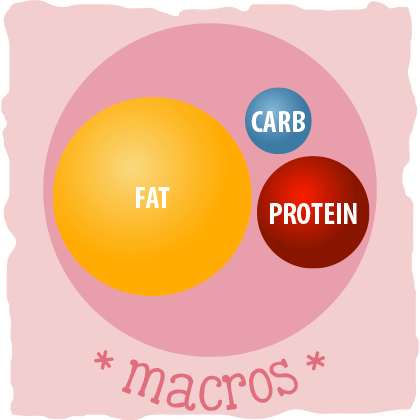
Keep in mind that you have some wiggle room with your macros. In most cases, as long as you’re within 10-15 g of your intake goals for fat and protein, you’ll stay on track!
You can find a more in-depth article on macronutrients and why they are important to us by clicking here.
Should I Limit Protein Intake For Ketosis?
Although overeating protein can indeed decrease your ketone levels, it is difficult to reach this point without trying. In general, as long as you stay within these ranges (and keep your carbs below 35 grams), you should have no problem entering and staying in ketosis:
- If you are sedentary — consume 0.6 – 0.8g of protein per pound of lean body mass.
- If you are regularly active — have 0.8 – 1.0g of protein per pound of lean body mass.
- If you lift weights — eat 1.0 – 1.2g of protein per pound of lean body mass.
For those of you who want more precise protein intake recommendations, the best resource is our keto calculator. From there, feel free to experiment with higher protein intakes while measuring your blood ketone levels if you’d like to find your personal protein limit for ketosis.
What Foods Can I Eat?
This is arguably the most common keto FAQ. The main thing is to stay away from high-carb foods, including sugars, baked goods, flour, pasta, rice, potatoes, grains, and sugar-sweetened drinks.
It might sound so simple when you look at it that way, but you’d be surprised at how common carbs are in our favorite foods. Potato chips, tomato sauce, and even salad dressings can have excessive amounts of carbs in them.
Most of your keto meals will consist of fresh cuts of meat/seafood and non-starchy veggies with additional cheese, fats/oils, and herbs/seasonings.
Click this link to be brought to a comprehensive keto food list to get you started on building a shopping list and meal plan. You can also find our keto food pyramid by clicking here.
Once you develop a better idea of high-carb vs. keto-approved foods, I recommend learning more about clean keto foods and the lazy, dirty keto approach to help you create a balanced keto lifestyle that fits your schedule and food preferences. For more info on clean keto foods and dirty lazy keto convenience options, check out our clean vs. dirty guide.
Do You Have a Sample Menu I Can Look At?
To access all the recipes on a keto menu, check out our recipe catalog.
Or, if you’re looking for keto-friendly options for a specific meal, click the relevant link below:
Keep in mind that the amount of calories, fats, proteins, and carbs change per person. Use our keto calculator and split your macros among your favorite keto recipes to figure out what your personal meal plan may look like.
Is There A Free Keto Diet Plan I Can Try?
If you’re looking for a way to experiment with keto, we’ve put together a 14 Day Keto Diet Plan with a shopping list and budget breakdown. This will help you get a better idea of what an average keto dieter will eat regularly and how it all plays into calculating your macros.
The key with keto meal plans like this is to make it fit into your own macros. That means adjusting the portion sizes to make the calories higher or lower.
You may need to adjust fat content (taking away cheese or fats/oils, adding cheese or fats/oils), change protein content to meet your needs, and adjust the carb count if necessary.

Can I Do Keto If I Don’t Eat Dairy?
Though cheese, butter, and cream are everyday staples, it is surprisingly easy to go keto without dairy products.
Get your fats from coconut, olive, and avocado products, low-carb nuts and nut butters, fresh cuts of meat, and fatty fish. Cook with extra virgin olive oil and refined coconut oil, and try using coconut cream as a substitute for heavy cream. (There are plenty of plant-based keto-friendly cheeses you can try as well.)
For a complete guide on dairy-free keto, click this link.
Can I Do Keto If I’m A Vegetarian/Vegan?
Going vegetarian or plant-based with a keto diet is possible, but it will require a bit more planning and mindful food selection. Since a standard ketogenic diet typically emphasizes meat, dairy, and seafood as primary fat and protein sources, it is crucial to make sure you are getting enough protein and nutrition without excess carbs.
Here is a link to our vegetarian keto guide for a comprehensive outline of how to make it work for you.
Vegan keto dieting will require another step up in mindful food choices and meal planning to pull off successfully. For a comprehensive guide on how to implement a ketogenic vegan diet, click this link.
Can I Use Intermittent Fasting on Keto?
Yes, intermittent fasting and keto diets work wonderfully together!
Not only will intermittent fasting help boost your ketone levels, but the keto diet will help you fast for longer without feeling hungry and tired.
For a complete guide on how to integrate these two dietary approaches, check out our keto intermittent fasting article.
I Just Started to Feel Like Crap. Is This the Keto Flu & What Should I Do?
Keto beginners often experience flu-like symptoms such as headaches, fatigue, and “brain fogginess” as their body is adapting to carb restriction and ketosis. This is typically the result of rapid water and electrolyte excretion.
You can usually remedy this by staying hydrated and eating plenty of electrolytes (i.e., broth, salty foods like bacon and deli meat, salted nuts, avocado, and keto chocolate). These are good things to consume while you’re transitioning into ketosis to help you feel and function better.
MCT oil and keto electrolyte supplements are some other proven remedies that can help with the keto adaptation process. You can find a comprehensive article on keto flu, its symptoms, and cures by clicking this link.
What Can I Do If I Am Constipated?
It’s fairly common for people starting out on keto to have irregular bowel movements. Below is a list of common advice given to people for constipation or bowel movement problems:
- Drink plenty of water with electrolytes
- Eat more low-carb vegetables, nuts, and seeds
- Try coffee or tea
- Take a magnesium supplement
- Take a psyllium husk fiber supplement
Can I Drink Alcohol On This Diet?
Alcohol can be consumed while on keto, but you must be cautious. Most alcoholic beverages are packed with enough sugar and calories to impair your keto results.
The main takeaway here is to stick with unflavored hard liquor. Wine, beer, and cocktails all have carbohydrates in them. Clear liquor is your best bet, but make sure you are steering clear of flavored liquors, as they have added sugars in them.
For specific alcohol drink recommendations and tips, check out our guide to keto and alcohol.
I Stopped Losing Weight. What Can I Do?
Weight loss plateaus are more common than you might think. There are several methods that may help you out – ranging from cutting certain foods out of your diet to changing your eating patterns through intermittent fasting or fat fasting.
Here’s a list of common suggestions that are normally advised to people that aren’t losing weight:
- Recalculate and track your macros for a few weeks to recalibrate your diet
- Cut out some dairy
- Reduce how much fat/oil you add to meals
- Decrease your carb intake
- Stop eating nuts
- Stop eating gluten
- Cut out artificial sweeteners
- Look for hidden carbs
- Begin cutting processed food from the diet
- Switch to measuring instead of weighing
- Start your morning with coffee and ketogenic MCTs followed by exercise
To learn more, read through our in-depth article on weight loss plateaus and how to break through them.
I Am Gaining Weight On Keto. What Should I Do?
If you’re experiencing unexpected weight gain, these tend to be the most common triggers:
- Adding too much fat/oil to meals
- Not eating enough micronutrient-rich foods
- Snacking on high-fat snacks without being mindful of portion sizes
- Overeating on cheat day(s)
- Drinking too much alcohol
- Neglecting the importance of stress relief and sleep quality
- Being less physically active than usual
- Eating too many carbs
Start with the easiest option for your lifestyle and build off of that momentum.
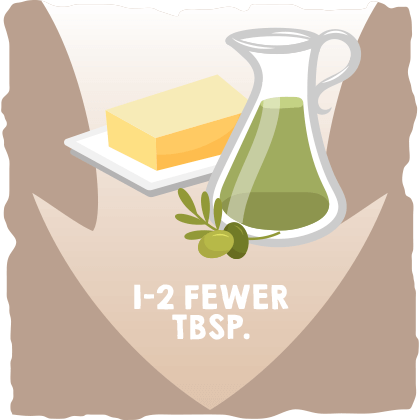
For example, sometimes all it takes is using 1-2 fewer tablespoons of butter or oil in your meals to encourage fat loss again.
To learn about the causes of and solutions for unexpected increases in weight (as well as hunger) on keto, click this link.
Can Athletes, Weightlifters, And Runners Follow Keto?
If you’re someone who does a lot of cardio – endurance running, biking, marathons, or the like — then you don’t need to worry. Studies show that aerobic training (endurance training) isn’t affected by low carbohydrate diets. (Here’s a more in-depth article on training on a ketogenic diet.)
However, if you’re training at high-intensities, such as heavy weightlifting, sprinting, and high-intensity interval training, carbohydrates will help your performance and workout recovery. That means faster gains and better strength and power performance in your training sessions. If you’d like to incorporate carbs into your diet for high-intensity performance, there are two main approaches: TKD and CKD.
- TKD is a targeted ketogenic diet, where you strategically target carb intake before your workout. This will supply your muscles with the quick-burning glucose they need to support high-intensity activity. Once it is used up after you finish your workout, your body will ramp up ketone production again. You can read more on the targeted ketogenic diet by clicking this link.
- CKD is a cyclical ketogenic diet. This is more for bodybuilding and competitors that want to stay on a ketogenic diet while still building muscle with high-intensity workouts. It is also used to shed or increase water weight as needed for weigh-ins and aesthetics. In this method, you stay on a regular ketogenic diet for a period of time (usually 5 days) and then do what is known as a carb-up (usually two days or the weekend). In a CKD, you are essentially replenishing all of your glycogen stores for your high-intensity training sessions during the week. You can read more on a cyclical ketogenic diet in the article I wrote.
For everything you need to know about exercising on the ketogenic diet in one place, check out our comprehensive guide on the subject.
What Will Keto Do To My Blood Sugar Levels?
Limiting carbohydrate intake typically results in a subsequent decrease in blood glucose levels. This is why diets that limit total carbs are often recommended for managing type 2 diabetes and can be used as a strategy to reduce insulin requirements in type 1 diabetes.
In fact, some research suggests that the keto diet effectively manages and, in some cases, reverses type 2 diabetes.
What Supplements Should I Take?
Sometimes we can get cramps or just not feel “right” after starting a ketogenic diet. Some supplements that are commonly suggested for keto dieters include:
- Multivitamin for Women
- Multivitamin for Men
- Magnesium Supplement
- Vitamin B Complex
- Vitamin D Supplement
- Potassium Supplement
Always check with your doctor before introducing vitamins into your diet.
For an in-depth look at the best supplements for your keto lifestyle, check out our keto supplements guide.
Should I Take Exogenous Ketones And/Or MCT Oil?
You’ll come across many keto diet supplements that claim to boost ketosis and fat loss, such as keto pills, exogenous ketone salt powders, and MCT oil.
Exogenous ketones and keto pills will boost ketosis, but they will also impair your natural ability to produce ketones in the process. This is why we recommend supplementing your diet with ketogenic medium chain triglycerides (MCTs) if you want to boost nutritional ketosis and energy levels.
Ketogenic MCTs are a type of saturated fat that can be directly absorbed into the liver and converted to ketones. To put it more succinctly: Ingesting ketogenic MCTs will help enhance ketone production and support your body’s ability to enter and maintain nutritional ketosis, while keto pills and exogenous ketones will not.
For a closer look at ketones and ketone-boosting supplements, check out our comprehensive article on ketones.
Can I Eat Sugar-Free Sweeteners And Sugar Alcohols On Keto?
Yes, but not all “sugar-free” sweeteners and sugar alcohols will have the same impact on our bodies. There are a bunch of low-calorie sweeteners and sugar alcohols on the market now that will contribute more net carbs to our diet than they claim on the label.
For this reason, we recommend sticking with pure erythritol, monk fruit extract, and stevia (or a blend of these natural keto sweeteners) because they typically don’t cause blood sugar or insulin spikes. When used in combination, they seem to cancel out the aftertaste that each has and sweeten just perfectly.
For a comprehensive look at all of the best and worst sweeteners for keto, click here. In this article, we break down every popular sweetener along with its carb content and glycemic index to give you a better idea of what you should use and what you should avoid.
Common Keto Diet Terms and What They Mean
- AS: This means Artificial Sweetener, which is a category of sweetener that doesn’t exist naturally and is used to sweeten our foods with a reduced or zero carb count.
- BHB: Beta-hydroxybutyrate. The primary ketone that our body uses for energy. The main ingredient of exogenous ketones (which are not needed).
- BPC: This is known as Bulletproof coffee. We adapted the recipe to make it more ketogenic with our Ketoproof Coffee recipe. Essentially, you’ll be blending grass-fed butter, MCT oil, and coffee with an emulsion blender to help up your fat content, boost ketone levels, and give you a “full” feeling through the morning.
- CICO: Calories in, calories out. The basic idea is that energy stored = energy in – energy out.
- CKD: Cyclical ketogenic diet. Alternating between a standard keto diet and a higher carb diet to help aid high-intensity exercise performance.
- Fat Bomb: These are generally packed full of oils and fats to up our fat content for the day. Some people have trouble keeping up with their fat content, so they make a fat bomb to help them out. Here is a delicious fat bomb recipe for you to try. You can find more recipes and DIY options in our keto fat bomb guide.
- Gluconeogenesis: the biochemical process of breaking down amino acids into glucose. Click here if you’d like to learn more about this process.
- Glycolysis: the biochemical process of breaking down glucose into energy.
- HWC: This stands for Heavy Whipping Cream. Just ordinary cream that, for a lot of us, is a daily staple in our coffee and keto diet.
- IBS: Irritable bowel syndrome. Depending on the person, keto can either improve IBS symptoms or aggravate them.
- IF: The abbreviation for intermittent fasting. This is a diet approach that can be used to increase fat loss and ketosis. There are many IF approaches; the most common is being a 16-hour fasting window followed by an 8-hour feeding window. Learn more by checking out our complete guide to IF on keto.
- IR: This relates to insulin resistance. This is when the body’s cells cannot properly respond to the insulin hormone.
- Keto: Ketogenic. A shorthand term that many people use.
- Ketoacidosis: a metabolic state where an unusually high concentration of ketone bodies leads to acidic blood levels (which can be lethal). This typically only happens in diabetics.
- LCHF: Low Carb High Fat. This is the most sustainable approach for nutritional ketosis.
- MCT: Medium Chain Triglyceride. These can help boost your metabolism and are quite unique. When they are metabolized, they can be turned into ketones straight away. The best MCTs for boosting ketone production are caprylic acid (C8) and capric acid (C10).
- Micro: Micronutrients. The vitamins and minerals that are in our foods.
- Net Carb: The carbs in food that can negatively impact ketosis. To find the net carb content of any food item, you will subtract the number of grams of “Dietary Fiber” from the number of grams of “Total Carbohydrate.”
- NSV: Non-scale victory.
- RDV: Recommended daily value.
- SAD: Standard American Diet. The typical diet of most Americans.
- SF: This means Sugar-Free. There are a range of sugar free foods that a lot of people consume, normally containing artificial sweeteners.
- TKD: Targeted ketogenic diet. Intaking carbs prior to a workout. Usually used with moderate-high intensity workouts when a standard ketogenic diet is not giving enough energy to get through them.
- WOE: Way of Eating. This is just a term used to reference someone’s diet.
Terms Related Fat and Fat Intake
Triglycerides: 3 fatty acids attached to a glycerol backbone.
Fatty acids: the fats that we digest from the foods we eat. The three main fats we get from foods are:
- MUFA – Monounsaturated fatty acid.
- SFA — Saturated fatty acid.
- PUFA – Polyunsaturated fatty acid. The two types of polyunsaturated fats are omega-3 and omega-6 fatty acids.
Omega-3 – Omega 3 Fatty Acid. There are three types:
- EPA – Eicosapentaenoic acid.
- DHA – Docosahexaenoic acid.
- ALA – Alpha-linolenic acid. Only available in nuts and seeds.
Omega-6 – Omega 6 Fatty Acid. Here are the most common types:
- GLA – Gamma-linolenic acid.
- CLA – Conjugated linoleic acid.
- LA – Linoleic acid.
- ARA – Arachidonic acid.
If we didn’t answer one of your keto questions, search our keto diet knowledge base for the answer or leave a comment below.
I am new and went through your FAQs which I found very helpful. I signed on to My Fitness Pal but the version I got only counts calories andnothing else. Is there another site you can recommend?
Lynn,
Thanks for the positive feedback! If you check the question on counting your macros, there is a link to an article I wrote on how to setup your macros in MFP. You have to set it up on your desktop computer first, then it will transition over to your mobile app. You should have no problem with the mobile app, but if you do think it’s too hard to use – you can try FatSecret. I personally haven’t tried it, but I see it being used as the second choice to keto-ers. Best of luck and let me know if you have any more questions!
This is great information and will help me out a lot!.
Craig, this website is fantastic. I wouldn’t have made any attempt to do keto without your information. It’s very thorough, thank you. However, I don’t understand the math part of it. By that I mean, I used the keto calculator and my macros came out to: Calories: 1498. Carbs : 20 g, 5%, Proteins: 83 g, 22%, Fats: 120 g, 72%
So I have been using your Seven Day Meal Plan and trying to adapt it (thank you again) but I don’t understand how to figure how to portion out my calories into 5%, 22%, and 72%. Another thing, with each meal that I eat do I need to stay at those percentages to keep it balanced at every meal? Or at the end of the day does it just need to jive with my keto calculator numbers? I’m so confused by the math. How do I figure what percentage of fat I’ve eaten if the lunch or portion had 75 g of fat in it? Sorry for all my confusion, but I want to understand it and move forward. Thanks
Lauren,
Thanks for visiting, love hearing feedback from people! First let me say that the “end of day” macros should be like that. Keep in mind you have a bit of wiggle room either way – towards proteins, fats, and a few extra carbs. You should just have -about- an average of those macros.
So, each meal doesn’t need to be exactly those percentages. One meal can be almost all fat, while another higher in protein. If you’re following the 7 Day Plan (I need to write another soon, with more updated recipes!), then you can just portion out servings that come close to what you need. If you need more fats, add some butter/ranch/sauce that’s high in fat. If you need more protein, add some kind of meat that will bring you up to level. As for carbs, well you shouldn’t “need” to add any carbs.
Hope that answers your questions, but if not feel free to leave another comment 🙂 All the best!
Do we eat 20g or 30g of carbs. You stated 20, but then said 30 when talking about veggies. Thank you so much in advance! ! This was very useful information.
Tameka,
Generally it’s recommended to eat 20g in the beginning to get yourself into ketosis faster. But once you’re in ketosis, you have a tad more leeway. The “rule of thumb” is to eat around 20-30g of carbs per day, so it’s really up to you. Personally, I eat around 20g a day 🙂 Thanks for reading!
Hi Craig and thanks for all of your guidance. It’s very much appreciated. My question is, When in a state of ketosis, do energy levels rise back up to normal (normal being that which your muscles are full of glycogen) or will the lethargic feeling that I’m experiencing now, continue? I’m 5 days in. Thanks
Simon,
Are you talking about in general or in exercise? Both, in general and in exercise, will improve. Make sure you’re replenishing your electrolytes by eating salt and drinking it if you need it. Are you doing strength training? It so, then you might notice a slight decrease in performance once your body becomes keto adapted.
Awesome info and site. Very informative for us newbies just starting out by far the best put together keto site so far I come across in my research.
Thanks a lot! I put quite a lot of work into it to make sure it gives a lot of info and recipes 🙂
I also find the calculation of things an absolute nightmare.
So I have to have 20 g of carb – I don’t even know what that looks like. It seems next to nothing – then 94g of protein – does that mean any protein which weighs 94g? Like cheese or chicken or egg? Then 142g of fat – how on earth do you count that in butter on your veg or olive oil frying your egg or coconut oil over your broccoli? Some good photos of what these abstract measurements actually look like would be truly useful.
I’m really inspired to try this as I have a lot of weight to lose BUT I’m too confused by it all!!!!
Stella,
Normally what I suggest to people on this calculator is to do 20% calorie deficit and 0.6g protein per lean body pound ratio.
The fats just come with the job – coconut oil, butter, olive oil, salad dressings, etc. Trust me, it adds up quickly (and easily). You can measure tablespoons or oils and butter easily (markings on packages, tablespoon measurement spoons, etc).
Try reading a couple of other articles around the site – should help out a lot.
All the best!
This information is so helpful! I have epilepsy and have been on medication for a few years. My meds have stopped working and I don’t want to put up with the nasty side effects of medication anymore. I have heard this diet works wonders for seizures. I can’t wait to give it a try and see if there is a difference!
Awesome Katie! I hope it works out for you, it’s a great diet and does help out a lot with epilepsy for most people – best of luck 🙂
Hi Craig,
I soo appreciate your help and support. Thank you! I have been reading thru your recipes and I am wondering about the “Low Carb Pita Bread” on the Mini Pizzas and some of the other things with low carb catsup, etc.. I thought we were suppose to stay away from grains and those kinds of items like bread.
Also, is Splenda really that good for us> What about Stevia? I heard that was better to use?
Thanks for your help…I know I feel like I am slow at all of this
mary
Mary,
Thanks! A ketogenic diet doesn’t always avoid grains and gluten, but many choose to do it. Though some of these recipes you’re talking about are my oldest on the site. All of the newer ones (for the most part) are gluten and grain free. Splenda is something you have to decide on yourself. It’s chemically made, rather than natural (like Stevia), but I will still use it sometimes when I must. Most of the recipes nowadays use erythritol and stevia, which both have a glycemic impact of 0 and are both natural.
i heard that high protein can be bad on your kidneys. is that true?
Sunny,
Keto isn’t exactly high protein – it’s moderate protein. But as long as you are drinking adequate amounts of water, then there is nothing to worry about.
Hi Craig
Thank you for the wonderful FB page
Please see my questions
How frequent should i measure my blood ketones a day, how many time?
When is the best time to measure( fasting, before meal, after meal or night time)?
How would i know if my ketones numbers ( used to be between 1.0 to 2.8) are from body fat burning not from the Fat i consume in the meal, i am asking this cause i discover the mu numbers goes up after 2 hrs of lunch for example ( cooked with butter or coconut oil) and for more than a 2 months with good numbers in the blood meters but not a single pound lost
Thank you
Hey,
You only need to test every so often (once every few days really), because the strips are really expensive. The numbers you want are listed inside the article, so I would suggest going back and reading for them. Best time to take measurement in a little while after eating.
If you’re not losing weight and you’re in ketosis, it could be a number of things. Are you overeating on calories? Are you eating a lot of dairy? Check out the other articles on the site (weight loss plateaus) and it should help you out!
Craig,
This is such a great resource, thank you!!!
I am only on my third day, but I believe this to be very do-able and am excited to continue. Have experienced some headaches, so thank you for the forewarning as I would have been concerned otherwise. Now I’ll just wait til they go away.
Here is my questions: On your webpage it has 1/2 cup Broccoli and 1/2 cup Cauliflower listed about 1.7 g of carbs. On the myfitnesspal site, it states 10 g of carbs for the same amount of Broccoli & Cauliflower. This is a pretty significant difference. I would like to know what is accurate as this will be one of my staples.
Again, Great site, Thanks
Marianne, glad to hear! If you keep your salt intake up your headaches should go away. As for the cauliflower and broccoli, this refers to the florets, not the stem included. The florets are mostly the leafy parts of the broccoli and cauliflower, so they have less carbs 🙂
Why stop eating nuts?
Sean, only if you see yourself at a stall point. They can commonly be involved in weight loss stalls, so cutting them out often helps if you consume a large number of them.
Alrighty Craig, I keep that in mind, thanks
hi craig, im new to this diet, only one week in but seem to be managing it well so far ! i always had what i would call quite a good diet, i kept my carbs low but did eat a lot of fruit and veg ..and sometimes a lot of cookies and chocolate!! which was why i was never losing weight. i feel great on the keto diet but its still early days. there is one thing im missing though and thats eating apples… i really love them ..can i have one on this diet or would that set me back?
Margaret,
Sorry to say but apples will set you back. It’s best to avoid fruit on this diet, especially in the early days. Maybe 1 month in, you can eat some berries (they are relatively low in carbs), but apples are not really great. Glad to hear you’re enjoying it so far!
Thanks Craig, i kinda figured that..no biggy though, Im managing fine on just a small amount of raspberries and a few strawberries each day especially if I have a small amount of thick double cream with them ! mmmmm and this is a diet!!! it doesn,t feel like it and Im not missing the chocolate or cookies at all ! Thanks again Craig. ps your web site is a god send, couldn.t manage this without it x Margaret
Thanks Margaret! Since it’s early days for you in the diet, I would suggest cutting all fruit out of your intake for at least 3-4 weeks, though. It will help you become fat adapted quicker.
Craig, LOVING what I’m reading as I’m very interested in adopting a keto lifestyle. Thanks for all the helpful (FREE!) info. I will definitely be referring my friends and family to you. Couple of questions:
1. I haven’t received the seven day keto plan via email, and it did not go to my spam folder. I added your email address like you said to do. Wondering if I just need to wait longer? It’s been about an hour since I confirmed my email and read the response that said the plan would be sent in “about 1-2 minutes.”
2. I am currently nursing an 11 month old baby and wonder how and/or when I need to begin this plan so baby gets all she needs while at the same time I lose the rest of my weight (Beginning: 219 lbs. Current: 164 lbs @ 37% body fat. Goal: 135-145 lbs). I read the FACTS link and didn’t see anything about breastfeeding moms. Would love any links or helpful info you have on success/safety of keto eating while bfing. I would like to begin right away, but if it will hinder milk supply or my weight loss will not take place until I wean the baby, I can wait. Any tips?
Mollee,
First, thanks for the awesome words!
1. Check your “promotions tab” in gmail. If you still haven’t received it, try signing up again. If not, send me an e-mail and I’ll send it to you personally.
2. For babies, there’s not so many studies I’ve come across that haven’t been for “normal” developing children (without some type of disorder/disease) that I’ve come across. But, if you think back to the time of hunter gatherers, you’ll know that they were on a very similar diet and had no problems (obviously). But, my best suggestion would be to keep away from processed foods as you’re nursing. Stay with real food could be quite important with developing children. I’ve read many cases of people raising their kids from conception to years in without problems, but they are only 1 person and not a true scientific study. So I can’t truly give you advice on this matter, it’s more of a personal decision.
Hi Craig – DJ Foodie was right – you are an awesome resource! I love having so many low carb recipes available and I am really enjoying your recipes. Sometimes life intervenes and I don’t get to take my lunch to work or cook dinner. I try to avoid most carbs in these occasions by ordering salads or an omelet with meat and cheese. My first week I felt awful and was quite dizzy. This is my second week and I have had a few dizzy spells but not like last week. I am finding that my arms and shoulders hurt and are weak – I don’t work out, so it isn’t related to that healthy habit. Washing my hair is a challange in the shower because it hurts to raise my arms and keep them up – is that a normal side effect? Should I be concerned? I have been in ketosis since the 3rd day if that matters.
Hey Lynda, thank you! What I suggest is taking a magnesium supplement and also upping the amount of salt you have. This should help with the dizzy spells and such, and should help with the arm pain. I’ve never heard much about arm pain like that, but it may be from magnesium. You can also drink low/no carb sports drinks instead of upping the salt as these have sodium added to replenish your electrolytes.
Let me know if you have more questions and I’ll try to help out! Thanks for coming to the site 🙂
Yep, here is another one for you Craig – I have trouble with the bp coffee – makes me sick to my stomach. I foresee this as a problem next week when that is supposed to sustain me thru the day. Suggestions that won’t mess things up? I currently take a magnesium supplement as well as 3000 mg Vit C, 2000 D, B12 and DHEA. I’m a bit of a mess and am trying to get my body and mind in better shape.
Thanks!
Lynda
Lynda, some people just have problems with coconut or MCT oils. Usually I’d suggest to try to work your way up, so I still suggest that. Try to work your way up (smaller portions of fat between 2 hours window in the morning).
Just a quick question, I’m an endomorph 5’9″ 175 getting into keto and I lift heavy weights an average of 5 days a week, though I’m not a competitor. I’m going after a fitness model/bodybuilding physique so I’m not sure whether I should do CKD or TKD. Any thoughts? Also, is it essential to eat 5-6 meals a day like I see most keto people doing? That seems very tedious and stressful. Could I do maybe 2-3 meals a day or intermittent fasting? Thanks a lot for your site, it’s so helpful!!
Joseph,
You could easily try to do a standard ketogenic diet to begin with. You’re going to be pretty tired in the gym until you become fully fat adapted (which can take 4-6 weeks in total) but afterward you may not even need CKD or TKD. As for eating 5 meals a day, you don’t need to. You can do 2 large meals a day, 1 large meal a day, or 10 small meals a day. Whichever works best for you 🙂 Thanks!
Craig I dont know if you can help me with this but I’ve got that rash that some people get when they have gone into deep ketosis 🙁 .The itching is terrible on my chest and arm pits. Have you ever experienced this and what advice have you got please. I dont want to give up on this diet as I feel great on it and I dont crave the demon sugar anymore, if I go back to my old diet I know I’ll start binging again 🙁 Help !
Margaret,
I suggest visiting a doctor to see if you have some allergies to something that you’re eating. I have seen a few other cases of rashes but I don’t think it’s primarily associated with high fat, rather some of the foods you may be consuming.
Thanks Craig, It may have something to do with lack of vitamins. I went a bit mad lately with my diet, I wasnt eating any carbs hardly at all !, basically just fat and protein. Since then I’ve up’ed my green leafy veg and started on a multi vitamin. Also I think I need to read over all info about keto again and understand the diet and the science behind it a bit better… I realise now this is not something you just throw yourself into willy nilly :/
Sounds like a good idea, Margaret. Understanding everything that happens will surely aid in success, too 🙂
Hi craig
So i know coconut oil is great for keto but what about cocnut milk coconut juice? Or even coconut meat? I love drinking coconut juice and there are tecipes i used in the past that requires coconut juice. Is this ok? Of is there too much sugar? Stupid question…..coconut milk and juice are the same?
Hey Andy, coconut juice (coconut water) is usually pretty high in carbs. As for the meat, you can normally eat some, but if it’s fresh from the coconut it might also be a bit high in carbs – I go for unsweetened coconut flakes for this purpose.
As for coconut milk and coconut juice, they aren’t the same. Normally it’s a mixture of the water and meat. You can also get coconut cream which has some carbs but a lot of fat (if you buy the coconut milk in a can, the cream sits at the top).
Hope that helps!
Hi Craig, thanks for your prolific website on this topic. My concern is congestion / toxicity in the internal organs due to lack of fruit which is naturally cleansing.
What do you think about a “high carb day” in which mostly fruits are consumed? This will help to activate elimination countering the constipation / congestion that can accompany the ketogenic diet.
I understand this would take one “out of keto.” but could be followed by a one day fat fast.
What do you think?
Kamala,
There is plenty of micronutrients in the food you eat on a ketogenic diet also. You can sub in organ meats to get a plethora of micronutrients into your system without ever needing fruit. I am not that big of a fan of carb up days, but I do know that there’s plenty that do them. My advice: stick with it, without carbing up. But you’re your own person and you can decide what you think it best.
Hi Craig, I actually wasn’t referring to micronutrients but to detoxification. The Keto diet causes constipation. Unexcreted feces can cause auto-toxicity, to the liver and on to the blood stream. Fruit is the most cleansing food. I was just wondering about interrupting the ketosis periodically in the name of “house cleaning.” Fruit is light healthy food. Sounds like you don’t think it has a place at all. Any additional thoughts? Many thanks.
Kamala,
Micronutrients can come from vegetables, fresh herbs, and organ meats. More-so than fruit offer. Pro-biotics and fermented foods can help with regulation of the GI cycles and decreasing fiber can also help if you find you’re not regular. I don’t think fruits are exactly needed to get the micronutritents and cleansing properties they offer, as you can find them elsewhere. If you want to cleanse the liver, you can also bring in things like milk thistle, green tea, or acidic foods like lemon and lime in moderation.
What is the best way to transition off the keto diet and back into a maintain phase?
Ryan, you can still maintain on a keto diet. But some people transition over to a paleo diet. Personally, I’ve been maintaining for some time now on keto and enjoy it.
How long do we have to keep Keto diet? is it just for those witn high level of over weight or forguys with 4-5 kilos over weight will be fine?
Nana, there’s so many health benefits to this diet that you could stay on it forever. It’s quite easy to maintain weight on this diet (I have been on it for 5 years). You don’t have to need to lose weight to be on this diet, and there’s quite a number of people that stick to it for the rest of their lives.
Hi Craig,
I’ve been doing this since March 1st and for the first time my ketones are finally in the optimal zone, got 1.5 today. My question is once you are deep into ketosis should you lower your fat grams so you burn stored fat or continue with macros as they are set? I don’t understand how you start to use your stored body fat when you are eating so much fat.
Thanks, Krista
Krista,
If you’re in a caloric deficit, then you shouldn’t need to reduce fat grams (in essence, this is already a reduction of your fat grams). Pretty much what you want is this: Your body becomes fat adapted and is effectively burning fat as a source. You’re giving your body enough fats to burn for energy (from dietary fats) but not enough to fully cover your BMR. Giving your body enough good is important because a large caloric deficit can create some metabolic damage – and that is the opposite of what we want. You just want a slight deficit so that your food covers most of your energy expenditure, but your fat stores are still used to cover the rest. Solid and consistent weight loss takes time.
Hi Craig. Just want to thank you for all your great info and resources. Ive been following the lchf diet for about a month and seemed to have lost about 8 pounds. I dont seem to have lost any inches. I just fou.d your website a few days ago and will be starting over tomorrow. Since ive been off sugar this long I think it should be quite simple. My question is though is when you mention eating coconut oil daily do you mean spooned out of the jar? Or is there another way? Seems unflavorful. Besides BPC, how do you get additional dose?
Hey Alli,
It can be, but it doesn’t have to be. Many people use them in the form of fat bombs (coconut oil, cocoa powder, stevia mixed together and refrigerated or frozen). There’s also cooking applications with it where you can saute vegetables in coconut oil – thai dishes where the flavor works very well. There’s a bunch of different ways 🙂
I just wanted to ask if I took a tablespoonful or two of olive oil a while (maybe 10 minutes) before I ate my meal, would it be absorbed first and make my ketogenic diet able to be a little bit more lax. Because I don’t think I will be able to follow such a diet which has such a narrow food variety. All this oily stuff is already making me nauseous 🙁
That depends on a lot of factors, so I can’t say for sure (and it most likely wouldn’t be) absorbed within 10 minutes before eating a meal. I personally think keto has a huge food variety, but you have to be willing to experiment. If you’re feeling nauseous, it could be for others reasons – or just that you are not making balanced meals.
I love this woe. It is somewhat of a struggle since I choose not to eat meat. But, I am getting thru with results that make me very happy. However, I am beginning to retain water. I am an avid water drinker….60 – 120 oz a day. Any advise to help with this?
Jackie, keep an eye on your carb counts. Normally vegetarians need to keep a close eye on their carb intake since they’ll be eating a larger amount of vegetables. That may help with the water retention. Also, make sure you’re getting enough salt in your diet.
Thank you for the information. I was wondering if it would be benificial or detremental to use Muscle Pharm Shred Matrix while on keto?
I looked up the nutrition on it and it seems like it’d be fine to take in conjunction in keto.
Yeah as did I, I am just paranoid. Second opinion helped. Thank you! 🙂
Heh, no worries – feel free to ask more questions 🙂
I just want to ask a question that’s been making me feel I might not be able to sustain this woe. My question is : when I become fully fat adapted ( maybe in 4weeks, as I’m currently on day 14of eating. 15g net carb), can I up my net carb to 30g and can these carb include some veggies and fruits that are discouraged or not allowed on this diet like sweet potatoes and low GI fruits occasionally? I hope you understand my question. I have been on low carb before but not as low as this and I’m used to cheat meal on weekends. I also fast for 24hrs after the cheat day. If I don’t do this I get frustrated and feel deprived which causes my body to react in funny ways. My body doesn’t like too much restriction as I’m a lover of fruits. I can do once in a week or two weeks but I’m thinking I might not be able to do forever not taking fruits.
You can include some fruits, but you don’t want to over-indulge on them. You can have 1/4 cup every so often (2-3 times a month), but I don’t really suggest having fruit on a daily basis. Even low GI fruit is high GI compared to many other foods that we eat on keto. As for potatoes, these should be avoided completely.
You can increase carbs slightly, but this is generally for more vegetables if you want it, or to get a few extra treats into your diet if you -need- it. I don’t suggest doing cheat days because this can interrupt your fat adaption. But to be honest, a lot of people go on this diet for health reasons and not only to lose weight. If you’re looking to lose weight, you can do this with many different ways (weight loss is not mutually exclusive to keto). You should understand why people go keto, and understand the health benefits of it – and why you wouldn’t want to/need to include fruits and starchy vegetables in your diet.
Otherwise, you could look into paleo or primal diets, which would include fruits and starchy vegetables. This might be a better thing for you if you can’t see yourself doing this. Being miserable on a certain WOE is just not a proper way to live.
There are so many different “macro calculators”. I was following a couple of different ones because the calories were lower. I had about 1lb. of weight loss over the past couple of months. I’m now using the calculator on this site. I’ve gained weight as I expected due to the increase in my calories. How long should it take me now to get into ketosis?
It should take 3-5 days to get into ketosis (the beginning stages) and 4-6 weeks to become fat adapted (where you’re using that fat efficiently).
I am in my second week. I am not sure if I am in ketosis yet and trying to find the right balance of macros. I actually ordered a blood ketone meter and should have it tomorrow. My question pertains to the long term.
After 4-6 weeks and you are fat adapted, do you have a higher carb meal or indulgence once a week (like pizza or dessert) and do you go easily back into ketosis the next day?
Thanks for your help! Great website!!!
Well, it would be a little counter-productive to carb load. You would get into keto faster, but you’d also not be in keto for a few days at a time, which will really go against your weight loss goals.
As for eating higher carb meals, your body can normally withstand them, but it’s not recommended.
Hope that helps 🙂
I didn’t mean for carb loading. Just in terms of maintaining ketosis as a lifestyle for the long term. Like on a Saturday night (in 4 weeks or more) if I have a couple of slices of pizza or dessert. Just trying to plan beyond the 4-6 weeks so I know what is maintainable for the long term. Basically, do you personally stay in ketosis all the time?
Thanks again!
Hey April,
I understood what you meant. Many people carb load (which is pretty much going off of keto once a week), but I don’t agree with it. I’ve been around keto for 6 years, though I’d say 1 1/2 years of that I went off for a while. Now for the last 2 years I’ve been strictly on keto and don’t bother with carb loading, or “treating myself” (I put that in quotes because I do still eat treats, they’re just keto treats).
In general, after reading all the studies, science, personal anecdotes, etc. that I found, I just don’t see the need for carbs. Personally, I feel a lot better when I eat this way. Being in ketosis isn’t unhealthy, and it’s definitely something you can do long term. When I hear you say pizza and dessert – I just think “Well, I can do almond flour pizza” or “I have cookies, candies, fat bombs, etc. that I can make”. It’s all about your own attitude and what you want to achieve with keto – if it’s just a short term thing for weight loss, then sure you can go back to eating high carb afterward. If your long-term goals are overall health, then you’ll find ways to get what you want without having to eat grains, carbs, and processed foods.
To answer your question, yes – I do stay in ketosis all the time. Once I set my mind to it and started experimenting with foods, I just don’t find it hard 🙂
Thank you for your detailed response. That’s really helpful information. When I commit to something, I commit for the long term as well and like to be mentally prepared for the long term.
You’re very welcome – always feel free to ask questions 🙂
Hi, Love your site and the recipes. I started the Keto diet three weeks ago. Lost ten pounds the first two weeks. My keto stix is in the small range (slightly pink). Now, I’m at a stand still. I’m doing the same thing, eating the same amounts and have increased my exercise.
What should I do to get things moving again?
Also, I bought your first cookbook but my ipad was destroyed. Could you send me another copy?
Thank you. Awesome recipes!
Victoria
Victoria, stick with it and continue doing what you’re doing. It’s common to lose a lot of weight in the beginning (as it’s usually water weight). Make sure that your macros are correct using the keto calculator, that you’re drinking enough water, and that you’re supplementing a multivitamin as needed. Not losing weight for a week or two after the first 1-2 weeks is relatively common, known as the “honeymoon” phase.
Also, can you send me an e-mail about the ebook? I will look into it from there.
Thank you for an informative page. I use the ketogenic diet to starve my cancer cells!
Doctors are so impressed that the cancer tumours have shrunk and some have even disappeared – no chemo, purely LIVING HEALTHY…. NO SUGAR AND NO CARBS – superfood feeders for cancer …
That’s awesome news Shelley! Super glad keto has had an insanely positive reaction on your body – and I hope it also brings in questions from other doctors around the country to giving more funding for keto and cancer. Keep it up!
I’m new to Keto; just finishing my 5th week. I lost 15 pounds fairly quickly – now have put a couple back on. I’m not really worried about that; what I am worried about is how exhausted I feel.
At first, I was mainly cutting back on carbs and eating more fat – not paying much attention to protein. When the exhaustion continued past the initial couple of weeks, I used an online calculator to figure my macros and started paying strict attention to everything. I have days when I feel about normal and days when I’m just dragging one foot after the other.
Then I thought it was my electrolytes so I used a Keto electrolyte balancer I found online. That helped once but now I take magnesium, use no-salt potassium and make sure I get plenty of salt and the balancer didn’t make a difference the last couple of times I used it. I drink plenty of water, over 100 ounces a day.
I eat about 15 carbs a day, usually a little less – I have quite a bit of weight to lose. I’ve completely eliminated sugar and wheat flour – I did low-carb about 30 years ago and, while I lost weight, I couldn’t maintain – too many cravings. I know now that my mistake then was to make room in my daily carbs for a teaspoon of sugar in my coffee and a half piece of toast with my eggs – just enough to keep those cravings turned on.
I eat a variety of food – I like to cook so have experimented with making yummy keto-friendly dishes.
Do you have any suggestions to increase energy? I know I’m in ketosis because I finally broke down and bought some strips, just to make sure. I keep waiting for that energy that a lot of people talk about with keto. Keto is a permanent choice for me and I don’t want to drag through the rest of my life!
Raylene,
It sounds like you’ve tried the vast majority of things that are available to you. Normally if it’s not too much protein, I go straight to electrolytes. Are you sure you’re intaking enough calories?
Thank you for taking the time to respond, Craig. I really appreciate it – and your continued support of the Keto community.
I’m not sure about calories – I’ve stayed away from counting calories because it’s so reminiscent of so many diets that have failed, I didn’t want to start that mind-set.
And I eat such rich, fatty foods it’s hard to think I wouldn’t be getting plenty of calories!
I guess when I think about it, though, I rarely get hungry, so I don’t eat that often in a day and I don’t eat very big portions. Really small portions compared to what I used to eat on a SAD, but so filling! Hmmm….is it possible I need to eat more calories? Talk about an “anti-diet” – I love it!
I did drop .8 of a pound this morning after steadily climbing last week over 2 pounds. Maybe this means I’ve left the keto-adaptation phase and moved into full adaptation?
I’d suggest just tracking what you’re eating so that you can see how much you’re actually taking in. I see that many people that start keto do well at first, and then start to slip and allow for some hidden carbs and extra protein to come into their diet without them really realizing it. If your calories are too low, though, then that would be an explanation of your energy levels too.
Maybe just track for a few days so that you can gauge where you’re at and then adjust if needed? 2 pounds in general really isn’t very much – water weight can fluctuate more than 2 lbs. on a daily basis. So it’s really what you think would be best.
Okay, I’ll give it a try, just to see if I’m eating as much as I think I am. Thank you again.
Sounds like a plan – let me know how it goes.
You were right, I’m not eating near as many calories as I would have thought. Yesterday I was right around 1100.
I made some fat bombs but now I’m wondering about eating too many calories – will that keep me from losing weight at all?
Is eating a Keto diet really such a balancing act or will it work overall if I just keep my carbs down and my fat up? I’m as interested in the health benefits as I am in taking off weight.
Yes, eating too many calories will hinder weight loss (and you can gain weight on keto, contrary to what many say). So you have to find that balancing of how much you actually need. Normally it’s not a hard battle, but for weight loss I generally recommend tracking. Once you hit maintenance, I just say “eat when you’re hungry”. It normally evens out quite well.
It’s really up to you, but in general you definitely want to keep fats high and carbs low. Protein being moderate, of course, as overeating can lead to being knocked out of ketosis.
Possibly you are just vitamin/mineral deficient. You should try taking a good bio-available multi-vitamin/mineral supplement. Again, each person is different and some of us are deficient in one type where another is deficient in another. If you don’t have the wherewithal to spend the time to figure out what you need personally, then a good broad vitamin/mineral supplement… bio-availability is important.
Good luck.
We are all different and this is just my humble opinion.
I have been following my own form of a Keto diet for over a year now and have been cured of all types of metabolic disorders, have just about perfect blood tests, and have lost 50 pounds. I read about a lot of different diets that advocate other things, e.g. juicing etc. and Weston Price’s observations of more isolated societies that have good health on a variety of diets. It seems to me that the common thread in all is basically clean foods. Plants grown in nutrient rich soils, meats in the absence of hormones, antibiotics, pesticide riddled feed stocks, etc.
Since there are advocates with research to support each type it seems to me there is more to it than just one answer, even though I like simple. I also wonder about stalls if that is not just the body’s way of saying enough is enough. Even though I don’t experience stalls, I have read it is a problem for some.
Even though I believe in the benefits of a Keto diet, I cycle on and off it. I stay on until I lose about 10 lbs, then slowly leave the cycle and then I allow myself things like fruit (particularly berries) and some indulgences. I let my body adjust to the new weight for a couple of months and then do it again. For me only, it allows me lose weight in a manner that I never regain even off cycle, with indulgences, and my health just gets better and better. However, I still avoid sugar and starchy carbs even off cycle, but use organic foods almost all the time. Psychologically, it allows me the comfort of knowing I will not be depriving myself of everything for the rest of my life. I can indulge, with moderation, without apparent consequence. Also, what I find is that as time goes on, those indulgences are of less and less importance in my off cycle. I find I don’t crave them like I used to. It seems as though if you give your body and mind plenty of time to adjust to weight, to ways of eating, etc., your body and and mind accepts it as normal, without revolt in either.
I have read up on many forms of advocated nutrition and chose Keto for my mainstay, although things like clean whole foods I believe have their place. I see benefits in many things, but don’t always agree with everything. For instance, the GAPS diet holds a lot validity in my way of thinking since pesticide burst open the stomachs of pest insects and then has proven to be the “real” cause of Colony Collapse Disorder in Bees. So why would it not affect the lining of our stomachs? Probably, even though not accepted generally, many of us have leaky guts. What I don’t agree with is taking probiotics when your gut is leaking. Cure it first, then look to good strains. Even commensal bacteria would be seen as an invader to our immune systems if it is in a place it doesn’t belong. In my way of thinking, it is major contributor to autoimmune diseases (too much research about angiogenesis, macrophage and dendritic cells, inflammation, etc. to go into here).
Regardless of my thoughts, there is a lot of good to say about Keto and some of it’s principles. If I were to ever get cancer, before I would resort to chemo, I would go Ketogenic and take something like DCA to disrupt cancer’s ability to produce it’s own glucose (glutamine).
Take it for what its worth, it is just one persons opinion.
Awesome comment!
So If my calculator says 2188 calories, looking at the meal plans, there all under that. Do I add snacks to reach 2188 calories, or add anything to my meals? Or just do the meal plan the way it is?
You can add some snacks, but if you are comfortable eating the meal plan as is then that should be fine too.
Question: I’ve been following a Ketogeneic diet for a few weeks now. Roughly 5foot 5.5 inches tall. I started the journey at 155lbs at with 119lbs of muscle. A week and a half into it, I was at 152lbs and 115lbs of muscle. I’m eating around 2200Kcal / day with ~100g of protein and 180g of fat and 25-35g of carbs. I do lift for about 60 min 3x a week and do HIIT for 30 min 3x per week. Does the muscle loss mean that I’m not consuming enough calories? not enough protein? or not enough fat? Seriously concerned by this trend.
I’m not sure if I had answered your question on the forums (someone asked a very similar question) but how are you having your measurements taken? This can sometimes be variable up to 2-5% discrepancy depending on the method of taking BF%.
I am going to start the keto diet, I know I won’t be able to keep this up forever but when I do finally switch to a carb diet, am I expecting to gain all of the weight back or just some water weight?
Thanks
You can expect to gain some water weight back, but if you keep your diet under control then you shouldn’t gain your weight back. On the other hand, if you go back to a very unhealthy diet and overeat, you can expect to gain the weight back.
Hi I’m fairly new to Keto but loving your web site. I’m just trying to get my head round the basics and was just looking at the nutritional information on my organic Brazil nuts and it says 100g has 3.1g carbs and 4.3g of fibre so if I subract the fibre from the carbs i get negative carbs? is that possible? I checked some tables on other web sites for Brazil nuts and they gave a range of figures for carbs so i’m not sure what to believe? help?
Hey Mark. My guess is that you’re in the UK or a European country. In Europe, the nutrition labels will already give net carbs on the packaging. For example if it says 3.1g carbs, then it is 3.1g net carbs. The fibre has already been subtracted out for you. In the US, they give total carbs being the sum of both fiber and carbs in the food, so we subtract.
I’m just starting out on a month-long keto diet, beginning with a 2-3 day fat fast to get things kicked off and I’m so sick of hearing people say to me, “what a dumb idea, you’re just going to put the weight back on!”. I am confident that I can maintain my new weight, whatever that might be 4-5 weeks from now. I’m only looking to lose about 15 pounds. Heck, 3 years ago I tipped the scales at 255 lbs and used calories in/out for a year to get down to where I’m at now: between 207-213 depending on several factors (including the holidays!). I’ve maintained this weight for several years, so why would I not be able to maintain a new, slightly lower weight (goal: 195-200 lbs)???
Problem is, comments like those really do have a tendency to get stuck in my head, especially 12 hours into this thing. How can I set my mind at ease? I need a transition plan. With two toddlers (we all know what toddlers eat) it’s nearly impossible to NOT eat carbs, without cooking separate meals each night — and that just gets too expensive.
Like I said, I plan to stay on this diet for 4-5 weeks, and go from there. Assuming I resume a “normal” diet after that time, my plan is simply to monitor carb intake, avoiding simple carbs and instead choosing whole grains for added fiber and nutrients (something I try to instill in my children anyways). Any other tips? A transition menu, perhaps? Daily non-keto macros goals?
Bonus question: I take stimulants for ADHD — have for my entire life. Currently I take concerta. How might this affect my new diet? Anything I should watch out for?
Phil,
You will gain water weight most likely when you transition off of a ketogenic diet. Typically that can be around 5 lbs. But afterward, you can maintain on a regular diet. But, you might love it so much, you decide to maintain on keto like I have more many years now.
As far as cooking with others, you can always make the same meal, but add a starch/grain for the other set of individuals after you measure your own portions out. This typically makes it do-able for a lot of families out there.
Also, for putting your mind at ease, you yourself have to accept what you are doing – so I’d suggest just reading and researching more into it.
When calculating our macros using MyFitnessPal, the pie chart is awesome but in most cases it does not factor in “net carbs” which basically renders it useless, right? I was just entering an avocado and wanted to see how it affected my macros for the day, then promptly realized that my carb% was inaccurate because it did not factor in fiber/net carbs. What do you suggest?
That’s correct – you just want to calculate your net carbs manually and you can do that in your journal.
I know this works as it has in the past but I didn’t realize I needed to stay on this type of program and now am suffering the consequences. Now, however, my body is reacting to many of the foods that were a staple previously. Anyone have any helpful suggestions for a food plan that can NOT include lettuce, eggs, dairy, soy, wheat or gluten, flax, almonds, or fruits (with the exception of a few berries a day)? I do seem to still be okay with meats (I HATE fish), and brown rice, but even spinach, asparagus, and carrots are off my list. So are the cabbages because of Hashimoto’s. These restrictions (and more) leave me with so little variety especially for breakfast, that I feel I will go insane before I regain my health. Thanks in advance.
Kimberly, you might want to try taking a look into a paleo lifestyle with that much restriction on your list. Unfortunately, a lot of those are staples for me in keto.
Hello, I have been dieting for about a month, the first 3 week were lower carb, high protein, and calorie restriction like, under 50 carbs, and under 1200 calories, I lost lbs, the first 10 days, after a lengthy time of no lose, I started reading and found your site, I have been on the diet for 6 days so far and have lost 6 lbs
1. Is that amount of weight lose normal for 6 days?
Also, looking further into the plan for the 4th week, I don’t mind fasting but I am concerned I won’t be able to consume enough at dinner to meet my macros, I am a gastric bypass patient (2007 surgery) The VERY most I can eat at one time is about 6 oz of meats, if I do just steamed veggies, I hurt if I eat an entire cup. How should I do this? Is it bad to eat late on this diet? I generally try not to eat after 7……Thanks for your help
It’s pretty normal to lose a significant amount of weight in the first week due to water weight dropping. You shouldn’t except (and it wouldn’t be healthy) to continue dropping that much weight at a time.
As far as the other questions, make sure you take the time to research the diet through reading other articles on the site 🙂
I’ve been on a low carbon diet for two weeks. (20 grams per day) Along with this I have been drinking approximately 100 ounces of water per day and working out at the gym 1 1/2 to 2 hour everyday. I weighed today and weigh exactly the same. I bought test strips that revealed “5” trace. I have hypothyroidism. Would that hinder my ketosis? I read about the fat fast. Would that be recommended? I’ve really been dedicated to this and I’m feeling pretty down. Any input would be greatly appreciated.
Cassie,
Make sure that your macros are correct by using the keto calculator and tracking what you are eating. If you’re eating too little, it’s very possible for your muscles to retain extra water and that could stop weight loss on the scale.
P.S. Don’t forget to measure as well as weigh.
I have been following my macros and wanted to know if there is a suggested range of saturated fat grams per day?
Usually saturated is going to make up a good chunk of your daily fat intake anyway, so you shouldn’t need to worry too much about the range of it. Typically you just want to avoid trans fats.
Is it ok to have as little carbs as possible? I usually don’t have over 10 Total a day, but they are from healthy veggies.
I’ve been doing low carb since Sept 2013. I followed old school Atkins. I lost 46 pounds the first 6 months! I also started doing zumba 2 days a week. I gradually added more exercise and different things like boot camp, weights, kick boxing. I hit a stall. No pounds or inches lost even working out 5 days a week! After 3 months and trying every suggestion someone told me about your keto calculator and told me to track and adding fats and bpc. I did the calculator and was surprised about recommending 2200 calories, but I did it and immediately started losing again. I lost another 20 after a few months. Then I stalled again for 4 months and gained 10 pounds. I was eating the same things as usual. I wasn’t eatibg off plan. I was so upset about the stall then the weight gain. I had my thyroid checked. It’s normal. So I thought maybe I need to shake things up. So I started doing Michael Thurmond’s 6 week body makeover. It was hard but I had done it years ago. I had actually tried it again prior to doing low carb but I got no results. This time I did, but I missed my LCHF. So after 5 weeks and 13 pounds down plus the 10 I had gained back, I went back to LCHF and started with the egg fast to get back into ketosis fast. After 5 days I was 200.8. So close to onderland and down 88 pounds! But even though I transitioned after a few weeks on LCHF ( the same way I was losing) I gained a few. I now fluctuate between 204.8- 206.4. I currently do 3 days cardio and 2 days of weights doing 50 minutes each. I redid the keto calculator and have been following it, and I can’t seem to get the scale to move again and my clothes are not looser either. Is it possible for LCHF to stop working? I still have quite a bit of fat to lose too. I love my way of eating. I just want to get to goal so bad! At least I know I should be able to maintain. I do everything right. But I’m not losing anymore. Help!
Hey Stacie!
First let me say congrats on the weight loss! You may be experiencing glucose intolerance, so what I’d suggest is for a few days to eat your normal calorie range, but try to make it 80% (or more) calories from fat, and to reduce carbs to as low as possible (cut out veggies if you need to, and supplement instead). Do this for 2 weeks and see what the results are. If and when you start losing again, you can slowly bring some more carbs into your diet (like veggies).
Thank you! I will try it! I hope it gets me losing again.😀
Is it possible to not eat meat and have a ketogenic diet?
Thanks for all the great information. I have a question about leg cramps. When I go on this diet I can lose weight easily but usually stop b/c of the severe leg cramps that I get while on the diet. What can I do to stop them? Eat more salt? Take a particular vitamin or mineral? Thanks!
I’d take more potassium and magnesium. Potassium is generally related to the cramps, so start there 🙂
Thanks for your reply. I eat alot of green vegetables and nuts, so I don’t think potassium and magnesium is a problem. I started drinking a cup of bouillon soup, made with one teaspoon of powdered bouillon, with my dinner and my leg cramps have gone away. Thank goodness! I’m thinking it must be the sodium.
HI Craig,
I generally hate asking for help because it may seem like a question some like to avoid cuz they are common… or silly. LOL But I’ve been doing the Keto diet for almost 2 months. I didn’t lose very much water weight in the beginning (2lbs) but somehow gained 1lb of it back later. (Im attributing them to the love of fat bombs and laying low on my exercise regimen). Im trying to get back into the working out 3-4 times a week doing PiYo and BodyPump. I’m 5’7, 134lbs and around 19-20%BF so I dont think im overweight. But im not noticing the energy rush or the looseness in my clothing people talk about.
My questions are this: I have been following this diet strict and have not had any cheat days whatsoever. My blood keytone levels were probably at a high of 3.0 one day but lately it seems they like to stay in the 0.6-0.8 range which is frustrating since I follow my diet closely. I thought working out more often would help in this and it seems to really like that spot but I know the ideal range is higher. Is there something to get those blood keytones up? Should I be concerned they aren’t budging much?
Also on a side question: I’ve been on a birth control pill for years. Could this contribute to this at all?
Thank you SO much for your holy grail of keto expertise by the way. This site and your app have been my keto bible!
Thanks,
Shannon
What should I do if I am gaining weight? I drink plenty of water, am following my macros…
Just wondering if I should lower my calorie intake in cardio days and off days? Should I switch up my macro nutrients on these days? Currently running 75/20/5 on 2500 cals for lifting days. 5’11 208lbs working out 4 days a week, cardio wens, sat, Sunday.