
If you’ve spent years eating reasonably well and exercising, and then menopause arrived and promptly ignored all of that – you’re not imagining things. Something truly changes in how your body manages fat, blood sugar, and hunger during the menopausal transition. The strategies that worked in your 30s stop working, not because you’re doing anything wrong, but because the metabolic rules have shifted.
Keto and menopause is a combination I get asked about a lot. And honestly, it makes a lot of biological sense. The ketogenic diet – keeping net carbs between 20-30g per day – targets the exact hormonal and metabolic mechanisms that menopause disrupts: insulin resistance, visceral fat accumulation, blood sugar instability, and inflammation. That doesn’t mean it’s a cure, and it doesn’t mean results come easily after 50. But the evidence is more interesting than most people realize.
I’ve been writing about and living this diet for over a decade, and I’ve seen a clear pattern: the women who struggle most with weight and energy after menopause are often the ones dealing with insulin resistance that’s been quietly building for years. Keto addresses that head-on. This article covers what the science shows – including one study that gets misquoted constantly – and what you can realistically expect.
The information in this article is not medical advice and is not a substitute for professional medical guidance. Always consult a qualified healthcare provider before making changes to your diet or health regimen.
Jump to a section:
- What Menopause Does to Your Body (and Why Your Old Diet Stops Working)
- Why Keto Is a Logical Fit for Menopausal Metabolism
- What the Research Shows: Clinical Evidence in Postmenopausal Women
- Hot Flashes, Mood Swings, and Sleep: Can Keto Help with the Symptoms?
- Honest Expectations: Why Postmenopausal Women May See Slower Results (and What to Do About It)
- Bone Health, Nutrient Gaps, and Keto During Menopause
- Practical Starting Guide: Supplements, Meal Timing, and the IF Question
- Frequently Asked Questions
- Key Takeaways
What Menopause Does to Your Body (and Why Your Old Diet Stops Working)
Menopause isn’t a single event – it’s a multi-year hormonal transition, usually beginning with perimenopause in the mid-40s and completing around age 51 on average. What most people don’t fully appreciate is how profoundly estrogen affects metabolic function, not just reproduction.
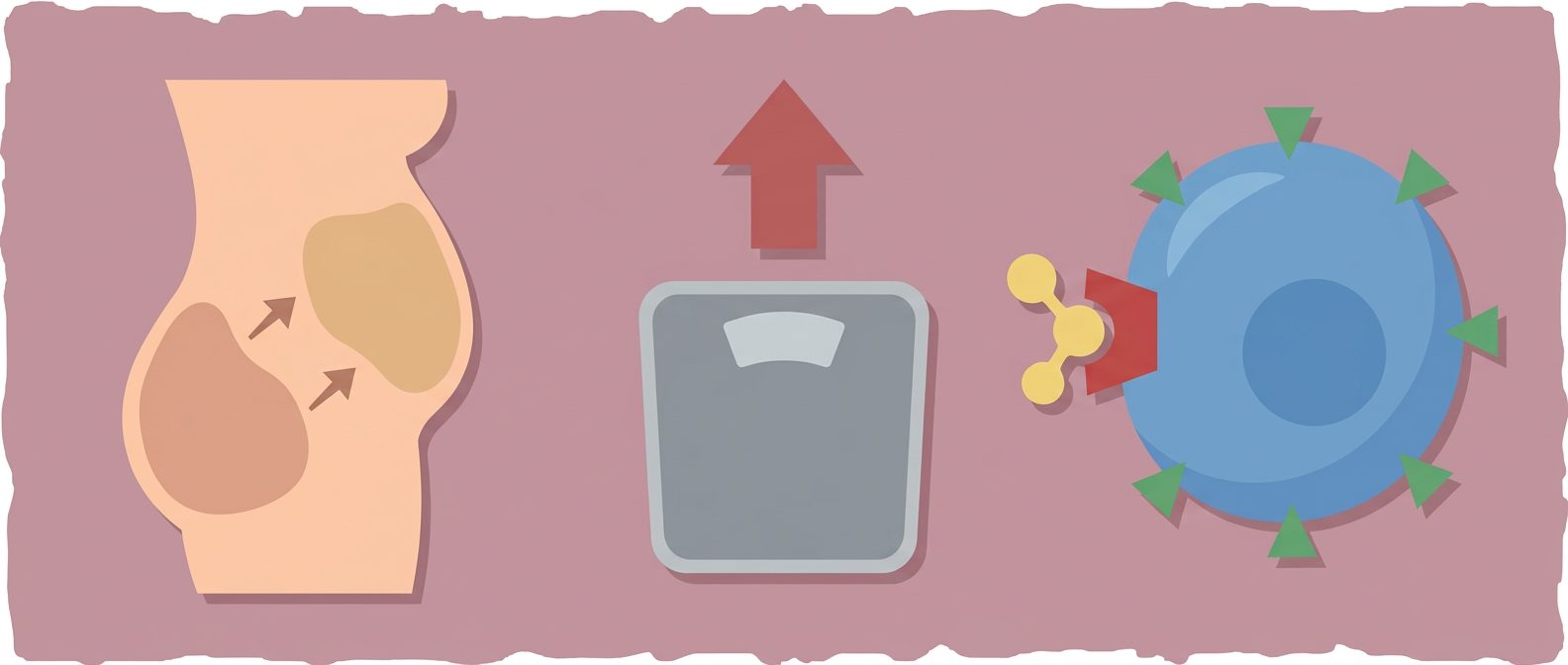
When estrogen declines, several things happen in parallel. Your body shifts where it stores fat – from the hips and thighs (subcutaneous fat, which is metabolically quieter) toward the abdomen (visceral fat, which is metabolically active and inflammatory).Mayo Clinic’s overview of menopause weight gain describes how fat distribution shifts from hips to abdomen during the transition, driven by hormonal changes alongside age-related muscle loss. Muscle mass decreases. Resting metabolism slows. And your cells become measurably more resistant to insulin – meaning you need more of it to clear the same amount of glucose from your bloodstream.
That last point is critical. Insulin resistance doesn’t just make weight management harder – it makes fat loss nearly impossible at high carb intakes. When insulin stays elevated, your body’s primary signal is to store fat, not burn it. Add the reduced muscle mass (which consumes glucose even at rest) and you have a situation where a diet that worked at 38 is counterproductive at 52.
The visceral fat accumulation compounds the problem. This type of fat produces inflammatory compounds and disrupts hormonal signaling in ways that subcutaneous fat doesn’t. It also correlates with cardiovascular risk – which rises after menopause as estrogen’s protective effects fade.Ketogenic diet as a possible non-pharmacological therapy in female endocrine diseases (Int J Mol Sci, 2023) covers how insulin resistance drives menopausal weight gain and positions keto as a mechanism-matched intervention for postmenopausal women.
This is also why the standard advice – eat less, move more – often fails postmenopausal women in a way it doesn’t fail men of the same age. It’s not a willpower gap. The hormonal environment has fundamentally changed what the body does with food.
Why Keto Is a Logical Fit for Menopausal Metabolism
The reason keto makes mechanistic sense for menopause comes down to what it actually does to insulin. By keeping carbohydrate intake at 20-30g of net carbs per day, you remove the primary stimulus for insulin release. Lower insulin means the body shifts toward fat burning as its default fuel – which is exactly what becomes difficult when insulin sensitivity declines after menopause.
There’s also the fat adaptation angle. When you’re consistently running on fat and ketones rather than glucose, the wild blood sugar swings that worsen hot flashes and energy crashes become much less common. Your fuel supply becomes steadier because ketones don’t spike and crash the way blood glucose does.Clinical implications for women of a low-carbohydrate or ketogenic diet with intermittent fasting (Nursing for Women’s Health, 2021) notes that obesity in women is often driven by hormonal imbalances and insulin resistance affecting the menopausal transition, and that low-carb approaches may help restore insulin sensitivity.

The anti-inflammatory effects of keto are worth taking seriously here too. Visceral fat is inflammatory, menopause itself involves inflammatory signaling shifts, and beta-hydroxybutyrate (the primary ketone body) actively dials down inflammatory pathways. These three things interact – addressing one tends to help the others. If you want to dig deeper into that mechanism, I’ve written a full breakdown of keto and inflammation that’s worth reading alongside this one.
One thing I want to be clear about: fat adaptation takes time, and it takes longer for some people than others. For women navigating menopause, the adaptation period can feel rougher than average – not because something is going wrong, but because the hormonal environment adds some complexity. Give it at least 4-6 weeks before drawing conclusions.
The gut-hormone connection is another underappreciated piece. Estrogen is partially metabolized and recirculated through the gut via a process involving gut bacteria. A well-functioning gut microbiome helps regulate estrogen clearance, and keto changes gut composition. This is a two-edged reality – it’s one reason why paying attention to keto and gut health matters for women in the menopausal transition.
What the Research Shows: Clinical Evidence in Postmenopausal Women
The research here is promising – but it needs to be read carefully, because there’s one widely-cited study that gets misused constantly.
Start with the good news. A 2025 prospective trial followed 43 postmenopausal women with obesity and essential hypertension across three groups: a very low-calorie ketogenic diet (VLCKD), intermittent fasting, and a control condition.Pala et al., 2025, Nutrition Metabolism Cardiovascular Diseases – VLCKD produced statistically clear reductions in systolic blood pressure (p=0.005), diastolic BP (p=0.038), weight (p=0.03), waist circumference (p<0.01), body fat percentage (p<0.01), LDL (p<0.01), and triglycerides (p=0.02) in postmenopausal women versus IF and control.[/footnote] The VLCKD group came out clearly ahead on blood pressure, waist circumference, body fat percentage, LDL, and triglycerides. The researchers described it as the "clear front-runner" among the three approaches.
The cardiac findings from that same cohort are striking. Published in 2026, a follow-up analysis found that VLCKD noticeably reduced left ventricular mass index (from 90.71 to 81.29 g/m) and epicardial adipose tissue (from 7.00 to 4.76mm).[footnote]Pala et al., 2026, Nutrition Metabolism Cardiovascular Diseases – first study demonstrating that VLCKD reduces cardiac structural risk markers in postmenopausal women, including left ventricular mass and epicardial fat, with epicardial fat correlating with body fat percentage at r=0.53. Epicardial fat – the fat that wraps directly around the heart – is considered a clear cardiovascular risk marker, and the fact that it correlated with body fat percentage at r=0.53 suggests these changes aren’t cosmetic.
Research on long-term keto-adapted women (premenopausal, mean age 32) adds another layer. When sustained ketosis was experimentally suppressed in women who had been keto-adapted for an average of 3.9 years, their insulin levels nearly doubled (33.6 to 59.8 pmol/L) and pro-inflammatory markers including VEGF and MCP-1 rose measurably.Cooper et al., KetoSAge, Int J Mol Sci, 2023 – ketosis suppression in long-term keto-adapted women produced a 1.78x increase in insulin, 1.83x increase in IGF-1, 1.17x increase in fasting glucose, and elevated pro-inflammatory cytokines. Sustained ketosis may mitigate hyperinsulinemia. Note: study participants were premenopausal; mechanism likely applies across menopausal status but has not been tested in postmenopausal women. The implication is that staying in ketosis – not just dipping in and out – is where the metabolic benefits accumulate.
Now for the study that keeps getting cited wrong. A large secondary analysis of 125,982 postmenopausal women from the Women’s Health Initiative found a higher ketogenic ratio was associated with greater type 2 diabetes risk. That sounds alarming – until you look at the actual data.Titcomb et al., J Acad Nutr Diet, 2023 – WHI secondary analysis of 125,982 postmenopausal women found higher ketogenic ratio associated with T2DM risk HR 1.24, but only 15 of 125,982 women (0.01%) met the keto threshold. Results reflect high-fat standard diets rather than well-formulated ketogenic diets and should not be generalized to actual keto protocols. Only 15 of the 125,982 women (0.01%) were eating a ketogenic diet. The “high ketogenic ratio” group was eating high-fat standard American diets – think fried food, butter on everything – not a well-formulated keto protocol with adequate vegetables, quality protein, and controlled calories. This study says nothing solid about keto done correctly.
Hot Flashes, Mood Swings, and Sleep: Can Keto Help with the Symptoms?
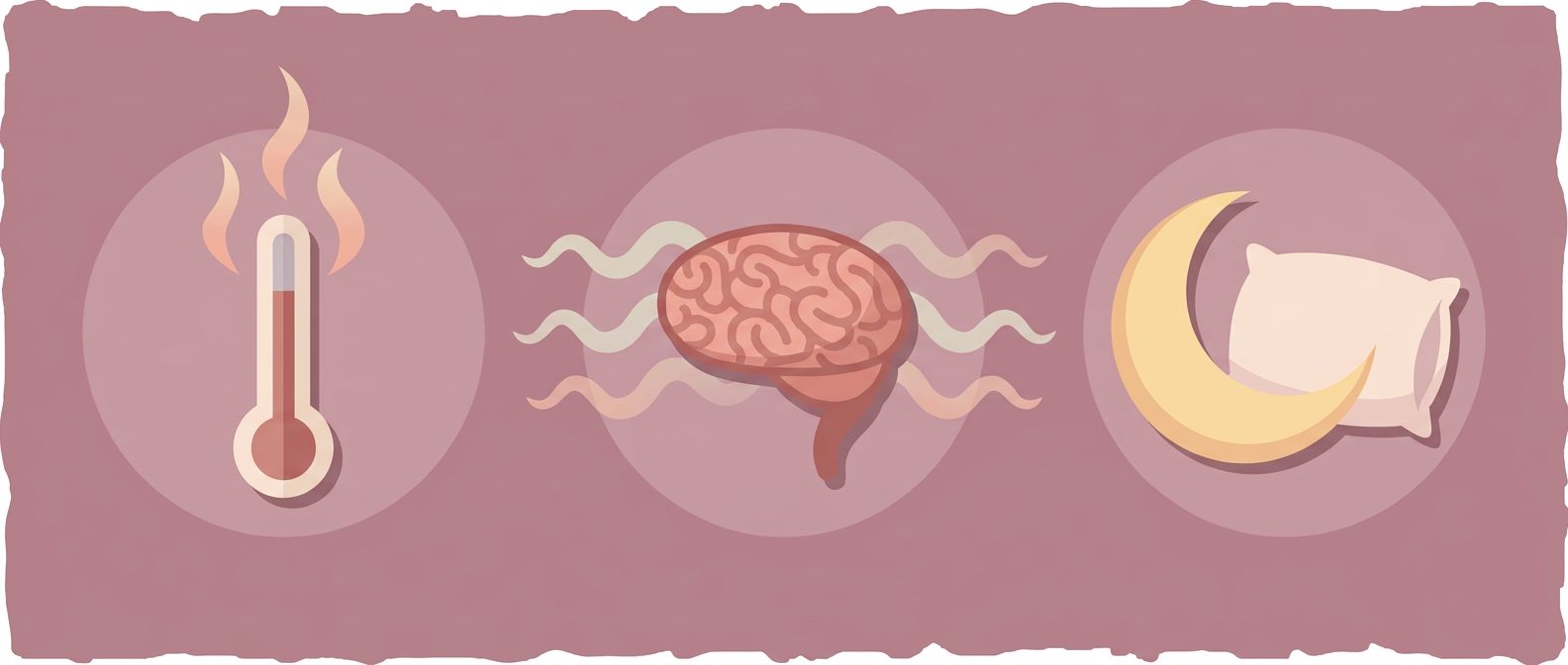
Hot flashes are the symptom most women want addressed first, and the evidence that keto can help is indirect but plausible. Hot flashes are partly triggered by blood sugar instability – rapid drops in blood glucose activate the same sympathetic nervous system response that causes flushing, sweating, and heart racing. Stabilizing blood sugar with a low-carb approach removes one of the more controllable triggers.Cleveland Clinic’s menopause diet guidance notes that refined carbs and sugar worsen hot flashes and blood sugar swings, supporting the case for carbohydrate reduction as a symptom management tool.
I’ve heard this consistently from women who’ve started keto during perimenopause: the hot flashes don’t disappear, but they become less frequent and less intense once blood sugar stabilizes. I’m careful not to overstate this (we don’t have RCT data on keto and hot flash frequency in particular) but the mechanism is sound and the anecdotal pattern is consistent enough to take seriously.
Sleep is where keto’s benefits during menopause get more interesting. Menopausal sleep disruption has multiple causes: night sweats (hot flash equivalents), anxiety, and shifts in sleep architecture. Ketones provide a steady fuel source for the brain that doesn’t require insulin – which means your brain isn’t waking you up in response to blood sugar variability at 3am. If you’re dealing with menopausal sleep disruption, I’ve covered this in depth in keto and sleep, because the electrolyte piece is often overlooked and it matters a lot.
Mood swings and irritability during menopause are partly hormonal and partly metabolic. Estrogen affects serotonin signaling. Lower estrogen means more serotonin instability – which is why mood variability rises during the transition. Keto’s effect on brain fuel supply and inflammation can help stabilize the metabolic side of this, though it doesn’t address the estrogen-serotonin relationship directly. The full picture of keto and mood is worth understanding if this is a primary concern for you.
There’s also the thyroid angle. Some women find that very low calorie intake combined with keto affects thyroid function – T3 (the active thyroid hormone) can decrease on aggressive calorie restriction. This matters because menopausal women are already at higher risk for thyroid dysfunction. The interaction between keto and thyroid function is real, and it’s a reason to avoid aggressive calorie restriction on top of carb restriction, particularly in the first few months.
Honest Expectations: Why Postmenopausal Women May See Slower Results (and What to Do About It)
Here’s something I think is important to say upfront: postmenopausal women tend to see slower initial results on keto than men, and often slower than premenopausal women. That’s not a failure – it’s a documented metabolic reality, and understanding why makes it easier to stay consistent.
One study comparing VLCKD outcomes across sex and menopausal status found that men had greater excess body weight loss and larger waist reductions (8.5 vs 6.0cm, p=0.032), and HbA1c reduction was substantially smaller in premenopausal women versus men.Pala et al., 2020 – comparing VLCKD outcomes in men vs. postmenopausal and premenopausal women, males showed significantly greater excess body weight loss, waist reduction (8.5 vs 6.0cm, p=0.032), and HbA1c reduction. Lower estrogen is thought to attenuate metabolic benefits, making realistic expectations important for postmenopausal women. Estrogen appears to enhance metabolic response to a ketogenic approach, and when estrogen is low, the response is attenuated – not absent, but measurably slower.
What this means practically: if you’re comparing your week-four progress to your husband’s, you’re going to demoralize yourself for no reason. The trajectories are different. The four- to eight-week mark for postmenopausal women often involves marked water weight reduction, improved energy, and reduced bloating before the scale shows much movement. That’s still real physiological change.
The women I’ve seen navigate this most successfully focus on a few specific adjustments. First, protein intake matters more after menopause than before. Muscle loss accelerates when estrogen drops, and adequate protein (around 1.2-1.6g per kg of body weight) is the primary tool for preserving lean mass – which in turn protects resting metabolism. Don’t go minimal on protein in the name of keeping fat ratios “keto enough.”
Second, resistance training isn’t optional. It’s the only way to meaningfully counteract the muscle loss that menopause accelerates. Keto and resistance training together produce better body composition outcomes than either alone – and the combination becomes especially important after 50. For more context on optimizing keto for this age group, see the full guide on keto for women over 50 and the related piece on keto for women over 40.
Third (and this is the lesson I keep learning in different forms) patience wins over perfection. I’ve watched people abandon keto at week five because they weren’t seeing the results they expected, when the actual metabolic shift they needed would have kicked in around week seven. This is especially true for women who’ve had years of insulin resistance building up. The first month is adaptation. Don’t evaluate the diet until month two.
Bone Health, Nutrient Gaps, and Keto During Menopause
Bone loss accelerates sharply after menopause – estrogen plays a direct role in bone preservation, and its decline leaves bone turnover unbalanced toward resorption. This is a real concern that you shouldn’t brush off, and it’s the area where keto requires the most deliberate attention during the menopausal years.
The concern about keto and bone health centers on two things: initial calcium excretion (which increases as the kidneys adjust to a lower insulin environment) and potential acid load from high protein intake. Both are manageable with the right approach, but they don’t manage themselves.
Calcium-rich keto foods aren’t hard to find (full-fat dairy, sardines with bones, leafy greens like bok choy and kale) but you need to be intentional about including them daily. The target for postmenopausal women is generally 1,200mg of calcium per day. If you’re not tracking this at least periodically, you’re probably falling short.

Vitamin D is equally important and even more commonly deficient. It regulates calcium absorption, so getting the calcium without adequate vitamin D is only half the equation. Most adults need 2,000-4,000 IU daily, and a baseline blood test to know where you’re starting is worth the few minutes it takes.The NIH Office of Dietary Supplements calcium fact sheet and the vitamin D fact sheet identify these as the key nutrients requiring attention for postmenopausal women, particularly those on restrictive diets.
Magnesium is the third piece of this trio. It’s involved in over 300 enzymatic processes, plays a role in bone mineralization alongside calcium, and is commonly depleted on keto due to increased urinary excretion. Magnesium glycinate or magnesium malate absorb well; magnesium oxide largely doesn’t. 300-400mg before bed is a good starting point and tends to improve sleep quality as a side effect – which is a welcome bonus during menopause.
Omega-3s deserve mention here too. The Cleveland Clinic recommends omega-3 fatty acids for menopausal symptom management, and keto makes this easy: fatty fish like salmon fits perfectly in a keto framework and provides the EPA and DHA your body can use (as opposed to the ALA in flaxseed, which converts poorly). Two recipes worth trying are this creamy lemon and dill pan-seared salmon and this keto salmon with power greens – both high omega-3, bone-friendly from the greens, and easy to make.
Practical Starting Guide: Supplements, Meal Timing, and the IF Question
If you’re starting keto during menopause, the transition period deserves more attention than it gets. The first two weeks involve a real shift in how your kidneys handle sodium – lower insulin signals the kidneys to excrete more sodium, which takes water and other electrolytes with it. The fatigue, headaches, and brain fog that come with this are manageable, but only if you address them directly.Arbour et al., Nursing for Women’s Health, 2021 – clinicians should actively counsel women pursuing low-carb approaches about the adaptation period, electrolyte needs, and expected timeline, particularly women with pre-existing metabolic conditions.
The supplement starting point I’d recommend for menopausal women:
- Sodium: 2,000-3,000mg daily from food and supplementation (a quarter teaspoon of salt in water goes a long way)
- Potassium: 3,500-4,700mg daily from food – avocado, leafy greens, salmon
- Magnesium: 300-400mg magnesium glycinate before bed
- Calcium: Through food first, supplemented if dietary intake falls short of 1,200mg
- Vitamin D3: 2,000-4,000 IU daily with food containing fat
A full breakdown of everything you need to know is in the guide on electrolytes on keto. I’d read that before week one rather than after you’re already dealing with keto headaches.
On the intermittent fasting question: the combination of keto and IF is effective for insulin resistance – and postmenopausal women often have real insulin resistance to address. The clinical review on low-carb approaches in women acknowledges this benefit while noting that aggressive fasting can raise cortisol, which may worsen sleep and hot flash frequency in some women.Arbour et al., Nursing for Women’s Health, 2021 – low-carb combined with intermittent fasting may improve insulin sensitivity in menopausal women, but clinicians should monitor cortisol response and individual tolerance.
My practical recommendation: don’t layer IF on top of keto in the first month. Let your body adapt to running on fat first. After 4-6 weeks, a 16:8 eating window (eating between noon and 8pm, for example) tends to feel natural rather than forced, because appetite regulation improves significantly once fat adaptation takes hold. Starting with both at once in the context of menopausal hormonal flux is asking a lot of your system.
Food quality matters more during menopause than at any other life stage, because you’re working against a metabolic headwind. Prioritize anti-inflammatory ingredients: fatty fish twice a week, plenty of leafy greens, quality fats from olive oil and avocado. Two recipes that fit this framework well are this keto anti-inflammatory turmeric smoothie (good for mornings, easy to add collagen or protein powder) and this keto chocolate chia seed pudding – which also delivers a solid dose of omega-3 from the chia and is easy to prep the night before.
Disclaimer: This article is for informational purposes only and does not constitute medical advice. Menopause involves substantial hormonal and physiological changes, and individual responses to dietary interventions vary. If you’re considering a ketogenic diet during menopause, particularly if you’re managing conditions like osteoporosis, cardiovascular disease, thyroid disorders, or diabetes, or if you’re on hormone replacement therapy, please consult your physician or a registered dietitian before making changes. Nothing in this article is intended to diagnose, treat, or replace professional medical guidance.
Key Takeaways
- Menopause shifts fat storage to the abdomen, reduces insulin sensitivity, and slows metabolism – all mechanisms that keto addresses by lowering insulin and shifting fuel sources.
- Clinical trials in postmenopausal women show VLCKD significantly outperforms intermittent fasting and control conditions for blood pressure, body fat, and cardiovascular risk markers including epicardial fat.
- A widely-cited WHI study linking high ketogenic ratios to diabetes risk involved only 15 actual keto dieters out of 125,982 women – it does not apply to well-formulated keto protocols.
- Postmenopausal women typically see slower results than men on keto due to lower estrogen – this is normal and expected, not a sign the diet isn’t working. Evaluate at 8-12 weeks, not 4.
- Bone health requires deliberate attention during keto after menopause: prioritize calcium (1,200mg), vitamin D3 (2,000-4,000 IU), and magnesium glycinate (300-400mg) daily.
- Introduce intermittent fasting after keto adaptation (4-6 weeks in), not simultaneously – layering both at once during hormonal flux adds unnecessary stress and may worsen cortisol-driven symptoms.
- Protein intake and resistance training are non-negotiable after menopause on keto – muscle preservation is the primary lever for maintaining resting metabolism as estrogen declines.
Frequently Asked Questions
Can keto help with hot flashes during menopause?
Keto won’t eliminate hot flashes – they’re driven primarily by hormonal changes that diet can’t fully override. But blood sugar instability is one of the controllable triggers for hot flashes, and the Cleveland Clinic notes that refined carbs and sugar actively worsen them. By stabilizing blood glucose through a 20-30g net carb approach, many women report reduced frequency and intensity of hot flashes. The mechanism is sound even if we don’t have large RCT data specifically on keto and hot flash frequency. The keto and sleep guide also covers the night sweat connection, which often improves alongside daytime hot flash reduction.
Will I lose weight as fast on keto as my husband or a man my age?
Probably not, and that’s okay to acknowledge. Research comparing ketogenic diet outcomes across sex and menopausal status consistently finds that men lose more excess body weight faster, with larger reductions in waist circumference.Pala et al., 2020 found that men had significantly greater excess body weight loss and waist reduction (8.5 vs 6.0cm, p=0.032) on VLCKD compared to postmenopausal women, with lower estrogen attenuating the metabolic response. Lower estrogen appears to reduce the body’s metabolic response to keto, not eliminate it. Comparing your week-by-week progress to a man’s is setting yourself up for frustration with no useful information. Focus on the trajectory over 8-12 weeks, not the pace of the first month. The guide on keto for women over 50 goes deeper on setting realistic timelines.
Is keto safe for bone health after menopause?
Keto is compatible with good bone health after menopause, but it requires deliberate attention to calcium, vitamin D, and magnesium – nutrients that can slip through the cracks on a low-carb diet. The goal is 1,200mg of calcium daily from foods like full-fat dairy, sardines, and leafy greens, alongside 2,000-4,000 IU of vitamin D3. Magnesium (300-400mg magnesium glycinate; if you have kidney disease, check with your doctor before supplementing) supports bone mineralization and doubles as a sleep aid during menopause. If you have existing osteopenia or osteoporosis, discuss keto with your physician before starting. The electrolytes on keto guide covers the full mineral picture.
Should I do intermittent fasting alongside keto during menopause?
IF and keto together can be a strong combination for insulin resistance – which is common in postmenopausal women. But layering both at once during the early transition period adds real physiological stress. My recommendation is to establish keto first (4-6 weeks), let fat adaptation reduce hunger naturally, and then introduce a 16:8 eating window. Some women find that aggressive fasting raises cortisol in ways that worsen hot flash frequency and disrupt sleep, so monitoring how you feel is more important than hitting a specific fasting target. The clinical literature on keto for women over 40 includes more on the IF timing question for this demographic.
Can I do keto while on hormone replacement therapy (HRT)?
Yes, keto and HRT are generally compatible and some evidence suggests the combination may be especially effective – HRT addresses the hormonal deficit while keto addresses the insulin resistance and visceral fat that accumulates with lower estrogen. There’s no known negative interaction between a well-formulated ketogenic diet and standard HRT protocols. That said, HRT affects metabolism in ways that may change how you respond to carbohydrate restriction, so working with your prescribing physician is worthwhile. Some women on HRT find they can tolerate a slightly higher carb intake while maintaining ketosis. Track your own response and adjust accordingly within the 20-30g range.
How long does it take to see results from keto during menopause?
Longer than most people want to hear, especially in the first month. The first two weeks are largely adaptation – your body is learning to run on fat, electrolytes are shifting, and what you feel may not reflect what’s happening metabolically. Most postmenopausal women start seeing real energy improvements and reduced bloating around weeks 3-4, with body composition changes becoming more visible around weeks 6-8. The clinical trials showing substantial weight, waist, and cardiovascular improvements in postmenopausal women ran for six months – that’s the timeframe for meaningful change, not four weeks. Understanding fat adaptation as a process rather than a switch helps set the right expectation.
Sources
- Pala et al. (2025). Very low-calorie ketogenic diet reduces central blood pressure and cardiometabolic risk in post-menopausal women with essential hypertension and obesity. Nutrition, Metabolism and Cardiovascular Diseases.
- Pala et al. (2026). Very low-calorie ketogenic diet reduces left ventricular mass and epicardial adipose tissue in post-menopausal women with essential hypertension and obesity. Nutrition, Metabolism and Cardiovascular Diseases.
- Cooper et al. (2023). Ketosis Suppression and Ageing (KetoSAge): The Effects of Suppressing Ketosis in Long Term Keto-Adapted Non-Athletic Females. International Journal of Molecular Sciences.
- Titcomb et al. (2023). Comparison of the Ketogenic Ratio of Macronutrients With the Low-Carbohydrate Diet Score and Their Association With Risk of Type 2 Diabetes in Postmenopausal Women. Journal of the Academy of Nutrition and Dietetics.
- Arbour et al. (2021). Clinical Implications for Women of a Low-Carbohydrate or Ketogenic Diet With Intermittent Fasting. Nursing for Women’s Health.
- Pala et al. (2020). Very low-calorie ketogenic diet for the treatment of severe obesity and NAFLD: The role of sex differences. PMC.
- Various authors (2023). Ketogenic Diet as a Possible Non-pharmacological Therapy in Main Endocrine Diseases of the Female Reproductive System. International Journal of Molecular Sciences.
- Mayo Clinic (2023). Menopause weight gain: Stop the middle age spread.
- Cleveland Clinic (2024). Menopause Diet: What to Eat to Help Manage Symptoms.
- NIH Office of Dietary Supplements – Calcium Fact Sheet for Health Professionals
- NIH Office of Dietary Supplements – Vitamin D Fact Sheet for Health Professionals