

Chronic inflammation is the common thread running through type 2 diabetes, cardiovascular disease, Alzheimer’s, autoimmune conditions, and most cancers. Most people know this in a general way. What’s less discussed is how a ketogenic diet addresses that thread – not just as a side effect of weight loss, but through specific molecular mechanisms that researchers are only now mapping in detail.
After living keto full-time since my late twenties, inflammation is the area where I’ve seen the most dramatic personal changes. Joint stiffness I’d normalized, persistent low-grade fatigue I’d written off, skin issues I’d been managing for years – all of them shifted within the first few months. I didn’t understand why at the time. I do now, and the research has caught up considerably.
This article walks through what the data actually shows about keto and inflammation: the biomarker evidence, the mechanisms behind it, which conditions see the most benefit, and the honest limits of what we know. The picture is more detailed – and more interesting – than most general keto coverage suggests.
This article is for informational purposes only and does not constitute medical advice. If you have an inflammatory condition, autoimmune disease, or are taking medications, consult your physician before making significant dietary changes.
What we’ll cover:
- What Inflammation Actually Is
- What the Biomarker Data Shows
- How Keto Reduces Inflammation: Three Mechanisms
- Keto and Specific Inflammatory Conditions
- The Honest Caveats
- Anti-Inflammatory Foods to Prioritize on Keto
- Key Takeaways
- FAQ
What Inflammation Actually Is
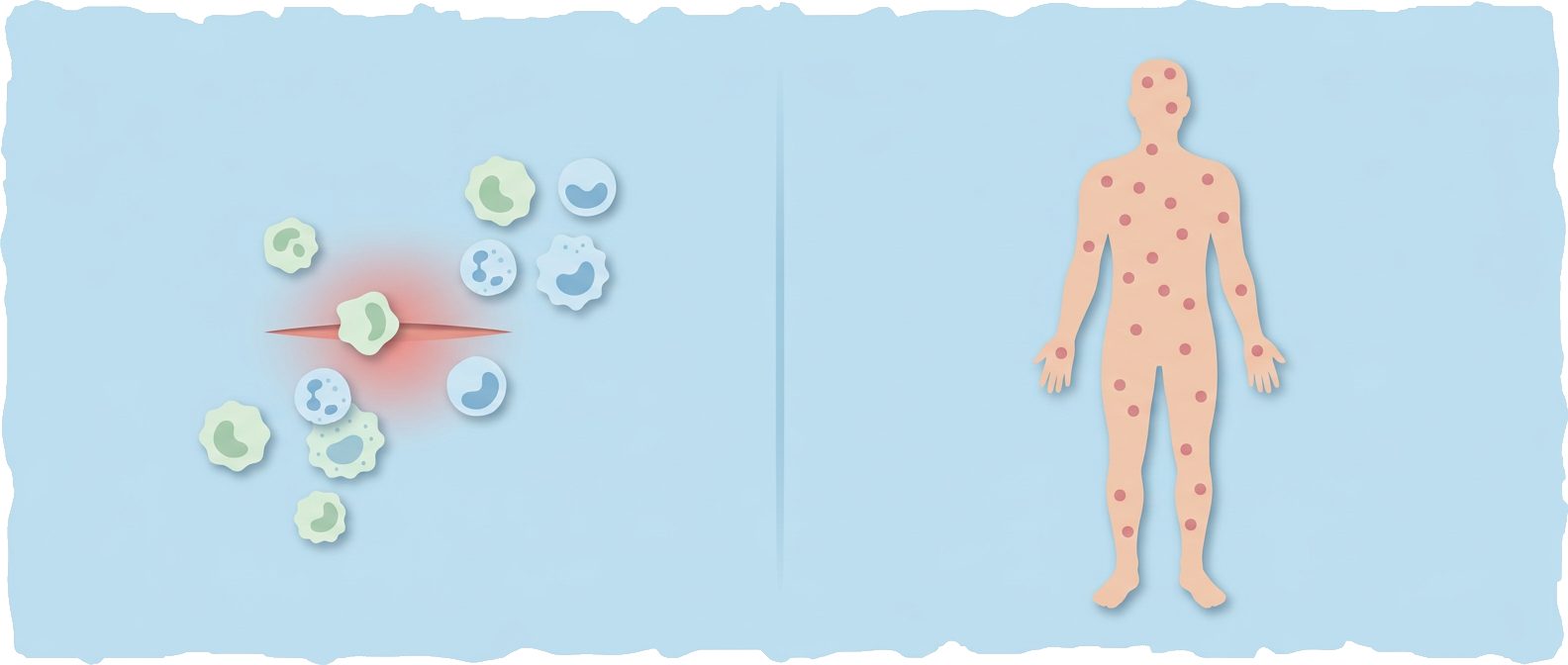
Inflammation is your immune system’s response to threat. A cut, an infection, a pathogen – your body floods the area with immune cells, creates localized heat and swelling, and repairs the damage. That’s acute inflammation, and it’s essential. Without it, minor injuries would become fatal.
Chronic inflammation is a different thing entirely. It’s the immune system stuck in a low-level activation state, producing cytokines and other signaling molecules that slowly damage tissue over months and years. There’s no dramatic injury to repair. The immune system is just… on, all the time, at a simmer.
The two primary cytokines used to measure systemic chronic inflammation are TNF-alpha (tumor necrosis factor-alpha) and IL-6 (interleukin-6). C-reactive protein (CRP) is a downstream marker that rises when either of those is elevated. High CRP is one of the strongest predictors of cardiovascular events – which is why the ketogenic diet and heart disease conversation often starts with this number. High TNF-alpha and IL-6 show up consistently in obesity, type 2 diabetes, metabolic syndrome, and most autoimmune diseases. These are the numbers researchers track when testing whether an intervention actually reduces inflammation – not subjective reports of feeling better.
What the Biomarker Data Shows
The evidence on keto and inflammatory biomarkers has grown substantially. The most comprehensive analysis to date pulled data from 44 randomized controlled trials examining the effect of ketogenic diets on TNF-alpha and IL-6.A 2025 meta-analysis of 44 RCTs found that ketogenic diets significantly reduced both TNF-alpha and IL-6 compared to control diets, representing the largest pooled analysis on this question to date. The reductions were statistically significant across the pooled data – this isn’t one favorable trial getting amplified.
CRP tells a similar story. Across seven RCTs focused on overweight and obese populations, keto reduced CRP by an average of 0.62 mg/dL.A 2024 meta-analysis of 7 RCTs found ketogenic diets reduced CRP by 0.62 mg/dL in overweight and obese participants, a clinically meaningful reduction given baseline CRP levels in this population. That may sound modest, but context matters: at the CRP levels typical of metabolically compromised people (3-10 mg/dL), a drop of that size meaningfully shifts cardiovascular risk category.
Then there’s the EMIKETO trial, which is worth looking at separately because it ran a proper comparison. Researchers randomized participants to either a ketogenic diet or a standard calorie-restricted diet and tracked inflammatory markers over the study period.The EMIKETO RCT (2023) compared ketogenic diet to calorie restriction directly and found the ketogenic group showed significantly greater reductions in CRP and neutrophil-lymphocyte ratio than the calorie-restriction group. Keto outperformed calorie restriction on both CRP and neutrophil-lymphocyte ratio – a white blood cell ratio that functions as an independent inflammation marker. This matters because it suggests the anti-inflammatory effect isn’t purely a result of losing weight. Something about the metabolic state itself is doing additional work.
How Keto Reduces Inflammation: Three Mechanisms
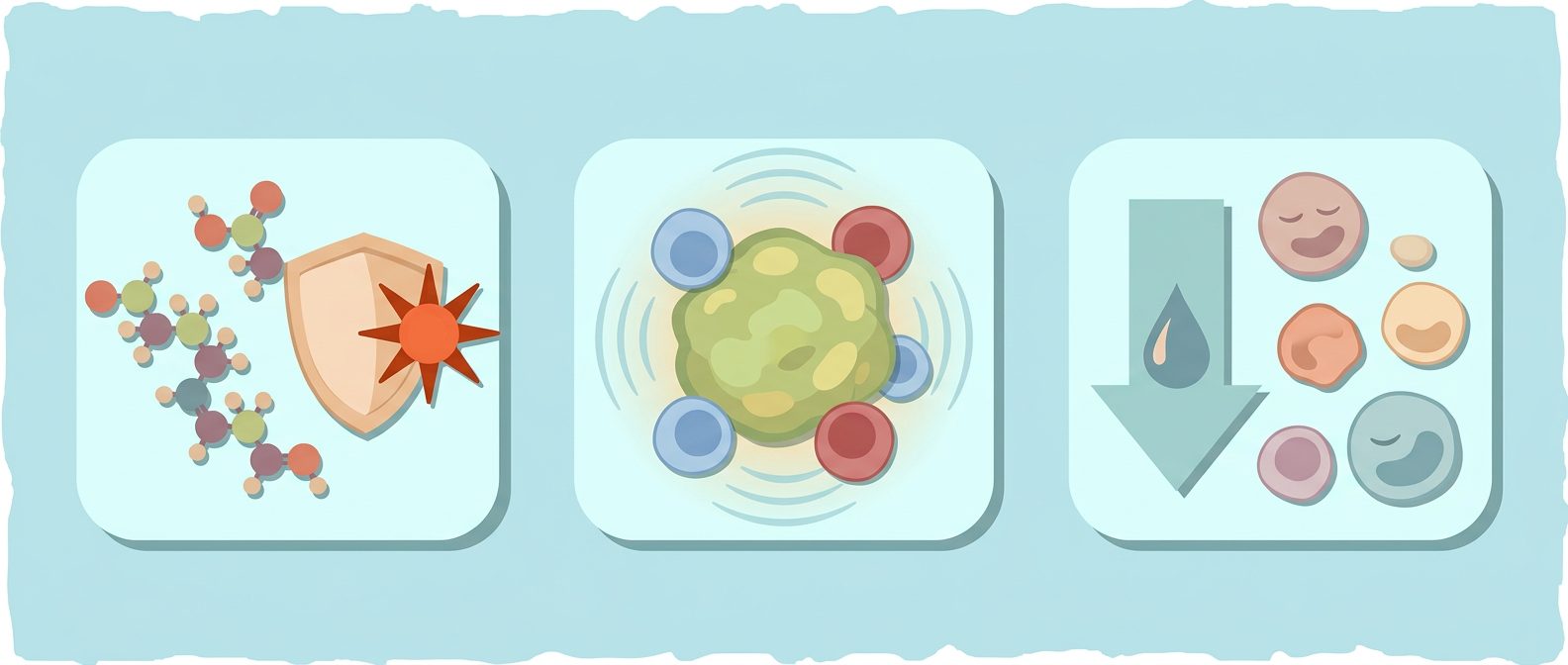
The biomarker data is useful, but it doesn’t explain why ketogenic diets reduce inflammation. Three distinct mechanisms have been identified, and they operate on different timescales and through separate biological pathways.
BHB and the NLRP3 Inflammasome
Beta-hydroxybutyrate (BHB), the primary ketone body in circulation during ketosis, directly inhibits a protein complex called the NLRP3 inflammasome.BHB’s direct inhibition of the NLRP3 inflammasome is documented in this 2020 study, which also found that Alzheimer’s patients have significantly lower BHB levels than healthy controls, suggesting a potential link between ketone availability and neuroinflammation. The NLRP3 inflammasome is essentially an immune alarm system inside your cells. When it activates, it triggers a cascade that produces IL-1beta and IL-18 – two pro-inflammatory cytokines driving much of the low-grade chronic inflammation associated with metabolic disease.
BHB blocks that alarm. It doesn’t suppress the immune system broadly – it specifically dials down one of the primary pathways that generates chronic systemic inflammation when no real threat is present. This is a direct molecular mechanism that operates independently of calorie restriction or weight loss. You don’t need to lose weight to get BHB into circulation – you need to be in ketosis. For how this same mechanism affects brain function specifically, see .
A separate line of evidence comes from the epigenetic side. BHB inhibits histone deacetylases (HDACs), which shifts gene expression patterns toward reduced NF-kB signaling.BHB’s HDAC-inhibiting mechanism and its downstream effects on NF-kB, a master regulator of inflammatory gene expression, are reviewed in this mechanistic review. NF-kB is the master regulatory switch that turns on hundreds of inflammatory genes. Suppressing its signaling has wide downstream effects on the inflammatory environment.
Gamma-Delta T Cells in Visceral Fat
The second mechanism comes from an unexpected place: immune cells living in fat tissue itself. A 2020 paper in Nature Metabolism found that ketogenic diets expand a specific class of T cells (gamma-delta T cells) in visceral adipose tissue (the fat around your organs).Published in Nature Metabolism, this 2020 study found that ketogenic diets expand gamma-delta T cells within visceral adipose tissue, and that these cells actively restrain inflammatory activity in fat – a mechanism distinct from calorie restriction. These gamma-delta T cells function as local regulators of fat tissue inflammation, and their expansion on keto corresponds with reduced inflammatory activity in visceral fat.
This is a real finding because visceral fat is itself a major source of pro-inflammatory cytokines in metabolically unhealthy people. Shrinking it helps. But keto also appears to change the immune composition within it, shifting the tissue toward a less inflammatory state even before substantial fat loss has occurred.
Reduced Metabolic Inflammation from Lowered Insulin
The third mechanism is the most direct. Chronically elevated insulin (a hallmark of insulin resistance) drives NF-kB activation and promotes inflammatory cytokine production. When you reduce carbohydrate intake to 20-30g net carbs per day, insulin drops substantially and stays low.
Lower insulin means less metabolic inflammation at the tissue level. It also means less oxidative stress, since high blood glucose generates reactive oxygen species that damage cell membranes and trigger immune activation. The improvement in insulin sensitivity that follows fat adaptation doesn’t just benefit glucose metabolism – it removes one of the primary upstream drivers of chronic inflammation.
A 12-week comparison between a ketogenic diet and a low-fat diet found that the ketogenic group showed clear reductions across six separate inflammatory markers – not just CRP, but a broader panel including IL-6, TNF-alpha, and others.A 12-week randomized controlled trial comparing ketogenic and low-fat diets found the ketogenic group reduced six separate inflammatory biomarkers significantly, while the low-fat group showed more modest improvements. The low-fat group improved too – but across fewer markers, with smaller effect sizes.
Keto and Specific Inflammatory Conditions
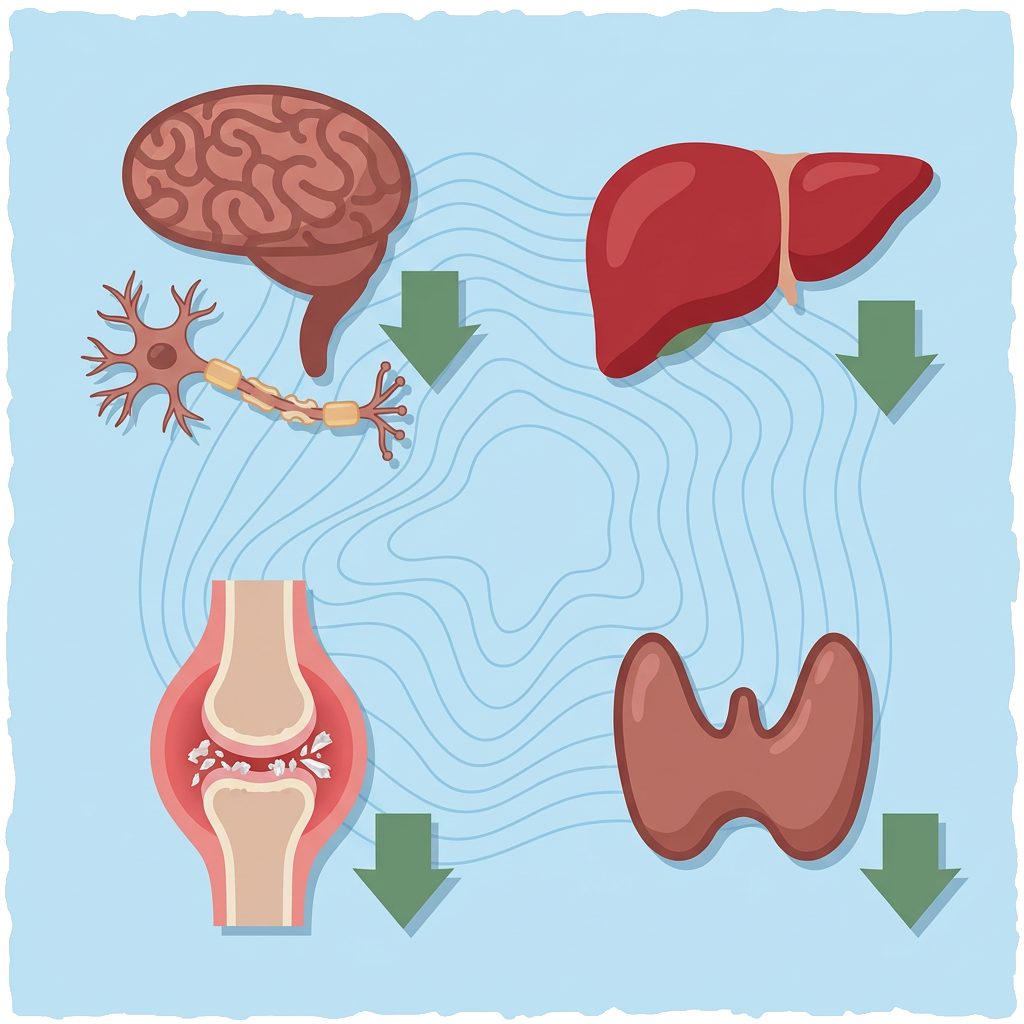
General inflammatory marker data is useful context. The more compelling evidence comes from research in specific inflammatory disease states.
Multiple Sclerosis
MS is a neuroinflammatory autoimmune condition where the immune system attacks the myelin sheath around neurons. A 2025 study of ketogenic diet intervention in MS patients found measurable shifts in key adipokines: leptin dropped, adiponectin increased, and neurofilament light chain (a marker of neurological damage) remained stable over the study period.This 2025 study on KD in MS patients found reduced leptin, increased adiponectin, and stable neurofilament light chain, suggesting the anti-inflammatory hormonal environment created by keto may be relevant to neuroinflammatory disease management. Leptin is pro-inflammatory and tends to be elevated in obesity and autoimmune conditions. Adiponectin is anti-inflammatory. Getting that ratio to shift is considered a positive sign in metabolic and immune health.
This is still early-stage evidence for MS specifically. The data suggests a plausible mechanism and a favorable hormonal shift, not a treatment claim. But the pattern fits what we know about keto’s effects on neuroinflammation more broadly – including the BHB/NLRP3 pathway, which is particularly relevant to neurological tissue.
Liver Disease
The data in metabolic liver disease is more direct. A study of very low-calorie ketogenic diet (VLKD) in patients with liver disease found that CRP reduction explained 65.9% of the variance in liver disease regression.In a 2025 VLKD study, CRP reduction accounted for 65.9% of the statistical variance in liver disease regression, making it the dominant explanatory factor – which supports the hypothesis that inflammation is the primary driver of liver damage in this context, not fat accumulation alone. Not weight loss. Not fat reduction in the liver per se. The drop in systemic inflammation was the dominant factor predicting whether the liver disease improved. For a deeper look at how keto addresses fatty liver specifically, see keto as a fatty liver diet.
That’s a striking finding. It suggests that for some conditions associated with metabolic syndrome, reducing inflammation may be more causally important than the downstream structural changes. Treating the fire, not just the smoke.
Gout and Uric Acid
One condition worth flagging separately: gout. Gout is caused by uric acid crystal deposition in joints – it’s an inflammatory condition, but the pathway is different from the cytokine-driven chronic inflammation described above. Ketones and uric acid share a renal excretion pathway, which means early keto adaptation can transiently raise uric acid levels and trigger flares in people prone to them. BHB’s NLRP3 inhibition is relevant here too (NLRP3 is central to gout flare mechanics), but the excretion competition can work against you in the short term. If you have gout, discuss keto with your doctor before starting – the long-term data is generally positive, but the adaptation period is a real consideration.
Hashimoto’s and Autoimmune Thyroid Disease
The inflammation connection extends to autoimmune thyroid conditions as well. Hashimoto’s thyroiditis involves immune-driven inflammation of the thyroid gland, and early RCTs have shown meaningful reductions in thyroid antibodies on low-carbohydrate diets – likely mediated through the same BHB/NLRP3 and insulin-lowering pathways described above. For the full research breakdown on that connection, see keto and thyroid.
The Honest Caveats
The anti-inflammatory evidence for keto is strong relative to most dietary interventions. It’s not universally applicable, and there are real limits to the current evidence base.
First: not everyone on keto sees improved inflammatory markers. Dairy is a common variable. For people with casein or whey sensitivity, a high-dairy keto implementation can increase certain inflammatory markers even as overall carbs drop. The same goes for high-omega-6 nut consumption – replacing carbs with processed seed oils or large quantities of omega-6-heavy nuts doesn’t necessarily move inflammation in the right direction. The quality of the fat sources matters, not just the carb count.
I learned this the slow way. My first year on keto, I was eating a lot of mixed nuts and cooking with whatever oil was cheap. My energy was better, my weight was improving, but some of the inflammation markers I was tracking weren’t budging. Shifting toward more omega-3 rich foods – fatty fish, especially salmon – moved those numbers in a way that cutting carbs alone hadn’t.
Second: most of the RCTs in this space are short-term, typically 8-24 weeks. The long-term data on sustained inflammatory marker reduction beyond two years is sparse. That’s a real gap. The mechanistic evidence suggests the benefits should persist as long as ketosis is maintained, but “the mechanism is plausible” is a lower bar than “the data confirms long-term benefit.”
Third: body composition changes do contribute. Weight loss, particularly visceral fat loss, independently reduces inflammatory cytokines. The EMIKETO trial’s comparison to calorie restriction is the best evidence that keto offers something beyond the weight loss effect – but separating the two cleanly remains difficult in longer studies where the keto group also loses more fat overall.
Anti-Inflammatory Foods to Prioritize on Keto
The structure of a keto diet matters for inflammation, not just the carb limit. Some foods push inflammatory markers in the right direction more consistently than others.
Fatty fish is the most reliably anti-inflammatory food in the keto toolkit. Salmon, mackerel, sardines, and anchovies provide EPA and DHA – the omega-3 fatty acids that directly reduce arachidonic acid cascade signaling. Aim for two to three servings per week. If you want a practical starting point, a pesto salmon with greens hits both the omega-3 target and the leafy green target in one meal. The harissa salmon with kale is another version that adds cruciferous vegetables to the mix.
Leafy greens – spinach, kale, arugula, chard – provide magnesium, folate, and antioxidant compounds that support anti-inflammatory gene expression. They’re also low enough in net carbs to eat freely. A salmon with power greens recipe combines both priorities.
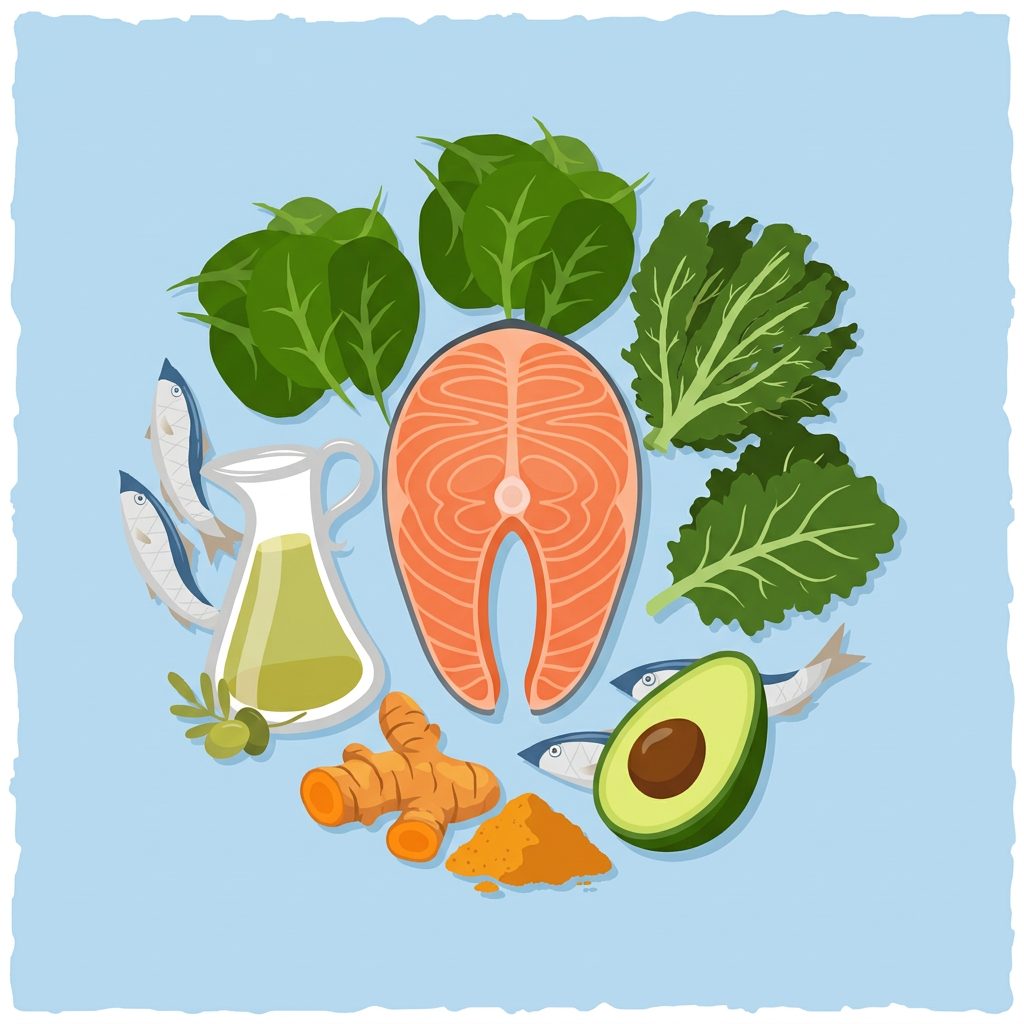
Turmeric is one of the few spices with a solid evidence base for inflammation reduction. Curcumin (its active compound) inhibits NF-kB through multiple pathways. For absorption, pair it with black pepper and a fat source – curcumin is fat-soluble and nearly unabsorbable without one. A keto turmeric smoothie using full-fat coconut milk handles both the fat pairing and the bioavailability question automatically.
Olive oil provides oleocanthal, which inhibits the same COX enzymes targeted by ibuprofen – with weaker magnitude but without the GI side effects from regular use. Use extra-virgin olive oil for cold applications; for high-heat cooking, opt for avocado oil or tallow instead, since olive oil’s polyphenols degrade above about 375 degrees F.
The inverse is also true: the foods that push inflammation in the wrong direction on a standard keto diet are mostly processed – seed oil-based dressings, high-omega-6 nut flours used in large quantities, and processed keto packaged foods. A well-constructed keto diet is built around whole food fat sources, not engineered replacements.
Key Takeaways
- A 2025 meta-analysis of 44 RCTs found keto significantly reduces TNF-alpha and IL-6 – the two primary chronic inflammation cytokines.
- CRP drops by an average of 0.62 mg/dL on keto in overweight populations, which translates to a meaningful shift in cardiovascular risk.
- Keto reduces inflammation through at least three distinct mechanisms: BHB inhibiting the NLRP3 inflammasome, gamma-delta T cell expansion in visceral fat, and lower insulin-driven metabolic inflammation.
- Head-to-head against calorie restriction, keto produces greater reductions in both CRP and neutrophil-lymphocyte ratio – suggesting the effect isn’t purely weight-loss-driven.
- Dairy sensitivity and high omega-6 intake can blunt the anti-inflammatory effect. Food quality inside the carb limit matters.
- Most RCT evidence is short-term (under 24 weeks). Long-term data is limited but mechanistically consistent.
FAQ
Does keto reduce inflammation?
Yes – the research is fairly consistent on this. A 2025 meta-analysis of 44 RCTs found that ketogenic diets significantly reduce TNF-alpha and IL-6, the two primary markers of chronic systemic inflammation. CRP, another key marker, drops by an average of 0.62 mg/dL according to a 2024 meta-analysis focused on overweight populations. The effect appears to come from multiple pathways including BHB’s direct inhibition of the NLRP3 inflammasome, not just from weight loss. You can read more about the broader benefits of a ketogenic diet on this site.
How long does it take for keto to reduce inflammation?
Most RCTs that show clear CRP and cytokine reductions run 8-24 weeks. The BHB-mediated NLRP3 inhibition begins as soon as you’re in ketosis – typically within 2-4 days of dropping to 20-30g net carbs – but measurable changes in circulating inflammatory markers take longer. Eight to twelve weeks seems to be the threshold at which most studies see clear biomarker shifts. Improved insulin sensitivity also contributes, and that generally develops over the first 4-8 weeks of fat adaptation.
Can keto cause inflammation?
For some people, certain keto implementations can maintain or increase inflammation even as carbs drop. The most common culprits are high dairy intake in people with casein sensitivity, heavy use of omega-6-heavy cooking oils, or large amounts of processed keto products. The fat source quality matters – a keto diet built around fatty fish, olive oil, and leafy greens will have a different inflammatory profile than one built around cheese, sunflower oil, and nut flours. Tracking your omega-6 intake relative to omega-3 is a useful starting point if your inflammatory markers aren’t improving as expected.
Is the anti-inflammatory effect of keto just from losing weight?
Probably not entirely. The EMIKETO RCT (2023) compared keto directly to standard calorie restriction and found that the keto group showed significantly greater reductions in CRP and neutrophil-lymphocyte ratio – even though both groups lost weight. The gamma-delta T cell expansion in visceral fat documented in the Nature Metabolism study also appears to be keto-specific rather than calorie-restriction-driven. Weight loss does independently reduce inflammatory markers, so the effects compound – but the current evidence points to keto having mechanisms beyond the weight loss alone. Understanding how insulin resistance drives inflammation helps explain why lowering carbs specifically has additional effects beyond just reducing calories.
Should I try keto for my autoimmune condition?
That’s a conversation to have with the doctor or specialist managing your condition before making any changes. The research in conditions like MS and inflammatory bowel disease is promising but still early – mostly small studies and short time frames. What the evidence does support is that the general anti-inflammatory effect of keto is real and operates through well-documented mechanisms. If you’re managing an autoimmune condition alongside metabolic issues like obesity or insulin resistance, the case for discussing keto with your care team is stronger. Read about the general health evidence for keto as background for that conversation.
Does keto help with inflammatory conditions like heart disease?
The anti-inflammatory evidence is relevant to heart disease given how central CRP and IL-6 are to cardiovascular risk. CRP is one of the strongest independent predictors of cardiovascular events, and keto consistently reduces it across multiple trials. The picture is more complex because keto’s effect on LDL particle size, HDL, and triglycerides also matters for cardiovascular health – and those effects vary by individual. The inflammation reduction is a real positive signal; it’s one part of a larger cardiovascular picture.
Sources
- Effects of ketogenic diet on inflammatory markers: a meta-analysis of 44 randomized controlled trials – PubMed / NCBI
- Ketogenic diet and CRP reduction in overweight and obese adults: meta-analysis of RCTs – PubMed / NCBI
- Ketogenic diet expands gamma-delta T cells in visceral fat to restrain inflammation – Nature Metabolism / PubMed
- Beta-hydroxybutyrate inhibits NLRP3 inflammasome activation; BHB levels in Alzheimer’s patients – PubMed / NCBI
- Ketogenic diet in multiple sclerosis: reduced leptin, increased adiponectin, stable neurofilament – PubMed / NCBI
- VLKD and liver disease regression: CRP drops explain 65.9% of variance – PubMed / NCBI
- EMIKETO RCT: ketogenic diet vs calorie restriction on CRP and neutrophil-lymphocyte ratio – PubMed / NCBI
- BHB as an epigenetic regulator of inflammation via HDAC inhibition and NF-kB signaling – PMC / NCBI
- 12-week ketogenic vs low-fat diet: six inflammatory biomarkers reduced – PMC / NCBI