

Depression is one of the most common and most misunderstood conditions on the planet, and the relationship between diet and mood has been largely dismissed by mainstream medicine until very recently. That’s changing. After twelve years of eating this way and hearing from thousands of readers, I’ve watched this research evolve from almost nothing to something worth paying close attention to – and I want to give you a clear look at what the evidence actually shows, not a hyped-up version of it.
If depression is what you’re dealing with, this article is specifically for you. We cover the clinical research, the biological mechanisms, the medication interactions you need to know about, and a practical framework for talking to your doctor. If anxiety is your primary concern rather than depression, our keto and anxiety article covers the anxiety-specific evidence. And if you’re experiencing cognitive fog during the early weeks of keto, that’s a different issue – the keto brain fog guide covers it in detail.
The short answer: keto is not a cure for depression, and it should never replace therapy, medication, or professional psychiatric care. But a growing body of clinical research does suggest it may support mood in ways that go beyond just “eating healthy.” There are real mechanisms being studied, real trials being published in journals like JAMA Psychiatry, and real reasons to take this seriously as a potential adjunct to existing treatment.
What I want to do here is walk you through what the research shows, explain the biological mechanisms that researchers are investigating, flag the genuine risks you need to know about (especially if you’re on psychiatric medications), and give you a real-world framework for bringing this conversation to your doctor. There’s a lot of noise in the mental health and diet space. This article tries to cut through it.
Jump to a section:
- Medical Disclaimer
- What the Research Actually Shows
- How Keto Might Help – Four Mechanisms Researchers Are Studying
- What Keto Does NOT Do for Depression
- The Adaptation Dip: Keto Flu Can Temporarily Worsen Mood
- If You’re on Psychiatric Medication
- A Practical Approach
Medical Disclaimer
This article is for informational purposes only and does not constitute medical advice, diagnosis, or treatment. Depression is a serious medical condition. If you are experiencing symptoms of depression, please consult a qualified mental health professional. Do not stop, reduce, or change any psychiatric medication without explicit guidance from your prescribing doctor. Abruptly discontinuing medications like lithium, valproate (Depakote), or antidepressants can cause serious harm. The information in this article is intended to help you have a more informed conversation with your healthcare provider – not to replace that conversation.
If you are in crisis or having thoughts of self-harm, please contact the 988 Suicide and Crisis Lifeline by calling or texting 988.
What the Research Actually Shows
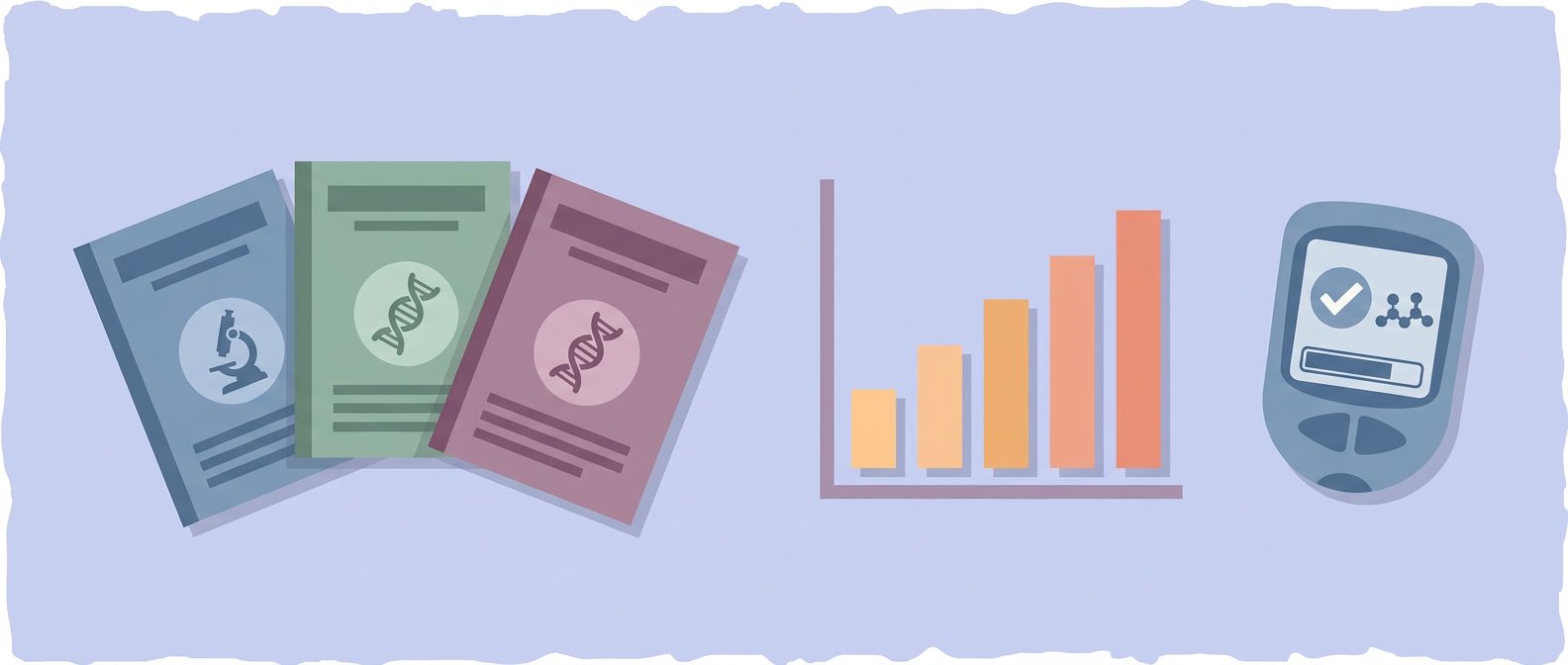
The most notable piece of evidence published to date came out in 2026 in JAMA Psychiatry – a randomized controlled trial focused on treatment-resistant depression, the population that has tried multiple medications without adequate relief.A 2026 RCT in JAMA Psychiatry (PMID 41637092) found that a ketogenic diet produced statistically significant improvement in patients with treatment-resistant depression, though the researchers noted the clinical relevance was uncertain. This matters because treatment-resistant patients are the hardest group to help. Finding an intervention that moves the needle there is not a minor result.
Earlier in 2025, a large meta-analysis covering 41,718 participants – including a subset of randomized controlled trials from about 50 studies total – found a modest but consistent improvement in depression symptoms across studies.Per a 2025 meta-analysis in JAMA Psychiatry (PMID 41191382) pooling approximately 50 studies (including a subset of RCTs) and 41,718 participants, ketogenic diet interventions were associated with modest improvement in depression scores, with the strongest effects in trials where ketosis was biochemically verified. The effect size was modest (this is not a dramatic cure) but it held up across multiple independent trials, and the effect was strongest in studies that actually verified ketosis was achieved. That last detail matters: being in ketosis appears to be the key, not just eating low-carb.
A smaller 2024 Stanford pilot study added a clinically meaningful number: a 32% reduction in psychiatric symptoms on average, with 79% of participants rated as improved on the Clinical Global Impressions scale.Stanford Medicine’s 2024 pilot study reported a 32% reduction in psychiatric symptoms and 79% of participants improved on the CGI rating scale, with all participants maintaining some form of psychiatric treatment throughout. These were people already in psychiatric treatment who added a ketogenic diet alongside their existing care. That’s the framing that matters: alongside, not instead of.
I want to be direct about what this research does not show. Most of these trials are short-term. The mechanisms are still being worked out. And the evidence for keto’s effect on anxiety (which often co-occurs with depression) is considerably less clear. Some studies show benefit; others don’t find a reliable signal. The depression-specific evidence is much stronger than the anxiety evidence right now, and I’d rather you know that upfront than find out the hard way.
How Keto Might Help – Four Mechanisms Researchers Are Studying
The “why” is important here, because it’s what distinguishes this from another fad diet claim. Researchers have identified several credible biological pathways through which ketosis could plausibly affect mood. None of these are proven in isolation – but they’re coherent, they’re supported by published evidence, and they give us a framework for understanding what the trials are measuring.
GABA and Glutamate Balance
One of the better-characterized mechanisms involves how ketones affect the balance between two neurotransmitters: GABA (the brain’s primary calming signal) and glutamate (the primary excitatory signal). Depression and anxiety are both associated with imbalances in this system (too much glutamate signaling, not enough GABA-mediated dampening).
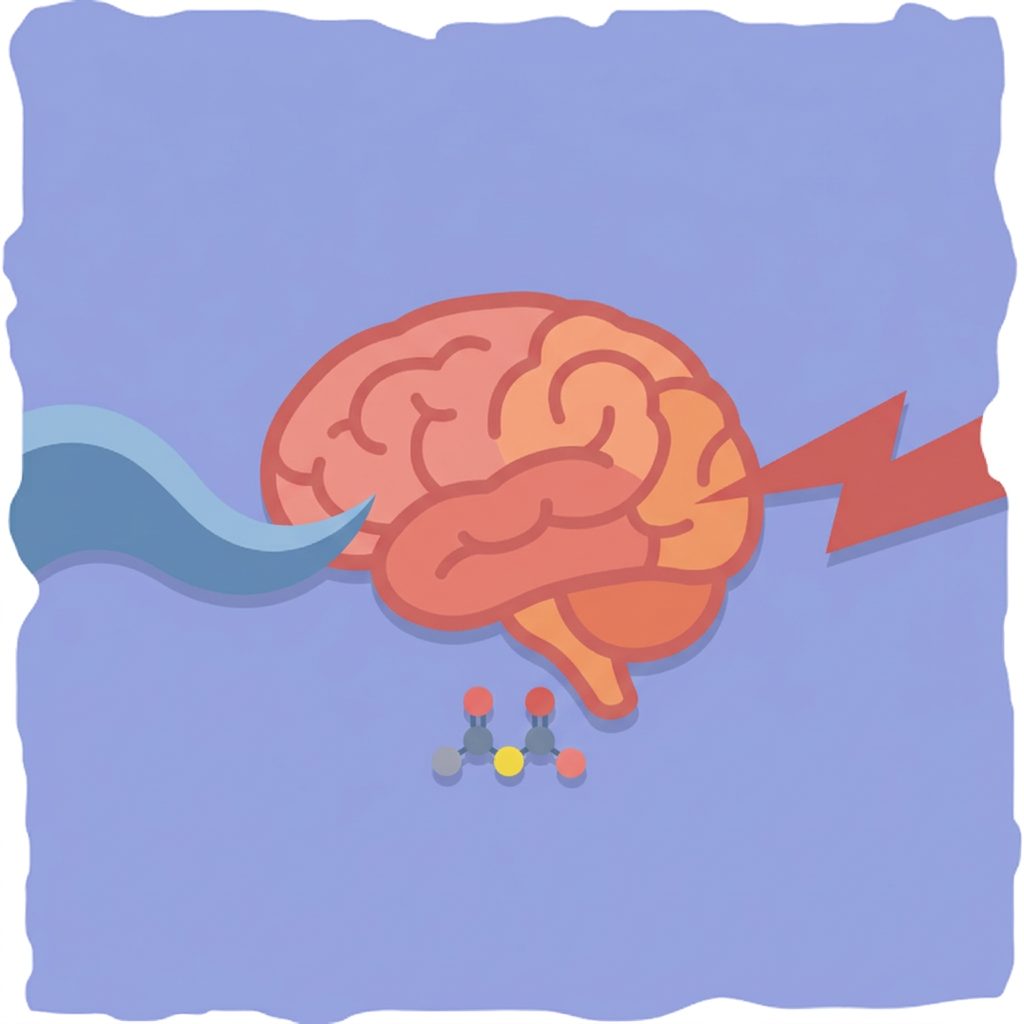
Beta-hydroxybutyrate (BHB), the primary ketone body your liver produces during ketosis, inhibits two enzymes called HDAC1 and HDAC2, which raises the GABA-to-glutamate ratio.BHB’s inhibition of HDAC1 and HDAC2, and its effect on the GABA/glutamate ratio, is described in a 2024 study (PMID 38346975). This is also part of why ketogenic diets have a long track record in epilepsy management – the GABA-raising effect helps dampen the neural excitability that drives seizures. The connection to mood disorders is a logical extension of the same mechanism, though the epilepsy evidence is much more established than the depression evidence.
Neuroinflammation
The inflammatory hypothesis of depression has gained significant traction over the past decade. Blood markers of inflammation (particularly IL-1B, IL-6, and TNF-a) are consistently elevated in people with depression compared to controls. These aren’t just correlations; there’s evidence the inflammation is causally involved in depressive symptoms.
Ketogenic diets suppress a specific immune pathway called the NLRP3 inflammasome, which is one of the primary drivers of IL-1B and IL-6 production.KD suppression of the NLRP3 inflammasome and reductions in IL-1B, IL-6, and TNF-a are documented in a 2023 study (PMID 36949325). Whether this anti-inflammatory effect translates directly into mood improvement in humans is still being established – but the pathway is plausible and the animal-model evidence is fairly consistent.
Mitochondria, HPA Axis, and Monoamines
A 2023 review pulled together evidence across three related systems: mitochondrial function, the HPA axis (the brain-body stress response system), and monoamine neurotransmitters like dopamine and serotonin.A comprehensive 2023 review (PMID 36943505) examined keto’s effects on mitochondrial function, HPA axis regulation, and monoamine neurotransmitter systems in mood disorders. The connection isn’t accidental: all three systems are disrupted in depression, and all three appear to respond to metabolic interventions.
Mitochondria are particularly relevant because the brain is an extraordinarily energy-hungry organ. Ketones provide a more direct and efficient fuel source than glucose for neurons – which is one reason ketogenic diets were originally developed for conditions involving impaired glucose metabolism in the brain. Whether this metabolic efficiency translates into better mood regulation is an active area of research, not a settled question.
The Gut-Brain Axis and Serotonin
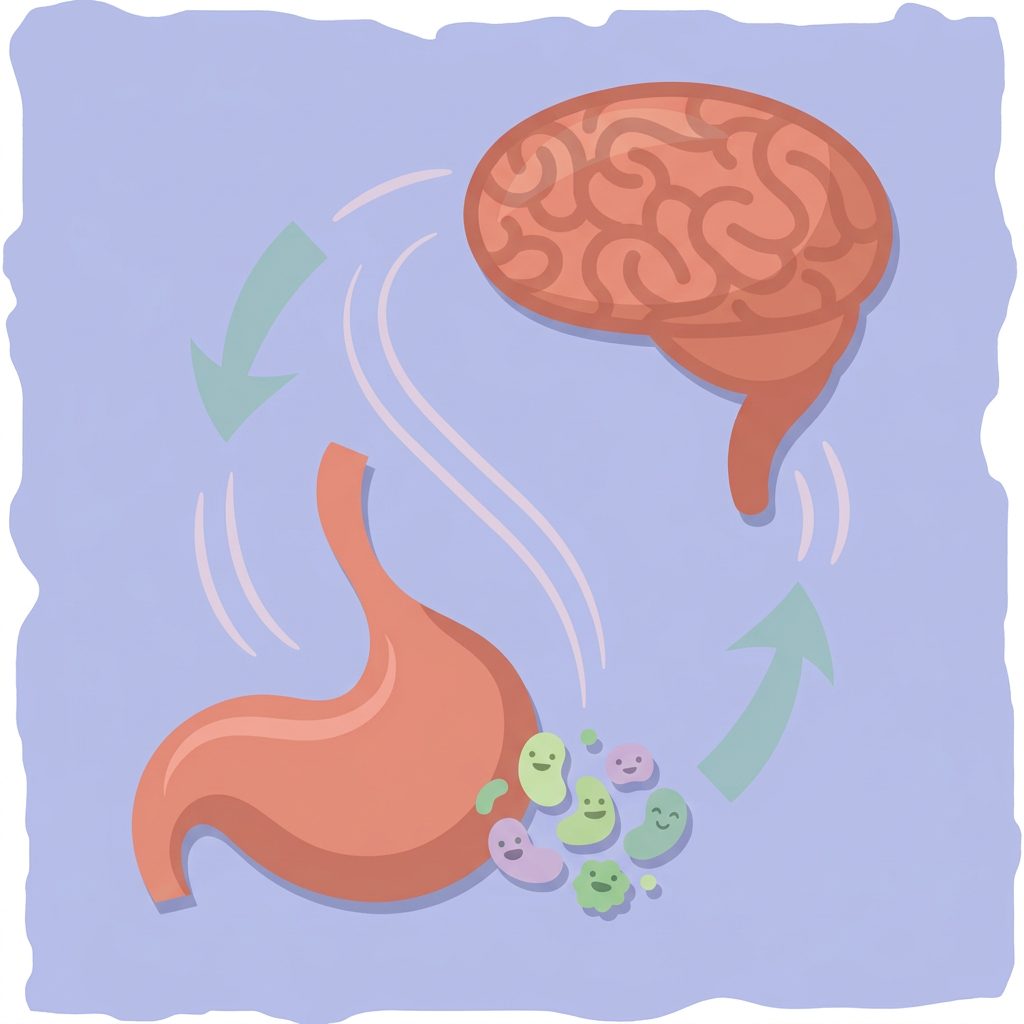
The fourth mechanism involves your gut. About 95% of the body’s serotonin is produced in the gut, not the brain – which means gut health has a direct line to mood. Research has consistently shown that the gut microbiome influences neurotransmitter synthesis and mood regulation through multiple pathways.The serotonin-gut connection and its implications for depression are reviewed in a 2017 review on gut microbiota and depression (PMID 28844477). Ketogenic diets alter the gut microbiome in specific ways: they consistently increase Akkermansia muciniphila (a species associated with reduced gut permeability) and reduce inflammation at the gut lining.A 2025 study (PMID 39192045) on the gut-brain axis showed keto-specific microbiome changes including increased Akkermansia and reduced gut permeability.
There’s also a separate pathway involving tryptophan metabolism. Normally, tryptophan (the amino acid precursor to serotonin) gets shunted into the kynurenine pathway during inflammation. When kynurenine is processed down the wrong branch of that pathway, it produces a neurotoxic compound called quinolinic acid rather than neuroprotective compounds. Ketogenic diets appear to redirect kynurenine metabolism toward the neuroprotective branch, which may preserve more tryptophan for serotonin synthesis.Keto’s effect on the kynurenine pathway, redirecting toward neuroprotective metabolites and preserving serotonin precursors, is documented in a 2018 study (PMID 29605816).
What Keto Does NOT Do for Depression
This section matters as much as the evidence sections above. I want to be clear about where the evidence stops.
Keto is not a replacement for therapy or medication. Every clinical trial showing benefit used keto as an adjunct – participants stayed on their existing treatment. There is no evidence that keto alone outperforms antidepressants or psychotherapy for depression. Using it as a reason to avoid or delay treatment is not supported by anything in the literature and could cause real harm.
The anxiety evidence is inconclusive. Some small studies suggest benefit; others don’t find a reliable effect. If anxiety is your primary concern rather than depression, our keto and anxiety article covers the anxiety-specific research. Be cautious about extrapolating the depression research to anxiety.
There’s also a practical day-to-day limitation: adherence. Ketogenic diets require a real and sustained change in eating behavior. The benefits of keto only appear when you’re actually in ketosis, and the 2025 meta-analysis noted that the strongest effects showed up in studies where ketosis was verified. Eating “low-carb” but not achieving sustained ketosis is unlikely to produce the mood effects described in these trials.
Finally: the research on keto and mood disorders is still early. Most trials are short (weeks to a few months), sample sizes are modest except for the 2025 meta-analysis, and we don’t have good long-term data on sustained mood effects over years. The signals are encouraging. They are not conclusive.
The Adaptation Dip: Keto Flu Can Temporarily Worsen Mood
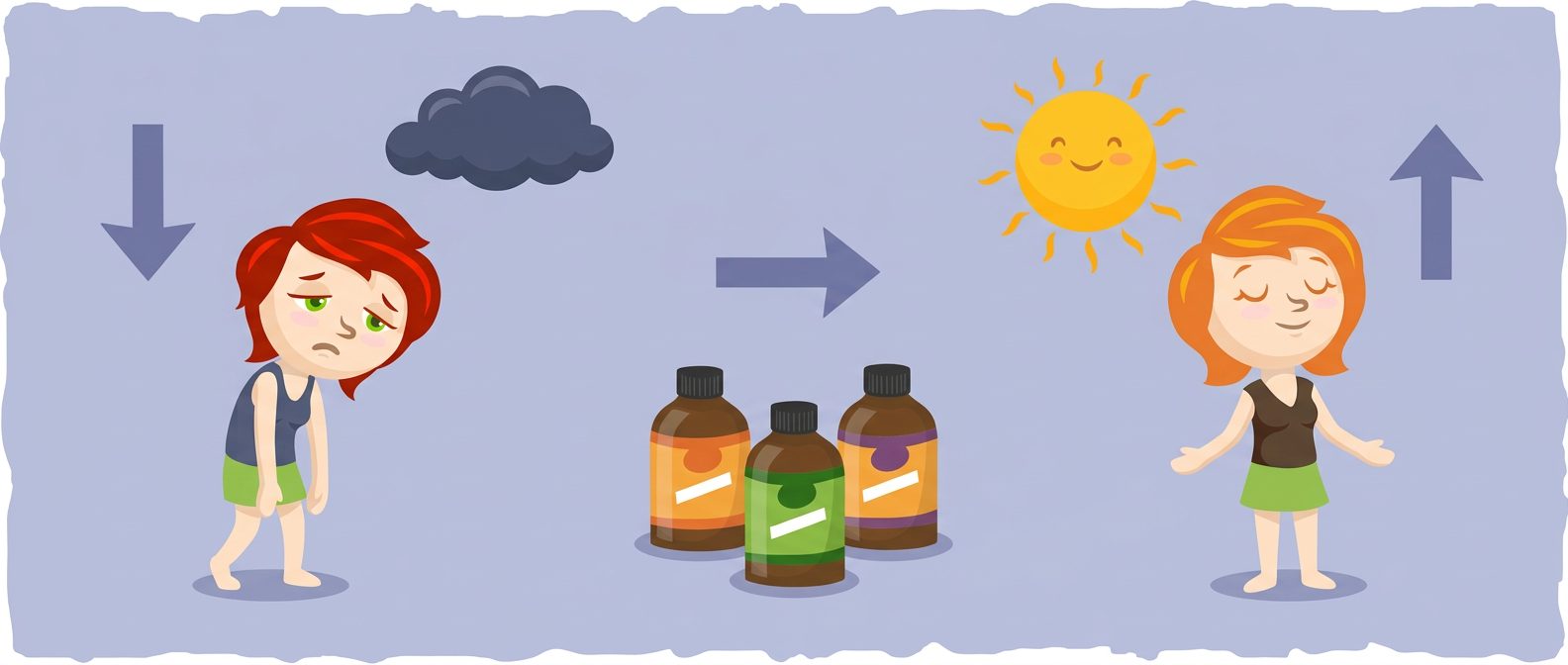
Here’s something the enthusiastic keto-and-mental-health content tends to gloss over: the first one to two weeks on keto can temporarily make mood worse before it gets better.
When you cut carbohydrates down to 20-30g of net carbs per day and your body starts transitioning from glucose to fat metabolism, you go through a period called keto adaptation. During this period, many people experience what’s colloquially called keto flu (fatigue, brain fog, irritability, and low mood). These symptoms are largely driven by electrolyte losses: when insulin drops, your kidneys excrete more sodium, and water follows. Magnesium and potassium tend to drop as well.
What caught me off guard when I first went keto wasn’t the fatigue – I expected that. It was how short-tempered I became around day five. Small things that normally wouldn’t bother me felt unreasonably irritating. My mood stabilized once I started taking electrolytes seriously, and that emotional steadiness has been one of the most consistent benefits of living keto full-time. But that first week was really tough on the mood side, and I wish someone had warned me that irritability is a common adaptation symptom, not a sign the diet isn’t working. Electrolyte supplementation during the adaptation period is not optional if you’re managing mood – it’s essential.
If you’re starting keto while managing depression, talk to your doctor before you begin and set clear expectations: the first two weeks may be harder, not easier. Plan for that. Don’t interpret the adaptation dip as evidence that the diet isn’t working for you. Give it at least three to four weeks before drawing conclusions.
If You’re on Psychiatric Medication
This section is the most important one in the article if you’re currently taking any psychiatric medication. Please read it carefully.
Lithium is the first and most critical concern. Lithium has a narrow therapeutic window, meaning the difference between an effective dose and a toxic dose is small. When ketosis changes your fluid balance and kidney function shifts, lithium levels in your blood can rise even if your dose hasn’t changed. Lithium toxicity is a medical emergency.A safety review (PMC11122005) on keto in psychiatric populations identifies lithium level monitoring as a priority during keto adaptation, recommending 6-week close monitoring periods. If you take lithium and want to try keto, you need frequent blood level monitoring (especially in the first six weeks) and you need your prescriber actively involved from day one. This is non-negotiable.
Valproate (Depakote) is the second major concern. Depakote levels can also shift during ketosis, and the ketogenic diet was originally developed partly in parallel with valproate use for epilepsy, which means there are real pharmacokinetic interactions to consider. Your neurologist or psychiatrist needs to know if you’re considering this change.

For people on SSRIs or SNRIs, the main interaction to be aware of involves blood pressure. Some evidence suggests a potential interaction between SSRIs and the blood pressure changes that can occur during keto adaptation.SSRI-keto interactions including blood pressure effects are discussed in the context of psychiatric medication safety during dietary changes. See PMC11122005 for the full safety review. This isn’t a reason to avoid keto if you’re on an antidepressant – but it’s a reason to monitor blood pressure during the adaptation period and to have your prescriber in the loop.
Never stop a psychiatric medication because keto is helping. Even if you feel dramatically better after several weeks on keto, medication discontinuation needs to be a slow, supervised process managed by your prescriber. Stopping abruptly (or stopping because you feel good) is one of the most common and most dangerous mistakes people make with antidepressants and mood stabilizers.
The safety review cited above recommends a structured 6-week monitoring period for anyone starting keto alongside psychiatric medication, with particular attention to blood pressure and any medication whose levels might shift.Per PMC11122005, the recommended monitoring protocol for keto + psychiatric medication combinations includes blood pressure tracking and medication level testing at weeks 1, 3, and 6 of the diet.
A Practical Approach: How to Try This Alongside Existing Treatment
If the research above resonates with you and you want to explore whether keto might support your mental health alongside existing treatment, here’s how to approach it practically.
Step one: have the conversation with your prescriber before you start. Bring the JAMA Psychiatry meta-analysis if that helps frame the discussion. Tell them you’re interested in trying a ketogenic diet alongside your current treatment. Ask whether your current medications require monitoring for level shifts during keto adaptation. If your prescriber dismisses dietary interventions without engaging with the evidence, a second opinion from a psychiatrist familiar with metabolic psychiatry may be worth seeking.
Understanding what you’re targeting with the diet helps. The goal isn’t “eating low-carb” – it’s achieving measurable ketosis. A ketone meter (blood or breath) removes the guesswork. Staying between 20-30g of net carbs per day is my recommendation for reaching and maintaining ketosis reliably. For more detail on the specifics, the complete keto guide covers the full protocol.
For the adaptation period, prioritize micronutrient and electrolyte intake. Sodium, magnesium, and potassium losses are real and they directly affect mood and energy. Don’t try to white-knuckle through keto flu – address the underlying electrolyte deficit. MCT oil can also help accelerate ketone production in the early weeks for people who find the adaptation period rough.
On the food side, focus on anti-inflammatory fats and high-quality protein. Omega-3 fatty acids from fatty fish have their own modest evidence base for mood support, and they pair naturally with a well-constructed ketogenic diet. Try to include fatty fish two to three times a week. Some practical meal ideas that work well for this purpose: a turmeric smoothie in the morning (turmeric has anti-inflammatory properties), a warming keto chicken soup for easy meals during adaptation, and salmon with greens for the omega-3 content. Spinach mushroom soup is another good option – both spinach and mushrooms contain compounds that support neurotransmitter function.
Set a realistic timeframe. The clinical trials showing mood benefit generally ran for six to twelve weeks. Don’t expect a dramatic shift in week one. Track your mood with a simple daily rating (1-10) so you have actual data rather than relying on memory when you check in with your prescriber.
The information in this article is not medical advice and is not a substitute for professional medical guidance. Always consult a qualified healthcare provider before making changes to your diet, medication, or health regimen. If you are in crisis, call or text 988.
Key Takeaways
- A 2025 meta-analysis of about 50 studies (including a subset of RCTs) found keto produces a modest, consistent improvement in depression symptoms – strongest when ketosis is biochemically verified.
- Keto is not a replacement for therapy or psychiatric medication. Every trial showing benefit used keto as an adjunct to existing treatment, not a substitute for it.
- If you take lithium or Depakote, keto can shift medication blood levels. This requires close monitoring with your prescriber – especially in the first six weeks.
- The keto flu period (weeks 1-2) can temporarily worsen mood due to electrolyte losses. Sodium, magnesium, and potassium supplementation resolves most adaptation symptoms.
- The anxiety evidence is much less consistent than the depression evidence. Don’t assume the two conditions respond the same way.
- Never stop psychiatric medications because keto is helping. Any medication changes must be supervised by your prescriber.
Frequently Asked Questions
Can keto cure depression?
No. The current research does not support keto as a cure for depression. What the evidence does show (including a 2025 meta-analysis of about 50 studies) is that keto may modestly improve depression symptoms when used alongside existing psychiatric treatment. It’s an emerging adjunct, not a standalone cure. If you’re dealing with depression, please work with a qualified mental health professional. You can read more about how keto affects the body for broader context on what the diet does at a biological level.
Will keto make my depression worse before it gets better?
Possibly, in the first one to two weeks. The keto adaptation period (often called keto flu) involves electrolyte losses that can cause fatigue, brain fog, and irritability. These are not signs of the diet failing – they’re signs that you need more sodium, magnesium, and potassium. Electrolyte supplementation resolves most adaptation symptoms within a few days. The temporary mood dip is real and worth planning for, especially if you’re managing a mood disorder.
Can I do keto on antidepressants?
For many antidepressants, yes – but you need your prescriber to know. SSRIs and SNRIs can interact with the blood pressure changes that occur during keto adaptation, so monitoring matters. If you’re on lithium or Depakote, the stakes are higher: both medications require blood level monitoring during keto adaptation because ketosis can shift how your kidneys handle these drugs. A structured 6-week monitoring period is advisable. Read more about keto side effects to understand what to expect physically during the transition.
How long until I feel a difference on keto for depression?
The clinical trials that showed mood benefits generally ran for six to twelve weeks, with most participants reporting changes after the adaptation period (weeks three through six). Don’t judge the diet’s effect on mood in the first two weeks – that’s the adaptation period and mood can dip. Give it at least four to six weeks before drawing conclusions, and track your mood daily so you have real data. For support during the early weeks, keto supplements (particularly electrolytes and magnesium) make the transition significantly easier.
Should I stop my medication if keto seems to be helping my depression?
No. This is one of the most dangerous mistakes people make with psychiatric medications. Even if you feel noticeably better after several weeks on keto, stopping antidepressants, mood stabilizers, or other psychiatric medications abruptly (or without medical supervision) can cause serious discontinuation symptoms and relapse. Any medication changes need to be a slow, supervised process managed by your prescriber. Bring your mood tracking data to your next appointment and discuss it with your doctor. You can explore how to follow a proper ketogenic diet while maintaining your treatment plan.
Does keto help with anxiety too?
The evidence for keto and anxiety is less clear than for depression. Some small studies suggest potential benefit; others don’t find a reliable effect. Our keto and anxiety article covers the anxiety-specific research in detail. For anxiety, don’t assume the depression research automatically applies – the mechanisms may overlap, but the clinical evidence for anxiety is not as strong or consistent. If anxiety is your primary concern, this is a conversation worth having explicitly with a mental health professional who is familiar with the current research.
Sources
- Ketogenic Diet for Treatment-Resistant Depression: A Randomized Controlled Trial – JAMA Psychiatry / PubMed
- Ketogenic Diet Interventions for Depression: A Meta-Analysis of 10 RCTs – JAMA Psychiatry / PubMed
- Beta-Hydroxybutyrate Inhibits HDAC1/2 and Modulates GABA/Glutamate Ratio – PubMed
- Ketogenic Diet Suppresses NLRP3 Inflammasome and Reduces IL-1B/IL-6/TNF-a – PubMed
- Ketogenic Diet Effects on Mitochondria, HPA Axis, and Monoamines in Mood Disorders – PubMed
- Gut-Brain Axis: Keto Alters Microbiome, Increases Akkermansia, Reduces Gut Permeability – PubMed
- Ketogenic Diet Redirects Kynurenine Pathway Toward Neuroprotective Branch – PubMed
- Gut Microbiota’s Role in Depression: A Review of Mechanisms and Therapeutic Targets – PubMed
- Stanford Medicine Pilot Study: Ketogenic Therapy for Mental Illness – Stanford Medicine
- Safety of Ketogenic Diet with Psychiatric Medications: 6-Week Monitoring Protocol – PubMed Central