

A lot of people who start keto report something unexpected: after the rough first few weeks, they feel calmer. Less on edge. The mental noise quiets down a bit. Having been keto full-time since 2013 and spent years researching the science behind it, I’ve noticed this myself – not a dramatic shift, but a steadiness that wasn’t there when I was running on carbs and blood sugar spikes.
If you’re here because you deal with anxiety and you’re wondering whether keto might help, this article is for you. If depression is your primary concern, our keto and depression article covers the mood-specific research, which has a stronger evidence base. And if you’re dealing with the mental fog that hits during the first week or two of keto, that’s a different issue entirely – our keto brain fog guide breaks down exactly why it happens and how to fix it.
So when people ask whether keto can help with anxiety, I get why the question comes up. The research points to some interesting mechanisms, but the clinical evidence in humans is limited, mixed, and nowhere near strong enough to say keto treats anxiety. This is not a “keto fixes everything” article.
What I can do is walk you through what the science actually says, explain the biological pathways that researchers think might matter, be upfront about where the evidence runs out, and give you practical guidance if anxiety is something you’re managing while following a ketogenic diet. Anxiety is a real medical condition. If you’re dealing with it seriously, working with a mental health professional matters – diet is one piece of a much larger picture.
With that context in place, here’s what the research shows.
Jump to a section:
- What the Research Actually Says
- How Keto Might Affect Anxiety: The Mechanisms
- When Keto Might Make Anxiety Worse
- Practical Guidance If You’re on Keto and Dealing With Anxiety
What the Research Actually Says

The short version: animal studies are consistently promising, human data is thin, and the most rigorous trials show no significant benefit for anxiety specifically.
A 2026 systematic review and meta-analysis published in JAMA Psychiatry looked at nine randomized controlled trials on ketogenic diets and anxiety outcomes. The pooled result showed no significant association (SMD -0.03; 95% CI -0.18 to 0.12). Ketogenic Diets and Depression and Anxiety: Systematic Review and Meta-Analysis – JAMA Psychiatry / PubMed For depression, the same analysis found a modest but statistically significant effect in RCTs – but anxiety didn’t follow that pattern.
An earlier 2023 systematic review in BJPsych Open reached similar conclusions, identifying no high-quality evidence for ketogenic diets in mood or anxiety disorders. Efficacy of low carbohydrate and ketogenic diets in mood and anxiety disorders – PMC / BJPsych Open Of the 12 studies that met inclusion criteria, 9 were case reports and none were randomized controlled trials.
The more encouraging data comes from less rigorous designs. A 2024 case series published in Frontiers in Nutrition followed three adults with treatment-resistant major depression and generalized anxiety disorder through personalized ketogenic metabolic therapy. Complete remission of depression and anxiety using a ketogenic diet: case series – PMC / Frontiers in Nutrition All three reached full remission on both conditions – anxiety remitted within 7 to 12 weeks. But three patients, no control group, and an intensive support structure make it impossible to attribute outcomes to diet alone.
The honest read: animal studies keep pointing in the same direction, early human observations are interesting, but we don’t have the controlled human trials yet to say whether keto helps with anxiety – or for whom it might help most.
How Keto Might Affect Anxiety: The Mechanisms
Even where the clinical evidence is limited, the biology behind the keto-anxiety connection is worth understanding. There are several distinct pathways researchers have identified – some better supported than others.
GABA, Glutamate, and the Brain’s Calming System
GABA is your brain’s primary inhibitory neurotransmitter. Think of it as the brake pedal on neuronal activity. When GABA is abundant, the nervous system calms. When glutamate – the excitatory counterpart – dominates, things get noisy. Many anti-anxiety medications work precisely by amplifying GABA signaling.
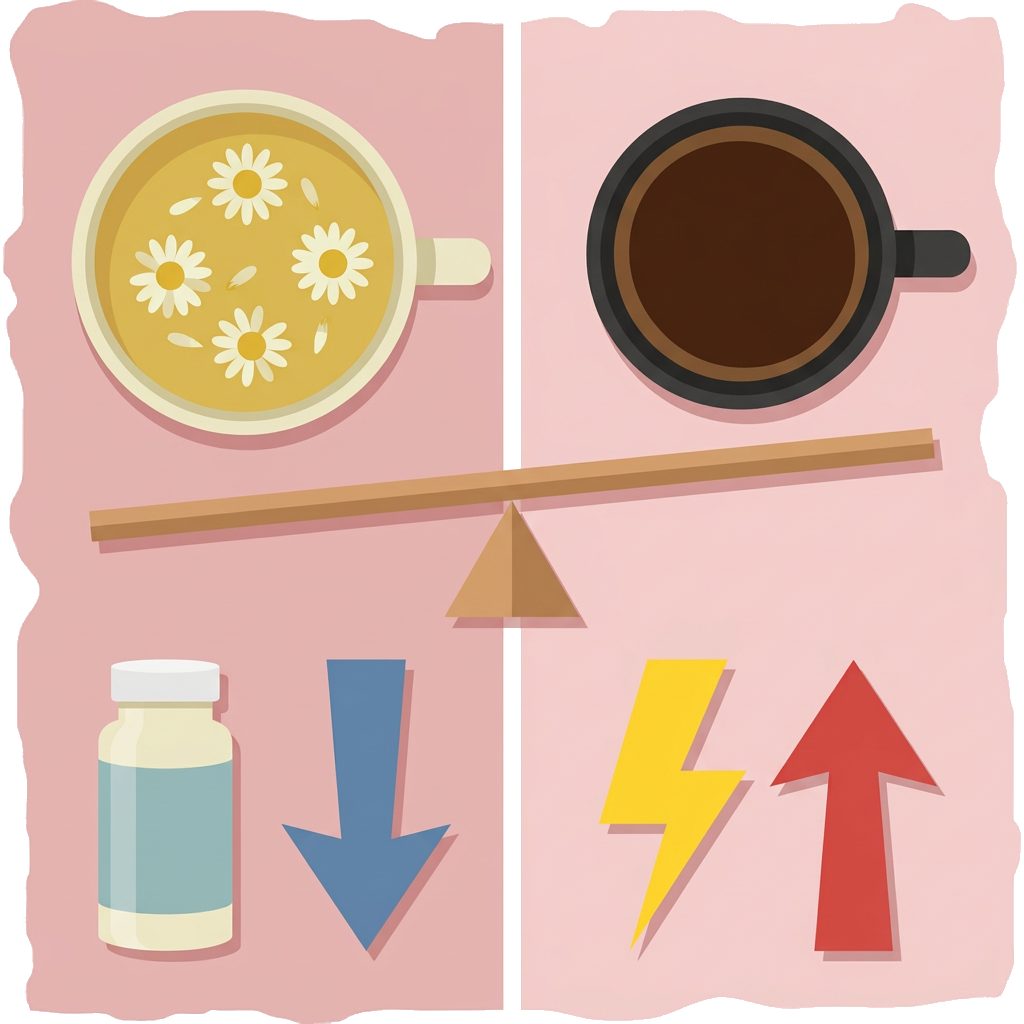
Ketosis appears to shift this balance toward GABA. Here’s the mechanism: when you’re in ketosis, your brain metabolizes ketone bodies rather than relying primarily on glucose. This metabolic shift changes how astrocytes (the brain’s support cells) handle glutamate. Research published in the Journal of Neurochemistry found that during ketosis, enhanced glutamine synthesis in astrocytes pulls more glutamate out of the synapse, and more of that glutamate gets converted into GABA via the glutamate decarboxylase enzyme – rather than being diverted into other metabolic pathways. Ketosis and Brain Handling of Glutamate, Glutamine and GABA – PMC / Journal of Neurochemistry
This is solid mechanistic work. But it comes largely from animal studies and in-vitro research. Whether these shifts are large enough in living humans to meaningfully change anxiety levels is not yet established.
Blood Sugar Stability and the Anxiety-Glucose Loop
This one has stronger clinical grounding than the GABA mechanism.
When blood sugar drops – whether from reactive hypoglycemia after a high-carb meal or from skipping food – your body responds by releasing epinephrine (adrenaline). Epinephrine is a stress hormone. It raises heart rate, triggers sweating, causes shakiness, and creates a general sense of alarm. These are the same symptoms that define an anxiety episode for many people. Generalized Anxiety Disorder and Hypoglycemia Symptoms Improved with Diet – PMC / BMJ Case Reports
A 2016 case report published in BMJ Case Reports documented this directly – a 15-year-old with generalized anxiety disorder saw anxiety drop from 8/10 to 4-5/10 within four weeks of switching to protein-and-fat-anchored meals that stabilized her blood sugar. When she briefly reverted to her old diet, anxiety worsened within a day. Generalized Anxiety Disorder and Hypoglycemia (clinical detail) – PMC / BMJ Case Reports
Ketosis largely removes this mechanism. When you’re staying under 20-30g net carbs per day and your body is primarily running on fat and ketones, you don’t get the sharp glucose swings that trigger reactive hypoglycemia. Blood sugar stays in a much narrower range.
Inflammation and the Nervous System
Beta-hydroxybutyrate (BHB), the primary ketone body circulating during nutritional ketosis, has measurable anti-inflammatory effects at the cellular level. Potential Effects of Ketogenic Diet in Prevention of Stress, Anxiety, Depression – PMC / Nutrients In-vitro research using mouse microglial cells found that BHB shifts these immune cells from a pro-inflammatory state toward an anti-inflammatory one. Ketogenic Diet and Neuroinflammation: BHB in Microglial Cells – PMC / Nutrients
This matters because neuroinflammation is increasingly linked to mood disorders, including anxiety. Elevated inflammatory markers are found in people with anxiety and depression.
The important caveat: the microglial research is in-vitro work using mouse cells. It establishes a plausible mechanism. It does not establish that keto reduces neuroinflammation in living humans at a level that affects anxiety symptoms.
The Gut-Brain Axis
The gut-brain axis – the two-way communication network between your digestive system and your central nervous system – runs primarily through the vagus nerve, and gut bacteria produce many of the same neurotransmitters your brain uses, including GABA and serotonin. Gut-Brain Axis and Microbiome in Anxiety Disorders – PMC / Frontiers in Neuroscience
A ketogenic diet substantially changes gut microbiome composition. Whether those changes are beneficial, neutral, or harmful for mental health is still unclear. One 2023 systematic review found that keto alters microbiota in ways that could support intestinal barrier function and reduce inflammatory signaling – but the evidence is mostly observational and the clinical significance for mental health remains speculative. Influence of Ketogenic Diet on Gut Microbiota – PMC / Nutrients
This is an active research area. The gut-brain axis is real and clinically relevant. The specific effects of a ketogenic diet on that axis, and what they mean for anxiety, haven’t been worked out yet.
When Keto Might Make Anxiety Worse
This part of the story gets less coverage, but it’s just as important. Not everyone who starts keto feels calmer. Some people feel more anxious – particularly in the early weeks.
When I first started keto, the adaptation period was rough in ways I didn’t expect. The fatigue and brain fog were predictable. But what surprised me was this low-grade restlessness that settled in around day four – an edginess, almost like I’d had too much coffee but without the caffeine. It took me a couple of weeks to connect it to the cortisol spike that happens during carbohydrate withdrawal. Once my body adjusted and I dialed in the electrolytes, the edginess faded and a calm steadiness replaced it.
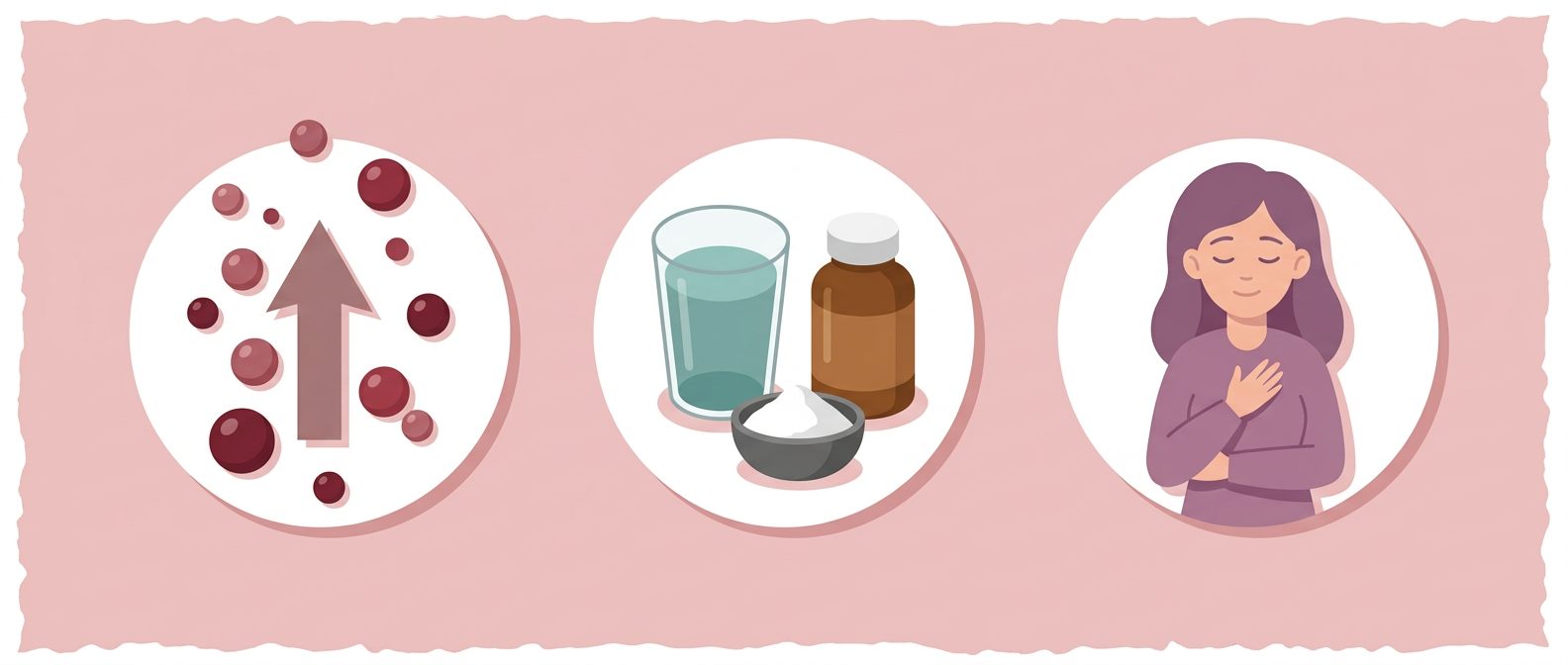
The adaptation period and cortisol. During the first few weeks of carbohydrate restriction, cortisol – the body’s primary stress hormone – can rise transiently. A 2023 systematic review found elevated resting cortisol in the first three weeks of a low-carbohydrate diet, though levels appeared to normalize afterward. Effects of ketogenic diet on hypothalamic-pituitary-adrenal axis and cortisol – PMC / Frontiers in Nutrition During this window, some people report symptoms that overlap with anxiety – restlessness, palpitations, irritability.
Electrolyte depletion. When you drop carbs, insulin falls, and your kidneys excrete sodium at a higher rate. Low magnesium is independently associated with anxiety symptoms – and the heart palpitations and muscle tension that come with low electrolytes can feel like anxiety, or make existing anxiety worse. Using Supplements to Maximize your Ketogenic Diet – Ruled Me The good news: this is entirely preventable with adequate electrolyte replacement. Our guide to keto flu symptoms and remedies covers exactly what to supplement and in what amounts.
Social and psychological stress. A ketogenic diet is restrictive. Social eating becomes complicated. Navigating restaurants, family meals, and work events while tracking net carbs adds a layer of cognitive load that some people find actually stressful. If the restrictiveness of keto is itself a source of anxiety, that matters for whether the diet is the right choice for you right now.
If anxiety is severe or worsening. This is not a situation to try to diet your way through alone. A mental health professional is the appropriate resource. Diet changes may complement other treatments, but they don’t replace them.
Practical Guidance If You’re on Keto and Dealing With Anxiety
Whether you’re coming to keto hoping it might help with anxiety, or you’ve been doing keto and noticed your anxiety shifting in either direction, here’s what actually matters.
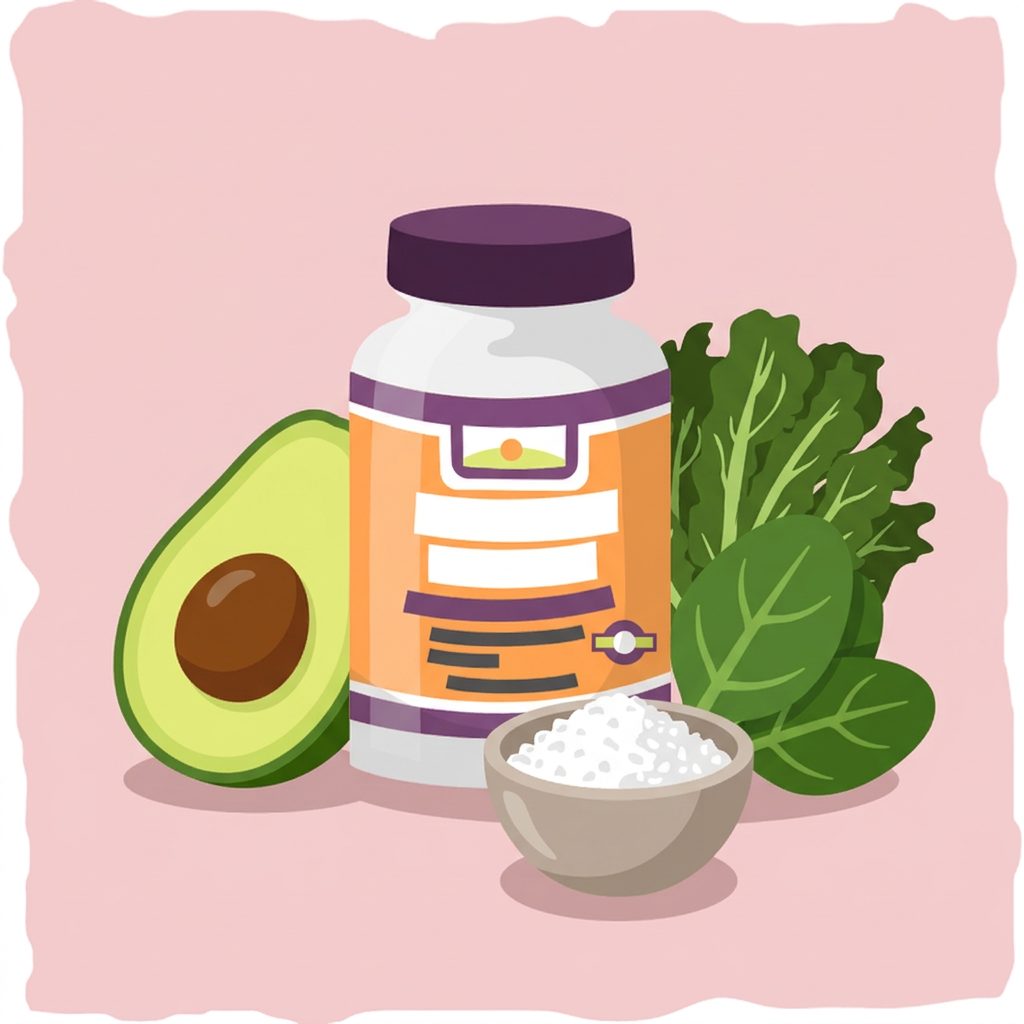
Nail your electrolytes, especially in the first month. Sodium (2,000-4,000mg/day), potassium (aim for 3,500-4,700mg from whole food sources like avocado, leafy greens, and salmon), and magnesium (200-400mg/day, with magnesium glycinate being the best-absorbed form). If you have kidney disease or take blood pressure medications, check with your doctor before significantly increasing potassium or sodium. In my experience, that adaptation restlessness I mentioned earlier faded completely once I got the electrolyte piece dialed in. Using Supplements to Maximize your Ketogenic Diet – Ruled Me
Prioritize sleep and manage the cortisol piece. During adaptation, your cortisol may be running higher than usual. For the first two to four weeks, keeping workouts moderate rather than pushing hard can make a meaningful difference in how you feel.
Be honest about the timeline. The adaptation period is roughly 4 to 6 weeks. If anxiety-related symptoms appear in weeks one or two, that’s different from symptoms that persist or worsen at week eight. Symptoms that remain or intensify past that point deserve a closer look.
Consider the blood sugar connection. If you were previously dealing with reactive hypoglycemia episodes – shakiness and anxiety after meals, mid-morning crashes – keto is particularly likely to help with that specific mechanism. Our article on keto and insulin resistance covers the physiology here in more detail.
Don’t treat keto as an anxiety treatment without professional guidance. If anxiety is significantly affecting your life, please talk to a doctor or mental health provider. Diet is one lever. It’s not the only one, and for clinical anxiety disorders, it’s rarely sufficient on its own.
For a broader look at how ketosis affects the brain, the article on ketones and brain health covers the cognitive side. If you’re experiencing cognitive effects during the transition, our keto brain fog guide covers why it happens and how to fix it. And if you’re early in the process, the keto beginner guide walks through the fundamentals.
The information in this article is not medical advice and is not a substitute for professional medical guidance. Always consult a qualified healthcare provider before making changes to your diet or health regimen.
Key Takeaways
- The most rigorous meta-analysis found no significant benefit of ketogenic diets for anxiety outcomes in RCTs – the evidence is still inconclusive.
- Several plausible mechanisms exist – GABA enhancement, blood sugar stabilization, reduced neuroinflammation – but most evidence is from animal studies.
- Some people experience increased anxiety during the first 2-4 weeks of keto adaptation; sodium and magnesium supplementation significantly reduces this risk.
- If anxiety symptoms were linked to blood sugar instability before keto, limiting carbs to 20-30g net carbs per day may provide relief through that specific mechanism.
- Anxiety is a medical condition – diet changes may be one useful component, but they do not replace professional mental health care.
Frequently Asked Questions
Can keto cause anxiety or make it worse?
For some people, yes – particularly in the first few weeks. Cortisol rises transiently during early carbohydrate restriction, and electrolyte depletion can produce anxiety-like symptoms. Effects of ketogenic diet on hypothalamic-pituitary-adrenal axis and cortisol – PMC / Frontiers in Nutrition These effects typically resolve by weeks 4-6. If anxiety persists beyond that, consult a healthcare provider. Our keto flu guide covers what to supplement.
How long does keto anxiety last during adaptation?
Adaptation-related anxiety symptoms generally peak in weeks one to two and resolve within four to six weeks. Aggressive electrolyte replacement shortens this window. Symptoms persisting beyond six weeks are worth discussing with a doctor. The supplements guide covers magnesium and electrolyte options.
Does keto increase GABA levels?
In animal studies, ketosis appears to favor GABA synthesis through altered glutamate handling in astrocytes. Ketosis and Brain Handling of Glutamate, Glutamine and GABA – PMC / Journal of Neurochemistry Whether this translates to meaningfully higher GABA in humans hasn’t been confirmed in controlled trials. See: how ketones affect the brain.
Is there a connection between blood sugar and anxiety?
Yes. When blood sugar drops, epinephrine is released, producing symptoms nearly identical to anxiety. Generalized Anxiety Disorder and Hypoglycemia Symptoms Improved with Diet – PMC / BMJ Case Reports A documented case showed direct links between high-glycemic eating and anxiety severity. Generalized Anxiety Disorder and Hypoglycemia (clinical detail) – PMC / BMJ Case Reports Staying under 20-30g net carbs keeps blood sugar stable. More on this: keto and insulin resistance.
Should I try keto if I have an anxiety disorder?
This is a decision to make with your doctor. The best meta-analysis found no significant benefit in RCTs specifically for anxiety. Ketogenic Diets and Depression and Anxiety: Systematic Review and Meta-Analysis – JAMA Psychiatry / PubMed There are plausible mechanisms and some case-level observations, but also ways the diet can temporarily worsen anxiety. If you’re on medication, dietary changes can affect metabolism and blood levels – your prescriber should know. The ketogenic diet risks article covers the safety picture.
Sources
- Ketogenic Diets and Depression and Anxiety: Systematic Review and Meta-Analysis – JAMA Psychiatry / PubMed
- Efficacy of low carbohydrate and ketogenic diets in mood and anxiety disorders – PMC / BJPsych Open
- Complete remission of depression and anxiety using a ketogenic diet: case series – PMC / Frontiers in Nutrition
- Ketosis and Brain Handling of Glutamate, Glutamine and GABA – PMC / Journal of Neurochemistry
- Potential Effects of Ketogenic Diet in Prevention of Stress, Anxiety, Depression – PMC / Nutrients
- Generalized Anxiety Disorder and Hypoglycemia Symptoms Improved with Diet Modification – PMC / BMJ Case Reports
- Ketogenic Diet and Neuroinflammation: BHB in Microglial Cells – PMC / Nutrients
- Gut-Brain Axis and Microbiome in Anxiety Disorders – PMC / Frontiers in Neuroscience
- Influence of Ketogenic Diet on Gut Microbiota – PMC / Nutrients
- Effects of ketogenic diet on hypothalamic-pituitary-adrenal axis and cortisol – PMC / Frontiers in Nutrition
- Using Supplements to Maximize your Ketogenic Diet – Ruled Me
- The Neuropharmacology of the Ketogenic Diet – PMC / Pediatric Neurology
- Keto therapy and serious mental illness – Stanford Medicine – Stanford Medicine