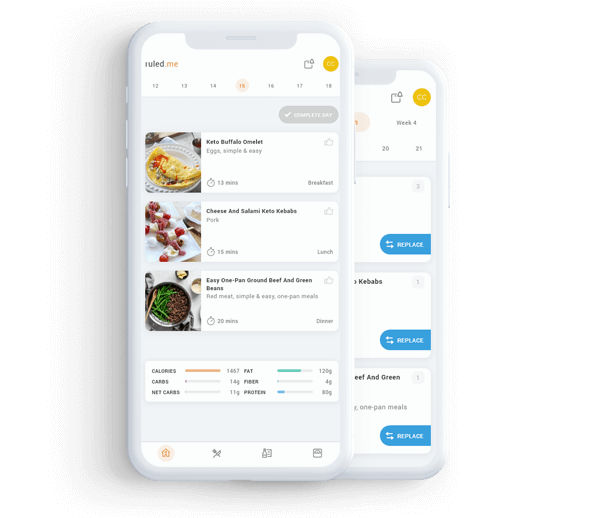


The typical window for entering ketosis is 2 to 4 days when you cut carbs to 20-30g per day. But plenty of people make mistakes that push them toward the longer end of that window – or past it entirely. Knowing how to speed up ketosis means understanding what’s slowing you down.
I’ve been living keto full-time for well over a decade, and the first week is still the most common place people stumble. Not because keto is complicated, but because the transition from burning glucose to burning fat isn’t automatic. The long-term goal is metabolic flexibility – being able to switch between fuel sources efficiently – but getting into ketosis is the first step. Your body runs on glycogen – roughly 400-500g stored in your muscles and liver. Until that reserve is depleted, your liver won’t ramp up ketone production in any meaningful way.
The good news is that glycogen depletion is something you can actively accelerate. And while there’s no magic switch that flips you into ketosis overnight, there are specific, evidence-backed actions you can take in the first 24-72 hours that measurably speed the process. This article walks through each one honestly – including where the research is solid and where it’s more speculative than the marketing would have you believe.
Jump to a section:
- How Long It Takes to Enter Ketosis (and What Controls the Timeline)
- Strategy 1: Cut Carbs Hard from Day One
- Strategy 2: Use Fasting to Accelerate Glycogen Depletion
- Strategy 3: Exercise to Burn Through Glycogen
- Strategy 4: MCT Oil and Coconut Oil
- Strategy 5: Exogenous Ketones – Honest Assessment
- Managing the Transition: Electrolytes, Hydration, and Expectations
- Frequently Asked Questions
- Key Takeaways
How Long It Takes to Enter Ketosis (and What Controls the Timeline)
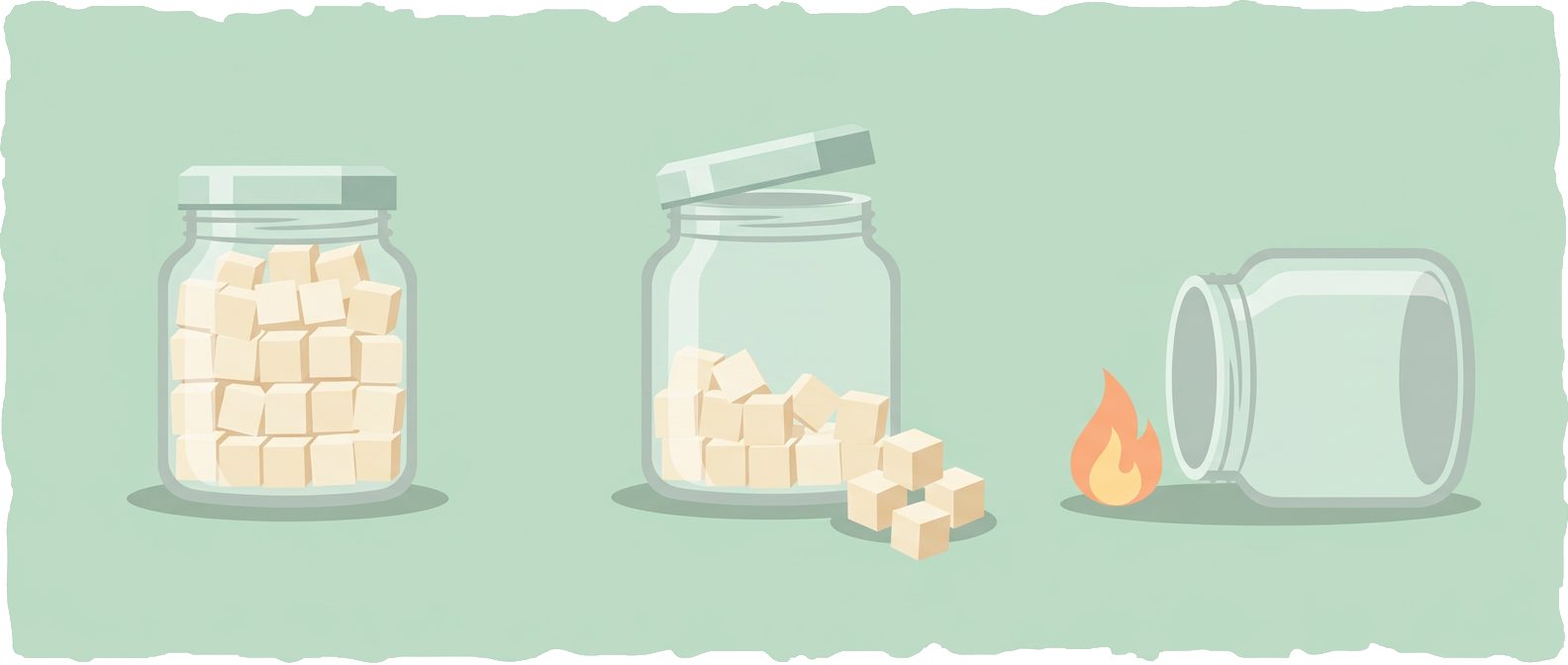
Ketosis begins when blood ketone levels (specifically beta-hydroxybutyrate, or BHB) reach 0.5 mmol/L. That’s the clinical threshold most researchers use.Per the StatPearls clinical reference on ketogenic diets, nutritional ketosis is defined as blood BHB between 0.5 and 3.0 mmol/L. Getting there in 2 days is possible. Taking 5-7 days is also possible. The variable isn’t willpower – it’s glycogen.
Your liver stores about 100g of glycogen. Your muscles hold another 300-400g. All of that needs to clear before your liver shifts decisively into fat oxidation and ketone production. The faster that glycogen drains, the faster ketosis starts.The StatPearls low-carbohydrate diet reference notes that carbohydrate restriction for 3-4 days is typically required to fully deplete stored glucose and initiate ketosis.
A few factors affect your personal timeline. People who were eating a high-carb diet before starting (heavy on bread, pasta, rice) arrive at keto with maxed-out glycogen stores and take longer. People who were already eating moderate carbs or were metabolically active have a head start. Body size matters too: more muscle mass means more glycogen storage capacity, which means more to burn through.
The strategies below all target glycogen depletion from different angles. Use two or three together and the timeline compresses significantly.
Strategy 1: Cut Carbs Hard from Day One
The most common mistake I see is people trying to ease into keto – dropping to 80g of carbs for a week, then 50g, then finally hitting the target. That approach delays ketosis by days, sometimes weeks. Your body will happily run on 80g of daily carbs and never enter ketosis at all.
The faster approach is to start at 20-30g of net carbs on day one. No ramp-up. Clinical research and multiple RCTs on ketogenic diet induction consistently use this same aggressive starting point – the Duke University keto trial, for instance, had participants drop to under 20g of carbohydrates daily from the first day.A randomized controlled trial comparing low-carbohydrate vs low-fat diets used an initial target of under 20g of carbohydrates daily to achieve ketosis induction.

Twenty grams sounds extreme if you’re coming from a standard American diet. It’s roughly the amount of carbs in a medium apple or two slices of bread. On keto, you replace those carbs with fat and protein: eggs and bacon, a fatty cut of meat, keto chili, a handful of walnuts, leafy greens with olive oil. Your calories don’t drop – your fuel source changes.
One real-world note: net carbs matter here, not total carbs. Fiber doesn’t raise blood sugar or feed glycogen stores, so it doesn’t count toward your 20-30g limit. Focus on net carbs and you have more room to eat vegetables, which keeps the diet sustainable past day three.
Strategy 2: Use Fasting to Accelerate Glycogen Depletion
Fasting and keto accelerate each other. When you fast, insulin drops to baseline. Low insulin activates hormone-sensitive lipase, which releases fatty acids from stored fat into circulation. Those fatty acids flood the liver, and the liver converts them into ketones. The result is that fasting compresses the ketosis timeline considerably compared to diet alone.
Research on intermittent fasting combined with a ketogenic diet suggests that a 16:8 protocol – eating within an 8-hour window and fasting for 16 – can get blood ketones to 0.5 mmol/L in as little as 24-36 hours, versus the 2-4 days typical on diet alone.A 2025 review on intermittent fasting and ketone bodies (PMID 40769644) explains that the metabolic switch induced by IF promotes ketone body production, and a large cohort study of 1,610 fasting subjects (PMID 38931204) found ketonuria in over 95% of subjects by day 4, with combination of carbohydrate restriction and fasting compressing the timeline further. A 24-hour fast pushes ketones higher still – studies on prolonged fasting show blood BHB reaching 2-4 mmol/L during 24-48 hour fasts, well above the baseline ketosis threshold.Kinetics of ketone body production during fasting, per research on fasting humans, shows blood ketone concentration rising markedly in the first 3 days before plateauing.
For practical purposes, the 16:8 approach is the most sustainable option during the transition week. Skip breakfast, eat your first meal around noon, finish eating by 8pm. You’re not suffering through a full-day fast, but you’re extending the overnight fasting period long enough to meaningfully drop insulin and drive ketone production each day.
If you want a faster start and can handle it, a single 24-hour fast at the beginning of your keto transition – combined with keeping carbs at 20-30g – is one of the most effective things you can do to enter ketosis quickly. Just make sure you’re hydrated and have electrolytes on hand (more on that below).
Strategy 3: Exercise to Burn Through Glycogen

Exercise depletes glycogen stores. That’s the mechanism. The faster you drain glycogen, the faster your liver pivots to ketone production. So the question isn’t whether exercise helps (it clearly does). It’s which type depletes glycogen most efficiently.
Both HIIT and steady-state cardio deplete glycogen, but through different mechanisms. A 20-30 minute HIIT session can burn through 40-50% of glycogen stores in a short time because high-intensity efforts draw heavily on the glycolytic system.Research on glycogen metabolism during exercise (Hargreaves et al., PMID 29498691) shows that during high-intensity intermittent exercise, considerable glycogen depletion occurs in both type I and type II muscle fibers (54% and 46% classified as completely or almost empty, respectively), driven by the high glycolytic demand of intense work intervals. Steady-state cardio at moderate intensity burns through glycogen more gradually but over a longer session can deplete just as much total glycogen.
One study on vigorous aerobic exercise combined with fasting found that completing a bout of exercise at the start of a 36-hour fast increased BHB production by 43.3% compared to fasting alone, and reduced mean time to nutritional ketosis from 21 hours to 17.5 hours.A BYU study on exercise and fasting-induced ketone production found that vigorous aerobic exercise at the start of a fast increased BHB production by 43.3% and shortened time to nutritional ketosis from 21.07 to 17.5 hours.
My own experience: going for a hard 30-minute run or a heavy lifting session on day one or two of starting keto has always felt like it accelerates everything. Energy crashes harder that afternoon, sleep is heavier, and I wake up with clearer ketone breath – which is a rough but real indicator that something is happening. The discomfort is temporary. Push through it.
One important caveat: once you’re in ketosis and trying to train at high intensity, depleted glycogen will limit your peak output. That’s a different problem from the induction phase. During the first week, any exercise is helpful. Don’t overthink the type.
Strategy 4: MCT Oil and Coconut Oil
Medium-chain triglycerides (MCTs) are fats that bypass the normal digestion pathway. While long-chain fatty acids travel through the lymphatic system before reaching the liver, MCTs go to the liver via the portal vein, where they’re rapidly converted into ketones.The ketogenic effect of medium-chain triacylglycerides (PMC, 2021) explains that MCTs are directly transported to the liver and converted to ketone bodies at a rate that exceeds long-chain fatty acids. This makes MCT oil one of the few dietary additions that measurably raises blood ketones within hours of consumption.
A randomized controlled trial specifically examining MCT oil and ketosis induction found that BHB levels were higher in the MCT group for the first three days of a ketogenic diet, though the advantage narrowed after that point.A randomized controlled trial on MCT oil and time to nutritional ketosis found that MCT supplementation improved BHB levels relative to long-chain triglyceride controls, particularly in the first three days of induction. So the benefit is real but front-loaded – MCT oil is most useful in the first few days, not as a long-term crutch.

Start with 1 tablespoon per day and work up. Going straight to 3 tablespoons with no tolerance built up is a reliable way to spend an afternoon next to a bathroom. The digestive sensitivity is real. Gradual introduction avoids it.
Coconut oil contains roughly 55-65% MCTs (primarily lauric acid and caprylic acid), which makes it a gentler but still useful option. It’s not as concentrated as pure MCT oil, but it’s more accessible, cheaper, and easier on digestion. Adding a tablespoon of coconut oil to a keto soup or using it to cook your eggs is a low-friction way to add MCTs to the early days of keto.Research on ketosis after coconut oil and caprylic acid intake confirms that coconut oil raises blood ketones, though to a lesser degree than pure C8 MCT oil.
Strategy 5: Exogenous Ketones – Honest Assessment
Exogenous ketone supplements – usually sold as BHB salts or ketone esters – can raise blood ketone levels quickly. Take a serving of ketone salts and your BHB reading will go up within 30-60 minutes. On a blood meter, you look like you’re in ketosis.
The problem is that this is a misleading picture of what’s happening. Real ketosis involves your liver producing ketones because fat is being mobilized and oxidized. Exogenous ketones give you the blood reading without the underlying metabolic state. You haven’t depleted glycogen. You haven’t trained your mitochondria to prefer fat as fuel. You’ve just added exogenous ketones to a body that’s still running primarily on glucose.
The research is pretty direct about this distinction. Fat adaptation (the metabolic shift keto dieters are after) takes 3-4 weeks of sustained dietary ketosis, and involves upregulation of ketolytic enzymes and structural changes in how mitochondria process fuel.Animal research on ketone body supplementation vs keto-adaptation in mice distinguishes between the transient elevation of blood ketones from exogenous supplements and true metabolic adaptation, which involves upregulation of ketolytic enzymes – a pattern consistent with human ketogenic diet research. Exogenous ketones don’t accelerate that process. They don’t deplete glycogen. They don’t change how your mitochondria work.
One study examining exogenous ketone metabolism in humans found that in non-adapted subjects, the ketone supplementation suppressed free fatty acid release – meaning your body may burn slightly less of its own fat while the exogenous ketones are present.Per research on exogenous ketone metabolism in humans (Frontiers in Physiology, 2017), exogenous BHB supplementation in non-keto-adapted subjects stimulated insulin release 2-3 fold and suppressed free fatty acid mobilization – the opposite of what you want during keto induction.
That said, there are legitimate uses for exogenous ketones. If you’re transitioning and the fatigue and brain fog are seriously impairing your work or daily functioning, a dose of exogenous ketones can bridge the gap while your body catches up. Some people use them pre-workout during the first two weeks when glycogen is low but fat-burning machinery isn’t fully online yet. Just don’t confuse a temporarily high blood ketone reading with actual fat adaptation. They’re not the same thing.
Managing the Transition: Electrolytes, Hydration, and Expectations
Here’s the part most keto guides underplay: the first week feels rough not because keto is inherently punishing, but because of what happens to your kidneys when insulin drops.
When blood insulin falls, your kidneys excrete more sodium. This happens rapidly on a very low carb diet. Water follows sodium. You can lose several pounds of water weight in the first few days, which sounds appealing until you realize that sodium loss also takes potassium and magnesium with it. The result is the “keto flu”: headaches, fatigue, muscle cramps, brain fog, irritability.The Virta Health electrolyte recommendations for ketogenic diets explain that low insulin during keto causes increased renal sodium excretion, which drives secondary losses of potassium and magnesium – the primary driver of keto flu symptoms.
I tried to push through the first two weeks without supplementing sodium when I was getting started. By day 10 I had a headache that wouldn’t quit, felt noticeably weak, and assumed keto just wasn’t working for me. Added a quarter teaspoon of salt to my morning water and the headache cleared within two hours. That was the beginning of taking electrolytes seriously, and I haven’t had a real keto flu since.
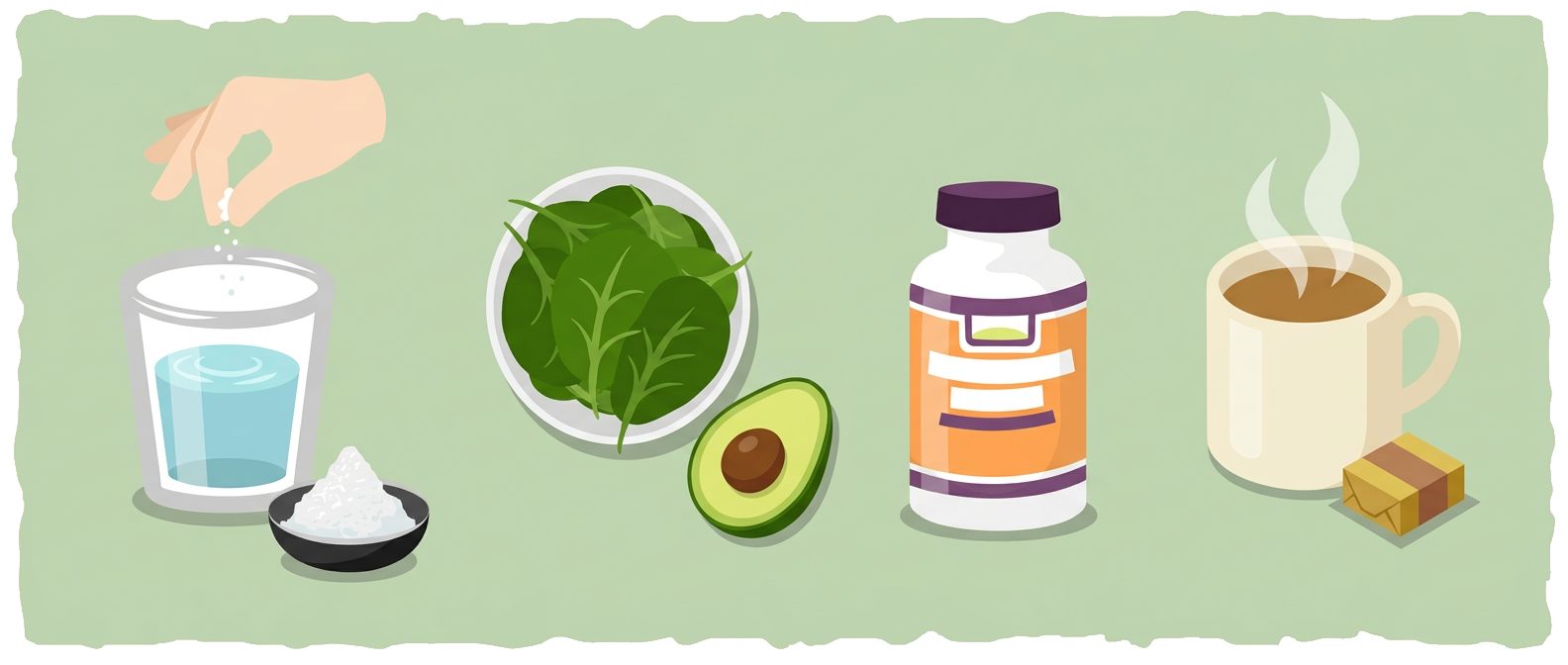
The practical targets most nutrition practitioners recommend for the keto transition are 3,000-5,000mg of sodium, 3,000-4,700mg of potassium, and 300-500mg of magnesium daily.Virta Health’s electrolyte guidance specifies that a well-formulated ketogenic diet requires 3,000-5,000mg sodium, 3,000-4,700mg potassium, and 300-500mg magnesium daily. These numbers are higher than standard dietary guidelines because the kidneys are excreting more on keto. Salt your food aggressively, use a bouillon cube or two in hot water, eat avocados and leafy greens for potassium, and consider a magnesium glycinate supplement at night – it absorbs well and doubles as a sleep aid during the transition. If you have a pre-existing condition affecting your kidneys, heart, or electrolyte balance, talk to your doctor before supplementing at these levels.
On expectations: even with optimal electrolytes, the first 3-5 days often involve some fatigue and mental cloudiness. That’s glycogen depletion happening in real time. It’s temporary. The cognitive sharpening that many keto dieters describe – myself included – tends to kick in somewhere around day 7-14, once fat adaptation starts taking hold. Getting into ketosis is the first step – full fat adaptation takes 4-12 weeks. Push through the first week with the strategies above and you’ll spend far less time in the uncomfortable middle.
Frequently Asked Questions
Can you get into ketosis in 24 hours?
It’s possible for some people, but not reliable for most. Combining a 24-hour fast with 20-30g of carbs and a hard workout gives you the best shot at reaching 0.5 mmol/L BHB within a day. Most people need 2-3 days even with aggressive strategies. If you’ve been eating high-carb for years, your glycogen stores are fully stocked and a single day won’t drain them. For more on getting back into ketosis quickly after a break, including realistic timelines, that guide covers the same mechanics from a re-entry angle.
Does drinking more water speed up ketosis?
Water doesn’t directly accelerate ketosis, but dehydration will slow everything down and worsen keto flu symptoms. Your kidneys are working harder in the first week to excrete sodium, and adequate water helps that process run smoothly. Aim for 2-3 liters of water daily during the transition, and add electrolytes to at least part of that intake. Plain water without sodium and potassium replacement can actually make electrolyte loss worse. For a deeper look at keto hydration, the keto electrolytes guide covers this in detail.
How do I know if I’m in ketosis without a meter?
The most reliable subjective signs are a fruity or acetone-like smell in your breath and urine, reduced hunger between meals, and a noticeable shift in energy from variable to more stable. Many people also notice decreased appetite even compared to before starting keto. Urine test strips are cheap and give a rough sense of ketone presence, but they become less reliable after the first few weeks as your body adapts and excretes fewer ketones in urine. A blood ketone meter is the only accurate measure – look for BHB above 0.5 mmol/L. The keto weight loss timeline article also covers what to expect physically during the early weeks.
Will a cheat meal kick me out of ketosis and how long to get back?
Yes – a high-carb meal will refill glycogen stores and stop ketone production, typically within a few hours. Getting back usually takes 1-3 days if you return immediately to 20-30g of carbs and add exercise. Returning to ketosis also gets faster the longer you’ve been keto-adapted – your body becomes more efficient at shifting between fuel sources. For a full breakdown of cheating on keto and recovery strategies, that article covers everything from occasional slips to planned refeed approaches.
Is MCT oil worth it for keto beginners?
Yes, with caveats. MCT oil does raise blood ketones and may provide a few extra days of higher BHB during the induction phase. But it’s not essential – you can enter ketosis without it. If budget is a consideration, spend the money on quality whole foods and electrolytes first. If you do try MCT oil, start with one teaspoon per day to build tolerance before moving to a tablespoon. Taking large amounts immediately is a common beginner mistake that ends in digestive distress. Try it in keto soups or coffee rather than straight off the spoon.
Can I exercise during the first week of keto even if I feel weak?
Yes, and it’s actually one of the best things you can do to speed up ketosis – just adjust your expectations for performance. Glycogen depletion means your peak strength and sprint capacity will be lower than normal for a week or two. That’s not a problem; it’s the mechanism working. A moderate-intensity cardio session or a moderate lifting workout will deplete glycogen without destroying your recovery. Avoid pushing for PRs in week one. For meal ideas that support active days on keto, the bacon cheeseburger casserole and similar high-protein recipes help keep muscle fueled when glycogen isn’t available.
Key Takeaways
- Most people enter ketosis in 2-4 days when staying at 20-30g of net carbs per day – the variable is how full your glycogen stores are when you start.
- The fastest approach combines strict carb restriction, a 16:8 or 24-hour fast, and a glycogen-depleting workout in the first 1-2 days.
- MCT oil has RCT support for mildly accelerating ketosis induction – start with one teaspoon daily to avoid digestive issues.
- Exogenous ketones raise blood ketone readings but do not accelerate fat adaptation or replace the metabolic shift that comes from sustained dietary ketosis. For how ketosis affects your metabolic rate, see keto and metabolism.
- Electrolytes are not optional during the transition – 3,000-5,000mg sodium, 3,000-4,700mg potassium, and 300-500mg magnesium daily prevents most keto flu symptoms.
Sources
- The Ketogenic Diet: Clinical Applications, Evidence-based Indications, and Implementation
- Low-Carbohydrate Diet – StatPearls
- A low-carbohydrate, ketogenic diet versus a low-fat diet to treat obesity and hyperlipidemia: a randomized, controlled trial
- The Effect of Medium Chain Triglycerides on Time to Nutritional Ketosis and Symptoms of Keto-Induction in Healthy Adults: A Randomised Controlled Clinical Trial
- The Ketogenic Effect of Medium-Chain Triacylglycerides
- Ketosis After Intake of Coconut Oil and Caprylic Acid – With and Without Glucose
- On the Metabolism of Exogenous Ketones in Humans
- Ketone body supplementation in keto-adapted mice reveals metabolic adaptations and glycogen-independent exercise capacity
- Kinetics of ketone body metabolism in fasting humans
- The Effects of Exercise on the Fasting Ketone Production – BYU Scholars Archive
- Regulation of Muscle Glycogen Metabolism during Exercise: Implications for Endurance Performance and Training Adaptations (Hargreaves et al., Sports Medicine, 2018, PMID 29498691)
- How much sodium, potassium and magnesium should I have on a ketogenic diet?
- Intermittent fasting and ketone bodies (Dos Santos et al., Progress in Brain Research, 2025, PMID 40769644)