


The dreaded keto weight loss plateau. No matter what diet you are on, your weight loss will eventually stop. The goal is for the progress to stop as soon as we hit our ideal weight, but this often does not happen as planned.
Most of us will experience a weight loss plateau at one point or another during our diet. When this happens it is not because you failed or because your body is broken — it is most likely because you need to switch up your dietary approach just a bit.
By switching up your dietary approach, I don’t mean going from low carb to high carb or 100% vegan to 100% carnivorous or vice versa. In actuality, the key to busting through weight loss plateaus is making small adjustments to your current diet that will get you back on track.
Before we discover the many dietary strategies that you can use to break through your plateau, let’s gain a deeper understanding of what happens when we lose weight and why many of us will not progress at the rate that we expect.
Why Am I Not Losing Weight? The Science Behind Weight Loss Plateaus
There are many nuances when it comes to weight loss, but for the sake of this article, let’s keep it simple.
In general, you will lose weight if you eat fewer calories than your body needs to maintain its current weight. On a ketogenic diet, your body will lose a lot of water weight in the first couple of days due to carbohydrate restriction, but fat loss depends primarily on calorie intake.
Whenever we lose weight, we tend to lose both fat and muscle mass. The proportion of fat and muscle mass that you lose depends on many factors like how much you exercise, the type of exercise that you do, your stress levels, your daily protein intake, and the severity of your calorie deficit.
For example, if you are lifting weights, getting plenty of sleep, aren’t chronically stressed, eating between 1 and 1.2 grams of protein per pound of fat free mass, and aiming for a weight loss rate of 0.5% – 1% per week, then almost all of your weight loss is likely to come from fat (and you may even gain some muscle mass as well).
In contrast, when we don’t eat enough protein, aren’t getting enough sleep, not lifting weights, and are in a large calorie deficit (25% or more below maintenance calories), then we will tend to lose a lot more muscle mass along with the fat.
Since most of you are looking to lose primarily fat and very little muscle mass, it is crucial that you consider these factors when dieting. To get the best results, it is essential that you set a reasonable calorie deficit and eat an appropriate amount of protein. We recommend using our keto calculator to find out what these values are for you.
For those of you who are leaner, it is best to stay with a smaller calorie deficit (10-15% below maintenance calories), while those who are overweight or obese will be able to handle a much steeper calorie deficit (25% or more below maintenance calories).
In both cases, two things may happen while you are losing weight that can cause you to plateau unexpectedly: (1) your body decreases its total daily energy expenditure, and (2) your calorie deficit decreases (because you require fewer calories to maintain your new weight).
The decrease in total daily energy expenditure is the result of the many bodyweight-regulating systems we inherit to prevent excess weight loss. This happens because, from an evolutionary perspective, if you lost weight in direct relationship with your calorie consumption at all times, then you would burn excessive amounts of energy when food is scarce.
Thus, to increase our resilience and longevity during times of famine, our brains will trigger a variety of mechanisms to keep us from losing more weight.
As an example, your body may decrease its thyroid hormone production and reduce its non-resting energy expenditure (e.g., fidgeting and other spontaneous movements) as a direct response to rapid weight loss. Intense cravings may also be experienced in an attempt to motivate the person to eat more and stop losing weight. (this is one reason why people tend to regain weight after following a diet).
Because of the decrease in thyroid hormone production, non-resting expenditure, and weight, the body will have a new maintenance calorie setpoint. What was once a 20% calorie deficit may now be a 10% calorie deficit.
Put in another way: As you lose weight, your calorie deficit percentage decreases, which leads to a slowing of your weight loss rate. This process will continue until your previous calorie deficit becomes precisely the amount of calories you need to eat to maintain weight, and you stop losing weight.
Although there are many other factors that can contribute to your weight loss plateau, the two factors that influence it the most are decreased daily energy expenditure and reduced calorie deficit. They are also relatively easy to address.
All you need are the right strategies to tackle the many potential causes of your weight loss plateau. Let’s start with the approaches that are the most effective. Then, we will finish with the subtle hacks you can try to give you a weight loss boost.
Note: These strategies are strictly for people that are hitting weight loss plateaus and need some help. If you are losing 1 to 2 pounds per week, there is no need to implement the suggestions found in this article.
1. Track Your Calories
Most people I talk to have a misconception about ketogenic diets. They get the idea that all they have to do is count carbs to lose weight, and that’s simply not true.
As I mentioned earlier, your weight loss depends on your calorie consumption. Think of it as a mathematical formula.
If you are putting more calories into your body than you are burning, that gives you excess calories. Those excess calories must go somewhere, so they are stored as glycogen and fat.
This happens regardless if they are calories from fat, protein, or carbs.
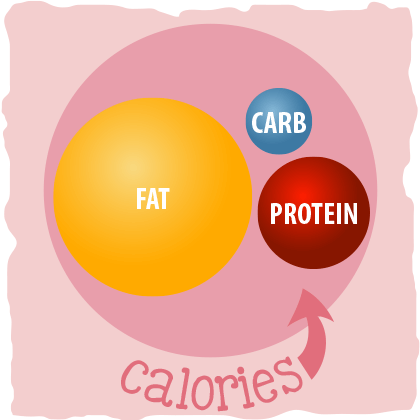
The main reason why people on low carb diets tend to lose so much weight without tracking their calories is because it is much harder to overeat on protein and fat than on protein, carbs, and fat. High fat and protein foods tend to be much more satiating than carb and sugar-laden foods, so when you cut the carbs, you unknowingly end up decreasing your hunger and calories as well.
However, if you find that your weight loss has plateaued and you want to lose more weight, then it’s best that you start being more diligent with your calorie intake.
The key to any diet, ketogenic diet or not, is making sure that you are maintaining some sort of calorie deficit. The simplest way to figure out how much you need to eat is by plugging your information into the keto calculator. It will tell you exactly how many calories and grams of fat, protein, and carbs you need to eat on a daily basis to lose weight.
To help you track your calories, I recommend using a calorie tracking app like MyFitnessPal or Cronometer. If you’d like to get started with tracking your calories to break through your plateau, then click here. This link will send you to a guide on how to set up MyFitnessPal and Cronometer for your specific macronutrient needs. By using this guide and the keto calculator, you will be better prepared to follow the ketogenic diet more successfully than you did before. Get ready to watch those pounds fall off again.
2. Recalculate Your Macros Every Month
As we stated earlier, when you lose weight, your calorie deficit will get smaller. As the calorie deficit gets smaller, you will start losing weight more slowly until you plateau.
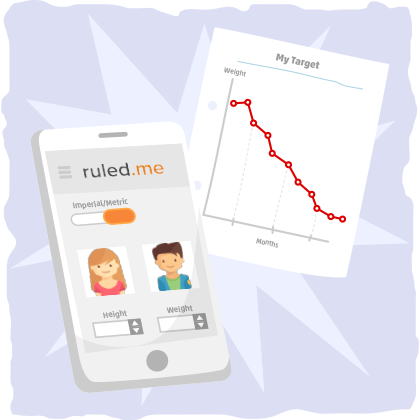
Eventually, what was once a calorie deficit will become precisely the amount of calories you need to eat to maintain weight. To bust through this plateau (and prevent another plateau from happening), try calculating your macros with your new body weight every month or so. The simplest way to do so is by plugging your info into our keto calculator.
Depending on how much fat you want to lose, you may need to adjust your calorie deficit as well. If you still have 50 to 100 pounds that you want to burn off, then you may be able to handle a 20-30% calorie deficit without losing much muscle mass (especially if you eat the right amount of protein).
With this method, you are likely to drop fat rapidly. After another month or so of dieting this way, it is best to recalculate your macros with your new weight again.
Each time you recalculate, try reducing your calorie deficit a bit so the diet is easier to stick with and your metabolic rate doesn’t slow down too much. However, if the calorie deficit isn’t manageable for you in any way, then try taking intermittent diet breaks (which is the next strategy in this article).
For those of you who are leaner and don’t have much more weight to lose, it is best to aim for a calorie deficit of 10-15%. This should allow you to lose weight at a healthy and steady pace of 0.5–1.0% of body weight per week.
Problems may arise when using this method of maintaining a constant calorie deficit, however. Earlier we briefly went over how your brain is continuously monitoring your weight and eliciting processes to keep you from losing weight rapidly so you can survive times of famine.
By continually exposing your body to a calorie deficit, you may cause these bodyweight defending processes to kick in at full force, which can slow your progress. If this happens to you and you find that you aren’t losing weight even though you are in a calorie deficit, you may need to take a diet break.
3. Take Intermittent Breaks From Calorie Restriction
Sometimes maintaining a constant calorie deficit is not enough to consistently lose weight. Many of us will eventually experience a decrease in total energy expenditure that isn’t entirely explained by the fact that you lost weight. Your metabolism may slow down, you may have less motivation to be active throughout the day, and you may even experience increased hunger and cravings.
If this sounds like you, then you may benefit from taking a diet break. A recent research study that was published in the International Journal of Obesity contains some fascinating data which suggests that diet breaks may be more effective for weight loss than maintaining a consistent calorie deficit.

What do I mean by a “diet break”? Let’s look deeper into this potentially paradigm-shifting study to find out.
In this study, the researchers randomized 51 men with obesity into two groups. One group was in a continuous calorie deficit for 16 weeks, while the other group underwent what the researchers called “intermittent energy restriction” for 30 weeks.
The intermittent energy restriction group completed eight 2-week blocks of energy restriction alternated with seven 2-week blocks of energy balance. With this design, both groups experienced 16 weeks of energy restriction in total.
Each subject was prescribed a 33% calorie deficit, which is pretty severe, but manageable for obese individuals. Both groups lost weight, as expected, but the intermittent energy restriction group lost significantly more weight. Arguably, the most fascinating finding was that the intermittent energy restriction group lost more fat than the continuous energy restriction group while the loss of fat-free mass remained similar between groups.
The researchers suspect that the substantially better weight loss results experienced by the intermittent energy restriction group were caused by a reduction in compensatory metabolic responses. In other words, by taking intermittent diet breaks, you may be able to keep your body from decreasing its resting energy expenditure and experience more sustainable and consistent weight loss.
Keep in mind, however, that these results only apply to a select group of obese men. Whether or not this approach will work for women and other groups of men has still yet to be discovered.
With that being said, this approach to dieting and breaking through weight loss plateaus is safe, so it is worth a try — even if you aren’t an obese man. In fact, this approach to dieting may even be safer and healthier for us than maintaining a continuous energy deficit.
However, this doesn’t mean that everyone should try taking diet breaks. If you are in a smaller calorie deficit (10-15% or less), then maintaining that continuous calorie deficit might be your best option because metabolic adaptations only tend to occur at larger calorie deficits. On the other hand, if you are looking to maintain a more substantial calorie deficit (25% or more), then taking intermittent diet breaks may be a good strategy to use to help you bust through a plateau and ensure consistent weight loss.
How to implement this strategy properly:
According to this study, it may be best to stick with the two weeks on, 2 weeks off energy restriction protocol. This time range may be arbitrary, but the only evidence we have suggests that this is an effective approach.
Here’s what you do:
- Weigh yourself and recalculate your macros for around a 25% calorie deficit. Eat that way for two weeks.
- After the first two weeks, weigh yourself and recalculate your macros to figure out what you need to eat to MAINTAIN your NEW weight. Eat these macros for two weeks.
- Repeat these steps until you’ve reached your ideal weight.
4. Decrease Your Calorie Deficit
Another strategy you can use to break through plateaus is adjusting your calorie deficit.
The more severe your calorie deficit is, the more likely your metabolic rate will decrease. For example, one study found that a 25% caloric deficit can cause a 6% drop in metabolic rate. This is an insignificant drop for someone who is obese, but might be an issue for someone who is just about to reach their goal.
Other studies suggest that maintenance of a ⩾10% reduction in body weight in lean or obese individuals is accompanied by a ∼20–25% decline in 24-h energy expenditure. In other words, this may decrease your calorie needs by around 300-400 calories, slowing your weight loss progress more than expected.
One way to counteract this decrease in metabolic rate is by using a smaller calorie deficit.
How small should it be? It depends.
Studies show that as long as you’re eating at enough of a deficit that your fat stores can cover, your metabolic rate doesn’t change too much. If you do go over that deficit, though, your metabolic rate will drop in order to protect vital organs (this is a real “starvation mode” response from your body).
So, how much can your fat stores actually cover? You can get about 31.4 calories per pound of fat per day, from your fat stores.
Let’s say you’re 240 lbs (162 lbs lean mass, 78 lbs fat, 31.2% body fat) and want to get down to 180 lbs (162 lb lean mass, 18 lbs fat, 10% body fat):
- At 240 lbs (162 lean mass, 78 lbs fat) you can get about 2449 calories from fat stores.
- At 220 lbs (162 lean mass , 58 lbs fat) you can get about 1821 calories from fat stores.
- At 200 lbs (162 lean mass, 38 lbs fat) you can get about 1193 calories from fat stores.
- At 180 lbs (162 lean mass, 18 lbs fat) you can get about 565 calories from fat stores.
What these calculations show you is how your body can handle greater calorie deficits when it has more fat stores. As your fat stores decrease, so should you calorie deficit.
If you are experiencing a weight loss plateau and it doesn’t seem to make sense, then you may be maintaining too severe of a calorie deficit. Try decreasing your calorie deficit for a couple of weeks and see if that helps you bust through your plateau.
5. Eat The Right Amount Of Protein
Regardless of what kind of diet you are on, eating the right amount of protein is essential. If you don’t eat enough protein, then you will lose more muscle mass, experience more hunger, and your daily energy expenditure will decrease. As a result, you will lose less weight than expected, struggle with cravings, plateau sooner, and won’t look as good as you’d like.
Overeating protein, however, is also not helpful for keto dieting. This is because the excess protein will cause a decrease in ketone production and increase your reliance on sugar burning.
When you eat the right amount of protein, you will be able to maintain lean muscle mass as you lose fat while simultaneously increasing your fat burning capacity and ketone levels. You may also be able to break through your plateau and keep future weight loss plateaus at bay.

With that being said, what exactly is the “right” amount of protein that you should eat every day?
Well, it depends, but here are some general recommendations:
- If you exercise, protein levels should be hovering around 0.8g – 1.0g protein per pound of lean body mass a day. This helps with muscle mass retention and growth.
- If you lift weights and want to gain muscle mass, then increase your protein intake to around 1.0g – 1.2g of protein per pound of lean body mass per day.
- If you are not exercising, your protein intake should not be as high. Eating around 0.6g – 0.8g of protein per pound of lean body mass is going to be fine.
To see the complete picture of what this means for you and your ketogenic diet, simply plug your information into our keto calculator. It will calculate your protein needs, as well as your fat, calorie, and carb needs, for you.
6. Stay Consistent With Your Keto Diet
Being consistent with the ketogenic diet is extremely important. Being as it can take a few days to a week for your body to enter ketosis, a cheat day can take a long time to recover from.
By the time your body is back in ketosis, a week may have passed – and that’s a week of no fat burning. This is also where the dreaded water weight will come back on.
If you are weighing yourself on a weekly basis, you may see a 4-6 pound gain of water weight if you did a cheat day a couple of days ago.
What may seem like a weight loss plateau is really just a water weight delay as your body tries to adapt to carb restriction again.
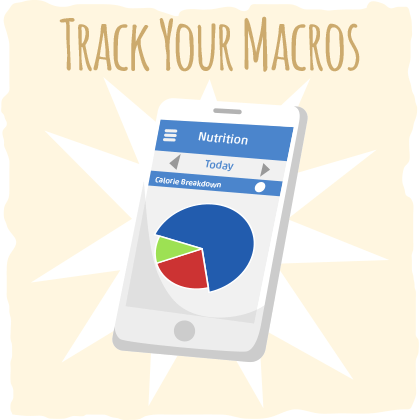
Tracking your daily macros is a great way to keep consistent. It adds a layer of strictness into your diet, making it easier over time to realize where the mistakes are. We prefer to use apps like MyFitnessPal and Cronometer, and wrote an article to help you get it set up.
If you’re not tracking your carbs, it can be very easy to let those hidden carbs and calories creep up on you. This can eventually knock you out of ketosis and impair your weight loss results.
7. Exercise, But Not Too Much
By exercising too little or too much, you can slow your metabolism down. Studies show that if you do aerobic exercise for more than 1 hour a day, your metabolic rate can drop by as much as 15%. On the other hand, by exercising too little, you can increase muscle atrophy and decrease in metabolic rate, which both will both increase your likelihood of having a weight loss plateau.
If you exercise a lot, try cutting it back some and give yourself some extra rest days.
My personal advice is four days maximum of hard training during the week. Conversely, if you are sedentary for most of the day, consider going for a 30 min daily walk or doing some form of activity that you love every day.
For the best results, consider doing weight training 2-4 times a week and low to moderate intensity 30-min aerobic exercise workouts throughout the week. For more information on exercising on keto, click here >
8. Try Intermittent Fasting
Snacking when you’re hungry is so satisfying, but it can also become a sneaky way to slow weight loss. Instead of snacking, try restricting yourself to eat on a regular schedule, with no meals in between (regardless of how small the meal is).
If you want to take it one step further, try restricting yourself to a specific eating window by skipping breakfast or dinner. This is one way of intermittent fasting that works very well for many people.
Intermittent fasting will allow your body to go into its fasting state and burn more fat and ketones for fuel. Once your body adapts to intermittent fasting, you will find that you have less hunger and cravings. As a result, you will eat less often and be more satiated after meals.
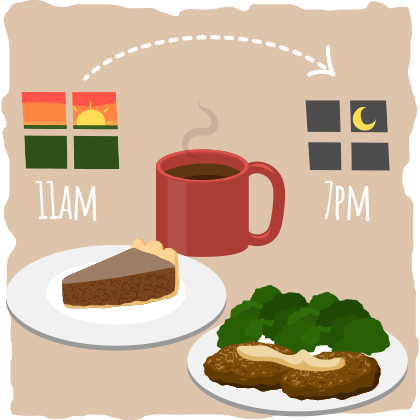
The most common intermittent fasting strategy is to eat only two or three meals in an 8-hour window instead of eating five meals a day spaced out over 10 hours. For example, my typical intermittent fasting schedule consists of eating all of my calories between 11am and 7pm. After that, I don’t allow myself to eat until the next day at 11am.
Stick to this (or some variation of it), even if you feel super hungry in the beginning. The hunger will dissipate if you drink plenty of water and start moving about your day.
I do some variation of intermittent fasting every day and find that, once I start working, my hunger goes away, and I am much more focused and productive than I am after I eat. (In case you’re wondering, this focus and productivity is not the result of caffeine consumption. The only thing I drink in the morning is water.)
9. Implement A Fat Fast
Another great way to bust through a plateau is by applying a technique called the fat fast. You can do this by eating mostly fat and restricting calories significantly for 2-4 days.
This is one of the easiest ways to put yourself into an extreme calorie deficit for rapid weight loss without experiencing lasting negative effects of severe calorie restriction. As an added bonus, it will help you increase your ketone levels as well.
If you’re interested in learning more about this strategy, you can view our post on how to fat fast.
Here’s a quick example of a fat fast:
- 1000 – 1200 calories a day for 3 days.
- 80-90% calories from fat.
- Eating 4-5 times a day.
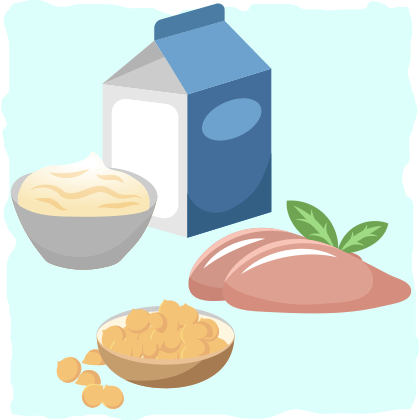
After the fat fast, recalculate your macros for your new weight and get back to your normal keto diet.
10. Check For Hidden Carbohydrates
It’s easy to eat more carbohydrates than you think while you are on keto. Carbs are in almost every food you’ll be eating — from vegetables to nuts and even certain meat products. Yes, that peanut butter you’re chomping on could also be causing a problem as well! Especially if it’s store bought – that stuff is loaded with extra sugar.
Some vegetables like brussels sprouts, broccoli, and squash are common culprits that find their way into our lives on a frequent basis.
You might think that they’re low carb, but when consumed in larger amounts, those carbs really do add up. You can look at the list of the best low carb vegetables we’ve put together, so that you can be more aware of the carbs in the vegetables you eat.
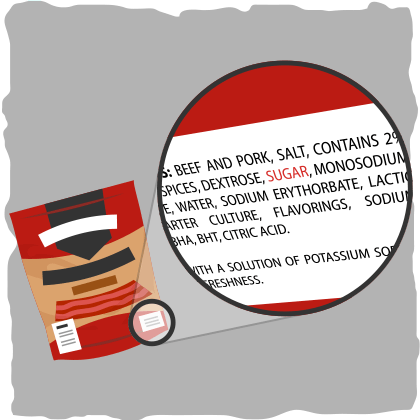
Meat is the center of most of our lives, and there’s sugar everywhere you look. Some bacon is honey smoked, adding unnecessary carbs to an already delicious product. To avoid this madness, simply look for bacon with no sugar added.
When you start to look into Italian sausages, chorizo, and canned meats, you find some unexpected carbs as well. Some brands have up to 5g carbs per serving when it comes to sausage – so make sure you are being diligent.
You should also check your medicine as well — seriously! Next time you think you are coming down with a cold or flu, take a look at the nutritional information on the back of that Dayquil. 2 tablespoons of the stuff has a whopping 19g of carbs. You should opt for the low-sugar or sugar-free varieties they now offer for diabetics.
To put this plateau busting strategy more succinctly, just make sure you check the nutrition labels on everything before you buy it. You have to be leery of all the extra carbs that are hidden in the products you buy. We put together a ketogenic diet food list that you can read through before you plan your next shopping trip so you can avoid most of the carb-ridden culprits.
Tip: Cut Out The Foods That You May Be Sensitive To
Some people find themselves following their daily macros correctly, but still seem to hit a stall. That might mean they have a sensitivity to certain types of food.
From what I’ve come across, many people seem to have a sensitivity to dairy. This includes cheese – one of the staples of most keto meals. Dairy also includes cream, butter, and yogurt.
If you’re having trouble losing weight and suspect that you struggle with digesting dairy, try following the recommendations in our dairy-free ketogenic diet article.
Gluten is also something that many people have food sensitivities to as well. For some, low carb pasta, bread, and protein bars with gluten in them can be another sneaky way to slow their weight loss progress.
Low carb processed foods can also have gluten in them. Yes, that means the lovely low-carb tortillas you’ve been eating might actually be stalling your weight loss. If this sounds like you, cutting out gluten intake from processed foods might help out. It might also have a huge impact on your health over time.
What If Keto Isn’t Right for You?
Although the primary focus of this article is to help you bust through that plateau and lose weight again, let’s take a few minutes to look at the bigger picture. Weight loss plateaus provide us with the perfect opportunity to pause and reflect on our diet and health as a whole.
- How are you feeling mentally and physically with your current dietary approach?
- What does your blood work look like?
- Are you struggling to sustain this way of eating?
If all you’ve achieved is weight loss at the expense of your health and well-being, then you may need to focus on adjusting your overall diet and lifestyle instead of looking for another quick fat loss fix. Formulating a diet that is optimized for your needs is the best way to ensure that you will lose that fat and keep it off for good without losing your mind and impairing your health at the same time.
An ideal diet is one that will help you improve your body composition, feel better than before, and optimize your health while also being a sustainable dietary approach for the long-term. Diets that don’t fulfill these criteria are not worth our time and energy because we will only be able to stay on them for a short period of time.
The first step to creating a diet that is ideal for you is to realize that no diet is perfect for everyone. Every dietary approach has its advantages and disadvantages and must be adapted to each individual to help them meet their health needs and body composition goals as efficiently as possible.
Regarding the keto diet specifically, I recommend creating a personalized approach for yourself – before using a plateau-busting strategy – by implementing these principles:
- Eat the right amount of calories and protein to meet your goals. You can use our keto calculator and calorie tracking guide to help you with this.
- Get most of your calories from micronutrient-dense foods. For more detailed information on what to eat, check out our guide to micronutrients and our keto food list.
- Make sure your diet is improving your overall health and wellbeing subjectively and objectively.
- Implement lifestyle adjustments to make your diet into a long-term lifestyle that you can follow indefinitely.
- If you hit a weight loss plateau, try using one or more of the strategies you find throughout this post.
In some cases, however, even a well-formulated keto diet may not be healthy or sustainable. People with certain health conditions, such as familial hypercholesterolemia or hypothyroidism, may experience a worsening of symptoms when following a high-fat, low-carb diet, regardless of how “flawless” their keto diet is.
Even those who experience all of the health benefits of the keto diet may not find it to be sustainable in the long run. In this case, it may be best for them to adjust their dietary approach in a way that fits their lifestyle. This may mean following a strict keto diet every few months or implementing a different diet altogether.
In general, you will know that you are following a well-formulated and healthy diet for you if it has these four qualities:
- It boosts your mood, energy levels, and sense of well-being.
- It improves your body composition.
- It optimizes relevant biomarkers (e.g., blood pressure, cholesterol, triglyceride, and blood sugar levels).
- You can sustain your new lifestyle and results for the long-term.
By using these four criteria as a compass for your dietary decisions, you will be able to develop a diet and lifestyle that works best for you, regardless of your current circumstances.
If you’d like to see more in-depth information on how to formulate a healthy keto diet and what you can do if keto isn’t right for you, feel free to check out our recent post that covers this topic.
Putting It All Together — Creating Your Own Weight Loss Plateau Busting Plan
Hitting a plateau is frustrating and discouraging. What could you possibly be doing wrong? You are restricting carbs, eating less, exercising, and yet — you’re not getting the results you want.
What can you do? Here are some of the strategies that work best for most people:
- Calculate your macros with an appropriate calorie deficit (aim for a higher deficit if you have more body fat) and track your food intake.
- Recalculate your macronutrient needs every month with your new weight.
- Take breaks from being in a calorie deficit every two weeks.
- Stay consistent with your ketogenic diet by diligently tracking the foods you eat and never cheating.
- Decrease your calorie deficit a bit.
- Try intermittent fasting. Click here to find out how.
- Implement a fat fast. Find out how by clicking here.
- Eat the ideal amount of protein based on your goals and activity levels.**
- Make sure you are exercising, but not exercising too much.**
**These strategies are essential for better health and body composition, so make sure you implement them regardless if they help with weight loss or not.
If these strategies aren’t helpful, then you may have a food allergy or sensitivity that is holding you back, or you may be consuming too many hidden sources of carbs and calories (in this case, you should start reading food labels more carefully and track your food consumption with a calorie tracking app).
When it comes to busting through your personal weight loss plateau, stick with one or two of the strategies that apply to your specific situation. After a month, reassess your progress.
Are you losing weight again? How do you look? How do you feel?
If you are still at a plateau, then try another strategy from this article. If you are losing weight — good job! — keep at it.
Once you are back on track, let us know what you did to break through your weight loss plateau. Your stories will help others with their struggles and provide us with new insights into how to lose weight more efficiently.
Sources:
- International society of sports nutrition position stand: diets and body composition — Journal of the International Society of Sports Nutrition
- Setting the Deficit – Small, Moderate or Large — Body Recomposition
- What is the Required Energy Deficit per unit Weight Loss? — NCBI
- The Association Between Rate of Initial Weight Loss and Long-Term Success in Obesity Treatment: Does Slow and Steady Win the Race? — Springer Link
- Relationship between temperament, nonresting energy expenditure, body composition, and physical activity in girls — International Journal of Obesity
- Intermittent energy restriction improves weight loss efficiency in obese men: the MATADOR study — International Journal of Obesity
- Impact of energy intake and exercise on resting metabolic rate. — NCBI
- Exercise and Energy intake in Overweight, Sedentary Individuals — NCBI
- Effect of 6-month calorie restriction on biomarkers of longevity, metabolic adaptation, and oxidative stress in overweight individuals: a randomized controlled trial. — NCBI
- Adaptive reduction in basal metabolic rate in response to food deprivation in humans: a role for feedback signals from fat stores. — NCBI
- A limit on the energy transfer rate from the human fat store in hypophagia. — NCBI
- Effects of aerobic exercise on energy expenditure and nitrogen balance during very low calorie dieting. — NCBI
- Dietary Guidelines should reflect new understandings about adult protein needs — NCBI
- Effect of Protein Intake on Strength, Body Composition and Endocrine Changes in Strength/Power Athletes — NCBI
- Adaptive thermogenesis in humans — International Journal of Obesity
- The effects of high protein diets on thermogenesis, satiety and weight loss: a critical review. — NCBI
Hi Craig, I’m enjoying this diet so much and its great not being a sugar addict as I used to be! I’m not following your diet plan I’m just doing my own thing keeping to my macros and only getting carbs mainly from broccolli/cauliflower , cheese, heavy cream and nuts however I think I made a mistake in the last few days as I have gained a bit weight and just dont feel “right” if you know what I mean. I have eaten a lot of peanuts just lately and a lot of cream! I’m thinking this is whats causing the problem but I’d love to hear your valued opinion please , thank you. Margaret x
Margaret, the cream and peanuts sound like they’d probably be the culprit. You could try cutting back on the cream and switching to something like walnuts or macadamia nuts. They’re normally quite a lot better than peanuts 🙂
Yip I’ll definately stop snacking on the cream, i’ll just put a small amount in my coffee and thats all! As for the peanuts i’ll just have to give them up altogether as they are just far too tempting and its so easy for me to gobble a whole bag 🙁 Walnuts and a small amount of almonds should be ok though 😉 I’ll soon get back on track, I’m sure it was just a wee wobble. Thanks so much Craig. Its good to know you’re there for us all x x
No problem! Sounds like you have everything planned already 😛 Wish you the best!
hi Craig, thanks for an awesome site. I am 50 years old, female and weigh around 68kg height 170cm – I would like to reduce my weight to between 60 and 63kg as this seems to be the weight I am comfortable with. I think my body may be in starvation mode as I run about 5 to 6 days a week and am actually picking up weight even though my macros seem correct in my fitness pal. I try to keep my calorie intake around 1600. How do I train my body to get out of this mode? I though I would try the fat fasting for 2 days. Any suggestions on kick starting a slow metabolism?
thank you
ana
Ana, fat fasting may do the opposite if you have a damaged metabolism. What I suggest is trying to eat more (I know it sounds counter-intuitive). If you’re training 4-5 days a week then I see no reason to stick to 1600 calories, you can allow yourself some more than that. Once you become fat adapted (which takes about 1 month, and is different than just being in ketosis) you will notice hunger requirements changing. Hope that helps, and thanks for the kind words!
I will try, though I think I will pick up weight first. Anyway worth persevering. Hope your new book sales are on the up and up – I am certainly enjoying it!
Thank you! I wish you the best on your journey 🙂
Hi Craig,
I’ve been eating LCHF since April 15th, 2014. I’ve went back and forth with the same 8 pounds since I’ve started. I’m keeping my carbs under 20, my fat at 75%, protein 20% and carbs 5%. However, I’m having a hard time keeping my calories down. I still get cravings for sweets and have been eating the low carb tortillas with cream cheese and splenda sweetner at night. I also drink at least 3 diet cokes per day. I drink over 100 oz of water each day. I feel like I’m not going anywhere. I did measure and my clothes are a bit more loose, but not as much as I would like. I know you said to cut out artificial sweetners and dairy if I’m not losing but what can I eat to satisfy my sweet tooth?
Pam, you may want to reduce protein a bit more and take a look at the artificial sweeteners you are eating. Artificial sweeteners, in studies, show a connection to cravings. So if you cut those out you may not have that much craving for sweet as you do now. That may help you in battling against the sweet cravings you get at night. I would suggest tracking your food a little bit to see how much and of what you are eating to make sure you are getting the proper amounts of fats/protein/carbs.
Another idea for Pam is that she may be gluten intolerant and eating those tortillas may be stalling her. Thanks for your insight, wisdom & passion.
Hey Graig,
I’m loving your site! I have been in a low-carb diet for more than 3 months, and I dropped from 76 to 58 kilos! Isn’t that amazing!
But, as it is, it seems that the only thing that works on me is when I cut both carbs and calories… And I’m talking about eating too few calories, around 600-700 per day. I know, it sounds outrageous, but when I raise it up a little bit, I tend to to put on weight immediately. I also eat only less than 20 net carbs per day.
I’ve never had cravings until now (I think it might be psychological, since I reached my goal weight, and everyone around me says “oh, you must relax a little now, eat something”) but for the last two weeks I have been in a carb-craving craze. I start with the best intentions in the morning, and by the afternoon, when my blood sugar is a roller-coaster, I end up eating tons of cookies and cakes and chocolate (although I noticed that I mostly crave starchy foods like cookies and cereals). And of course I have gained weight(and some inches too!).
Could you give me any piece of advice? I don’t want to end up eating 600 calories for the rest of my life (btw I forgot to mention, I’m 25, female, 1.68 height and I exercise some days per week), it’s very unhealthy, not to mention that it makes me miserable! I was able to do that when I had a goal, but now it makes me sad and deprived.
Thank you!
Vicky,
Thanks! It sounds like you’ve done some major metabolic damage to your body over the years if that’s the only way you can lose weight. I am thinking that you should keep track of your macros, make sure your ratios are in check and eat 1200-1400 calories a day. Yes, you’ll gain some weight at first, but your body will find an equilibrium.
Stop eating junk food and cheating if you want to get back on course. Cut out all sweeteners and treats for at least 2 weeks while reintroducing yourself.
Hope that helps,
Craig
Thanks for the reply! Yes, these last 7 years I’ve doing the worst thing possible to my body, eating sugar and carbs, with no nutritional value, drinking sodas and no water, and this is why I decided to change.
I will try to slowly raise the calories until I reach the amounts you mention.
Btw yesterday was the first day I managed to eat clean and keto and today the bloating is gone(i did not weight myself though) already! I have noticed that my body adapts very well going back on track.
That’s definitely a good thing – keep doing it and I hope you get the results you want! 🙂
Hi Craig,
Thanks for this article.
I’m still frustrated!
I’m a 28 year old female, 5′ 3″ and weigh 71kgs (156.5 lbs) and 33% body fat. I’ve been doing keto since 5/5/2014 with total carbs kept to 30g or less, and protein restricted to 90g per day, with no more than 30g per meal. Admittedly there have been a couple of days where the carbs have crept over 30g – but never over 50g, as per Volek. I train 2-3 days a week – 1 cardio session, and one strength session, and have just picked up a PT once a fortnight who puts me through some CrossFit style training. I sleep 8-10 hours a night, and cortisol tests within normal ranges.
I have been tracking my food intake using FatSecret, and over the last month, my average macros/calories have been as follows: fat: 132g, carb: 28.5g, protein: 70g, calories: 1600. The Keto Calculator says I need to eat 2400cals a day to maintain, 1900cals a day to lose slowly, and 1725cals a day for moderate fat loss. I am below that, and have not lost a thing.
I eat 11 macadamia nuts a day, with no other nuts most days. I have cream only in my coffee (about 3 a day – so about 100mL of cream). I went the first 3.5 weeks with no alcohol or milk. I do not eat a lot of cheese, and am already gluten free (2.5 years now). I am genetically able to digest lactose (lactase persistence). I have not had a single sugary or starchy cheat – all carbs have come from veges/dairy products. I do not consume artificial sweeteners at all, and do not consume ‘low carb treats.’
Any further ideas? I’m about ready to give up! Thanks 🙂
Jenna,
It sounds like you’re doing everything right. One question: do you find yourself hungry at all? Maybe you aught to try eating a bit more – counter-intuitive I know, but you may be slowing your metabolism due to calorie restriction as far as you have gone.
In my experience (myself and my clients), alcohol will “pause” or stall weight loss while on keto. The liver will process the alcohol before going back to fat.
Also, stop drinking milk. There’s a good amount of sugar in it.
When counting carbs, be sure that you’re not eating 5 grams of total carbs with meals, then having a 25 grams of carbs cookie. It doesn’t work that way. The goal is to keep the glycemic index of your foods low in general. Spiking your insulin will undue your hard work.
Lastly, eat more. Being in extreme deficit has stalled my weight loss a few times. Even though I don’t believe in the “Calories in/Calories out” concept (I’ve had days with 3000 calorie deficits and only dropped a pound during that whole week…), using calories as a guideline is helpeful.
Thanks for adding that in!
I agree with most of what you’re saying although I don’t mind seeing people eating ~10g carbs in their meals as long as it’s balanced fat-wise. I haven’t noticed a large drop in my blood ketones when I keep it to around that range, which is a pretty simple thing to do in 99% of the cases.
As for Calories In/Calories Out, it’s definitely an oversimplified system. And although I write a lot about it and kind of tell people to be strict, you’re right in the sense that it should be used as a guideline more than anything else. The body will have days where it’s hungrier and uses more energy than other days as a cycle, and a lot of people tend to understand that (at least coming to the understanding).
Very informative article, thank you very much. Quick question. I’m a large guy, 300 lbs (about 35% bodyfat) meaning in theory, the fat available from fat stores is quite high to start with (around 3300 calories from my calculation). Obviously, fasting for very long, especially when starting, is definitely a bad idea, but is there a floor to my caloric deficit I should not go below? For example, my bmr+tef is about 2861, so a 1000 calorie deficit would put me at 1861. But could I go down to, say 1600?
Thanks very much!
Hey and thanks!
I wouldn’t suggest going too deep into a caloric deficit because you can, with time, damage your metabolism. If you want to lose weight, I suggest doing it slowly, but surely. Starting off at 300, you will see some quite quick results if you stick to it – no need to try to speed it up in the process which may cause damage to you in the end, is there? There’s technically not a calorie floor, but I never suggest going past a 30% deficit.
Hi Guys I would also add, for women who are new to ketogenic eating I have found that the week before or sometimes the week of my monthly cycle I always hit a plateau, sometimes even gain a pound or two.
At first I was really disheartened by it and then assuming I needed to ‘carb up’ to kick start my metabolism…
This was usually the point I fell off the wagon so to speak.
I have learned that actually it is just my body retaining water, which doesn’t affect my actual fat loss and will not affect long term weight loss.
Now I continue to eat clean and don’t weigh myself during my cycle. I’m finding I get a whoosh of pounds gone the week after its done which puts me back on track.
Thanks for the addition Lucy! Definitely have to take TOM into account, and I know a lot of women undergo water weight gain and also increased hunger levels (which is natural since more energy is expended during this time). Appreciate it!
Hi Craig,
I’m super frustrated right now. I’ve been following a strict keto diet for 12 days now and the scale is not moving. I’m 5’7″ and I fluctuate between 202 and 203.8. My macros are 70f, 25p, 5c. I haven’t been able to exercise due to an injury and my calorie intake is between 1600-1700 daily (I basically follow your meal plan). I drink 4-6 16.9oz bottles of water a day (usually 5 bottles). I don’t know what else to do. I recently had a physical and all blood work so there’s no hypertension, diabetes, or anything. I am 52 and I’ve gone through menopause so I don’t have a monthly cycle. Please help…
Hey Ming,
Are you following the plan exactly? I see that you’re at 25% protein, which would be a little high if you’re not exercising. My plan is about 77% fats, 19% protein and eating too much protein will definitely help you with not losing weight if that’s the case. I’m not sure your bodyfat, but have you calculated your macros? Do you know that that is the amount of calories you need to eat to lose weight?
Thanks for answering so quickly, Craig! I must be off on my macros because I am following your plan (the recipes are great, by the way!). I may tweak it very slightly if I don’t have an ingredient. For example I have used a tsp. flax meal in place of xanthum gum, but for the most part, I follow the plan. That would mean that I’m at 77f, 19p, and 4c give or take for small substitutions. My body fat is pretty high, at about 43%. When I calculated my macros, it showed that I would have to be at 1929 cals/day to maintain my current weight. I’ve been at a calorie deficit of 219-329/day. I have had 2 days where my deficit was lower because I felt really hungry and I snacked on pig skin cracklings (I was very busy on those days and had to wait until later to eat so I snacked on the cracklings). My personal macros are: 125g fat (74%), 25g, 71g protein (19%), and carbs (7%). I take a daily mineral supplement that helps repair the injury to my knees and it is 8 carbs. Aside from that, I’m very strict. I test for ketones with ketostix and I always show small to moderate except twice when I woke up and drank a lot of water late night. I am open to any advice you can offer. Thanks! 🙂
Ming,
Can you give me your total weight and bodyfat % (43, if I assume that is correct) so I can double check? I would suggest making sure you drink at least 100oz. water every day, and I would try to see if you can find a different mineral supplements (micronutrients shouldn’t have any carbs, so it is added most likely).
You state that a week out of ketosis is a week with no fat burning. That’s simply untrue. What about beta oxidation, which is the primary manner in which lipolysis occurs? I spend about a third of my time in ketosis–for the cognitive and hunger suppressing effects. But it’s really hard to consume significant protein and stay in ketosis due to gluconeogenesis. I have not noticed a significant difference in the rate of weight loss whether I’m in or out of ketosis–provided that carb consumption remains relatively low (undr 150 gms or so). Indeed, the granddaddy of rapid fat loss diets, the protein sparing modified fast in which one consumes little other than protein, is not a ketogenic diet. (I don’t recommend it as a way of life–it’s miserable!) The PSMF does induce tremendous beta oxidation, though.
Nick, I think this might be taken out of context. I mean burning fat into ketones, rather than just burning fat in general – because of course you can do that whether you’re in ketosis or not.
Hello Craig! I found your website about 5 weeks ago and it helped me so much, thank you! I started a ketogenic lifestyle 6 weeks ago for my health and weight. I went into ketosis in only 3 days and right away lost all my water weight. It kept melting off until last week. I ended up on some intense antibiotics and have been gaining gaining gaining!! I’m done with medication now but am frustrated because the number on the scale is going up!! I am still in ketosis but not as much as a couple weeks ago. My battle to lose weight is uphill. What is going on? Could that medication have screwed me up and if I keep with it will the weight start to come off again? thank you!!
Hey Megan,
Your medications were most likely the cause of the weight gain. I’ve seen a lot of people where this case was the problem, and medications had a large impact on their glucose levels. It might just be that, so if you were doing really well prior to getting sick, I think you’d be fine now if you go back (without cutting anything more out).
Glad to hear you did so well on vacation – that’s awesome!
(I also sent this same answer in an e-mail)
How do you figure out this Macros thing in simple terms ??
In my first 2 weeks I dropped 18.2 lbs and this week is like 2 .. been active so says my fitbit hah.. keeping my carbs under 15 for the day , any suggestions on how to up my fats .. i make the bullet proof coffee .. i dont have anything low fat not hungry lots of energy im just at a loss unless cheese could be my culprit ? maybe more fiber in my diet …
Im a newbie to all of this but its simple and i feel great just need some help 🙂
Hey Carly – I would wait a bit longer before you deem it as a weight loss stall. Generally in the first week you drop a lot of water weight, so it’s not uncommon for it to slow for for a little bit after that. Keep at it for a few weeks more and see how it goes after that 🙂
I know most of its water I just think its weird to go from almost 8 lbs to 2 ish .. But I’ll keep trucking along .. Thanks ☺
Sounds like a plan – keep at it for at least a few more weeks before deciding it’s a stall 🙂 It’s quite common after the water weight loss to see a stall for 1-2 weeks.
I’m 6 weeks in and have gained 8lbs. I’m 5’8 female, 44. I’m consuming 1600-1800 cal a day and I walk, do yoga, and weight train. I cut out HIIT in case it was causing a cortisol spike. I’m at around 70-80 G protein, 20 carb, and 140-150fat. I’m using a ketonix and get only as high as 6 or 7 green flashes. Ordered ketone meter but don’t have yet. I’m being treated for thyroid but it’s supposedly managed. Please help!!!
Kandace, when you say “around” are you actually tracking your macros? Do you break your proteins up into smaller portions throughout the entire day? 8 pounds gain in 6 weeks is strange.
I’ve only been doing this a week but I’m HUNGRY. I have my macros set to 70/20/10 basically, and I have a hard time reaching the fat macros without going over protein and whats worse I’m freaking hungry all the time. They say you stay fuller longer on this diet…. um no. I work out 45-60 minutes every morning before breakfast and I eat 1700 calories. Some days I eat back my workout calories somedays i don’t. I just want to stuff my face i’m so hungry!!! what the heck am i doing wrong!
Shasta, if you’re hungry then eat. Make sure that your fat content is high enough and you’re eating balanced meals (fat with protein). That generally helps with satiation from protein and feeling fuller for longer from fats. If you’re hungry, though, you may just need more calories. As I don’t know what your workouts consist of, I can’t really tell you more than that.
Hey Craig, I have been on a Keto Diet for approximately a week now, After the first few days, I lost 1 kilo, 2.2 pounds, but have not lost any weight since. Is this normal ? how long does it usually take to reach a state of Ketosis? I am Male at 180 pounds and I consume 2000 calories a day. I also do moderate exercise where I burn about 250 calories. I have also stuck to intermittent fasting schedule that you have recommended and consume around 20 grams of carb a day. I would like to know how much fat and protein I should be consuming? I have to admit so far, since being on a keto diet, my appetite has significantly dropped and I have more energy, I would just like to see myself lose some weight.
Grant, 1 kilo in a week is pretty normal and that could be quite a lot of weight if you’re 180 pounds. There’s a keto calculator on the website that you can use to determine how much you should be eating, and there is also a lot of information on keto that will mostly likely answer all of your questions that you asked 😉
Please read through some of the material first and then you’ll most likely find everything a lot easier and understand it much better. Hope that helps!
Thankyou Graig for the insightful information that you have provided. I have to admit initially, I thought of the Keto diet has being a rapid weight loss solution. However after delving into the nature of the keto diet and experiencing the benefits, it has drastically grown on me. Even though I haven’t lost any weight and I am trying to be very patient, its has been great at stabilising my appetite, as before the diet I was constantly hungry all the time. I am struggling to meet the required amount of calorie intake ( 2700 cal according to Cal calculator) and increase fat intake without adding high levels of protein. Do you have any tips for that ? I was also wondering what is a suitable amount of exercise to do ? I usually do 30 mins on a treadmill burning 250 cals and 10 mins of situps, pushups a day, as it is a major stress reliever for me, is this acceptable without damaging my metabolism? Thanks again for all your help.
That exercise sounds find Grant. As for the calories, if you’re feeling full then I wouldn’t worry too much about needing to hit the 2700 mark. As for getting more fats into your diet, I have a bunch of recipes that can help you understand how that can be done. From oils to fat bombs to mug cakes, there’s numerous ways to do it.
Hope that helps,
Craig
It seems to me that everyone on this page has had a negative experience with a Keto diet. As I am new to this, I would just like to know is this the norm being on the Keto Diet ? I feel disheartened already and I am only 6 days in lol. Mistake me if im wrong but I was under the impression that the Keto Diet was the prime way to loss weight rapidly as all the science involved clearly points towards it. Is it possible that the Keto Diet just doesn’t work for some people?
Grant,
Keto and low-carb in general in most studies aren’t actually faster with weight loss. The most recent study released showed that there was slightly more weight loss in the period, but it was not significantly more. The good thing, though, is much less muscle is lost on keto. Less muscle loss means that even though the weight loss was similar, more fat was lost on keto.
Most people that I have worked with lose weight just fine on keto. If they didn’t, they ended up getting a thyroid panel and found out they had an under-active thyroid and ended up losing weight once being treated. Weight loss in general is going to be a process. You didn’t put the weight on overnight so it won’t come off overnight. From the sounds of it, it seems like you just want rapid weight loss and don’t mind if you lose muscle at the same time (this can result in the “skinny fat” physique). If that’s the case, then keto may not provide you the rapid weight loss you are looking for. To do that you’d have to deeply under-nourish yourself which would be both not-recommended and unhealthy.
You have only been doing this so far for 6 days and might only be producing a low number of ketones and subsequently are definitely not fat adapted yet.
Craig,
I really like peanutbutter and dairy though! 🙁
What are some “lazy” high fat alternatives that preferably don’t involve cooking? That’s when I normally head for the PB or ham&cheese roll up.
Thanx,
Leslie the lazy keto-er
Leslie,
If you’re looking for “easy” things then mixing some coconut oil with a bit of cocoa powder as a fat bomb would be the easiest I can think of. Otherwise, you could look into making flourless mug cakes and such to make life easier. But, most of the recipes you can find are going to include -some- cooking methods.
I have been doing the ketogenic diet for several months now I have been hitting a plateau my energy levels are very low and my mental state has been depressed lately I am going to try this fat fast to jumpstart ketosis again.. I have had great results but I think my downfall as of late has been with plain yogurt mixed with Stevia .when ever I take away dairy I get better results . I have learned I am very sensitive to carbs even vegetables. Just got back from the natural food store ready to start my fat fast 🙂
I am thinking that if you’re having those kind of results that something other than not doing a fat fast is going wrong. I’d suggest looking at what you’re eating and the ratios you’re eating at more closely.
Hello. New to this site. I have been on ketogenics for about 4 weeks now. However, I have MS. I have gone years without any relapses. Once I started my new way of eating, about two weeks in, I started having a relapse, which consists of my lower extremities being numb and tingling. Has anyone experienced this? Does anyone have any suggestions, aside from going to a doctor who will just try and put me on the medication(s) that do not help.
Melissa,
I’m not a doctor so I would definitely pick that up with a doctor. I would also suggest joining the forums – we have a few people in there with MS that might be able to weigh in further 🙂
Chris, This post really helped me end a 2 week plateau. For the first time I determined my macros, counted calories and got a food scale. A week later I am down 3.5 lbs and back on track.
Thank you! Annie
Glad to hear you’re doing so well!
I’ve been on a Keto Diet for a couple of weeks and haven’t lost much weight….BUT… the improvement in my mood and mental focus is just amazing. Yesterday, although I dreaded it, I added up the calories I’ve been consuming. I figured with all the fat, and lack of hunger, I must be hitting close to 3000 instead of the 2000 I should be consuming. Surprise, 1,500. A 500 calories daily deficit. I have not desire to add variety in the form of carbs. I do not want to give up this feeling of well-being nor return to this constant hunger that a high carb diet causes.
I’d say give it a bit more time. And if needed, add a bit more calories into your diet. Sometimes adding more food will help your metabolism out 🙂
What a great informative article and it popped up number 1 when I googled keto plateau! There are a couple things I’m going to try I’m going to tighten up my IF window (which I slip out of daily lately) and I’m going to up my calories slightly for a few days while doing a fat fast. I’m stuck at 146 with 12 pounds to go.
Hi Craig, Just read your article and i think its fantastic. I have been on keto for last 2 months anf have lost around 6 kgs. Could you please let me know if mayonaisse made with soyabean or canola oil can stall weight loss. I have been eating it almost everday day since last one week all three meals and wondering why my weight has stalled. Thanks a lot. Sangita
Hey Sangita – while some people are sensitive to soy, I don’t believe that small of an amount would stall your weight loss. It’s possible that it’s coming from other areas of what you’re eating.
Sorry if you read this post on another article but I’m wondering about protein absorption when you’re only eating 2-3 meals a day. I thought our bodies could only handle 30 grams of protein at a time. So am I wasting protein when I have to eat fifty grams a meal to reach 150 grams for the day?
You could always split meals. Generally speaking you can usually do ~35g protein per meal. Though if you go too far over without utilizing protein from exercise, then it will have some anti ketogenic properties.
I’ve been on Keto for about 8 months and have actually managed to gain 5lbs. I think I’m sensitive to dairy after reading info on this site. I’m 29 and started off at 155 and now I’m 160. It’s extremely discouraging. I watch my vegetables extremely closely and stick to higher fat proteins but I think my dairy intake (cheese and 35% cream for my coffee) isn’t working for me. Does this make sense?
Yep – it certainly does. You could try going very simple with just meat, leafy greens, and fatty sauces (dairy free) to see where it takes you.
ok great! I also started the Fat Fast and I’m on day 3 – I started at 160 and this morning I was at 155. Hopefully I can do it 4 days and drop to 150. then I can take your advice and try going simple. I tend to make “one dish meals” such as soups and casseroles but I’m realizing their probably way to high in protein and calories and I always top them off with a ton of cheese. Bad idea lol! thanks!
Sure! I’d probably suggest just doing the 3 days and then going simple. Make sure you’re drinking plenty of water and eating veggies once you go back to the simple one-dish meals 🙂
Craig, to fix my weight stall, I want to try cutting out dairy to see if that might be causing the stall. So all butter, cheese, heavy cream, sour cream will need to go. Since these were such great things to add to a meal to meet the fat macros in a day, what do you suggest I replace them with so that I still hit my fat macros? Thanks!
PS – I love all the recipes I have tried till now. They’re fantastic.
Thanks so much! Oils and vinaigrette will be the new go-to for adding fats 🙂
Hi Craig. Love your site! TY! I’m a week away from vacation and had I read this article last week, I would have done things differently! How do I get my body back in the groove after I have made some of these mistakes – lowered my calories too much and working out too much. Been killing it with your help for two months now … today was my first weigh-in that I stayed the same weight as last week.
Just keep with it, try to keep things relatively simple (try to eliminate as much non-oil/meat/vegetable you can). Make sure you’re eating enough. From there, you should start seeing the scale move!
Hi, Craig. Male, 42yrs old. 5’7″. Weighed 155, 19% BF (was still under 25 BMI) but had a terrible spare tire around my midsection. I’ve always had that tire.
Started a ketogenic diet and went down to 147 within a few weeks. BF 17%. I’m been at 147 for a few days now. Not sure I can call it a ‘plateau’ after 3 days…. but actually I sort of want to plateau. Any lighter and I will start to look emaciated. If I stay the course, eat right and stay in ketosis will I eventually lose this spare tire? I don’t really care what I weigh, I just want this tire gone!
You may need to workout some to help with the distribution of fat in your body. Focus on full body, compound lifts.
Hi Craig,
I’ve been in on this ketogenic diet for a little over a week and have noticed less hunger and more energy. But I gained about 2.5 lbs? Of course, I have other foods like eggs with cheese or the bulletproof coffee with coconut oil, butter and stevia. I gather consuming too much protein like tuna and shrimp even when mixed with fats like avocado is not the right idea because there’s more protein? I cut out all sugar, refined carbs and alcohol but I’m a little sad because I did expect some weight loss instead of a weight gain. Any suggestions? I think I may be doing this wrong.
Have you been tracking what you’ve been eating? You can still gain weight on keto if you’re not eating at a calorie deficit.
Hi,
Im doing this diet since may. lost 23 KG.. Last month i went on a vacation and the month before leaving i added some carbs till 80 cabs a day.. Now that im back i resume the 30 carbs per day.
but now… its like im not losing weight at all.. is that normal? when i added the carbs last month i lost 0.6 KG a week.. before that it was like 0.2 KG a week.
do you have some tips? or is my body telling me that i need to eat more carbs to keep my body running?
thanks!
How long has it been since you got back? It may just need some time for your body to re-adjust to keto again.
vacation was only 2 weeks. not that long. came back 18th of september.
i consume +/-1300 calories.. maybe this information helps.
Hey Craig
Great article. I had one question regarding how much fat the body requires to stay functioning properly. You stated 31.4 calories is what the body needs per lb of fat. So what you are saying is to add that and do not go below that amount as a deficit?
Thanks,
Danny
I’d recommend not going below a 30% total deficit in general. Usually higher than that will mess around with metabolism/energy levels. I’m not sure if you were also asking about body fat percentage itself, but if you are – for guys the lowest is around 5%, though most stay around the 7-10% range for a very “lean” look.
Hi Craig,
Thanks for responding. I was referring to how much can your fat stores cover in regards to a deficit. So if I currently sit at 33lbs of fat based on fat stores and each 1lb covering 31.4 calories I could go into a deficit of 1000 calories correct? Thanks
If I understand, that’s correct, yes – but you will probably see a lowering in total energy your body has. That’s why I typically just recommend a max of 30% calorie deficit.
I’ve just not seen a change in the scale but I have seen a change in the midsection. I typically eat 3000 calories a day. 250g fat/150g protein(I lift heavy and it amounts to 1.2g of lbm) 20g of carbs strictly from veggies and nuts. The days I don’t lift I drop my total intake usually by half keeping protein/carbs the sameness dropping fat.
Glad to hear it’s working well!
I’ve been reading your site for the past few weeks (since I started Keto) and I just have to say THANK YOU! You’ve really helped me learn a lot, and focus on what I am doing.
I do have a question though – I am on day 22 of this diet – the first few days were a bit rough, just figuring everything out but by day 10 I was down 10 lbs.
I have stayed on course, trying to stay on my macros. I’ve not went over my carbs but there were days I was going over my protein (I am learning) but I feel like the past week or so I’ve been spot on.
I have not lost one pound or ounce since that 10 day mark. I know the Keto Diet is about patience and I am not disappointed with the 10, however, is it normal for no additional weight to come off in a 10 day time period?
I read about the “whoosh” – and I was just curious how long that normally takes. I am staying on track, but of course I would just like to see some results =)
I recalculated my macros after the 10 pound weight loss as well to make sure I wouldn’t go over. So I was just hoping you might have some knowledge on the subject you could share. Thanks!
The whoosh can take 1-2 weeks, but generally just making sure you’re tracking properly does wonders. If you’re seeing less results than expected, you can track precisely and make sure everything is correct. Make sure you’re drinking enough water, too. Around a gallon a day. Keep strict and keep on going 🙂
Hey there!
Great article – I have been keto for 3 weeks now, and seem to be hitting a plateau. I’m very eager to lose this weight (wedding in April!!), so I might be asking about this too early but here goes:
Lost ~6 lbs in first 14 days, began to plateau over the last 10. After reading this article I cut way back on dairy (except for bullet proof coffee and one cheese snack a day). After three days of this I gained a pound! So I cut back about 100 calories. Currently 132lbs, 25% body fat, strictly 70/25/5, 1450 calories a day and 5 days of weight training and HIIT cardio a week. Thoughts? Too low on calories or too much weight training? Thanks in advance!
Yes – definitely too little calories for the weight training and HIIT. You probably need around 1800-1900. Your body may be holding on to extra water weight as well because of this.
Hi Stefanie, did you ever brake your plateau?.. I’m in the same exact boat as you I lost 7 lbs the 1st 2 weeks and I have stalled at 131.5 lbs 🙁 I am in week 4. 2 weeks with no weightloss.. Please help.
How long can one Keto for?
As long as you want!
Craig, If I have been doing this WOE for a couple of months would the keto academy be good for me? I am struggling with knowing what how much when etc. So much conflicting information on the sites. Im down 26 pounds but have been stalled for a month.
If you think that planned meals would really help you then I think you would love the keto academy. 🙂
what a great article – I’ve been on keto for 2 months now and hit a plateau the last three weeks – I’ve come to a loss at what to do so hopefully your tips will save me 😀 thanks for that
Thanks Adina, I hope it helps! 🙂
Hi Craig i m riya pls help me out for weight loss i m female 30 years old and height 5’4″ weight 80kg /176lbs
Pls help me out how much calories ill take in keto how much protein carb and fat pls pls help me out pls
Hi Reha,
You can calculate your macros using this calculator:
https://www.ruled.me/keto-c…
Thanks for ur responce laura what to i eat
I think you will enjoy this guide because it has all the information you need:
https://www.ruled.me/guide-…
We have a lot of recipes on this site too. (Over 400!)
You have to be weary of all the extra carbs
Yes, it is very wearying.
Ah! I think that should say leery. Thank you for pointing that out.
i need help getting started who help?
Get started here:
https://www.ruled.me/guide-…
Hey there! Congrats on losing 15 lbs. Don’t get discouraged and keep going. 🙂
Hi I am into keto diet from past 12 days. I lost almost 9 pounds in a week and I think I have hit a plateau. I have not changed my diet in any way, but I have started mild exercising from past 4 days. I need to lose another 10 pounds. How long do you think it will take? Am I supposed to exercise? The suggested calorie intake for me was about 1400 but I am unable to eat so much and end up having calorie deficit of 100 or 200 everyday. I am 38 years old and I am not feeling hungry after I’ve switched to keto diet. Do you have any suggestions for me?
Hi! You’re probably fine – if you just started working out you might be retaining a little water while your body adjusts and it will eventually flush out. I think you should try and hit your suggested calorie intake, sometimes people who cut too many calories stop losing weight. You might like to try some of our fat bomb recipes for adding calories easily, or blend a little butter in your coffee.
Thanks for your response.
I started the keto diet 4 days ago and have yet to lose any weight, what am I doing wrong?
Hey Aneita,
We recently updated this article with more in-depth and practical information that applies to your situation.
I suggest using our keto calculator and tracking your calories first. This may be all you need to stay on track and get the results you want.
Here is a link to the keto calculator:
https://www.ruled.me/keto-calculator/
And our guide on how to track calories on keto:
https://www.ruled.me/carb-tracking-for-keto-diet/
By meeting the macros that the calculator recommends and tracking the food you eat, you will be able to lose weight consistently. If you come to another weight loss plateau, then try out some of the other strategies from this article that apply to your situation.
Let me know how everything goes if you try this out. Thanks for the question, Aneita!
So on keto for 2 weeks, down 3.5 pounds. Feel great and lots of ketones showing. At 160 pounds and female with 35% body fat who does only walking right now and wants to drop 25 pounds, should I be lowering my fat to 30% less then originally told? Marcros work out to be 20g carbs; 61g protein; 101 g fat with 1236 calories per day. However, I have read that fat should be lowered by 30%, essentially meaning the 30% reduction is replaced with body fat stores. Any thoughts?
Hey Lynn,
Being in a caloric deficit is what is essential for weight loss. To figure out the ideal calorie deficit for you to lose 25 pounds, I suggest reading through this article once more. We recently updated it with more strategies and practical applications that apply to your situation.
https://www.ruled.me/ketogenic-diet-weight-loss-plateaus
I just wanted to thank you for this article. I wanted to see how others were tolerating Keto and ketosis etc., because I just wanted to share my experience. I started Keto just over 2 and a half months ago at 208 pounds. I was not proud of the way I looked and was desperate to try anything. When a friend of mine suggested Keto (LCHF), I decided to give it a try. I was eating nothing but meat – chicken, bacon, pork, turkey, beef… and salads and dressings with high fat content and a lot of cheese. I cut out all of my junk food…no more potato chips, candy, ice cream, cake… anything with starch, refined sugar, pasta, most fruit, and rice. Instead of sugared colas, I sometimes drink sodas with Stevia, or other artificial sweetener only because my body craves something sweet every now and then. Also I’m (still) drinking about 2.2 litres of water per day, which is helping a lot. Today, I’m very ecstatic to say that I weighed in at 183 pounds. I’ve lost a lot of weight in such a short amount of time, which is very pleasing, and shocking to say the least! None of my clothes fit anymore, everything is very loose, and my ring won’t stay on my finger! I don’t have a real goal yet… maybe 175, but I’ll know when I get there. For anyone who is having a plateauing problem, don’t worry about it, just keep doing what you’re doing and your body will adjust. Just don’t give up! You can do it!
Congrats Dan! Sounds like you are doing a good job with Keto. Have you experienced enough Keto benefits other than weight loss to cause you to adopt Keto as a permanent approach to eating or you planning to return to a higher carb diet once you have met your goals?
hi craig, my hubby n I have been following your keto diet plan for 4 weeks now.
But we just hit a weight loss wall…
I have already loss 3.7kg. But the biggest loss was in the first two weeks (3kg), after that, well it’s only less than 1kg.
But my husband is having bigger trouble. He weighs108 kg (with 183cm tall). First he loss about 2-3kg in the first 2 weeks. Then on the fourth week, he only lost around 4kg in total. Quite frustrating, because we basically eat the same thing. He didn’t exercise, but his works require heavy lifting. I don’t really know what’s wrong. I just double my portion for him, cause I need only around 1100 cal and he needs 2300 cal.
Another thing, though I’m losing weight, I still can’t shake off the love handles. I feel it’s getting bigger after getting smaller in the first 2 weeks.
Is there any tips for us? Thanks
Congrats on the progress!
The healthiest way to lose weight is slow and steady at around 0.5 to 1 kg per week. If you lose weight at this pace it will be much easier to keep it off for the long term.
It sounds like you are both losing weight at this rate when you average the weight loss that you both achieved over the first four weeks. I recommend sticking with what you are doing until you literally stop losing weight at that rate. Once this happens, read through this article again and use some of the strategies that fit best with your lifestyles.
I know it can be frustrating to lose weight at a slow rate, but it’ll be much easier to keep it off for the rest of your life.
Good luck!
Let me know if you have any questions.
Hi. Thanks for this article. I’ve been keto since August. I’ve learned what does and doesn’t kick me out of keto. Learned a lot actually. My current problem is a weight stall. I read the article and I guess I’m still stuck. I added cardio…. No help. I’ve upped my caloric intake just in case. No help. Any ideas?? I don’t consume dairy or wheat. Thanks!
Heather
How long have you been stalled for? Is there anything hormonal going on, or any medications you are taking that might cause you to retain water?
Wow! what a great article and I love all the comments! 🙂 Thank you all for sharing! I love Keto and it has changed my life for sure! 🙂 It has been a little over a year and I have been losing weight… hitting the wall and then losing a little more each week which I understand. BUT all the sudden I gained 8lbs and cannot seem to lose it (it has been 2 months and I cannot lose a lb) 🙁 I am wondering what happened and what to change. I did add a spin/cycle class (3 times a week, which I love) . Currently 37 years old, 5’3, 142lbs, 25.5% body fat, – Macros: 60fat/25protien/15carb – 1500 -1600 calories a day. I do 5 days of weight training (40 minutes of weights and 10/15 minutes of cardio) and 3 days of spinning/cycle class a week. Any thoughts? Should I add more calories or am I doing too much weight/cardio training? I am also thinking about limiting my dairy…. I love cheese! 😉 Thank you so much!
Who wrote this article? Credentials please. I am using this to site sources.
Hi Amanda, all the sources are at the bottom of Craigs article. 🙂
Wow. I have lost 36 pounds from my 244 and stalled. This article has given me new hope with vital information. I never comment but you all deserve praise for your efforts. Thank-you.
I have been on kdto for 5 weeks and have list about 6 lbs. I didn’t have a lot of weight to lose. Trying mostly to lose fat. I started out at 122 lbs. I calculated a 10 % deficit. I am 5’3″ with 25 % body fat. My calories according to the keto calculator were 1078 with 78 Gmx. Fat, 73 Gms. Protein and 20 Gms carbs. I am now 116.2 lbs. I recalculated my macros with the same deficit and activity levels. The calories have increased with macros of 90 Gm fat, 70 Gm. Protein, 20 Gm. Carbs. and 1170 calories. I’m confused. Is this correct? If I calculate with the same info (except for my weight change) shouldn’t my calories and macros be less to continue to lose weight? Thanks so much!
Hey Mary,
It should tell you to eat fewer calories than before. We haven’t changed any of our calculations, so it is likely not an issue with the calculator. Do you think you put in all of the values exactly the same as before (except for your weight change)?
Since it’s only a 100 calorie difference, it is not a big deal. However, if you are plateauing while eating roughly that amount of calories, then I recommend increasing your deficit to 15%.
Does that make sense to you? If you have any questions, please let me know.