


A common belief among bodybuilders is that carbohydrates are essential for building the best physiques. However, carbohydrates have little to do with the success of many bodybuilders. The key to improving body composition is not through little intricacies like eating the right amount of carbs at the right times. The best bodies are built by implementing five simple principles, whether you are on the ketogenic diet or not.
The Five Most Important Bodybuilding Principles
The bodybuilding world is filled with radical concepts, silly supplements, and plenty of bro science, but these things — regardless of how hotly debated they are — may only provide you with a 1 to 2% boost in results.
What you are really looking for is the tried and true bodybuilding principles that are backed by decades of science. The best results come from following the simple principles that will give you 80% of the results for the price of some hard work and discipline, not that $50 supplement that only leads to a 1% boost in performance.
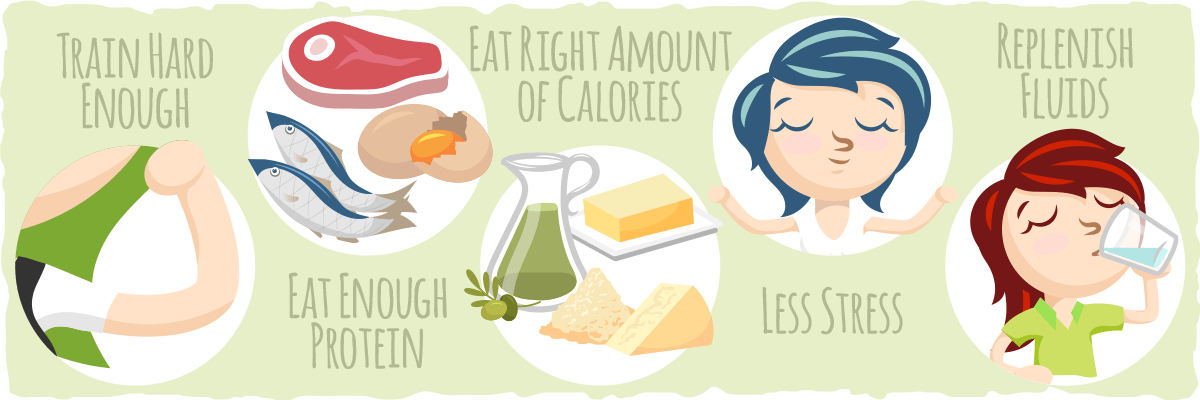
Here are the five principles every bodybuilder must follow:
- Train hard enough. You must give your muscles a stimulus to grow.
- Eat enough protein. You must give your muscles the building blocks they need to grow and your body the energy it needs to function.
- Eat the right amount of calories. Whether you want to cut body fat or increase muscle mass, it is important to eat the right amount of calories. On the ketogenic diet, you will manipulate your calorie consumption by eating more or less fat.
- Take care of your hormones. Resistance training, adequate nutrition, essential fatty acids and proper sleep should be your primary focus to increase your testosterone and HGH. Too much stress will put your body into a catabolic state that breaks down muscle for energy.
- Drink plenty of water. The ketogenic diet and working out both cause significant water loss. If you don’t replenish your fluids, then your performance and recovery will be significantly impaired.
Now that we are aware of the five bodybuilding principles, let’s figure out how to optimize them on the ketogenic diet.
Optimizing The Five Bodybuilding Principles On The Ketogenic Diet
1. How To Train Hard Enough on The Ketogenic Diet
With every workout, you are telling your cells what they need to adapt to. This is why it is always important to make your workouts more challenging little by little. If you don’t, your muscles won’t grow.
However, when you are first adapting to the ketogenic diet, you probably will not be able to work out with the same intensity as you did before. This happens because your body’s ability to tap into glycolysis is severely impaired when it is first adapting to carbohydrate restriction. To understand what this means, we must dive deep into the cell where energy is formed.
There are three primary energy systems that your cells use to fuel themselves during exercise: the phosphagen system, the glycolytic pathway, and the aerobic system.
The Phosphagen System
The first is the phosphagen system. No carbohydrate or fat is used in this system. The regeneration of ATP (our primary energy molecule) comes solely from stored creatine phosphate, which allows cells to replenish energy more quickly than any other energy system. This is why the phosphagen system is the predominant energy system used for all-out exercise lasting up to about 10 seconds (think short sprints or 1-5 rep max lifts). However, there is a limited amount of stored creatine phosphate and ATP in skeletal muscles, which is why fatigue occurs rapidly at higher intensities of activity.
The Glycolytic Pathway (Glycolysis)
Once the phosphagen system is depleted, the body starts using the glycolytic pathway. This energy system is used for all-out exercise lasting from 30 seconds to about 2 minutes (think 400-meter dash or 10-20 rep max lifts) and is the second-fastest way to resynthesize ATP.
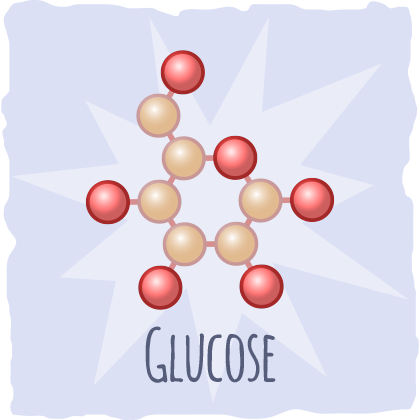
During glycolysis, carbohydrate—in the form of either blood glucose (sugar) or muscle glycogen (the stored form of glucose)—is broken down for energy. At a certain point during this process, the muscles accumulate so many hydrogen ions that they can’t function effectively without the help of oxygen.
The Aerobic System
The aerobic system kicks in when the muscles cannot create enough energy without the aid of oxygen. Although this system uses blood glucose and glycogen, it can also burn fat as well, yielding us the most ATP out of any macronutrient. The only problem is that the aerobic system is the slowest of all energy systems and may not predominantly burn fat at first. While carbohydrates are restricted on the ketogenic diet, however, the aerobic system will get better at burning fat for fuel and starts sparing sugar and glycogen.
What All of This Means For You
Now that we have been introduced to the three energy systems, we can figure out why glycolysis will suffer from carbohydrate restriction. The pathways reliance on glucose and glycogen will cause it to suffer the most at the beginning of the ketogenic diet when the body hasn’t fully adapted to carbohydrate restriction yet. What does this mean for bodybuilders?
Any sets that last between 30 seconds and 2 minutes will be much harder to handle at first. This means that you will lose strength and endurance when you do 8 or more reps per set. However, this doesn’t mean that you have to stop your workouts altogether.
If you want to keep gaining muscle and strength while you are keto-adapting, try lowering the rep ranges to 3-5 reps and increasing the sets and rest periods. That’s right — you don’t necessarily need to work out in “hypertrophy” rep ranges to stimulate hypertrophy.
In studies on hypertrophy by Dr. Brad Schodenfeld, He found that a three rep max training program can produce the same results as a ten rep max program if the total volume between the two programs is the same.
For example, let’s say you do three sets of 10 reps with your ten rep max. If the weight is — for the sake of simplicity — 20 pounds, then that means the volume is 200 lbs per set and 600 pounds for that exercise.
Now, let’s convert that volume into a three rep max program. Assuming that the three rep max is 25 pounds, that gives us 75 pounds of volume per set, which means you need to do eight sets of 3 reps with your three rep max to get 600 pounds of total volume.
The only problem is that this type of workout will take 2-3x longer than a workout that consists of 3 sets of 10 reps for the same exercises.
However, If you have the time and you want to increase muscle mass and strength while you are keto-adapting, then try switching to a more phosphagen system dominant workout. Just make sure you get 3-5 minutes rest between sets to ensure full recovery.
On the other hand, If you don’t have the extra time, then stick to your usual workout. Just keep in mind that you may not have the same strength or endurance as you did when you were eating carbohydrates. Because of this, your first few weeks on the ketogenic diet may not lead to new muscle growth, but you can maintain your gains if you follow the second bodybuilding principle — eat enough protein.
The Takeaway: While you are keto-adapting, your ability to sustain efforts for 30 to 120 seconds will be compromised. For this reason, it may be best to sets with lower rep ranges so that the effort lasts shorter than 10 seconds per set. By doing this, you can continue gaining strength and muscle during the first few weeks on the ketogenic diet. Make sure you match your volume (total weight lifted) with your previous workouts to stimulate hypertrophy.
Side note: There are also a couple of supplements that may help boost performance enough to counteract any strength loss and potentially help you increase strength and muscle as you adapt to the ketogenic diet. Read the “supplements” section below to see what works. (Keep in mind that the supplements that I mention below cannot replace the importance of the next bodybuilding principle.)
2. Eating Enough Protein

When it comes to building muscle, protein is the most important thing you can put in your body. Eating the right amount of protein can spare muscle loss when you are in a caloric deficit and increase muscle mass when you workout and eat enough calories. Protein is even more important on the ketogenic diet because it provides the body with glucose via gluconeogenesis.
How Much Protein is Enough?
In the most recent International Society of Sports Nutrition position stand on diets and body composition, the researchers reported that a protein intake of 1.4-2 g per kilogram or 0.6-.9 grams per pound of bodyweight is ideal for athletic populations (like bodybuilders). Bodybuilders who are on a cut (cutting calories to lose fat) will be able to preserve muscle mass (and, in some cases, gain muscle) by increasing their protein intake even more. Ketogenic dieters will also benefit from higher protein intakes. The best protein sources on the ketogenic diet are:
- Meat
- Eggs
- Fish
- High-fat dairy
- Low-carb protein powders
The Takeaway:
If you are trying to gain or maintain muscle on a ketogenic diet:
- Eat around 1 gram of protein per pound of body weight (2 g of protein per kilogram)
If you are trying to lose fat and maintain muscle:
- Eat around 1 gram of protein per pound of body weight (2 g of protein per kilogram)
- However, some may benefit the most from protein intakes above ~1.3 grams per pound of body weight (3 grams per kilogram)
To figure out how these numbers play into the rest of your ketogenic diet, use our keto calculator. It will provide you with the information you need to find out if you are eating enough protein and calories. One thing worth tracking alongside protein is your body composition – our guide to estimate your body fat percentage shows you how to gauge your lean mass so you can set a more accurate protein target.
3. Eating The Right Amount of Calories
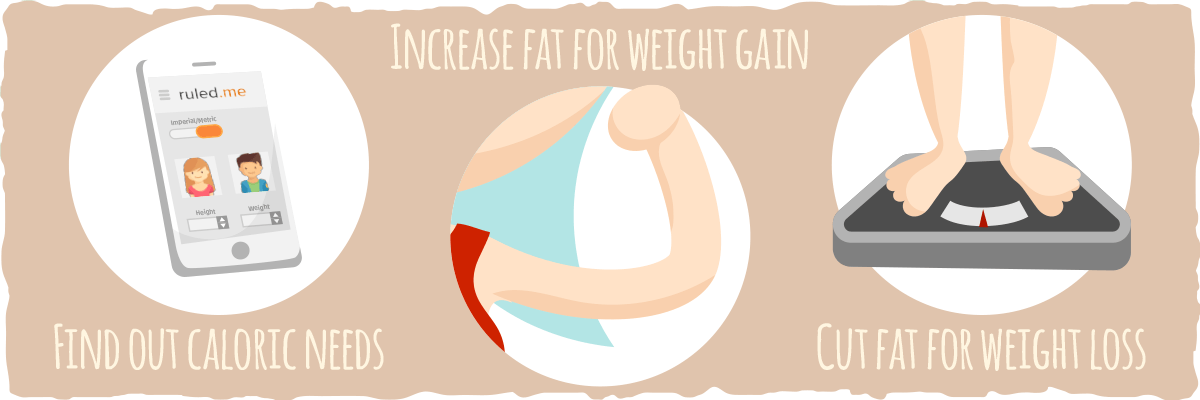
Calories matter. You cannot escape the fact that eating too little will cause you to lose weight and eating too much will cause you to gain weight. For most people, the weight they lose will come from body fat, and muscle and the weight they gain will come from fat.
However, you can change the composition of the weight you lose and gain and build a better body by:
- Eating enough protein to increase muscle protein synthesis.
- Restricting carbohydrates to improve the body’s ability to burn fat.
- Lifting weights to stimulate muscle growth.
Once these three factors are in place, you will tend you lose more fat if you are in a calorie deficit and gain more muscle if you are in caloric excess. Now, let’s get more specific to figure out what this means for you.
To optimize your diet for muscle gain:
- Eat a calorie surplus of 250-500 calories a day to increase your bodyweight by 0.5 to 1 pound a week.
- The excess calories should come from fat, not protein or carbs.
- Maintain protein intake at around 1 gram per pound of bodyweight (~2 grams per kilogram).
- If you are new to bodybuilding, then larger caloric surpluses are more appropriate because your body is primed for more muscle gain.*
- If you have been bodybuilding for a couple of years, then smaller caloric surpluses may be better to avoid increased fat accumulation.*
* These suggestions aren’t true for everyone, so adjust your calories based on your results.
To optimize your diet for fat loss:
- Calorie intake should be set at a level that results in bodyweight losses of approximately 0.5 to 1% per week to maximize muscle retention. (This strategy is commonly used for contest preparation.)
- Cut down on fat consumption to achieve this caloric deficit.
- Maintain protein intake at 1 gram per pound of bodyweight (~2 grams per kilogram) or more.
- If you are overweight or obese, you will benefit from faster weight loss (>1% of bodyweight lost per week).
The Takeaway: Once you have your ideal daily protein intake established, find out your calorie needs with the keto calculator.
For gains, aim for a calorie surplus that will cause you to gain 0.5-1 pounds per week.
For fat loss, aim for a calorie deficit that results in bodyweight losses of approximately 0.5 to 1% per week (or >1% for obese or overweight individuals).
Increase or decrease your fat consumption to meet your calorie needs.
4. How To Optimize Your Hormones on Keto

Hormones like human growth hormone, cortisol, insulin, testosterone, and IGF-1 play significant roles in the regulation of muscle and fat mass. Human growth hormone, for example, stimulates growth, cell reproduction, and cell regeneration, making it an essential hormone to increase for bodybuilders. One reason why the ketogenic diet is one of the best diets for bodybuilders is that it tends to increase human growth hormone levels due to how it mimics fasting with carbohydrate restriction.
However, many bodybuilders argue that carbohydrates are essential because they stimulate insulin and IGF-1, which help build muscle. It is true that carbohydrates are potent stimulators of these anabolic hormones, but digging deeper into the biochemistry shows us that carbs are not necessary.
When we workout, our muscle cells become sensitive to insulin and IGF-1 and Human growth hormone and testosterone increase. If you combine that workout with a high protein diet, then the amino acids in the protein will stimulate insulin and IGF-1 release, which will increase muscle protein synthesis tremendously. In other words, carbohydrates are not necessary for building muscle because protein and exercise promote more of an anabolic stimulus.
However, if you follow that great workout and high protein meal with chronic stress and poor sleep, then your results will plummet. In response to stress, catabolic hormones like cortisol increase to provide you with extra energy to deal with the problem. This energy can come from your stored glycogen and the protein in your muscles.
During the beginning of the ketogenic diet, glycogen will be depleted, so your muscles tend to be broken down for energy in response to excess stress. Increased cortisol levels will also cause insulin resistance and less fat breakdown, leading to less muscle gain and more fat retention.
The best way to guarantee that your hormones are optimized is by following a set sleep, meditation (to lower stress and cortisol levels), and workout schedule. By knowing exactly when you will sleep, meditate, and exercise, your mind and body will be primed and ready for when the time comes to execute the plan.
It may take some experimentation before you find the right amount of sleep, meditation, and proper workout timing for you, but keep trying until you find what fits you and your schedule best. Once you settle on a schedule, execute on it every day for best results.
The Takeaway: To optimize your hormones on the ketogenic diet, consider doing some of the below.
- Eat enough protein.
- Workout with the right amount of volume and intensity.
- Mitigate stress with meditation.
- Prioritize sleep for optimal recovery.
- Follow a set workout, sleep, and meditation schedule for best results.
5. The Final Principle: Hydration
Although water will not help you build muscle directly, it is essential for your health and bodybuilding success (especially on the ketogenic diet).
With a water loss of only 2% of your body weight, physical performance will be impaired physical performance, and with 2.8% water loss, your cognitive function will be impaired as well.
This amount of water can easily be lost within the first week of the ketogenic diet, as the body sheds water and sodium due to carbohydrate restriction.
If you are not mindful of your water intake during this time, you can experience the keto flu. For more on the keto flu and how to remedy it, click here.
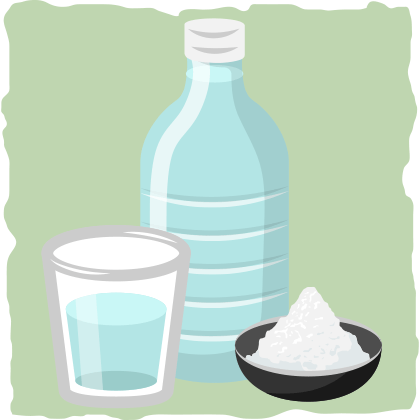
To avoid these symptoms, make sure you are drinking 2.7 liters of water per day if you are a woman and 3.7 liters of water per day if you are a man. You must also drink extra for the water you lose during exercise and carbohydrate restriction.
To replenish the water loss caused by exercising, Dr. Ben House recommends drinking 16-20 ounces of water per pound of bodyweight you lose from working out. Weigh yourself before and after your workout to find out how much water weight you lost so that you can add that to your water intake for that day.
You will also lose a couple of pounds of water during the first five days of the ketogenic diet. Weigh yourself each day to see how much water you lost. For each pound you lose, add an extra 16-20 ounces of water to your baseline of water intake for the day.
Put a pinch of unprocessed salt in the water you drink and salt your food liberally. This will replenish your sodium and water levels much more quickly.
The Takeaway: For women, drink at least 2.7 liters of water per day.
For men, drink at least 3.7 liters of water per day.
Add an extra 16-20 ounces of water to your baseline water intake for every pound of water weight that you lose from exercise and the first five days of ketogenic dieting.
Put a pinch of salt in your water and liberally salt your meals for best results. Aim for one teaspoon to a teaspoon and a half of salt per day.
How To Take Your Results To The Next Level on The Ketogenic Diet
The importance of the four bodybuilding principles is paramount. By training hard enough, consuming the right amount of protein, fat, carbs, and water, and optimizing your hormones, you will get the results you want. If you are looking for an extra bodybuilding boost, here are some other suggestions.
Protein Timing
A popular myth in the bodybuilding world is that you must consume protein within an hour after you exercise or else the workout will be wasted. The truth, however, is a bit more complex.
Studies on protein metabolism have estimated that the anabolic effect of a meal lasts 5-6 hours. This means that the protein that you consume 2-3 hours before training will increase muscle protein synthesis throughout your workout and for a couple of hours after.
On the other hand, this also means that training more than 3-4 hours after your last meal will require pre or post workout protein supplementation to increase muscle protein synthesis.
The general recommendation is to consume 20 to 40 grams of easily digestible protein before or after exercise. However, this recommendation is not necessary if you ate less than 3 hours before your workout and plan to have another meal 2-3 hours after your workout.
Recommendations:
- Eat a high protein meal at least 2-3 hours before and 2-3 hours after exercise.
OR
- Supplement with 20 to 40 grams of protein with an hour before and/or after your workout
Intermittent Fasting
Although the research results have been inconsistent, many benefits have been reported from intermittent fasting, whether it is fasting every other day or for 16-20 hours a day.
Some of the benefits of intermittent fasting for bodybuilders may include:
- Increased in human growth hormone
- Improved recovery
- Increased fat burning
- Increased ketone levels
The only way to know if intermittent fasting will work for you is by trying it out for yourself.
I suggest experimenting with it while you first start the ketogenic diet. By doing this, you can get into ketosis much faster than if you ate regularly throughout the day.
However, just because you are fasting doesn’t mean that you should stop tracking your macronutrients. If you are doing a full day fast, then aim to meet your weekly calorie needs by eating a bit extra when you are not fasting.
Recommendations: Try fasting for 16-20 hours a couple of days a week or when you start the ketogenic diet to see if it helps increase fat loss and ketone levels. Make sure you are still consuming enough protein and calories to meet your goals.
Using Carbs As A Tool To Improve Exercise Performance
If you have been using the four bodybuilding principles and following the ketogenic diet flawlessly and your performance and results are still suffering, then you may benefit by increasing carb consumption at the right times.
The two main ways of doing this are known as the cyclical ketogenic diet and the targeted ketogenic diet.
- The targeted ketogenic diet is implemented by taking 25-50g of easily digestible carbohydrates 30 minutes before exercise. This is commonly used by keto dieters and exercise beginners who feel like they are going to die during their regular exercise routine.
- The cyclical ketogenic diet is comprised of 1-2 carbohydrate refeeding days followed by 5-6 strict ketogenic diet days. This type of ketogenic diet combines carbohydrates with ketosis to improve strength, performance, and body composition. To implement the cyclical ketogenic diet correctly, you must deplete your glycogen stores with exercise training and get into ketosis before the carbohydrate re-feeding days.
For more in-depth information on the difference between the cyclical, targeted, and standard ketogenic diets, check out our guide on the three ketogenic diets.
Recommendations: If implementing the four bodybuilding principles with a strict ketogenic diet isn’t providing the results you want, then try experimenting with the targeted ketogenic diet or cyclical ketogenic diet.
Supplements for Keto Bodybuilders
MCT Oil
Most fats that you consume won’t be used as fuel right away, especially during the first few days of carbohydrate restriction.
This is why supplementing with a special type of fat called MCT oil can help you tremendously. How?
MCT oil is made of medium chain triglycerides, which are a type of saturated fat that goes straight to the liver after digestion (just like carbohydrates).
In the liver, they can be converted into ketones and sent to the cells in your body that need them for energy. In other words, supplementing with MCT oil can help you become keto-adapted more quickly. Try supplementing with MCTs before your workouts for an extra boost.

Recommendations: Supplement with 1-2 tablespoons of MCT oil or MCT powder before your workouts for an extra energy boost.
Fish Oil
The omega 3s (DHA and EPA) in fish oil are responsible for some of the positive effects eating salmon has on the body.
The main effect that bodybuilders benefit from most is the ability that EPA and DHA have to improve recovery and stimulate muscle protein synthesis.
The American Heart Association recommends 1g of EPA+DHA daily. This recommendation can be met by taking a fish oil supplement or eating a 3-ounce serving of sardines or salmon per day.
Furthermore, if the goal of supplementation is to reduce soreness, a 6g dose, spread over the course of a day, will help.

Recommendations: Supplement with at least 1 gram of DHA+EPA from a 3 ounce serving cold-water fish or a fish oil supplement every day. Use Nordic Naturals Ultimate Omega and eat wild-caught (not farm-raised) salmon and sardines for the best results.
L-Citrulline
L-Citrulline is commonly used as a sports performance and cardiovascular health supplement. Studies have found the L-citrulline supplementation results in reduced fatigue and improved endurance for both aerobic and anaerobic prolonged exercise. This makes it the ideal supplement for keto bodybuilders, especially while they are adapting to the diet.
Recommendations: To enhance exercise performance, take 6,000 – 8,000 mg of citrulline malate about an hour before training.
Creatine
Creatine is one of the most well-studied supplements and is safe and effective in enhancing some aspects of performance. Taking 5 grams per day of a cheap monohydrate powder (no need for anything fancy) seems like the perfect supplementation strategy for anyone looking to increase muscle mass, strength, and power.
Should you load with creatine?
According to the research, you will get similar benefits from loading creatine as you will when you take a smaller (5 gram) daily dose. The only difference is that creatine loading will cause faster saturation of muscles with creatine, which can lead to greater short-term increases in strength and body weight (via water retention).

Taking a smaller dose of creatine for a longer period of time will eventually reach the same saturation point, but will take longer.
Recommendations: Keep it simple and take 5 grams of creatine monohydrate powder per day.
Beta-Alanine
Beta-alanine has been shown to enhance muscular endurance. Many people report being able to perform one or two additional reps in the gym when training in sets of 8–15 repetitions. This is the exact rep range that will be comprised during the first few weeks of the ketogenic diet, which makes beta-alanine an ideal supplement for keto bodybuilders.
Recommendations: With beta-alanine, timing doesn’t matter. Take 2–5 g with 5 g of creatine every day for best results. If the tingly sensation that beta-alanine gives you is too uncomfortable, then take .8 to 1 gram of beta-alanine 2-5 times throughout the day.
Ketone Salts
Other than fasting, the ketogenic diet is the best way to increase ketone levels without supplements. However, if you are looking to boost your ketone levels for increased energy during workouts, then ketone salts will help.
Ketone salts are a powder that consists a combination of a ketone body and a mineral. You’ll commonly see sodium, potassium, magnesium, or calcium bound together with beta-hydroxybutyrate (BHB) or acetoacetate in these ketone salt supplements.
The ketone salt that works best for you will depend on your mineral needs. On the ketogenic diet, you will probably be getting enough sodium from salt intake and calcium from high-fat dairy, so magnesium and potassium salts are the better choices.

Magnesium has a slight edge over potassium because many more people tend to be deficient in magnesium then potassium.
The ketone body you should get is, without a doubt, BHB. On a biochemical level, this ketone body goes through an additional chemical reaction that helps increase cellular energy, which means you’ll get more energy out of BHB than acetoacetate. One study also has found that BHB helps increase muscle protein synthesis.
Recommendations: Try supplementing with a magnesium or potassium BHB ketone salt for an energy and muscle building boost during your workouts.
Taurine
Taurine is an organic acid that is known to have a variety of benefits, especially for bodybuilders and athletes. In a recent study, researchers compared the effects that caffeine, caffeine+taurine, and taurine had on power and fatigue during an all-out cycling sprint. This all-out cycling sprint was testing the exact energy system that is most compromised during the ketogenic diet, so the results of this study are promising for athletes and bodybuilders on the ketogenic diet.
What were the results? You probably think the combination of caffeine and taurine got the best results, right? It’s obvious.
Well, not quite. Taurine supplementation alone decreased fatigue and increased power more than caffeine or caffeine and taurine together.
Recommendations: The study mentioned above supplemented their participants with 50 mg of taurine per kilogram of body weight. Use this metric to find your personalized dose and slowly decrease it to see if you can get the same effects from less taurine.
Caffeine
You’ve probably already felt the incredible impact that caffeine has on us, and it’s no surprise that these effects have been found to improve exercise performance. However, caffeine comes with two crucial caveats:
Consuming caffeine within 12 hours of bedtime can reduce total sleep time and impair sleep quality. As a general rule of thumb, sleep researcher, Dr. Matthew Walker, recommends refraining from caffeine consumption at least 12 hours before bed to maximize sleep quality.
Since sleep is crucial for workout recovery, maximizing muscle growth, and preparing the brain and body for the next workout, bodybuilders who use caffeine are likely to benefit significantly from following this advice.
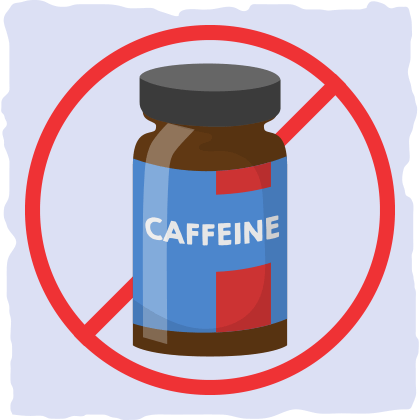
Caffeine’s performance-enhancing effects can taper off with regular use. Unfortunately, caffeine tolerance can occur in just a few days and resetting your tolerance enough to improve performance can take four days or longer. This means that you may have to cycle on and off the substance to experience a legitimate workout boost when you consume it.
For these two reasons, I don’t recommend supplementing with caffeine as a way to enhance exercise performance. Besides, the other supplements we recommend can help improve performance more reliably than caffeine, and you won’t become tolerant to them.
BCAA and EAA Supplements
BCAA stands for branched chain amino acids and EAAs stand for essential amino acids. They both are the building blocks of the complete proteins like the meat, dairy, and fish you will have in your ketogenic diet.
After research found that leucine, the primary BCAA, helps stimulate muscle protein synthesis, BCAA supplementation suddenly became essential for bodybuilders.
However, if you are eating plenty of protein already, supplementing with BCAAs or EAAs is just a waste of money that may not help at all. Use that extra money to buy a quality protein powder like whey protein or pea protein that has all the amino acids necessary for muscle growth.
Common Keto Bodybuilding Concerns
The two primary concerns that you may probably have are about eating too much fat and too much protein. After all, eating a lot of saturated fat will cause heart disease and eating too much protein will cause kidney problems, right?
The short answer is no. Protein and fat intakes that are higher than we recommend in this article are safe and can provide us with many health benefits. For a more in-depth look at these common keto concerns and more, check out our recent article.
Putting It All Together
When done correctly, combining the ketogenic diet with bodybuilding workouts is one of the most effective ways to achieve your body composition goals.
How do you combine the two correctly? Implement these five principles:
- Train hard enough to give your muscles the stimulus to grow.
- Consume enough protein to fuel your body and build muscle.
- Eat the right amount of calories to achieve your ideal body composition.
- Optimize your hormones by following a sleep, meditation, and workout schedule.
- Drink plenty of water with unprocessed salt every day.
These five principles are all you need to get the best results. However, there are other things you can do that may boost your results even further. These include:
- Supplementing with protein from a meal or a low-carb protein powder 1-2 hours before and/or after workouts.
- Take MCT oil and/or BHB ketone salts before workouts for an energy boost.
- Consume more omega 3s from fish oil, salmon, and sardines.
- Use carbohydrates as a tool to improve performance by following the targeted ketogenic diet or the cyclical ketogenic diet.
- Supplement with creatine, citrulline, beta-alanine, and taurine to get more out of your workouts.
Oh, and ditch the caffeine and BCAAs, they aren’t worth your time. Instead, invest your time in implementing the suggestions in the ketogenic diet beginner’s guide.
Sources:
- Very-low-carbohydrate diets and preservation of muscle mass — NCBI
- Ketogenic diet does not affect strength performance in elite artistic gymnasts — BioMed Central
- Resistance training in overweight women on a ketogenic diet conserved lean body mass while reducing body fat — BioMed Central
- Relatively high-protein or ‘low-carb’ energy-restricted diets for body weight loss and body weight maintenance? — NCBI
- Effects of dietary carbohydrate restriction with high protein intake on protein metabolism and the somatotropic axis. — NCBI
- The Effects of Ketogenic Dieting on Body Composition, Strength, Power, and Hormonal Profiles in Resistance Training Males — Ovid Insights
- Ketogenic diet benefits body composition and well-being but not performance in a pilot case study of New Zealand endurance athletes — Springer Link
- Can Fat Fuel The Athlete — Chris Masterjohn PhD
- Effects of variation in protein and carbohydrate intake on body mass and composition during energy restriction: a meta-regression — The American Journal of Clinical Nutrition
- Dietary protein – its role in satiety, energetics, weight loss and health — British Journal of Nutrition
- International society of sports nutrition position stand: diets and body composition — Journal of the International Society of Sports Nutrition
- The Three Metabolic Energy Systems — IDEA Fit
- The Science of Carbohydrate Loading — Marathon Training
- Effects of different volume-equated resistance training loading strategies on muscular adaptations in well-trained men. — NCBI
- A Systematic Review of Dietary Protein during Caloric Restriction in Resistance Trained Lean Athletes: A Case for Higher Intakes — Human Kinetics Journals
- Fasting enhances growth hormone secretion and amplifies the complex rhythms of growth hormone secretion in man. — NCBI
- Nutrient timing revisited: is there a post-exercise anabolic window? — Journal of the International Society of Sports Nutrition
- Creatine — Examine
- Do I Need To Load Creatine — Examine
- Citrulline — Examine
- Fish Oil — Examine
- Dietary omega-3 fatty acid supplementation increases the rate of muscle protein synthesis in older adults: a randomized controlled trial — The American Journal of Clinical Nutrition
- Caffeine Tolerance: Causes, Prevention, and Reset — Caffeine Informer
- Taurine — Examine
- The Effects of Caffeine, Taurine or Caffeine-Taurine Co-Ingestion on Repeat-Sprint Cycling Performance and Physiological Responses — Human Kinetics Journals
- Beta-alanine — Examine
- Prevalence of magnesium and potassium deficiencies in the elderly. — NCBI
- Effect of beta-hydroxybutyrate on whole-body leucine kinetics and fractional mixed skeletal muscle protein synthesis in humans. — NCBI
- Influence of Caffeine on Exercise Performance in Habitual Caffeine Users — International Journal of Sports Medicine
- Why We Sleep — Matthew Walker, PhD
- Evidence-based recommendations for natural bodybuilding contest preparation: nutrition and supplementation — NCBI
- Efficacy of ketogenic diet on body composition during resistance training in trained men: a randomized controlled trial — Journal of the International Society of Sports Nutrition
Hello … I have done a keto diet in the past and find that it really works for me in terms of how I feel and my ability to manage my weight. I lift weights and understand the general macro formula — and the need to get enough protein to grow muscle. Here’s my dilemma — I want to lose some fat (about 20 lbs) while preserving muscle, so I know I need to keep my protein levels up (as well as keep lifting). But too much protein (from what I’ve read) interferes with ketosis, just as too many carbs do. How do you calculate optimal protein for maintaining muscle while staying in a keto-adapted state? For example, I weigh 150 lbs — if I eat 150g of protein (assuming 1400 cal daily intake), that’s 43% of my calories as protein. But most keto experts say you have to have your fat intake at 70-80% to stay in ketosis. Not sure how to reconcile this?
Thanks! Terri
Hey Terri,
As long as you are eating 1 to 1.2 grams of protein per pound of lean muscle mass (not per pound of body weight), you will be able to maintain muscle mass. Whether or not, you are able to get into a deeper ketosis or stay in ketosis with this protein intake depends on your lifestyle, meal composition, and genetics.
In general, if you eat most of your protein requirements at one or two meals, it will lower your ketone levels and potentially keep you out of ketosis. On the other hand, if you disperse those protein feedings evenly throughout the day, then it is possible that you won’t disrupt ketone levels at all.
What will probably work best for you is distributing your protein intake evenly throughout each meal with an extra 20-40 grams with your post workout meal. Getting in some more protein with your post workout meal will allow you to leverage the fact that you are more insulin sensitive after training so you are much less likely to impair ketone production by eating more protein at that time.
For example, if you want to eat around 150 grams per day in 4 meals, you can do something like this:
Breakfast – 30 grams of protein
Post workout meal- 40-50 grams of protein
Snack – 20-30 grams of protein
Dinner – 30-40 grams of protein
Aim for 1.2 grams per pound of lean body mass first, and if that keeps you from your ketosis goals, then lower it to 1 gram per pound of lean body mass.
Another important thing to consider is your calorie deficit. To preserve as much muscle mass as possible while losing fat its best to go low and slow with a 10-15% caloric deficit. By doing this along with eating enough protein and increasing your workout volume, you might even be able to gain some muscle while you lose fat.
You say, “The pathways reliance on glucose and glycogen will cause it to suffer the most at the beginning of the ketogenic diet when the body hasn’t fully adapted to carbohydrate restriction yet. “
Does this mean that once people are fat adapted (after 1 – 2 weeks) then weight training performance in the 6-20 rep range will no longer suffer while on keto? Can I expect performance to return after adaption? If not, then am I forced to do a TKD or CKD or is it possible to maintain performance on a SKD?
Hey George,
Great question!
After keto adaptation, you will most likely have enough glycogen reserves to fuel 45 min to 60 min of training in 6-20 rep ranges. In other words, your exercise performance should return to normal after your body is keto adaptated. However, this may take a couple of months (I’m being vague because there isn’t enough research on it yet). One to two weeks of ketosis typically isn’t enough time for your body to decrease glucose utilization, increase ketone use, and replenish glycogen adaquately enough to support high-intensity training.
If you notice your performance dropping while you are on the SKD, you can implement one of these three strategies:
-stick to rep ranges of <6 reps until you are keto adapted and performance returns (you can test this by doing your normal workout after every month)
– implement the TKD and train like you normally would
https://www.ruled.me/targeted-ketogenic-diet-indepth-look/
– Implement the CKD and train as you normally would
https://www.ruled.me/cyclical-ketogenic-diet-indepth-look/
Does this all make sense? If you have any questions, please let me know.
Question… as a woman I am aware that I might require more carbs even on keto. But when carbing up, we’re supposed to have the carbs without the fat, which means that pre-workout I wouldn’t be able do both the MCT oil and let’s say, beets, correct? Which would be preferable? I normally work out around 830 pm, so I was thinking that I could have some beets before heading to the gym. Which leads me to a few more questions – how much time does there need to be between fat consumption and carb consumption when carbing up? And – if I typically IF from dinner to lunch the next day, is it ok that I’m working out post dinner or should I have a protein shake after my workout? I like/use Ketosys by ANS. Thanks!! I’m finding all this stuff a bit confusing as I also have thyroid and hormone issues but I must be doing something right as I am losing fat and gaining muscle.
Hey Diane,
Since MCTs are digested in a different way than longer chain fats, you CAN have MCTs when you are carbing up. In fact, the MCTs may decrease your carb needs for your workout because the ketones from the MCTs will be used to replace some of your sugar needs.
To maximize your muscle building potential, it would probably be best to have your protein shake post workout. Your top priority, however, should be meeting your daily protein needs first and foremost – then, if you want to give yourself an extra muscle building boost, take your protein shake post workout.
Regarding thyroid and hormone issues: if you are feeling healthy, you’re getting the results you want, and your blood tests indicate that there is nothing to worry about, then you are on the right track.
I know I briefly touched on a couple of complex topics, so if you have any other questions, please let me know.
Great info-question-any added advice for losing the visceral fat? I’ve done numerous different meal plans, specialty training and load programs with great results but still fight this fat. Would the IF be a great place to start? Not really possible to increase my workout load at this time. Thanks.
Hey Ben,
The best place to start is with any dietary strategy that keeps you in a calorie deficit that you can sustain for the long term. If IF helps you restrict your calories more than usual and you think you can stick with it then I’d definitely give it a try.
When your body is in a calorie deficit it will be able to burn stored fat, including visceral fat. This is the principle behind how we lose fat — and the most popular fat loss strategies, like keto dieting and IF, work mostly because they allow you to sustain a calorie deficit.
To find out what being in a calorie deficit means for you, I suggest plugging your info into the keto calculator and using that as a starting point:
https://www.ruled.me/keto-calculator/
Does all of that make sense? If you have any questions, please let me know.
Hi there! First of – thanks for putting so much value here. I come back here a lot. I have a question about protein shakes – what are wrong with them? Most of them contain almost no carbs. Another question – I’m 5 weeks into diet and I still have low energy on workouts – like I do reps, but I don’t feel energized and I can’t say I’m releasing dopamine 😀
As to my own situation: my actual diet is 2800 calories where:
– 224g from fats
– 157g from proteins
– 31g from carbs
(according to your calculator it’s almost perfect for gaining muscle which is my goal – I weight 72kg)
They are broken down to 4-5 meals:
– breakfast – 870kcal, 75g fat, 45g proteins and 5g carbs
– protein shake – 210kcal, 7g fat, 32g proteins and 3g carbs
– lunch – 1049kcal, 84g fat, 57g protein and 12g carbs
– dessert – 285kcal, 25g fat, 5g protein and 6g carbs (berries with cream)
– dinner – 407kcal, 33g fat, 20g protein and 5g carbs
and looooots of water with lemon. Like literally 4-5 liter per day.
I also got citrulline and beta-alanine to get more energy, but didn’t noticed any improvements (should I after just 2 days?), and taking MCT oil 30 min before workout. Is there something I’m doing wrong?
Hey Jan,
To answer your first question: if your protein shake is super low in carbs, then there is nothing wrong with it. Just don’t have so much protein that you are consuming significantly more protein than the keto calculator recommends.
Based on your meal breakdown, it looks like you are doing very well.
Since citrulline, beta-alanine, and MCT oil aren’t helping much, I recommend that you do ONE of these two things:
– Reformulate your training plan so that you are doing sets that have fewer than 6 reps. (Follow the recommendations found in the “How To Train Hard Enough on The Ketogenic Diet” section of this guide:
https://www.ruled.me/compre…
– Try following a targeted keto diet:
https://www.ruled.me/target…
Using either one of these strategies should help you get the most of your workouts. If you have any other questions, please let me know.
Thank you! I will try targeted keto diet first since I train at home using my own body mass – so it would be hard to keep reps low and pump the muscles up (at least when it comes to chest).
Also, right now protein is 25% of my calories intake. Won’t that keep me out of ketosis? Am I eating too much protein? I calculated it with your keto calculator for 188 cm height, 72 kg weight and training intensity of 1.2), but it’s always better to ask.
Another questions: when using targeted keto diet where I will be eating 25-50g of simple carbs (sugars) won’t that kick me out of ketosis (at least for that period between eating that and actual workout where I deplete it)? How that works on organism?
Sounds good. Let me know how everything goes!
Jelly bears works! I eat like 30g of them (which is around 25g carbs/sugars) with cytrulline and beta-alanine and then I really get pumped.
One question tho: if in non-workout days I run and burn 400-500 calories will 2600 calories intake be sufficient to maintain muscle growth?
Hey Jan,
Try putting your info into the keto calculator and seeing what comes out when you select “sedentary” as your activity level. Then, add 400-500 calories to that number and aim for that on non-workout days.
I wonder what will happen if I will eat 100-200 calories above calculations? Are there any dangers or I will just get fat quicker (I think that might be possible despite ketosis)? I think about adding extra fats just to make sure I’m providing enough calories.
I recommend eating the extra calories on workout days to maximize muscle gain and minimize fat gain. To further maximize muscle gain and minimize fat gain, try getting most of those extra calories from protein, not fat.
Just to make sure: won’t extra protein intake kick me out of ketosis?
Also, on days when I run, can I provide those 400-500 extra calories mainly from fat? I have fat bombs that can easily cover that. Thanks in advance!
Eating extra protein on workout days (~100-200 calories worth) will probably have little to no effect on ketone levels, which is why I recommend it. If you are concerned that it will lower your ketone levels, try consuming your highest protein meal within a couple of hours post-workout.
On days you run, fat bombs are a great option. However, even if you do get a bulk of those extra calories from protein, I doubt that it will have a substantial effect on your ketone levels because you are so active.
Does this all make sense? If you have any other questions, please let me know.
Thanks for reply! I have another question: how can I lower my body fat without slowing down muscle gains? I know that I have to have excess calories to grow, but still I have like 20% body fat and would like to get as close to 10% as I can.
This will take some experimentation because it is difficult to both gain muscle and lose fat at the same time, but I think your best bet would be to maintain a small caloric excess (5-10%), getting most of it (all of it, if possible) from protein.
However, it is possible that this approach may not affect your body fat levels significantly. If this is the case, then try eating a calorie excess (like I described above) on weight lifting days and being in a small calorie deficit (around 15%) on non-lifting days to encourage more fat loss.
Alternatively, you can try focusing on one goal at a time. For example, you could focus on losing fat first by maintaining a 15% calorie deficit and keeping protein high to prevent muscle loss. Once you get to around 10% body fat, you can then increase calories so that you are in a 5-10% calorie excess with most of it coming from protein so that you can start gaining muscle mass. This approach may be easier to work with and more effective in the long run.
Hey! I am eating around 3-4 thousand calories, so at least 300 grams of fat daily. Is this sustainable? I’m concerned I might get complications from this.
Hey Antony,
How sustainable it is for you depends on your weight, body composition, workout experience, goals, and how your cholesterol levels respond to a high fat diet.
If you used the recommendations in the article as your guide, then you should be on the right track. However, to see how it is affecting other aspects of your health (like cholesterol levels), I recommend consulting with your doctor and getting a blood panel done.
I’m still confused about how to handle pre-, peri- and post-workout nutrition, especially post-workout for weight training (read: body-building-style training).
The guidelines I used to follow were:
1. pre-workout- protein and carbs if you were lean, protein only + bcaa’s if you weren’t lean
2. peri-workout – bcaa’s
3. post-workout – protein + fast-acting carbs and no fat.
Now I’m not sure how to supplement post-workout. I guess I don’t get carbs but protein only?
If you are on standard keto, then supplement with protein post-workout. You can also add in some fast-acting carbs (as long as you stay within your daily net carb limit) and MCTs for a ketone-boosting energy source that won’t slow protein absorption.
If you want to follow a targeted keto diet to boost exercise performance for higher rep sets, then you’d have carbs pre-workout. For more info on this strategy, check out our targeted keto diet guide:
https://www.ruled.me/target…
Does this all make sense? Let me know if you have any other questions.
that makes perfect sense! It goes against my training in many ways (carbs + protein post-workout has always worked for me), but I’ll give this a go. The benefits seem to outweigh the costs. 🙂
Thank you.
Good luck, Pete! I hope all works out well.
If you have any other questions, please let me know.
First of all, I love this article! Thank you so much for taking the time to research and write through all of this. I like the lower reps idea, I’ve been doing this with much success. I pretty much agree with almost everything on here, I’m basically following this article exactly, either through research or trial and error.
However, I don’t understand your view on caffeine; specifically with how it interacts with keto. Those are some pretty weak sources to back your claims. One study shows caffeine dependence from taking large amounts and the other one is about taurine and caffeine: which was done with an extremely small sample size of seven males. More importantly, none of the sources mention caffeine affecting ketosis. Rather, there have been studies that prove the exact opposite: that caffeine actually helps significantly stimulate ketosis. Also, studies show caffiene to help induce autophagy with fasting.
Also, newer studies have been showing 1g protein per pound of lean body mass is probably wrong. They show anything above .8g/lb shows little difference in muscle gain. Considering that the mentioned ratio just happened to be a perfect 1 exact gram to 1 exact pound, it shouldn’t surprise any critical thinker that research shows this ratio to potentially be false. This is a minor point because it’s still debatable due to lack of further study, but just wanted to throw it out there.
Once again, thank you for taking the time to write!
Hey Alex,
Thanks for the thoughtful comment and feedback!
I was actually intending to update our section on caffeine with more up-to-date research on the topic, including the points that you touched on. However, the research i’ve read recently on caffeine tolerance and the effects of caffeine consumption on sleep still has me cautious about recommending caffeine as a pre-workout supplement. I still need to dig into the research, but right now it seems like caffeine should only be consumed prior to morning workouts so it doesn’t disrupt sleep.
Regarding protein intake, we simplified the reccomendations to a number that most research groups agree upon. When I update this guide, I am going to look into this again as well.
Thanks again for the feedback! If you have any other questions, please let me know.
Great article. I have a question about the phosphagen system. Is this energy used up systemically or by individual muscle. For instance while I am waiting for my chest muscles to recharge for those 3-5 minutes can I hit some squats? Thanks in advance!
Hey Jason,
Yes, you can. This is actually a pretty common practice among bodybuilders. However, it is important to keep in mind that there are other factors that cause fatigue as well, not just the phosphagen system.
For example, if you are doing heavy sets of bench, this may cause some degree of central nervous system fatigue that makes it more difficult to lift heavy in general for 3-5 min or more.
The simplest suggestion I can give you is to do your heaviest compound lifts (like squats and deadlifts) first with adequate rest, then do your light-to-moderate lifts that use different muscle groups back-to-back as the other muscles are recovering.
Does this make sense? If you have any further questions, let me know.
Makes perfect sense, thanks for the response.
You’re welcome!