

Depending on your goals and activity levels, you may need to experiment with different variations of the ketogenic diet to get the best results. For most people, the standard ketogenic diet is all we need to reach our desired body weight.
However, if you train at a high intensity regularly, you may struggle to keep up with your workouts after restricting carbohydrate intake. In this case, it may be better to use carbs as a tool to boost performance, and the best way to do this is by using a cyclical ketogenic diet or a targeted ketogenic diet.
Before we find out which dietary approach would be best for you, let’s briefly go over three types of the keto diet.
The Three Main Variations of the Ketogenic Diet: SKD, TKD, and CKD
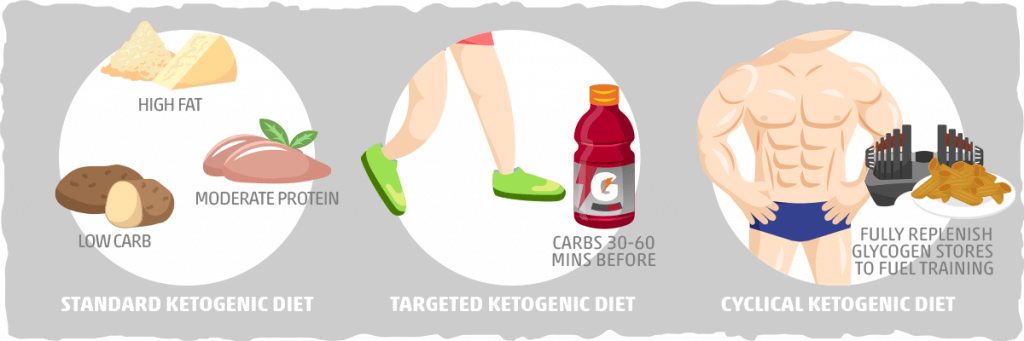
There are three main styles of the keto diet:
- Standard Ketogenic Diet (SKD)
- Cyclical Ketogenic Diet (CKD)
- Targeted Ketogenic Diet (TKD)
Each one serves a specific purpose for particular groups of people. Depending on your goals, your workout regimen, and your exercise experience, you will benefit from one variation more than the others.
The Standard Ketogenic Diet
The Standard Ketogenic Diet (SKD) is what most people think of when a keto diet is mentioned. This is a diet that is very low in carbs, moderate in protein, and high in fat. If you are looking to lose fat quickly and you only do low to moderate intensity activities (e.g., walking, cycling, yoga, and light weightlifting), then the SKD may be the ideal diet for you.
With this dietary approach, carbohydrates have to be restricted greatly. An intake of 30g or fewer of carbohydrates a day is typically required to induce and stay in ketosis (which is one of the primary purposes for restricting carb consumption so much). Keto carb limits will vary from person to person, but the general rule is to avoid fruits, starches, added sugars, and other foods that are high in net carbs.
Your primary sources of carbohydrates on the SKD will be low carb vegetables, nuts, seeds, and high-fat dairy products. For a more in-depth look at what you will be eating on the SKD, check out our keto food list.
The Targeted Ketogenic Diet
The Targeted Ketogenic Diet (TKD) consists of eating carbs around workout times (usually 30-60 min before) and following the SKD at all other times. The TKD provides us with a simple way to maintain high-intensity exercise performance and promote glycogen replenishment without interrupting ketosis for long periods of time.
This dietary strategy is typically recommended for two specific groups of people: (1) Individuals that need carbs to fuel their exercise performance but cannot or will not partake in long carb loads of a CKD or (2) individuals that are just starting an exercise program and are not ready to perform the amount of exercise needed to optimize a CKD diet.
If you are only doing cardio type exercises or any activity that is low to moderate in intensity, then the TKD (and CKD) is not for you — stick with the SKD instead.
The Cyclical Ketogenic Diet
The Cyclical Ketogenic Diet (CKD) is a dietary approach that combines carb loading day(s) with the standard ketogenic diet. It is typically used by people who are more advanced in terms of high-intensity exercise. Bodybuilders and athletes are a prime example of people that should use the CKD, since a high volume and intensity is needed in their training to optimize their performance. With this much volume and intensity, it is nearly impossible for them to train at their best without the help of carbohydrates.
For this reason, it is best for them to implement carbohydrate refeeding days once or twice a week to fully replenish glycogen stores so that they have an adequate amount of sugar to fuel their training bouts.
Unlike the TKD, where the primary goal is to maintain blood sugar and muscle glycogen at a moderate level for training, the goal of the CKD is to completely replete glycogen during carb loads and deplete glycogen and increase ketone levels between the carb loads. However, both dietary approaches will allow you to reap the benefits of carbohydrates and ketosis.
Which Diet Should You Use?
When it comes to selecting the right keto diet for you, there are some simple rules you should follow.
If you rarely do high-intensity exercise and just want to lose fat, stick with the SKD. Adding more carbohydrates in your diet will only slow your progress and keep you out of ketosis.
For those of you who do train at high intensities regularly, you may benefit from the CKD and the TKD. Typically, we recommend that exercise beginners (i.e., people who have been training at high-intensities for less than a year) should try the TKD, and they should only experiment with it if they notice a significant decrease in performance while they are on the SKD. All others who are more advanced with their training and train at higher volumes may fare better with the CKD.
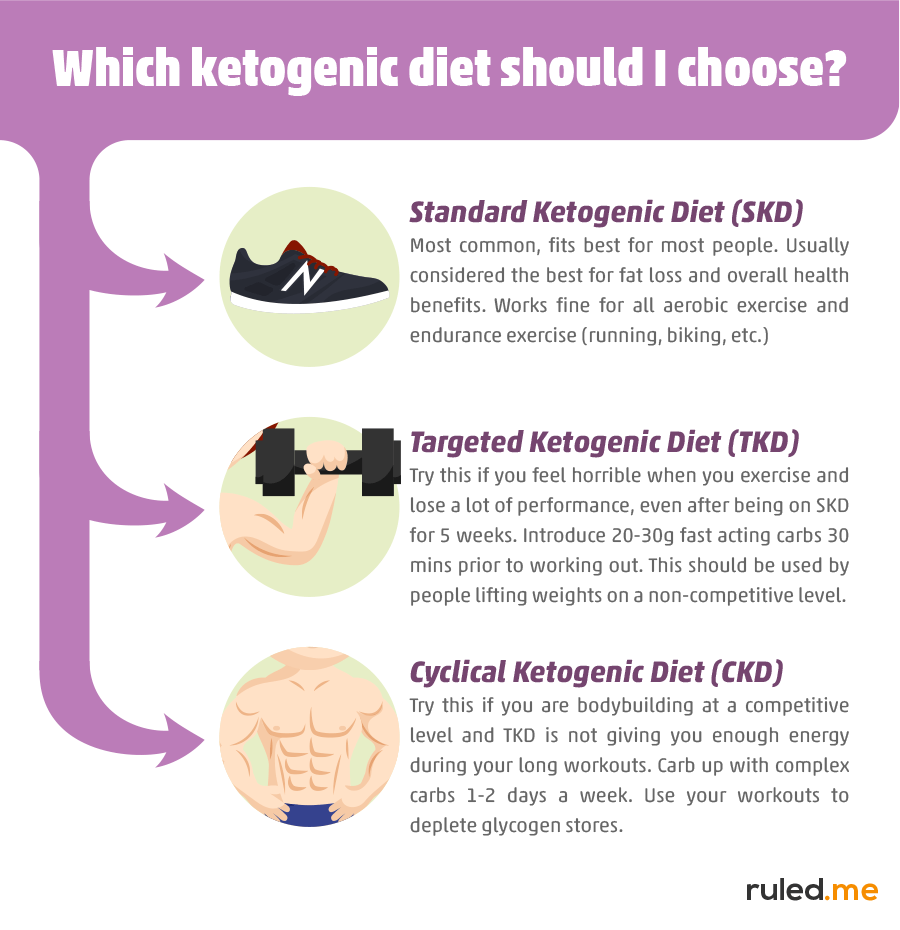
Keep in mind, however, that these are not strict guidelines. When it comes to figuring out whether CKD or TKD is best for you, experimentation is key. No individuals are the same, and you have to see what works best for you. Some people find different variations of a CKD are best, while others find the TKD to help them more consistently. This allows you more freedom to choose what works the best.
Another option that you can try is to stay on the SKD and adjust your workout program. Training at high-intensities without needing extra carbs for performance is possible. To learn how to do this without losing any strength or muscle, check out our guide to keto bodybuilding.
The only strict guideline you should follow is this: If you are not exercising at high-intensities regularly, then you should stick to the SKD. Most people need nothing more than an SKD diet.
The CKD and TKD should only be used to fuel high-intensity exercise performance, and should NEVER be used as an excuse to eat something sweet before a workout.
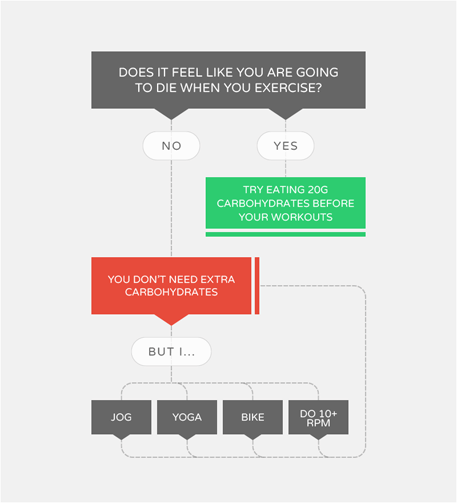
If you are not “hitting the wall” on a weekly basis with your training, there is not really a need to add carbohydrates to your diet. CKD and TKD are for people who are pushing their body to the limits, and not to just for craving suppression.
Chasing Ketosis: A Potential Downside of CKD and TKD
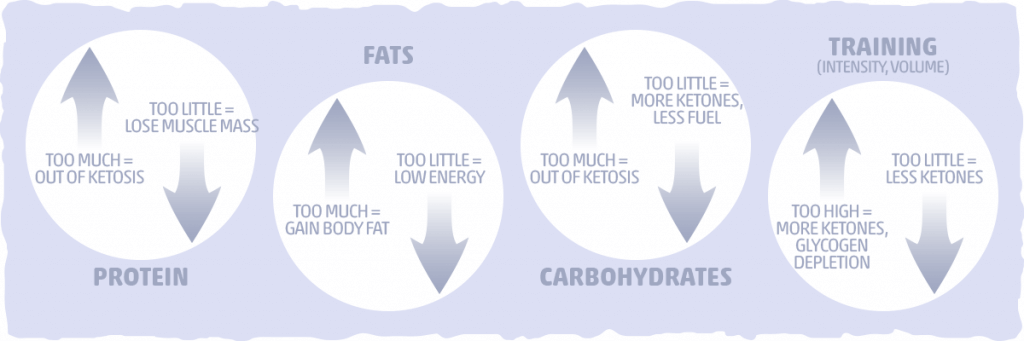
There may be some points throughout your diet where you feel like you are chasing ketosis. You may find that you are training hard and following the suggestions in our in-depth diet articles perfectly, but your ketone levels are still negligible.
Don’t get discouraged and give up. There are a couple of simple variables that you can adjust to reliably get into ketosis. Here are some of the factors that influence your body’s ability to produce ketones:
- Too much protein = can knock you out of ketosis
- Too little protein = lose muscle mass
- Too many fats = gain body fat
- Too little fats = low energy levels
- Too many carbohydrates = will knock you out of ketosis
- Too little carbohydrates = more ketone production, but less fuel for high-intensity exercise
- Not enough intensity or training volume = less ketone production
- High-intensity exercise with adequate training volume = glycogen depletion and more ketone production
Whether or not you will struggle to get into ketosis while on a CKD or TKD varies from person to person. If you find that you are chasing ketosis after upping your carb intake, use the list above as your guide. Experiment with this information by making minimal adjustments every week until you’ve created your ideal keto diet and workout routine.
Potential Downsides of the Standard Keto Diet
The standard keto diet can have a few potential downsides as well. The most common being the keto flu, which is a collection of flu-like symptoms (e.g., fatigue, brain fog, headaches, and gastrointestinal issues) that we can experience during the first week of keto dieting.
These symptoms are typically caused by the shedding of fluid and minerals resulting from carb restriction and ketosis. Fortunately, by drinking more water, consuming extra electrolytes, and supplementing with ketogenic MCT oil, you can remedy most (if not all) keto flu symptoms.
Furthermore, there are a few health conditions that may not benefit from following standard keto as well. This includes:
- Chronic kidney disease. CKD patients and those with declining renal function, kidney damage, or chronic kidney stones should be wary of any major dietary changes. Since the keto diet tends to increase protein intake compared to most Western diets, it is best to work with a renal dietician to ensure optimal protein intake for kidney fucntion. In some cases, this may mean following a low protein diet.
- Familial hypercholesterolemia. Those with chronically elevated LDL cholesterol levels and a family history of heart disease tend to be sensitive to increases in dietary fat, particularly long-chain saturated fats. In other words, this small subset of the population will do more harm than good by overconsuming butter, coconut oil, palm oil, and other foods high in long-chain saturated fatty acids. Repalcing these fats with minimally-processed sources of polyunsaturated and monounsaturated fats is typically recommended for those who have familial hypercholesterolemia. To learn more about how to make keto as heart-healthy as possible, check out our Mediterranean ketogenic diet guide.
- Hypothyroidism. Thyroid function plays a crucial role in regulating blood cholesterol levels. When the thyroid is underactive, LDL cholesterol tends to stay in the blood much longer than is healthy for your heart and blood vessels. Additionally, the thyroid tends to function better with adequate carb intake. Since keto restricts carb intake and may increase LDL levels for some, those with any condition impairing thyroid function should closely monitor their diet changes and health with their healthcare practitioner.
For a comprehensive guide on the risks and downsides of the keto diet for various conditions, click this link.
As with any major dietary change, make sure to consult your healthcare practitioner before starting a keto diet. Though many common health conditions (including diabetes, high blood pressure, obesity, and metabolic syndrome) can benefit significantly from a very low carb diet, it is important to closely monitor the food you eat and your body’s response to this way of eating.
Which Diet Will Give You The Best Results?
Usually, people that are interested in other variations of a keto diet ask which will give them the best results – The SKD, CKD, or TKD. There is no straight answer for this, as it’s based mostly on your genetics, training program, macronutrient intake, and calorie intake.
Ultimately, an SKD, CKD, and TKD will result in similar fat loss under the same calorie intake. Also, the amount of muscle mass that you will gain (or keep) depends on your protein intake, genetics, and your workout volume.
For example, if following the SKD is preventing you from working out with as much volume as you did before, then a CKD or TKD will be a better option for you if you want to gain muscle and strength. However, none of these diets will be beneficial for you if you don’t meet your nutritional needs first and foremost.
The Most Important Part of Any Ketogenic Diet: Your Nutritional Needs
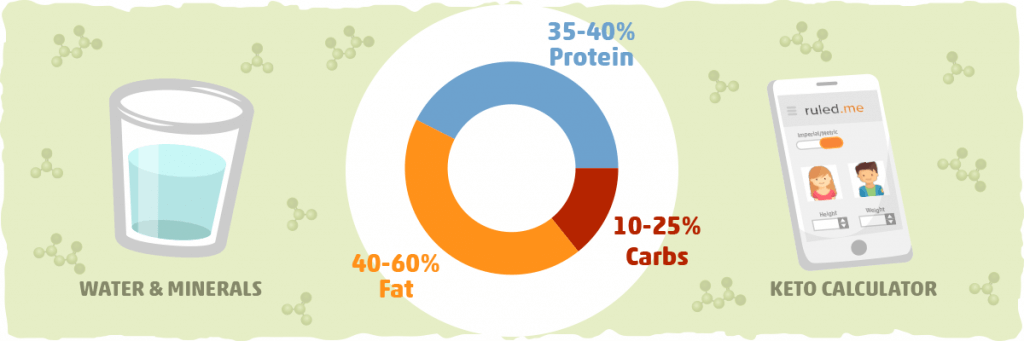
One of the first, and most important things to consider with any diet, is meeting your nutritional needs. To do this, you will want to make sure you are eating the right amount of calories and macronutrients. The easiest way to find out what your needs are is by using our keto calculator.
In general, if you want to lose weight, subtract 10-15% of your calories from your Total Energy Expenditure (TEE) calculation. If one of your goals is to gain muscle, increase your calories by 10-15% of your TEE. Easy enough, right?
Well, it’s a little bit more complex than that. You have to bring your macronutrients into play and make sure you are hitting the targeted amount.
In terms of percentages – you will want to do:
- 40-60% fat
- 35-40% protein
- Remainder (10-25%) carbs
If you are trying to gain muscle mass with your workouts, then your protein intake will end up being in the higher end of the range (and, for some people, it may be higher than that). As long as your protein consumption isn’t interfering with ketosis, you are on the right track. Conversely, if you are struggling to get into ketosis, then dialing down your protein intake a bit may work for you.
You can eat once a day, twice a day, or ten times a day – just be sure you’re hitting your macros and drinking enough water. Meeting your water and macro needs are much more important than nutrient timing. (To learn more about how you can time your nutrient intake for optimal results, check out our post on the subject.)
Once your body enters ketosis, it will start using ketones as your primary source of energy (instead of glucose). While studies show that ketones and fats are more efficient for the body to use, most people find that they never reach their peak performance without consuming enough carbs (this is the whole premise behind using the CKD and TKD). If you would like to learn why we need carbohydrates to fuel certain exercises, check out our guide to keto and exercise.
FAQs about the Standard Keto Diet, CKD Keto, and Targeted Carb Intake
What are the different types of keto?
Though the three main types of keto are standard, targeted, and cyclical, there is a virtually endless amount of keto diet variations.
How is this possible? Because all it takes for a diet to be ketogenic is the ability to promote nutritional ketosis.
Since the primary ketosis killer is net carbs, any diet low enough in carbs will typically be a ketogenic diet. Here are several examples of keto diet approaches with links to comprehensive guides on each variation:
- Keto intermittent fasting
- Mediterranean ketogenic diet for better heart health and weight loss
- Carnivore diet
- Atkins diet
- Vegan ketogenic diet
- Vegetarian keto
- Dairy-free keto
- Clean keto vs. Dirty, lazy keto
- Paleo diet (without the high carb veggies and natural sugar sweeteners)
How many types of ketosis are there and what is it?
Ketosis is a metabolic state where blood ketones levels are at or above 0.5 mmol/L. This can be achieved in three different ways:
- With a ketogenic diet. This is known as nutritional ketosis and represents the healthiest way to experience the benefits of ketones and low carb eating.
- By fasting. This is typically called starvation or fasting ketosis. When food intake is severely limited, our bodies ramp up ketone production to help us weather the storm of starvation. Though this can get you into deep ketosis naturally, it increases your risk of nutrient deficiencies and lean muscle loss as well.
- As a result of extreme metabolic dysregulation. This typically occurs in those with uncontrolled diabetes when blood sugar and ketone levels increase simultaneously. If medication is not taken in time, blood ketone levels can rise to lethal levels and cause a state of metabolic acidosis known as ketoacidosis. Though this is a rare condition, it is critical for those with type 1 and type 2 diabetes to monitor their diet, lifestyle, and medications to prevent diabetic ketoacidosis from occurring.
Are keto cycling, cyclical keto, and the cyclic ketogenic diet the same thing?
Yes, keto carb cycling, cyclic ketogenic diet, cyclical keto, and ckd all refer to the same approach of alternating between high carb days and very low carb diet days that promote ketosis.
As you’re following the cyclical ketogenic diet, make sure you track your dietary protein, fat, and carbohydrate intake throughout. It is surprisingly easy to overeat and gain body fat when loosely following a CKD.
How much weight will I lose on different types of keto diets?
Each type of keto can help us reach similar amounts of weight loss when implemented correctly. In this case, the average weight loss will be around 1-2 pounds per week — the majority of it coming from fat. Most people will lose a few pounds of water weight during the first week or so of consistent carb restriction as well.
In general, reaching your ideal body weight and maintaining it for the long-term depends on how much your diet keeps calorie intake under control. To learn more about how to lose weight on keto and ensure that most of it comes from body fat (not lean muscle mass), check out our guide to weight loss on the ketogenic diet.
Key Takeaways — Standard Keto, Targeted Keto, Cyclical Keto, and How to Start
Since most of the people here are going to be using the SKD, here are four basic steps to successfully start:
- Calculate your caloric needs (TEE), and subtract or add calories based on your goals.
- Set protein levels according to your goals. 0.8 – 1g of protein per pound of lean body mass is a good starting point.
- Set carbohydrate levels. In general, around 20-30g of net carbs per day is necessary to promote nutritional ketosis (lower than 20g for the first few weeks is best if you are not exercising).
- Set fat intake levels based on how many calories you have left, and meet these goals by consuming mostly healthy fats from low-carb whole foods.
Remember, fats are 9 kcal/gram, proteins are 4 kcal/gram, and carbs are 4 kcal/gram. Or you can use our keto calculator, and it will do all the math for you.
Once you know your macronutrient needs, use our keto food list to help you figure out what to eat.
For those of you who train at high-intensities regularly and notice a substantial decrease in performance while on the standard keto diet, you will benefit most from one of these three suggestions:
- Following the targeted ketogenic diet (TKD). This typically works better for high-intensity exercise beginners.
- Implementing a version of the cyclical ketogenic diet (CKD) that works for your schedule. This typically works better for high-intensity athletes or bodybuilders that have been training for a couple of years.
- Sticking with the SKD and adjusting your training sessions so that you aren’t doing high-intensity exercises that require too many carbs for fuel. For more specific recommendations, check out our guide to keto bodybuilding.
If the TKD or CKD sounds appealing to you, then you can read an in-depth look at TKD and an in-depth look at CKD to decide what would work best for you.
So I’ve been trying to research prior to starting a keto diet but there is so much info out there with different views and it’s frustrating. I went ahead and started week 1 with exercise 20 minute cardio of 170 avg heart rate twice this week, and a quick workout of sit ups, push ups, and stretches. I work 11 hours days in retail and walk often. I gained a lot of weight with my 4 year old and have struggled getting it off with fad diets and pills so I thought I would try keto. After day 2 I totally lost my appetite and probably consumed less than 800 calories with maybe 12 carbs. Is that dangerous? I was excited I was not hungry but I want proper results for the long run of needing to loose 60 pounds. Love your website and info on keto. Thanks.
Mimi, yes it’s dangerous to eat such a low amount of calories a day. In the long run it won’t be good for your body, and when you do gain your appetite back you will see yourself gaining some weight. What I suggest is using the keto calculator ( http://www.ruled.me/keto-calculator/ ) and seeing what your macros should be for your average day.
Try to spread your meals out during the day, small snacks here and here, if you don’t have an appetite. Nuts, peanut butter, fat bombs (high fat snacks). Go after high fat foods like coconut oil straight up or in your coffee just to get the extra calories and fat in there.
Thanks for your encouragement – I try to make this site a good information repository 🙂 If you have any more questions please let me know and I’ll get back to you as soon as I can!
Is the carb amount net carbs, s subtract the fiber?
Bee,
A net carb is the total carbs minus the fiber. There’s a more detailed explanation inside the guide to a keto diet.
I love this blog! I need snack ideas… I was Paleo for 2 and a half years then Mediterranean but my weight has all creeped back on so Keto is exactly what I need to restart but I’ve never counted calories before and I have yet to reach my daily calorie goal! My usual “go to” Paleo snacks are high in calories and I’m not even making my goal without having a snack! I’m on day 3 and haven’t been able to eat breakfast lunch and dinner without going over and I’ve cut my portions so I won’t go way over but I feel like I’m hardly eating anything! 😬
If you keep up with it and make sure your fat content is high enough, your body will definitely adjust to the new way of eating. Keep going at it!
I am struggling to completely understand how fruits can or cannot be part of Ketosis. Please help.
For one, Ketosis is when carb intake and fructose/glucose is low, correct? So how is it that two people I know went on a complete fruit in the morning and veggies in the afternoon with very restricted fat intake, lost about 20kg?
I started pretty well on the Ketogenic diet but now ive come to a grinding halt after losing 5kg, and i dont know if taking too much fat (using butter mostly) could be the culprit. Or should i try the fruits and veggies diet as they did to see real results?
One thing i know Ketogenic diet keeps me satiated and energetic. But i need to lost weight. thats my priority.
Fruits can be part of keto, but just in moderation – and the type of fruit. Berries are generally the only fruit we can consume, being that it’s low GI (compared to other fruit) and lower glycemic load than other fruits. Your body gets energy from different sources. On a juice diet, you get energy from carbs (similar to a standard american diet). On keto, you get your energy from fat.
Eating too much can stop weight loss (putting more energy into a system won’t help it lose). Track what you eat and be strict.
My son was on a ketogenic diet for seizure control. It was extremely restrictive, both as to carbs and portion size. He lost weight like crazy, and he didn’t really need to lose weight. A lot of extra fat (oil and heavy cream) added into his diet stopped the unwanted weight loss. Copious amounts of fat will not disrupt ketosis but will halt weight loss.
People don’t realize how extreme a keto diet is. There is no room for cheating. Portions need to be weighed and measured, and portion sizes are very small. You can’t just wing it by pigging out on bacon, eggs, and fat three times a day. Foods often touted as healthy “fats” (such as avocados, nuts, olives, etc.) are not pure fat and do contain carbohydrates. As such, they need to be restricted. Ketostix should be used to test the urine. The darker the color, the deeper the level of ketosis. If the color doesn’t change, then there is no ketosis. However, even if you don’t achieve ketosis, you can still lose weight on a moderately low-carb diet such as Paleo, which is much easier to stick with.
hey there! am a total beginner to keto and have just started three days ago. i try to do everything as precisely as possible which is why i have been religiously reading all your guides which i find super useful btw, i think you have such an informative blog – i love it! i have a couple of questions that i could not yet find the answer to thus far and was hoping you could help out: i’m on day 3 of the diet now. On top of the diet i have been drinking supplements (prüvit). I test ketones everyday once in the morning and once in the late afternoon. Every morning i record about 1.5mmol/L and in the afternoon it gets higher to the moderate range around 4 mmol/L. But i gave in to a cake craving yesterday night but i still had about 1.5 mmol/L this morning which makes me wonder…how is it that eating a carb heavy cake last night still gave me the same test results as when i was following the rules? i was at 50g carbs versus 25g in previous normal days. Second question… i know i can do one to one and a half days more (tomorrow and half of the day after tomorrow) in full keto mode, but i will be flying to London to attend a wedding and will be there for 5 days. there is just no possible way i can enjoy that vacation in keto mode. I know i should not have started this diet this week and probably should have waited till my London trip was over to do this, but i am kinda stuck now. If i break the keto diet now after 4 days…and go full normal pigging out diet for 5 days, will it be really hard to get back into ketosis after London? Like basically restarting it all over again? And should i continue drinking supplements even during those 5 days that i am eating all the carb heavy food? thank you so much for answering!! PS: i know the 5 days is way way over the Cyclical guidelines and i feel it’s not even worth thinking about that option since that’s not going to work. it would be basically like a complete break and restart again. I also don’t do alot of high intensity workouts just a couple of steady state cardio a few times a week.
Hey Nysaa,
To answer your first question: it is possible that the cake kicked you out of ketosis for the short term, but it wasn’t enough carbs to keep you out of ketosis after an overnight fast – especially since you only had 25 more grams of carbs than usual.
Regarding the wedding, I recommend against pigging out in general. Eat whatever foods you want, but try not to binge on them. This will cause you to gain weight and make it more difficult to get back into ketosis. If you eat the foods you want to but in moderation, it’ll be much easier for you to get back into ketosis, then if you were to eat so much that you gain fat.
Using your ketone supplement during the festivities may help curb your appetite and keep your energy levels stable so you will eat less and feel energized. however, it won’t make it easier for you to get back into ketosis.
Does this make sense? If you have any questions, please let me know. Enjoy the wedding! 🙂