

Belly fat is one of the most common reasons people start keto in the first place. You’ve probably heard that low-carb diets are good for losing weight – but the question everyone actually wants answered is whether keto can do something about the fat sitting around your midsection specifically.
I’ve been eating keto full-time for over twelve years now, and I’ve spent a good chunk of that time reading the research on how different fat types respond to carbohydrate restriction. What I’ve found – and what the clinical data consistently shows – is that keto has a real, measurable advantage when it comes to abdominal fat. Not because of some miracle mechanism, but because of how visceral fat cells respond to sustained low insulin levels.
Most people assume belly fat is just one thing – the soft layer you can grab. But there’s a second type packed around your organs that you can’t see or feel, and it’s the one that drives metabolic disease. Those two types respond to keto differently, and understanding why changes how you think about progress.
This article breaks down the biology of belly fat, the hormonal reasons keto handles it differently than other diets, what the research actually measured, and what to do if your waist isn’t budging even though the rest of the plan feels right.
- Belly fat includes two types: subcutaneous (under the skin) and visceral (around your organs) – visceral fat is far more dangerous to your health and more strongly linked to metabolic disease.
- Keto doesn’t do spot reduction, but it does create a hormonal environment that preferentially releases visceral fat – through sustained low insulin, the primary storage signal for deep abdominal fat.
- A meta-analysis of VLCKD studies found waist circumference dropped an average of 12.6 cm across interventions.
- Stress, poor sleep, hormonal changes, and genetics can all stall belly fat loss even when keto is working – knowing which factor applies to you makes a real difference.
- Track waist circumference weekly alongside the scale – visceral fat loss often shows up as a shrinking waist before the scale moves.
Jump to a section:
- Can Keto Actually Target Belly Fat?
- Visceral vs. Subcutaneous Fat: What’s the Difference?
- Why Keto Is Particularly Effective for Belly Fat
- What the Research Actually Shows
- Why Belly Fat Is Stubborn for Some People
- Practical Strategies to Speed Up Results
- Frequently Asked Questions
- Sources
Can Keto Actually Target Belly Fat?
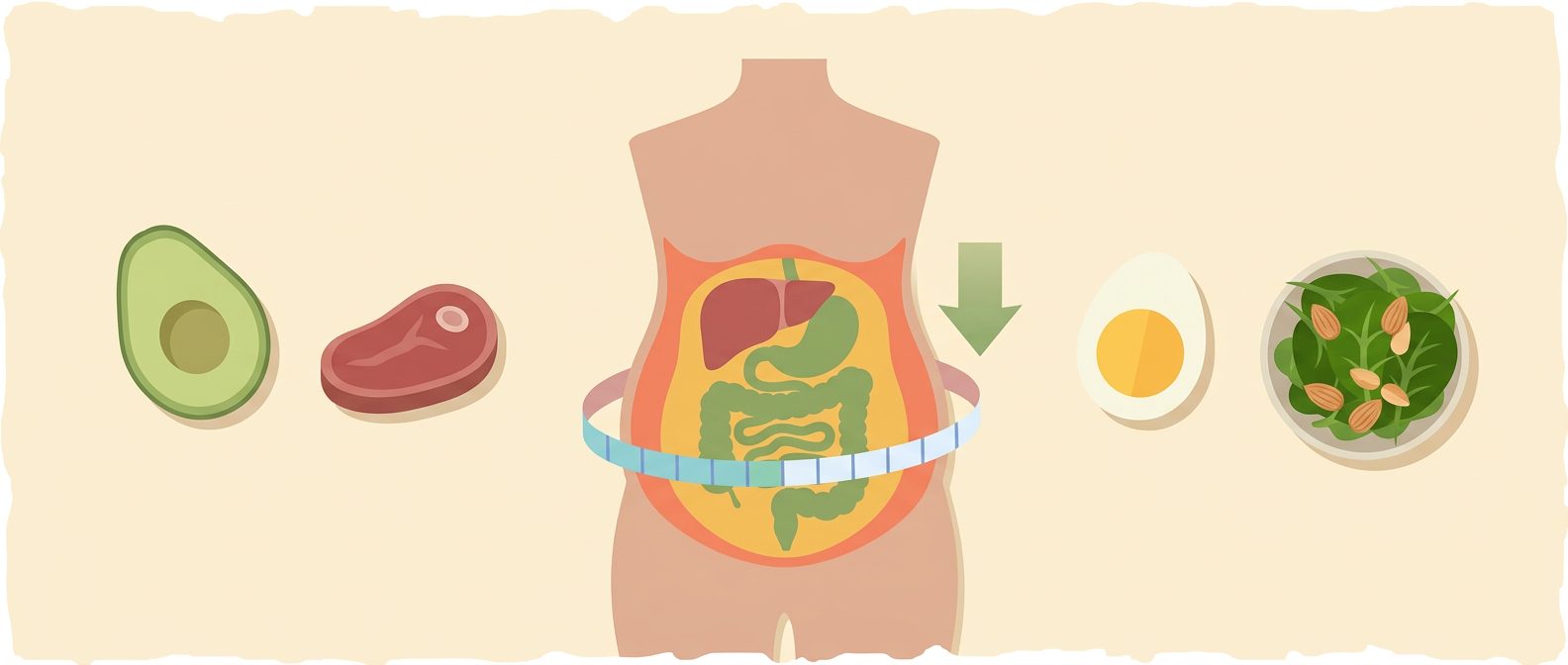
If you’ve been doing keto for a few weeks and you’re frustrated that the waistband still feels tight while other parts of you seem to be slimming down, you’re not imagining things. Belly fat – the kind that sits deep in your abdomen – is harder to lose than fat in other areas. It doesn’t mean keto isn’t working. It usually means the fat that’s left is the most metabolically stubborn kind.
The good news is that keto has a structural advantage here that most diets simply don’t have. It’s not that keto does “spot reduction” – that’s a fitness myth. Your body decides where fat gets burned based on hormonal signals, not which food you eat or which exercise you do. But what keto does do is lower insulin levels dramatically, and visceral fat (the dangerous abdominal fat) is particularly sensitive to insulin changes. When insulin stays consistently low, visceral fat cells release stored fat more readily than they do under a high-carb diet. That’s the mechanism that makes keto different for belly fat – not magic, just insulin physiology.
After years of helping people troubleshoot this exact pattern, I’ve watched this play out in my own body and heard from countless readers about the same pattern: the scale slows down, but the waist measurement keeps dropping. Those are two different things, and understanding why is the point of this article.
I’ll walk through what visceral fat is, why keto targets it, what the research shows, and what to do when progress stalls.
Visceral vs. Subcutaneous Fat: What’s the Difference?
When people talk about belly fat, they’re talking about two completely different things that happen to be located in the same general area.
Subcutaneous fat is the layer right under your skin – the fat you can pinch. It sits on top of the muscle wall. Subcutaneous abdominal fat is visible and frustrating cosmetically, but it’s metabolically fairly quiet. It has real jobs: insulation, cushioning, energy reserve. It’s not harmless in large amounts, but it’s not the main driver of metabolic disease.
Visceral fat is a different animal entirely. It lies inside the abdominal cavity, packed around your liver, intestines, and other organs. You can’t pinch it or see it. It’s the deeper belly fullness that makes your abdomen feel firm rather than soft, and it shows up as a larger waist circumference even when your weight looks reasonable on the scale.
Visceral fat is metabolically active in ways that subcutaneous fat is not. It continuously releases free fatty acids directly into the portal vein – the blood vessel that feeds your liver. This creates a pipeline of fat and inflammatory signals going straight to the liver, contributing to insulin resistance, elevated triglycerides, and low-grade systemic inflammation.Lee MJ, Kim J. “The pathophysiology of visceral adipose tissues in cardiometabolic diseases.” Biochemical Pharmacology. 2024 Apr. PMID: 38460909. The review identifies dysfunctional visceral adipose tissue as a central driver of metabolic disease, noting it secretes elevated levels of fatty acids and proinflammatory cytokines that induce ectopic fat accumulation and insulin resistance in the liver.
The health consequences of excess visceral fat are well-documented. According to Harvard Health, women with the largest waists had more than double the risk of developing heart disease, and people with high abdominal fat in their 40s were nearly three times more likely to develop dementia by their 70s and 80s.Harvard Health Publishing. “Taking aim at belly fat.” Harvard Health Letter. Available at: https://www.health.harvard.edu/staying-healthy/taking-aim-at-belly-fat. Documents that visceral fat produces inflammatory cytokines and a precursor to angiotensin (which raises blood pressure), and that women with the largest waists had more than double the heart disease risk – while noting spot exercises and liposuction don’t address visceral fat. Those aren’t minor correlations – they’re the difference between a fat that’s annoying and a fat that’s actively shortening your lifespan.
The key practical difference between the two fat types: you can lose subcutaneous fat and still have dangerous levels of visceral fat, and vice versa. Waist circumference is the best easy proxy for visceral fat – better than BMI and more actionable than imaging scans. Generally, a waist measurement above 35 inches for women or 40 inches for men signals elevated visceral fat risk, though these thresholds vary by population and body frame.
| Feature | Subcutaneous Fat | Visceral Fat |
|---|---|---|
| Location | Under skin, pinchable | Around organs, inside the abdominal wall |
| Metabolic activity | Low to moderate | High – constantly releasing fatty acids and cytokines |
| Disease risk | Lower (at moderate levels) | Higher – linked to heart disease, diabetes, dementia |
| Insulin sensitivity | Less responsive to insulin changes | Highly responsive – gains and releases fat readily with insulin shifts |
| Easy proxy measure | Skinfold caliper | Waist circumference |
| Response to keto | Moderate | Pronounced – disproportionately reduced vs. low-fat diets |
Why Keto Is Particularly Effective for Belly Fat
Here’s the mechanism that makes keto different from a standard calorie-restriction approach when it comes to abdominal fat.
The Insulin Connection
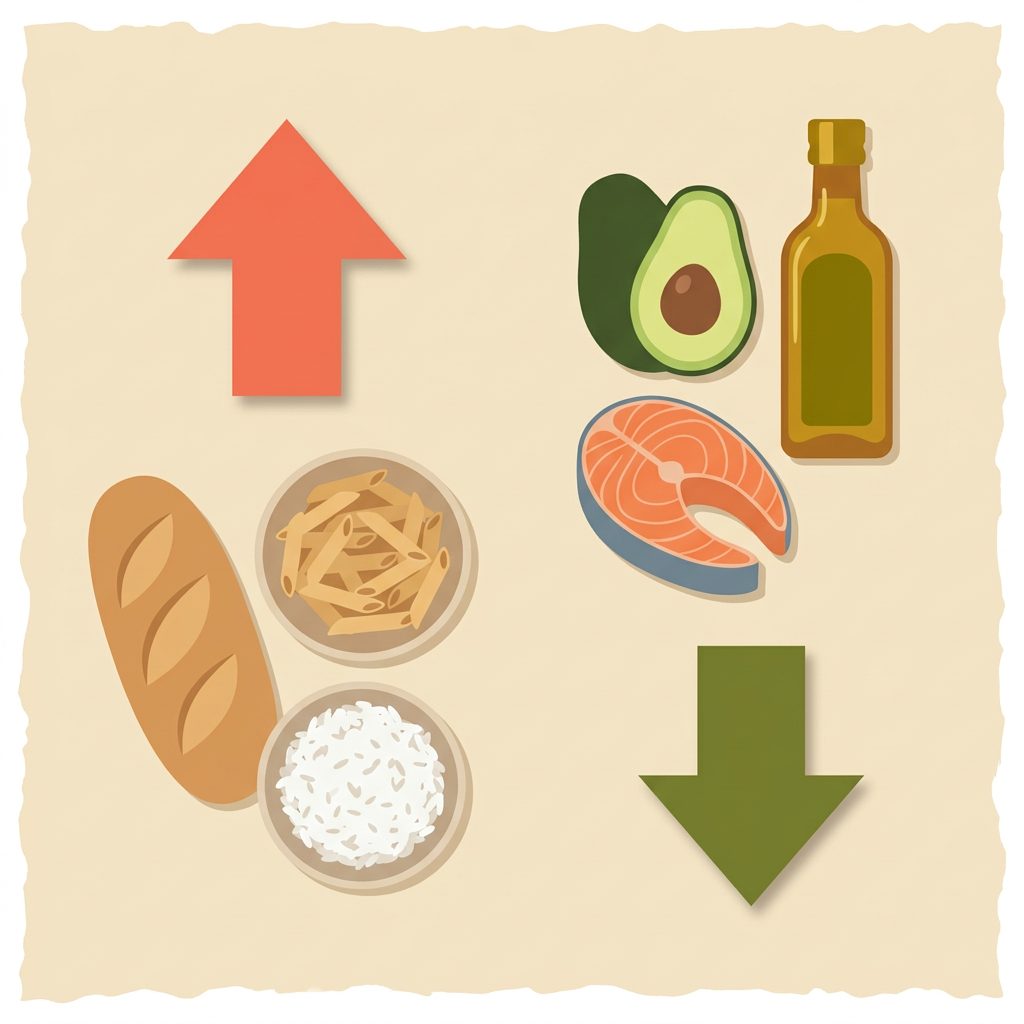
Insulin is your primary fat-storage hormone. When it’s high – as it is after meals that include substantial carbohydrates – it signals fat cells to take up and hold onto fat. It also actively suppresses lipolysis (the breakdown of stored fat for energy). In short: high insulin means your fat cells are in storage mode.
Visceral fat has a higher density of insulin receptors than subcutaneous fat. It’s more sensitive to insulin’s storage signal. This is part of why it responds so strongly to both insulin elevation (gains fat easily) and insulin reduction (releases fat more readily when insulin drops). When you’re eating 20-30g net carbs daily on keto, your insulin output drops to its lowest consistent levels outside of fasting. That sustained suppression keeps the “release” signal running longer than the “store” signal – which is the core mechanism driving preferential visceral fat loss on keto.
The StatPearls ketogenic diet reference explains it this way: as carbohydrate restriction drives insulin down, the body shifts from glucose metabolism to fat oxidation, and appetite diminishes as well – meaning keto creates both the hormonal conditions for fat release and the appetite reduction that supports a caloric deficit without forcing severe restriction.Daley SF, Masood W, Annamaraju P, Khan Suheb MZ. “Ketogenic Diet.” In: StatPearls [Internet]. Treasure Island (FL): StatPearls Publishing; 2025 Jan. Available from: https://www.ncbi.nlm.nih.gov/books/NBK499830/. The reference notes ketosis-induced appetite suppression and fat oxidation support sustained weight loss beyond initial water weight, with meta-analyses showing greater long-term weight loss than low-fat diets, particularly for individuals with metabolic dysfunction.
Visceral Fat Is More Responsive to Hormonal Shifts
Visceral adipocytes turn over faster than subcutaneous fat cells – they respond more quickly to fat-mobilizing signals like low insulin and catecholamine release (from exercise and stress, in opposite directions). The portal circulation – the direct connection between visceral fat and the liver – means that once visceral fat starts releasing fatty acids, those get processed quickly for energy. This is one reason visceral fat tends to shrink proportionally faster than subcutaneous fat during sustained low-insulin states like ketosis.
The flip side: visceral fat is equally responsive to fat-storage signals. Chronically elevated cortisol (from stress), poor sleep, and the elevated insulin of a high-carb diet all preferentially refill visceral depots. This is why some people on keto stall at the waistline despite losing weight elsewhere – something else is maintaining the visceral storage signal. I’ll cover what those factors are in Section 5.
Keto vs. Generic Calorie Restriction
You might ask: couldn’t you just eat less of anything and lose the same belly fat? The answer is: you’d lose some, but likely less visceral fat specifically. The research on this is consistent – low-carbohydrate diets produce greater reductions in visceral fat relative to total weight lost compared to calorie-matched low-fat diets. A low-fat calorie-restricted diet still causes insulin spikes throughout the day (every time carbs are eaten), which interrupts the fat-mobilization window. Keto keeps insulin suppressed almost continuously, keeping the visceral fat release process running longer each day.
This doesn’t mean keto is the only path or that other diets can’t reduce visceral fat. But it does mean keto has a genuine metabolic advantage for abdominal fat – not just because of caloric deficit, but because of the hormonal environment it creates.
For a fuller picture of how to lose weight on a ketogenic diet works mechanically – including the distinction between water weight loss and fat loss in the early weeks – that guide covers it step by step. And if you want to set up your personal macros for fat loss, the keto calculator will dial in your specific targets.
What the Research Actually Shows
The clinical data on keto and belly fat is fairly consistent. Waist circumference is a better measure of metabolic fat change than body weight, which is part of why the keto-specific advantage is visible more clearly in this data than in scale-weight comparisons.
VLCKD Meta-Analysis: 12.6 cm Average Waist Reduction
A 2020 systematic review and meta-analysis by Castellana and colleagues examined outcomes across twelve studies of very low-calorie ketogenic diets (VLCKD) in people with overweight or obesity. The pooled result: participants lost an average of 12.6 cm in waist circumference during the intervention phase.Castellana M, Conte E, Cignarelli A, et al. “Efficacy and safety of very low calorie ketogenic diet (VLCKD) in patients with overweight and obesity: A systematic review and meta-analysis.” Reviews of Endocrine and Metabolic Disorders. 2020. PMID: 31705259. Pooled data from twelve studies documented a mean waist circumference reduction of 12.6 cm during VLCKD, alongside significant reductions in body weight and metabolic markers including fasting glucose and triglycerides.
12.6 cm is roughly 5 inches off the waist. To put it in perspective: a 5-inch waist reduction is clinically meaningful for cardiometabolic risk, and it exceeds what most calorie-restricted low-fat diet studies produce. These aren’t research abstractions – those are people fitting into smaller clothes and changing their metabolic profile in measurable ways.
Low-Carb vs. Low-Fat: Consistent Weight and Waist Advantage
A 2020 meta-analysis by Chawla and colleagues analyzed 38 studies involving 6,499 adults comparing low-carbohydrate and low-fat diets over 6-12 months. Low-carbohydrate diets produced superior weight loss (mean difference: -1.30 kg), better HDL cholesterol, and lower triglycerides compared to low-fat approaches.Chawla S, Silva FT, Medeiros SA, Mekary RA, Radenkovic D. “The Effect of Low-Fat and Low-Carbohydrate Diets on Weight Loss and Lipid Levels: A Systematic Review and Meta-Analysis.” Nutrients. 2020. PMID: 33317019. Meta-analysis of 38 studies (6,499 adults) showing low-carb diets outperformed low-fat diets for weight loss (mean difference -1.30 kg) and triglyceride/HDL improvement at 6-12 months, while noting LDL cholesterol was higher in low-carb groups – an important variable to monitor.
Worth flagging: this same meta-analysis found higher LDL cholesterol in the low-carb groups. That’s a real finding. The improvement in visceral fat and metabolic markers doesn’t negate the lipid monitoring question – if you’re doing keto for belly fat, getting baseline bloodwork and a 3-month follow-up with your doctor is the responsible move.
Body Composition Changes: Visceral Fat and Keto
A 2020 study by Paoli and colleagues tracked body composition during 12 weeks of a ketogenic Mediterranean diet in overweight women with polycystic ovary syndrome (PCOS). The results were notable: participants lost an average of 9.43 kg total, 8.29 kg of fat mass, and showed a measured reduction in visceral adipose tissue alongside improved insulin resistance markers.Paoli A, Mancin L, Giacona MC, Bianco A, Caprio M. “Effects of a ketogenic diet in overweight women with polycystic ovary syndrome.” Journal of Translational Medicine. 2020. PMID: 32103756. After 12 weeks of a ketogenic Mediterranean diet, 14 overweight women with PCOS lost an average of 9.43 kg body weight and 8.29 kg fat mass, with a significant reduction in visceral adipose tissue and concurrent improvements in insulin resistance markers and reproductive hormone profiles.
PCOS is worth highlighting because it’s a condition defined by elevated insulin and androgen levels that drive visceral fat accumulation. The fact that keto – operating through its insulin-lowering mechanism – produced both fat loss and hormonal improvement makes biological sense, and it holds up in the data.
Adding Exercise Amplifies the Waist Effect
A 2021 meta-analysis by Lee and Lee examined outcomes when exercise is combined with a ketogenic diet specifically. The pooled result for waist circumference showed an effect size of d = -0.74 across seven studies with 278 participants – a medium-to-large effect, achieved over an average of 9.2 weeks with moderate-to-vigorous exercise four times weekly.Lee HS, Lee J. “Effects of Combined Exercise and Low Carbohydrate Ketogenic Diet Interventions on Waist Circumference and Triglycerides in Overweight and Obese Individuals: A Systematic Review and Meta-Analysis.” International Journal of Environmental Research and Public Health. 2021. PMID: 33478022. Seven-study meta-analysis of 278 overweight and obese adults finding a statistically significant waist circumference reduction (effect size d = -0.74, 95% CI -1.28 to -0.20, p = 0.01) when ketogenic diet was combined with moderate-to-vigorous exercise approximately four times per week for an average of 9.2 weeks.
Keto alone produces real waist reduction. But exercise appears to amplify the visceral fat effect – which makes physiological sense, since aerobic exercise independently mobilizes visceral fat through catecholamine signaling (adrenaline and noradrenaline released during cardio stimulate visceral fat lipolysis).
Why Belly Fat Is Stubborn for Some People
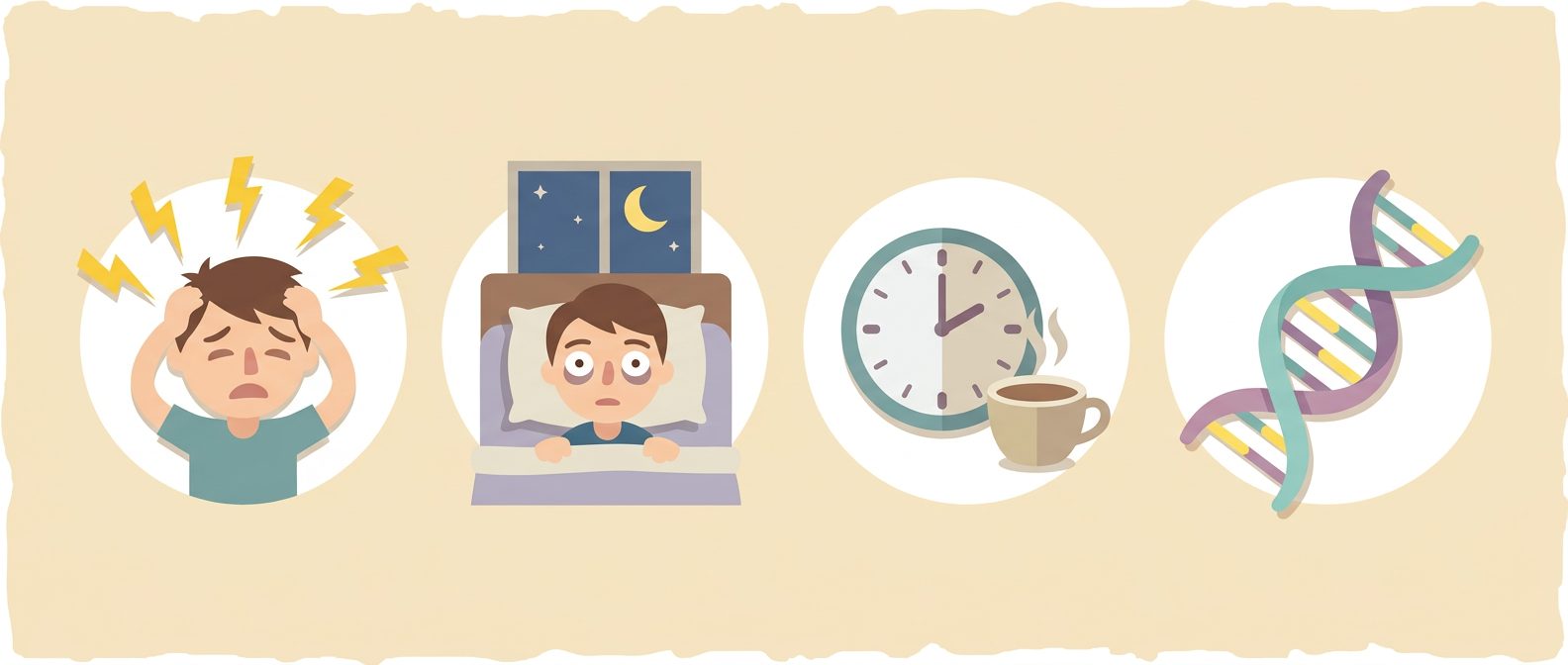
Here’s something I wish someone had told me earlier: even when keto is working correctly, some people’s belly fat moves slower than others. That’s not failure. There are real biological reasons for it, and knowing which one applies to you makes it a problem you can address rather than a mystery that makes you quit. If the scale isn’t moving at all, see the full not losing weight on keto troubleshooter for a broader diagnostic checklist.
Cortisol and the Stress Connection
Cortisol – your primary stress hormone – directly promotes visceral fat storage. Visceral fat has a higher density of cortisol receptors (glucocorticoid receptors) than subcutaneous fat, which means it’s more responsive to cortisol-driven fat accumulation. Research by Drapeau and colleagues documented that HPA axis overactivation increases cortisol production, which has hyperphagic and antithermogenic effects, and that visceral fat preferentially accumulates in response to stress-induced cortisol – the authors describing this as a “non-optimal physiological adaptation to stress.”Drapeau V, Therrien F, Richard D, Tremblay A. “Is visceral obesity a physiological adaptation to stress?” Panminerva Medica. 2003 Sep. PMID: 14618117. The review documents that abdominal adipose tissue has more glucocorticoid receptors than subcutaneous fat, making it more responsive to cortisol, and that HPA axis hyperactivation promotes central fat accumulation through hyperphagic and antithermogenic cortisol effects – potentially as a non-optimal physiological adaptation to chronic stress.
The practical implication: if your diet is dialed in at 20-30g net carbs but you’re sleeping five hours a night and living with chronic work pressure, your cortisol may be fighting your keto. You’re trying to empty a bathtub while the tap is still running.
I ran into this a few years back. I was strict on keto, tracking carefully, but I was in the middle of a brutal stretch of deadline pressure on a project that consumed most of my waking hours. My weight crept up slightly despite eating right, and the waist measurement stopped moving. Once the project ended and I started sleeping properly again, the measurements started shifting. The diet hadn’t stopped working – the cortisol load was temporarily winning. That was a useful lesson about the limits of optimizing just one variable.
Sleep Deprivation
Short sleep and visceral fat are directly linked. A 2023 analysis of 5,151 U.S. adults using NHANES data by Giannos and colleagues found a clear inverse relationship between sleep duration and visceral fat mass – less sleep, more visceral fat – and the relationship held across both sexes after controlling for age, BMI, and diet.Giannos P, Prokopidis K, Candow DG, et al. “Shorter sleep duration is associated with greater visceral fat mass in US adults: Findings from NHANES, 2011-2014.” Sleep Medicine. 2023 May. PMID: 36966579. Cross-sectional analysis of 5,151 U.S. adults found a statistically significant negative association between sleep duration and visceral fat mass across both sexes, with a protective effect plateau at approximately 8 hours per night – suggesting limited benefit beyond that threshold but meaningful risk below it.
The mechanisms are multiple: sleep restriction raises cortisol, disrupts ghrelin and leptin signaling (making you hungrier and less satisfied with meals), and impairs insulin sensitivity. All three effects work against visceral fat reduction. The protective plateau appeared at around 8 hours per night – beyond that, extra sleep didn’t provide additional visceral fat benefit, but getting to that threshold consistently makes a real difference.
Sex Hormones and Age
Women going through perimenopause and menopause experience visceral fat accumulation driven by declining estrogen, regardless of dietary habits. Estrogen influences where fat is distributed – when it drops, fat preferentially migrates from the hips and thighs (subcutaneous) toward the abdomen (visceral). This is why a woman who had a pear shape for decades can develop an apple shape in her late 40s without changing her diet at all.
In men, declining testosterone with age (and obesity itself suppresses testosterone) creates a similar visceral-fat-favorable hormonal environment. Lower testosterone, higher estrogen ratios, and elevated cortisol create a combined push toward abdominal fat storage.
Keto still helps in both situations – the insulin mechanism doesn’t disappear with hormonal changes – but people in hormonal transition should expect a slower waist response timeline and shouldn’t interpret that as keto failing. The hormonal headwinds are real and separate from the diet’s effectiveness. The keto and menopause article covers this hormonal shift in detail.
Genetics and Fat Distribution
Some people are genetically predisposed to store more fat viscerally than others. This is influenced by glucocorticoid receptor density, lipoprotein lipase distribution across fat depots, and other genetic variables affecting how individual adipocytes behave. If your parents both carried weight primarily in the abdomen, you’re likely working against a genetic predisposition that makes the timeline longer – not impossible, just slower.
Genetics can’t be changed, but it’s also not a ceiling on outcomes. It means your baseline is different and your realistic timeline is longer. That’s a different problem than “keto isn’t working.”
The Metabolic Syndrome Feedback Loop
There’s a frustrating cycle at work for people starting keto who have full metabolic syndrome: visceral fat contributes to insulin resistance, and insulin resistance promotes further visceral fat storage. If you’re beginning with years of accumulated visceral fat and established insulin resistance, it takes longer for the fat-releasing signals to override the metabolic inertia. The diet is working – you just need to give the metabolic environment time to shift. This is exactly the argument for measuring waist circumference weekly rather than expecting weekly scale changes, and for committing to 12+ weeks before evaluating whether keto is moving the needle.
Practical Strategies to Speed Up Results
None of these are complicated, but each has a direct mechanistic reason for being on this list. This isn’t a “try harder” section – it’s a set of levers that target visceral fat.

1. Track Carbs Precisely, Don’t Estimate
The most common reason keto isn’t producing the expected belly fat results is that the person isn’t consistently in ketosis. Hidden carbs in sauces, dressings, processed “keto” products, and restaurant food add up fast. There’s a real metabolic difference between 20-30g net carbs tracked precisely and “roughly keto” with occasional higher-carb days. Use a food tracking app for at least 4-6 weeks to establish where you actually are. For the complete framework on fat loss mechanics, see how to lose weight on a ketogenic diet.
2. Measure Your Waist, Not Just Your Weight
The scale is measuring everything simultaneously: fat, muscle, water, food in transit, and hormonal fluctuations. Visceral fat loss often shows up as a decreasing waist measurement before it registers as weight loss – especially when exercise is adding lean mass at the same time. Measure at the same point each week (roughly an inch above your navel), in the morning before eating, and track the trend over 4-week blocks. Directional movement over months matters more than week-to-week variation. If you’re hitting a plateau and want to troubleshoot the full picture, this article on keto weight loss covers the most common stall factors.
3. Add Aerobic Exercise
Exercise provides an independent visceral fat mobilization pathway that operates through catecholamines (adrenaline and noradrenaline released during aerobic activity), which stimulate lipolysis in visceral fat. A 2022 study by Waters and colleagues found that combining aerobic and resistance exercise during weight loss reduced visceral adipose tissue by 36% – nearly double the reduction seen in aerobic-only (19%) or resistance-only (21%) protocols.Waters DL, Aguirre L, Gurney B, et al. “Effect of Aerobic or Resistance Exercise, or Both, on Intermuscular and Visceral Fat and Physical and Metabolic Function in Older Adults With Obesity While Dieting.” Journals of Gerontology: Series A. 2022. PMID: 33839788. RCT finding that combined aerobic and resistance exercise during dieting reduced visceral adipose tissue by 36%, versus 19% for aerobic alone and 21% for resistance alone, with all exercise groups significantly outperforming the diet-only control group.
You don’t need two-hour gym sessions. Three to four 30-minute brisk walks or light cardio sessions per week is enough to engage this mechanism. For how to structure exercise to work with the keto state rather than against it, see the complete guide to exercise on ketogenic diet.
4. Prioritize Sleep
Given the NHANES data linking short sleep to greater visceral fat mass, sleep quality isn’t optional if belly fat is your goal. Target 7-8 hours consistently. If you’re chronically below that, visceral fat reduction will be slower regardless of what your diet looks like. Practical starting points: consistent sleep and wake times (including weekends), no screens in the 30-60 minutes before bed, keeping the room cool and dark. Many people find their sleep improves once they’re past the keto adaptation phase – the blood sugar stability that comes with keto reduces the nighttime cortisol spikes that can interrupt sleep on a high-carb diet. If early adaptation sleep disruption is an issue, the keto flu guide addresses that specifically.
5. Manage Stress Actively
Cortisol management is a direct lever for visceral fat, not a soft lifestyle suggestion. What actually works: daily physical activity (even walking consistently lowers resting cortisol over time), defined work cutoff times, reducing afternoon caffeine, and – if stress is severe – honestly evaluating whether you have too many obligations rather than trying to meditate through an unsustainable load. Addressing the source of chronic stress beats coping mechanisms every time.
6. Support Insulin Sensitivity Directly
People who start keto with established insulin resistance will see slower initial fat mobilization, but they also tend to see the most dramatic long-term visceral fat reduction once keto fully takes hold. Improving insulin sensitivity is itself a major driver of visceral fat reduction over time – as the liver becomes more insulin-sensitive, it stops maintaining the storage signals that fuel visceral fat accumulation. If you want to support the metabolic transition and are considering supplements, this guide on supplements for keto covers what actually has evidence behind it.
7. Be Patient With the Timeline
Visceral fat accumulated over years doesn’t disappear in weeks. The research showing the most compelling results (12.6 cm waist reduction in the VLCKD meta-analysis) was measuring outcomes across interventions that typically ran 8-24 weeks. Monthly waist measurements give a clearer trend than daily weigh-ins. The goal is directional progress over months, not dramatic changes week to week.
| Timeframe | What’s Realistic |
|---|---|
| Weeks 1-2 | Glycogen depletion and water weight loss – waist may decrease 1-3 cm from reduced water retention |
| Weeks 3-8 | Active fat oxidation underway; visceral fat release begins; blood markers improving (triglycerides, fasting insulin) |
| 2-6 months | Noticeable waist circumference reduction; visceral fat noticeably reduced; improved metabolic panel |
| 6-24 months | Substantial visceral fat reduction for people who maintain consistency; body fat redistribution becomes visually apparent |
Frequently Asked Questions
Does keto burn belly fat?
Keto doesn’t burn belly fat in isolation – no diet targets one body part exclusively. What keto does is lower insulin aggressively and consistently, which reduces the primary hormonal signal that drives fat into visceral (deep abdominal) depots. The clinical data shows that ketogenic diets produce proportionally greater visceral fat reduction than calorie-matched low-fat diets – so while you’re losing fat from your whole body, the belly tends to shrink at a faster relative rate compared to other dietary approaches. That’s not spot reduction; it’s a hormonal advantage.
How long does it take to lose belly fat on keto?
Some early waist reduction appears in the first two weeks, but that’s mostly water weight from glycogen depletion rather than visceral fat loss. Real visceral fat reduction – the kind that matters for your health – typically takes 2-6 months of consistent ketosis to show as a shrinking waistline, and 12-24 months for substantial long-term change. The timeline depends on your starting visceral fat level, how strictly you maintain ketosis (20-30g net carbs), sleep quality, stress levels, and whether you’re combining keto with exercise. Measure monthly for the clearest trend.
Why is my waist not changing even though I’m losing weight on keto?
A few possibilities. First, waist measurements naturally fluctuate 1-3 cm day-to-day based on food volume, water retention, and hormonal cycles – measure weekly at the same time, not daily. Second, if you’re gaining lean mass from exercise at the same time, body weight and body composition can both improve while the tape measure stays similar. Third, cortisol elevation from stress or poor sleep can offset the fat-releasing effects of low insulin – this is the most common hidden factor. Fourth, if you’re several months into keto and weight is dropping from other areas but not the waist, that’s normal fat distribution genetics at work. The belly is often the last depot to visually respond, even when visceral fat is actively being reduced.
Does keto help with deep belly fat or just the surface layer?
Keto has a stronger effect on visceral (deep) fat than on subcutaneous (surface) fat specifically because visceral fat is more sensitive to insulin changes. The disproportionate visceral fat reduction is one of the most consistent findings across low-carbohydrate diet research – it shows up in imaging data (visceral adipose tissue by MRI and DEXA) as well as in waist circumference measurements. Both types of abdominal fat do respond to keto over time, but the visceral component moves faster proportionally than it does with calorie-matched high-carb restriction.
Should I worry about my LDL going up on keto?
It’s worth monitoring rather than ignoring. Multiple meta-analyses show LDL tends to increase on low-carb diets compared to low-fat diets, particularly in people with a genetic predisposition to elevated LDL on high saturated fat intake. This doesn’t mean keto is bad for cardiovascular health overall – the improvements in triglycerides, HDL, insulin sensitivity, and visceral fat are genuine risk reducers. But it does mean baseline bloodwork before starting and a follow-up at 3-6 months is a reasonable step, and that your doctor should know what you’re doing. The LDL response isn’t universal – many people see no change or a decrease – but it’s frequent enough that testing is worth it.
The information in this article is not medical advice and is not a substitute for professional medical guidance. Always consult a qualified healthcare provider before making changes to your diet or health regimen.
Sources
- Lee MJ, Kim J. “The pathophysiology of visceral adipose tissues in cardiometabolic diseases.” Biochemical Pharmacology. 2024 Apr. PMID: 38460909.
- Harvard Health Publishing. “Taking aim at belly fat.” Harvard Health Letter. Available at: https://www.health.harvard.edu/staying-healthy/taking-aim-at-belly-fat.
- Daley SF, Masood W, Annamaraju P, Khan Suheb MZ. “Ketogenic Diet.” In: StatPearls [Internet]. Treasure Island (FL): StatPearls Publishing; 2025 Jan. Available from: https://www.ncbi.nlm.nih.gov/books/NBK499830/.
- Castellana M, Conte E, Cignarelli A, et al. “Efficacy and safety of very low calorie ketogenic diet (VLCKD) in patients with overweight and obesity: A systematic review and meta-analysis.” Reviews of Endocrine and Metabolic Disorders. 2020. PMID: 31705259.
- Chawla S, Silva FT, Medeiros SA, Mekary RA, Radenkovic D. “The Effect of Low-Fat and Low-Carbohydrate Diets on Weight Loss and Lipid Levels: A Systematic Review and Meta-Analysis.” Nutrients. 2020. PMID: 33317019.
- Paoli A, Mancin L, Giacona MC, Bianco A, Caprio M. “Effects of a ketogenic diet in overweight women with polycystic ovary syndrome.” Journal of Translational Medicine. 2020. PMID: 32103756.
- Lee HS, Lee J. “Effects of Combined Exercise and Low Carbohydrate Ketogenic Diet Interventions on Waist Circumference and Triglycerides in Overweight and Obese Individuals: A Systematic Review and Meta-Analysis.” International Journal of Environmental Research and Public Health. 2021. PMID: 33478022.
- Drapeau V, Therrien F, Richard D, Tremblay A. “Is visceral obesity a physiological adaptation to stress?” Panminerva Medica. 2003 Sep. PMID: 14618117.
- Giannos P, Prokopidis K, Candow DG, et al. “Shorter sleep duration is associated with greater visceral fat mass in US adults: Findings from NHANES, 2011-2014.” Sleep Medicine. 2023 May. PMID: 36966579.
- Waters DL, Aguirre L, Gurney B, et al. “Effect of Aerobic or Resistance Exercise, or Both, on Intermuscular and Visceral Fat and Physical and Metabolic Function in Older Adults With Obesity While Dieting.” Journals of Gerontology: Series A. 2022. PMID: 33839788.