

Yes, peanut butter is keto – as long as you’re eating the right kind and keeping your portions reasonable. Two tablespoons of natural peanut butter runs about 6g of net carbs, which fits comfortably inside the 20-30g daily target without blowing your budget on a single snack.
That said, not all peanut butter is the same. The stuff with added sugar, honey, or a “low-fat” label is a different product entirely – and those versions can quietly push you out of ketosis if you’re not paying attention. After more than a decade of eating keto full-time, I’ve made that mistake, and it’s an easy one to make when you’re grabbing whatever’s on the pantry shelf.
Here’s what you need to know: which brands work, which ones to skip, what the numbers look like per serving, and how to use peanut butter in keto cooking without overdoing it.
Jump to a section:
- Peanut Butter Nutrition: What 2 Tablespoons Actually Gives You
- Best Peanut Butter Brands for Keto
- What to Avoid: Peanut Butter That Doesn’t Fit Keto
- Peanut Butter Alternatives Worth Knowing
- Keto Recipes Using Peanut Butter
- Key Takeaways
- FAQ
Peanut Butter Nutrition: What 2 Tablespoons Actually Gives You
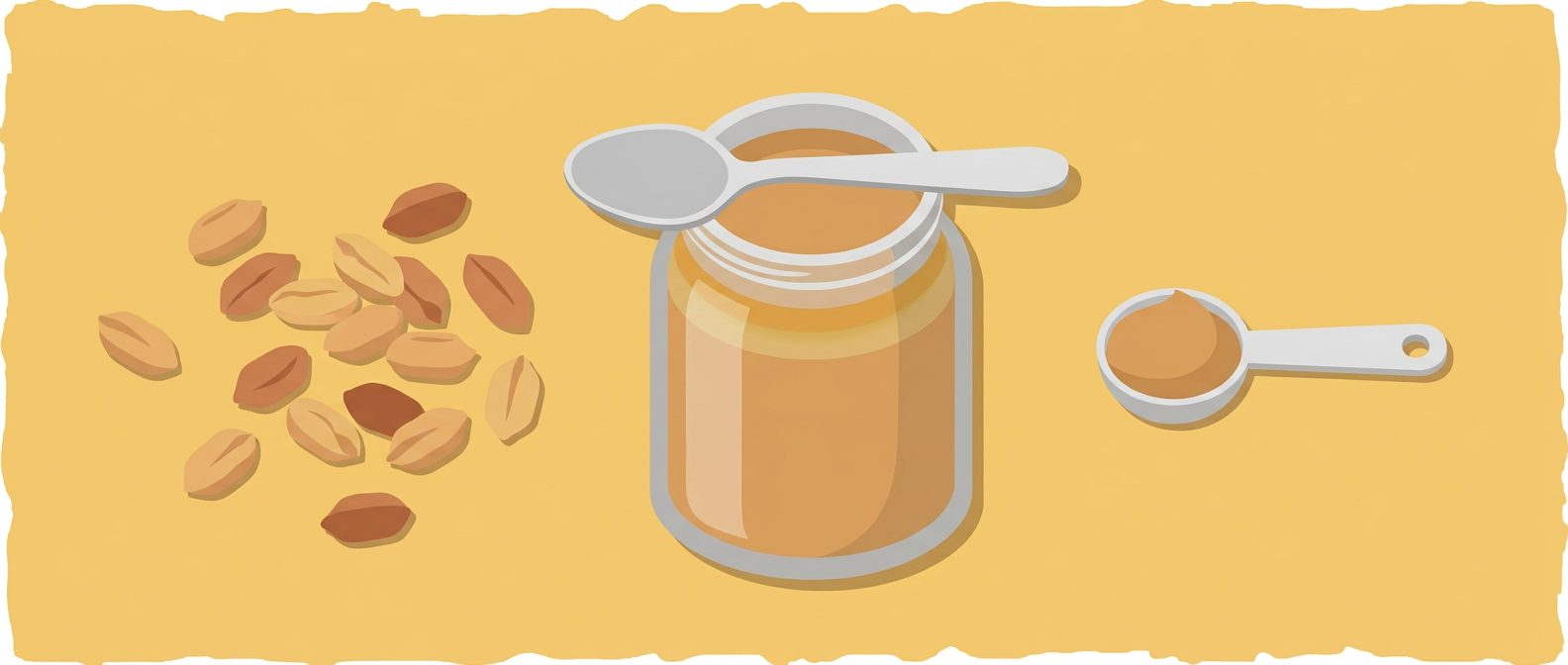
The standard serving size for peanut butter is 2 tablespoons (about 32g). Here’s what that looks like for a natural, no-sugar-added variety:Per the USDA FoodData Central database, natural peanut butter (peanuts only, no added sugar) contains approximately 188 calories, 16g fat, 8g total carbs, 1.5g fiber, and 7-8g protein per 2-tablespoon serving.
| Nutrient | Amount per 2 tbsp |
|---|---|
| Calories | ~188 |
| Total fat | 16g |
| Total carbs | 8g |
| Fiber | 1.5g |
| Net carbs | ~6g |
| Protein | 7-8g |
Six grams of net carbs is meaningful – it’s about 20-30% of a typical daily budget depending on where you set your limit. That’s why portion control matters here more than with most keto-friendly foods. A tablespoon of almond butter clocks in closer to 2.5-3g net carbs, for comparison.
The fat profile is notable. Peanuts are higher in omega-6 fatty acids than most nuts, and lower in monounsaturated fats than almonds or macadamia nuts. That doesn’t make peanut butter a problem on keto, but it’s a reason to keep it as one fat source among several rather than your main one.
Best Peanut Butter Brands for Keto
The only peanut butter you want on keto has one or two ingredients: peanuts, and maybe salt. That’s it. No added oils, no sugar, no “natural flavors” you can’t identify.
These brands consistently deliver a clean label:
- Smucker’s Natural Peanut Butter – Peanuts and salt. The oil separates at the top, which is how you know it’s the real thing. Widely available and inexpensive.
- Justin’s Classic Peanut Butter – Dry-roasted peanuts only. Good texture, no stirring required.
- Kirkland Signature Organic Peanut Butter – Costco’s house brand. Just organic peanuts and salt. One of the better values.
- Adams Natural Peanut Butter – Dry-roasted peanuts only, comes in both crunchy and creamy. Reliable and clean.
- MaraNatha Organic Peanut Butter – Organic peanuts only. Slightly more expensive but widely sold in natural grocery stores.
The oil separation you see in natural peanut butter is normal – it’s just the natural peanut oil separating from the solids. Stir it back in, or store the jar upside down to slow the separation. This is a good sign, not a defect.
What to Avoid: Peanut Butter That Doesn’t Fit Keto
Several popular varieties add enough sugar or sugar-adjacent ingredients to make them a real problem on keto. Here’s what to watch for on the label:
- Honey-roasted or honey varieties – Honey is sugar. JIF Honey, Skippy Honey Roasted, and similar products often run 8-10g of sugar per serving.
- Low-fat peanut butter – When manufacturers remove fat, they add carbs to compensate. Often has 50-80% more sugar than regular.
- “Reduced fat” varieties – Same problem. Skippy Reduced Fat has 15g carbs per 2 tbsp versus 7g for regular Skippy. The fat reduction is not worth the carb trade.
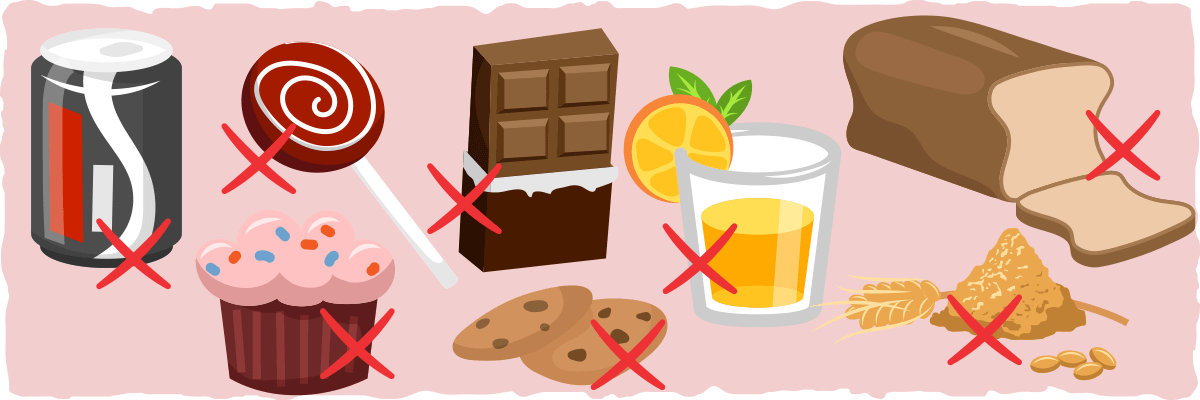
- Flavored varieties – Chocolate peanut butter, cinnamon raisin peanut butter, and similar products almost always contain added sugar.
The quick check: look at the ingredients list, not just the nutrition label. If sugar, corn syrup, molasses, or honey appears anywhere in the ingredients, put it back.
Peanut Butter Alternatives Worth Knowing
If you find yourself eating a lot of peanut butter, rotating in some alternatives is a good idea. They give you similar texture and satisfaction with a slightly different nutrient profile:
Macadamia nut butter is one to try if you haven’t already. The carb count is low enough that you can use a slightly larger portion without stressing your daily budget, and the flavor is mild enough to work in both sweet and savory applications.
Sunflower seed butter – sometimes sold as SunButter – is useful if someone in your household has a nut allergy. The texture is close to peanut butter. Just read the label, because many commercial versions add sugar. For the full comparison of every nut and how it fits keto, the best and worst nuts for keto guide covers carb counts, fat profiles, and which ones to keep stocked.

| Nut/Seed Butter | Net Carbs per 2 tbsp | Notes |
|---|---|---|
| Almond butter | 3-4g | Higher in vitamin E and magnesium; slightly lower carbs than peanut butter |
| Macadamia nut butter | 1-2g | Lowest carbs of the group; highest in monounsaturated fat |
| Sunflower seed butter | 3-4g | Good option for nut allergies; watch for added sugar in commercial brands |
| Pecan butter | 2-3g | Less common but one of the lowest-carb options |
| Tahini (sesame paste) | 3g | Savory applications; pairs well with keto dressings |
Keto Recipes Using Peanut Butter
Peanut butter works well in keto cooking for the same reason it works everywhere else – it adds fat, protein, and a flavor that pairs with both sweet and savory applications. Here are some of the recipes on ruled.me that use it well:
- Keto Peanut Butter Cups – The classic combination of peanut butter and chocolate, done without the sugar. A good replacement when you’re missing the real thing.
- Keto Peanut Butter Fudge Bars – Dense, rich, and satisfying in small portions.
- 5-Ingredient No-Bake Peanut Butter Balls – One of the simplest keto snacks to keep in the fridge.
- No-Bake Chocolate Peanut Butter Fat Bombs – High fat, minimal carbs, useful for hitting your fat macros when you need a quick option.
- Peanut Butter Pancakes – A weekend breakfast that doesn’t taste like a compromise.
- Keto Peanut Butter Silk Pie – A great option if you’re cooking for non-keto guests who need convincing. After developing recipes for six keto cookbooks, this is one of the desserts that converts skeptics.
One thing to keep in mind with peanut butter recipes: always check that the recipe uses a no-sugar-added peanut butter, and look at the net carb count per serving. Some keto recipes are generous with portion sizes in a way that adds up quickly.
Key Takeaways
- Natural peanut butter (peanuts and salt only) is keto-friendly at 2 tablespoons per serving, with about 6g of net carbs.
- Avoid honey peanut butter, low-fat peanut butter, and flavored varieties – these all contain added sugar that adds up fast.
- Measure your portions. Peanut butter is calorie-dense and easy to overeat directly from the jar.
- Almond butter and macadamia nut butter are lower-carb alternatives if you need more flexibility in your daily budget.
- Ruled.me has a full collection of keto peanut butter recipes if you want to use it in actual cooking rather than just as a spread.
- For a complete breakdown of all nuts on keto, see the best and worst nuts for keto guide.
- For more quick answers like this one, see is oatmeal keto, is rice keto, and is honey keto.
FAQ
How much peanut butter can I eat on keto per day?
Most people on keto can fit 1-2 tablespoons of natural peanut butter per day without trouble. Two tablespoons is roughly 6g of net carbs, which is a meaningful but manageable portion of a 20-30g daily carb budget. The issue isn’t that peanut butter is too high in carbs to eat on keto – it’s that it’s easy to underestimate how much you’re using, especially if you’re spooning it directly from the jar. Measure it out, at least until you have a good feel for what a tablespoon looks like. For more guidance on tracking your daily limits, the keto macro calculator can give you a personalized carb target.
Is JIF peanut butter keto-friendly?
Regular JIF is borderline – it contains added sugar and palm oil, putting it at about 7g total carbs per 2 tablespoons with around 3g of added sugar. It’s not the worst option, but there are better choices. JIF Natural (labeled “no added sugar”) is a cleaner version with slightly fewer carbs. The honey and reduced-fat varieties from JIF are not suitable for keto. If you can get Smucker’s Natural or a similar single-ingredient brand, that’s the better call. Check out the keto peanut butter cups recipe for a way to use natural peanut butter in a satisfying keto-friendly treat.
Can peanut butter kick you out of ketosis?
Peanut butter alone is unlikely to kick you out of ketosis if you’re sticking to a measured portion of a no-sugar-added variety and your total carb intake stays under 20-30g for the day. The risk is cumulative – if peanut butter is one of several higher-carb foods in your day, it can contribute to pushing you over your limit. Sweetened varieties with honey or added sugar are a more direct risk. If you’re concerned about what else affects ketosis, this piece on what breaks ketosis covers the main triggers in detail.
Is almond butter better than peanut butter for keto?
Almond butter has slightly fewer net carbs (around 3-4g per 2 tablespoons versus 5-6g for peanut butter) and a better omega-3 to omega-6 ratio. It also has more vitamin E and magnesium. Whether that makes it “better” depends on what you’re optimizing for. If you’re tight on your daily carb budget, almond butter gives you a bit more flexibility. If you just prefer peanut butter and it fits your macros, there’s no compelling reason to switch. Both work on keto when you’re buying the natural, no-added-sugar versions. You can see both in action in recipes like the no-bake peanut butter balls.
What about powdered peanut butter like PB2 on keto?
Powdered peanut butter like PB2 has a lower fat content than regular peanut butter because most of the oil is removed during processing. The carb count is similar or slightly lower per serving (about 5g net carbs per 2 tablespoons of powder), but you’re also getting significantly less fat – which is the part of peanut butter that makes it useful on keto. For spreading or cooking where you want the texture, regular natural peanut butter is the better fit. PB2 can work in smoothies or as a flavoring where the lower fat is acceptable. Just check the label – some versions add sugar. For high-fat keto snack ideas, the chocolate peanut butter fat bombs use regular peanut butter for the right macro balance.
Sources
- FoodData Central – Peanut butter, smooth style, without salt – USDA
- FoodData Central – Peanut butter, reduced fat, smooth – USDA
- Fatty acid composition of nuts – implications for cardiovascular health (Ros & Mataix, British Journal of Nutrition, 2006, PMID 17125530)
- FoodData Central – Almond butter, plain, without salt added – USDA
- Brand peanut butter nutrition data (JIF, Skippy) – Nutritionix consumer database
This article is for informational purposes only and does not constitute medical advice. Talk to your doctor or a registered dietitian before making changes to your diet, especially if you have a medical condition.