

Keto after 50 works by addressing the metabolic shifts that accelerate with age – insulin resistance, mitochondrial decline, muscle loss, and a growing gap between what the aging brain needs and what a high-carb diet provides.
The majority of people who start keto after 50 are thinking about weight. That’s a reasonable place to start. But what the research increasingly suggests is that for people in this age range, a well-designed ketogenic diet is doing something broader than shifting the scale.
Having helped thousands of readers start keto over the past decade, I’ve noticed that the people who do best after 50 aren’t the ones who treat this as a crash diet. They’re the ones who understand why metabolism shifts after 50 and adjust their approach accordingly. The mechanisms are different enough from what younger adults face that applying the same rules tends to produce frustration.
This article covers what those mechanisms are, what the evidence says about keto’s specific effects on the aging brain, muscle, and heart, how to navigate medications, and how to build an approach that actually sticks. It’s written for both men and women (the hormone-specific concerns are covered in the keto for women over 40 and keto for women over 50 guides). What follows here is the shared physiology: cognition, sarcopenia, cardiovascular health, and longevity at the cellular level.
- The cognitive case for keto strengthens with age: brain network destabilization peaks between 47 and 60, and ketones provide an alternative fuel that doesn’t depend on aging glucose metabolism.
- BHB actively counteracts sarcopenia through epigenetic mechanisms (HDAC inhibition, histone beta-hydroxybutyrylation) – not just by passively sparing muscle. Combine this with 1.0-1.5g/kg/day protein and resistance training.
- Keto reliably improves the TG/HDL ratio and lowers blood pressure. Rising total LDL requires a full lipoprotein panel for interpretation, not a reflexive statin dose increase.
- Medication adjustment is often necessary: diabetes drugs and antihypertensives may need dose reductions as metabolic markers improve. Start with your doctor’s awareness.
- Electrolyte management is the most common fixable failure point – supplement sodium, potassium, and magnesium actively, especially in the first two to four weeks.
Jump to a section:
- What Actually Changes After 50
- Your Brain on Keto After 50
- Preserving Muscle After 50
- Heart Health on Keto After 50
- Medications and Keto After 50
- Making It Stick: Practical Adherence After 50
- Key Takeaways
- FAQ
- Sources
What Actually Changes After 50
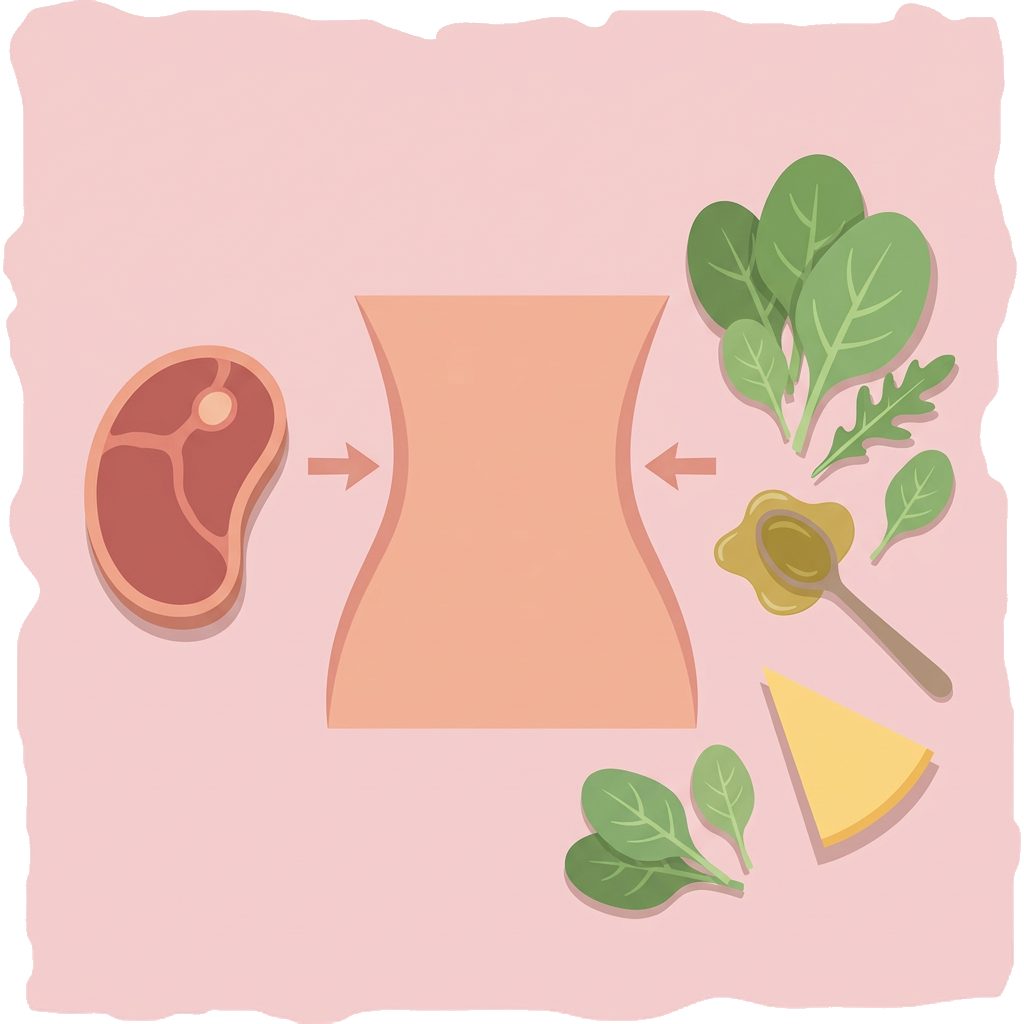
Metabolism doesn’t fall off a cliff at 50. The changes are more gradual than that – but they’re real, and by the time you notice them, several processes have been quietly compounding for years.
Insulin resistance creeps up. Skeletal muscle becomes less responsive to insulin with age, meaning the same carbohydrate load that was manageable at 35 starts generating higher and more sustained blood glucose spikes at 55. Visceral fat tends to increase even when total body weight stays flat, and visceral fat itself worsens insulin sensitivity in a feedback loop. Low-carb diets are particularly effective at reducing visceral fat, and studies show this benefit holds in the 60-75 age range, not just in younger adults.Pontzer et al. (Science, 2021) found that total energy expenditure remains relatively stable from roughly age 20 to 60, challenging the conventional wisdom about metabolism “slowing down” in middle age. Visceral fat loss on low-carb diets in the 60-75 age bracket is documented in the PMC 8615410 feasibility study.
Mitochondria slow down. These are the organelles that generate cellular energy, and they become fewer and less efficient with age. This shows up as reduced exercise tolerance, slower recovery, and fatigue that doesn’t fully resolve with rest. Ketones are directly beneficial here: beta-hydroxybutyrate (BHB) is a cleaner fuel than glucose, producing more ATP per molecule and generating less oxidative stress in the process.
Muscle stops responding the same way. After 50, muscle protein synthesis becomes less responsive to the same protein stimulus that would build muscle in younger adults. You need more protein per meal to trigger the same anabolic signal, which has direct implications for how you structure eating on keto.
And then there’s the one that surprises people: a brain fuel gap. The aging brain starts losing the ability to efficiently use glucose as its primary fuel, a process that begins subtly in the late 40s and accelerates through the 50s. Ketones can fill that gap. This is the mechanism behind the cognitive research covered in the next section.
Your Brain on Keto After 50
Cognitive decline is one of the most feared aspects of aging, and it’s also one of the areas where the keto research is most intriguing, and most relevant to people over 50.

A 2020 PNAS study used large-scale fMRI data and found that brain network destabilization begins around age 47, with the most rapid change around 60 – and that ketones, unlike glucose, stabilize these networks.Mujica-Parodi et al. (PNAS, 2020) used fMRI on nearly 1,000 participants and found brain network stability declines starting around 47, accelerating near 60. Ketone supplementation stabilized these networks in a way glucose did not. This is when glucose metabolism in the brain starts declining measurably, and it happens before cognitive symptoms become obvious. Ketones provide an alternative fuel that the brain can use regardless of glucose metabolism status, which is why the timing of keto adoption matters.
The clinical evidence goes further than mechanism. In a 2020 study of at-risk older adults, a modified ketogenic diet improved cerebrospinal fluid markers of Alzheimer’s pathology, specifically increasing the Aβ42 peptide (which is usually depleted in Alzheimer’s disease) and decreasing tau levels.A 2020 trial in at-risk older adults on a modified ketogenic diet found improved CSF Aβ42 levels and decreased tau compared to controls on a low-fat diet, suggesting a favorable shift in Alzheimer’s biomarkers. Changes were modest and the study was small, but the direction of effect is clinically relevant. This doesn’t mean keto prevents Alzheimer’s. The evidence doesn’t support that claim yet, and the study was small. But the direction of effect is notable, and it fits the mechanistic story about ketones as alternative brain fuel.
For more on this topic, the connection between ketones and cognition is explored in detail in the articles on keto and Alzheimer’s disease and how ketones benefit the brain.
The real-world takeaway is this: the cognitive case for keto strengthens with age. At 25, the brain fuel argument is mostly theoretical. At 55, the metabolic shift is already underway – and the window for dietary intervention is open right now.
Preserving Muscle After 50
Sarcopenia (the age-related loss of skeletal muscle) begins in earnest after 40 and accelerates past 50. Left unaddressed, it contributes to falls, metabolic slowing, insulin resistance, and a steady erosion of functional independence. The question for keto practitioners has always been: does a fat-adapted, lower-protein intake protect muscle, or does carbohydrate restriction make muscle loss worse?
The evidence has shifted notably in keto’s favor over the past few years. A 2021 animal study found that ketogenic diets not only preserve skeletal muscle during aging but also drive a shift in fiber type composition, specifically from type IIb (fast-twitch, fatigue-prone) toward type IIa (more fatigue-resistant, with higher oxidative capacity).In animal studies, a ketogenic diet preserved skeletal muscle in aging mice and drove a fiber-type shift from IIb to IIa, suggesting the mechanism involves both metabolic efficiency and muscle quality, not just mass preservation. Human data remains limited but the mechanistic pathway is biologically plausible. Then in 2024, researchers identified a more specific epigenetic mechanism: beta-hydroxybutyrate (BHB) appears to reverse sarcopenia markers through histone beta-hydroxybutyrylation. Essentially, BHB modifies gene expression in muscle cells in ways that reduce the catabolic signaling that drives muscle loss.A 2024 study found that histone β-hydroxybutyrylation – a direct modification driven by BHB – reverses sarcopenia markers through an epigenetic mechanism. This is distinct from the older hypothesis that keto simply preserves muscle by reducing inflammation. The HDAC-inhibition pathway has a solid foundation: a landmark 2013 study in Science established that BHB is a potent HDAC inhibitor, meaning it directly modifies gene expression in ways that reduce oxidative stress and inflammation.Shimazu et al. showed BHB suppresses oxidative stress through HDAC inhibition (Science, 2013). This foundational finding underpins later research connecting BHB to muscle-protective epigenetic signaling.
This is a real shift from earlier thinking. It’s not just that keto doesn’t hurt muscle – BHB appears to actively counteract the cellular mechanisms that drive age-related muscle loss.
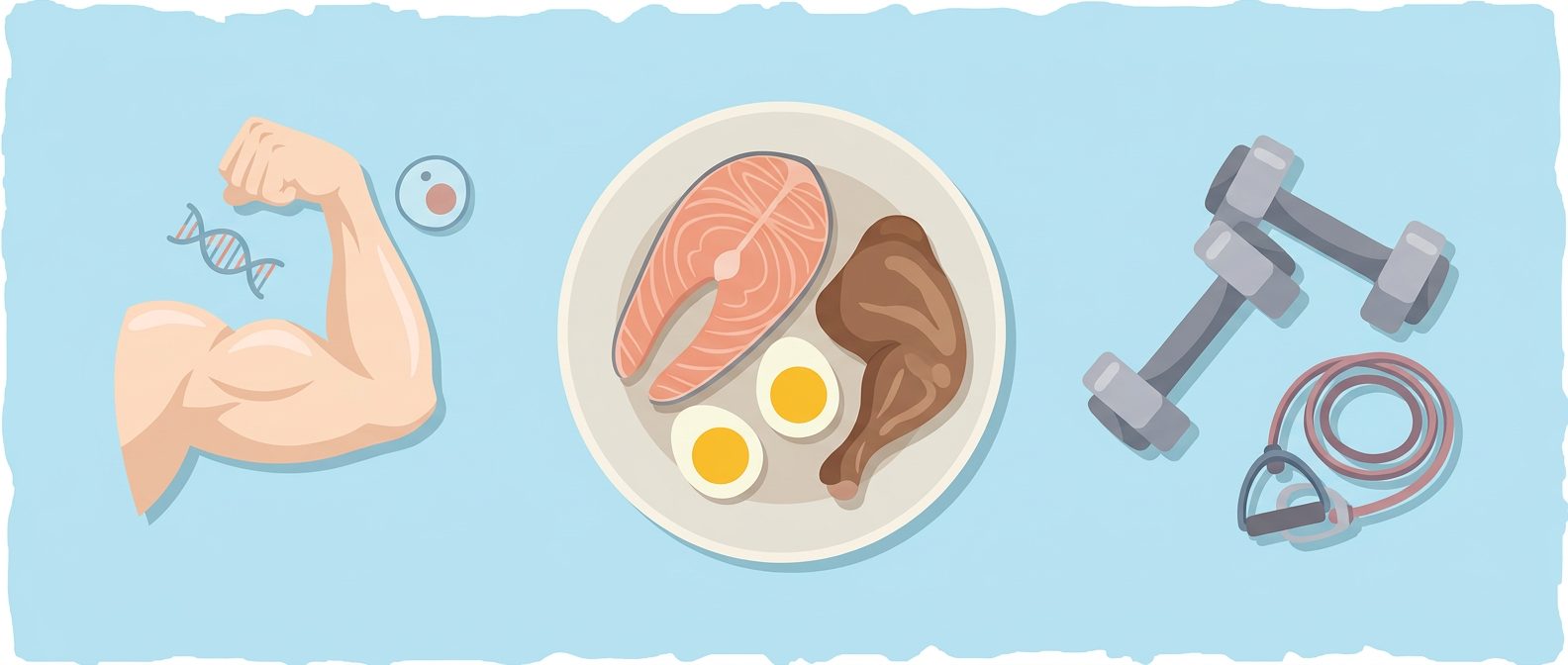
Protein targets matter here. Anabolic resistance means the older body needs a larger per-meal protein dose to trigger muscle protein synthesis. The current evidence supports 1.0-1.5g of protein per kilogram of body weight per day, with 25-30g of protein per meal being the day-to-day minimum to stimulate synthesis.1.0-1.5g/kg/day, 25-30g per meal minimum to overcome anabolic resistance (Harvard Health). For a 170-pound (77kg) person, that works out to roughly 77-115g of protein daily.
I want to flag a mistake I see people make when starting keto after 50: they get the carb reduction right but undereat protein because they’ve read that too much protein kicks you out of ketosis. This is a real concern at extreme intakes, but the range required to protect aging muscle (1.0-1.5g/kg, with 1.2g/kg as a practical minimum for muscle protection) doesn’t knock the majority out of ketosis. The research on this is more nuanced than the ‘protein breaks ketosis’ shorthand suggests. Prioritize the protein target. If it affects ketone levels slightly, that’s an acceptable tradeoff at 55 in a way it might not be for someone at 30 with different goals.
Resistance training matters just as much as the diet. Diet alone slows sarcopenia; resistance training combined with adequate protein is the only reliable way to build muscle at this age. Two to three sessions per week of weight-bearing exercise compounds the dietary benefits considerably. The complete guide to exercise on keto covers how to structure this for fat-adapted athletes.
Heart Health on Keto After 50
Cardiovascular risk rises with age, and any dietary approach for people over 50 needs to address lipids honestly. The good news is that the keto research on cardiovascular markers is fairly consistent in the right direction. The nuance (and there is nuance) comes from understanding which markers matter most.
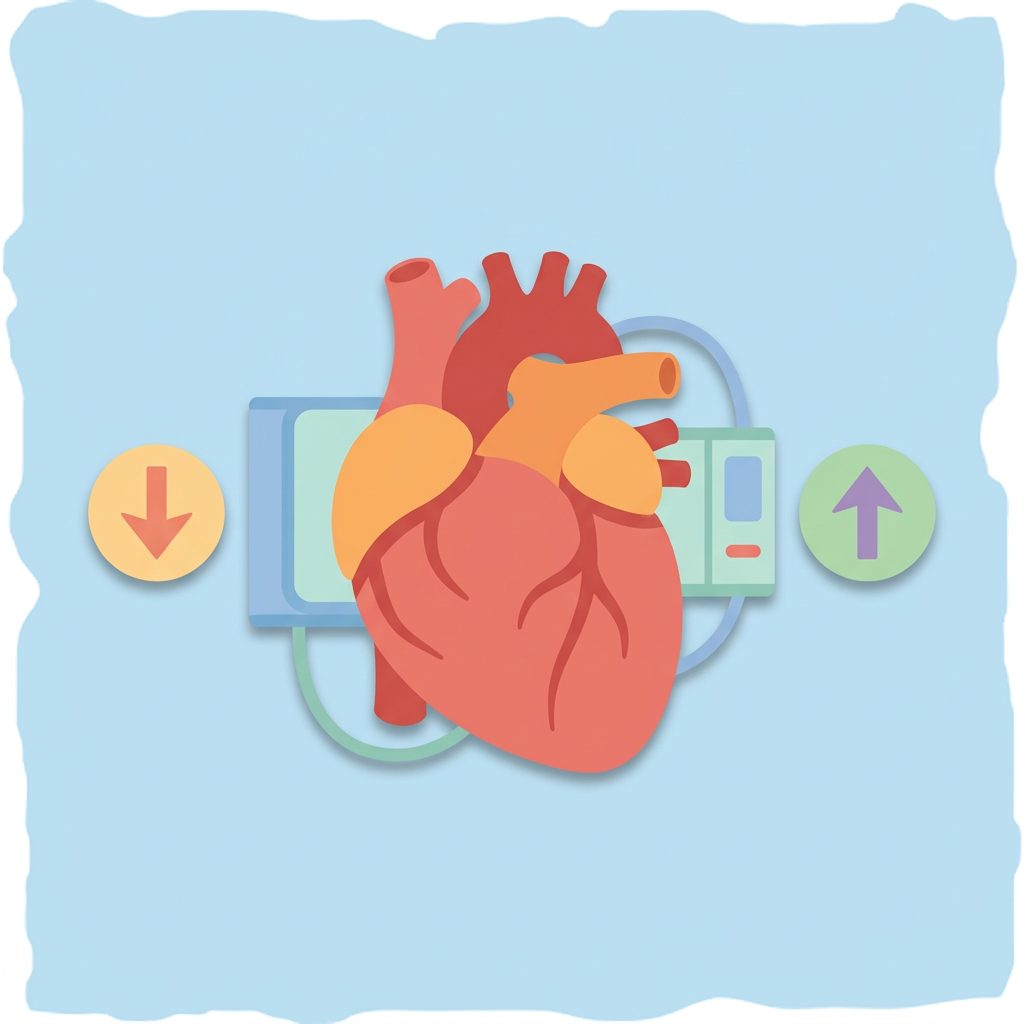
A 2023 review found ketogenic diets reduce triglycerides, raise HDL cholesterol, and show anti-inflammatory effects across multiple endpoints.A 2023 review of ketogenic diet effects on lipids found consistent reductions in triglycerides and increases in HDL across studies, with additional anti-inflammatory and cardioprotective effects. The authors noted that favorable effects on the TG/HDL ratio are a more reliable predictor of cardiovascular risk reduction than total LDL changes. The TG/HDL ratio is a better predictor of cardiovascular risk than total LDL. A high TG with low HDL is a pattern associated with insulin resistance and elevated cardiovascular risk, and keto reliably improves this ratio.
Total LDL often rises on keto, particularly in lean, metabolically healthy individuals. This gets flagged as a concern and creates anxiety. The relevant question is whether LDL particle size and oxidized LDL also rise, both of which are more closely linked to atherosclerotic risk than LDL particle count alone. The evidence here is mixed and the studies are short-term, so LDL elevation in the context of improved TG/HDL, reduced inflammation, and lower insulin levels is probably less concerning than a doctor’s initial reaction to the number might suggest, but it warrants monitoring and a real conversation with your physician, not dismissal.
For the full cholesterol picture, including LDL particle size and what the numbers mean in context, see the keto and cholesterol article.
Blood pressure reduction is another consistent finding. Keto reliably lowers systolic and diastolic blood pressure, likely through a combination of visceral fat reduction, lower insulin (which causes sodium retention), and direct vasodilatory effects.Ketogenic diets lower blood pressure through reduced insulin-mediated sodium retention and visceral fat loss – sometimes enough to require medication dose adjustments (PMC, 2021). This is a genuine benefit, and as discussed in the medication section below, one that requires active management if you’re already on antihypertensives. For the broader cardiovascular evidence, see the keto and heart disease guide.
Medications and Keto After 50
This section matters more for people over 50 than for any other demographic, because medication use is substantially higher in this age group. Keto changes the metabolic context in which these drugs operate, sometimes dramatically.
Diabetes medications are the most critical category. A 2021 BMJ study found that low-carb dietary intervention achieved a 57% diabetes remission rate versus 31% in controls, outcomes that have obvious implications for medication dosing.57% remission vs 31% in controls over one year, with HbA1c, weight, and medication requirements all dropping significantly (BMJ, 2021). The authors flagged medication adjustment during dietary transition as essential. If you’re on metformin, SGLT2 inhibitors, sulfonylureas, or insulin, and you shift to 20-30g net carbs daily, your blood glucose will likely drop, sometimes substantially, within days. This is a good outcome medically, but a potentially dangerous one if your medication dose isn’t adjusted to match. Work with your doctor before starting, not after you’ve had your first hypoglycemic episode.
Metformin is worth addressing separately: it’s frequently prescribed for type 2 diabetes and prediabetes, and many people worry it’s incompatible with keto. It isn’t. Metformin works by reducing hepatic glucose production and improving insulin sensitivity, mechanisms that complement keto rather than conflict with it. The concern is dose adjustment as blood glucose improves, not a drug-diet incompatibility.Per a 2024 review of keto-pharmacotherapy interactions, metformin, statins, and blood pressure medications all interact with the metabolic changes induced by ketogenic diets in ways that may require dose adjustments. The review identified hypoglycemia risk with insulin secretagogues and hypotension risk with antihypertensives as the most clinically significant concerns.
Blood pressure medications: keto’s blood pressure-lowering effect can be additive with antihypertensives. The result is sometimes hypotension (dizziness, lightheadedness, or fainting when standing). If you’re on an ACE inhibitor, ARB, beta-blocker, or calcium channel blocker, track your blood pressure more frequently in the first weeks of keto and report any hypotension symptoms to your physician promptly.
Statins and LDL: if your LDL rises on keto and you’re already on a statin, your doctor may want to increase your dose. Before accepting that recommendation, push for a full lipoprotein panel (including LDL particle size and TG/HDL ratio). An LDL number in isolation, interpreted without the rest of the lipid picture, is not sufficient context for a medication decision in someone on a ketogenic diet.
Making It Stick: Practical Adherence After 50
A 2021 feasibility study of older adults on ketogenic diets found that 67% met their health goals and 79% lost weight.67% goal attainment, 79% weight loss, 15% mild adverse events (PMC, 2021). Those are good numbers. But 33% didn’t meet their goals, and some of those dropouts are avoidable with better preparation.
The most common avoidable failures I’ve seen in this age group come down to two things: electrolyte management and over-complication.
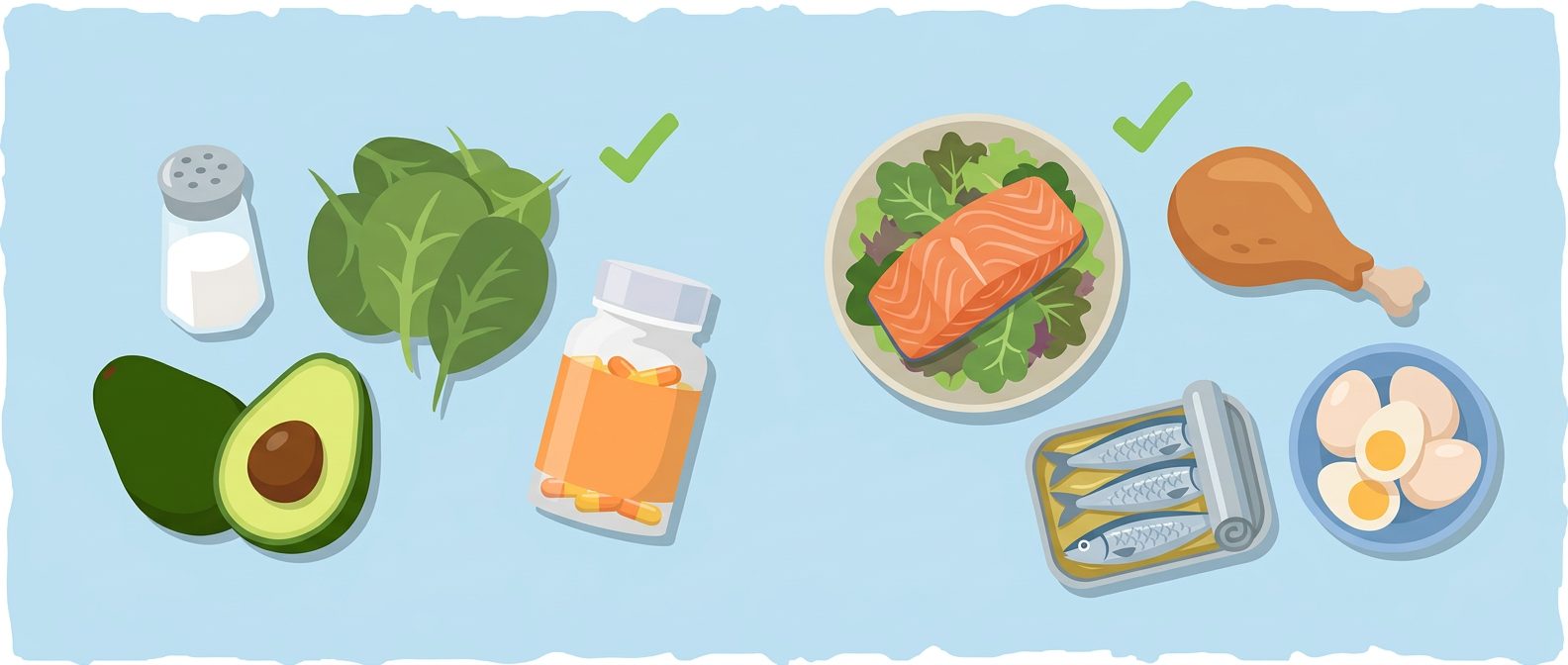
Electrolytes. The keto flu (the headaches, fatigue, and brain fog that often hit in the first week) is largely an electrolyte problem. Your kidneys excrete more sodium when insulin drops, and water follows sodium, taking potassium and magnesium with it. After 50, this problem can be more pronounced because thirst sensation diminishes with age and older adults often arrive at keto mildly dehydrated to begin with. The solution is the same regardless of age: supplement sodium (3-4g per day from food and added salt), potassium (through leafy greens, avocado, salmon), and magnesium (300-400mg of glycinate or malate daily). If you have kidney disease or impaired kidney function, check with your doctor before supplementing magnesium, because impaired kidneys cannot clear excess magnesium effectively. The keto flu remedy guide covers this in detail if you want the full protocol.
More on electrolytes and why they matter throughout keto, not just in the first week, is covered in the supplements guide.
Don’t over-complicate it. After 50, the most sustainable version of keto is also usually the simplest. Fatty proteins (salmon, chicken thighs, sardines, eggs) cooked simply, with above-ground vegetables and good fats. The keto meal plan gives you a structured starting point. For protein with bone-preserving minerals and omega-3s, sardine bowls are underrated because they hit vitamin D, calcium, and omega-3 in a single bowl. Salmon with power greens and chicken soup are two staples I come back to consistently because they’re filling, anti-inflammatory, and take almost no time.
Starting point for the full dietary framework: the beginner’s guide to keto covers macros, food choices, and how to structure the first weeks without overwhelming yourself.
Key Takeaways
- After 50, the strongest arguments for keto aren’t just weight loss. They’re brain fuel, muscle preservation, cardiovascular markers, and reduced insulin resistance.
- BHB appears to actively counteract sarcopenia through epigenetic mechanisms, not just by preserving muscle passively. Protein targets of 1.0-1.5g/kg/day with 25-30g per meal are essential alongside resistance training.
- Brain network destabilization peaks between ages 47 and 60. Ketones provide an alternative fuel for the glucose-depleted aging brain, and the cognitive case for keto strengthens with age, not weakens.
- Keto consistently improves TG/HDL ratio and lowers blood pressure. LDL changes need context (particle size, oxidized LDL, full lipid panel) rather than a reflexive statin dose increase.
- Medication adjustment is often necessary, not optional. Diabetes and blood pressure medications in particular may need dose reductions as metabolic markers improve. Work with your doctor proactively.
- Electrolytes remain the most common fixable point of failure. Sodium, potassium, and magnesium need active attention, especially in the first two to four weeks.
FAQ
Is keto safe after 50?
For most healthy adults over 50, a well-designed ketogenic diet is safe and evidence supports it as feasible in this age group.Per a 2021 feasibility study, 79% of older keto participants lost weight and 67% met their health goals, with only 15% experiencing mild adverse events. The caveats are substantive though: if you’re on diabetes medications, blood pressure medications, or statins, keto changes the metabolic context in which those drugs work and dose adjustments may be needed. Starting with your doctor’s awareness is the responsible path, particularly if you have cardiovascular disease, kidney disease, or are on multiple medications. The beginner keto guide covers how to approach this as a new practitioner.
Will keto raise my cholesterol after 50?
Total LDL often rises on keto, but this needs context. Ketogenic diets consistently lower triglycerides and raise HDL, improving the TG/HDL ratio, a more reliable cardiovascular risk marker than total LDL.A 2023 review found keto reduces triglycerides, raises HDL, and shows anti-inflammatory and cardioprotective effects. The authors noted TG/HDL ratio is more predictive of cardiovascular risk than LDL particle count alone. If your LDL rises on keto, ask your doctor for a full lipoprotein panel rather than treating the number in isolation. Particle size and oxidized LDL matter more than total LDL in this context. More on lipid nuance is covered in the weight loss on keto guide.
Do I need more protein than younger adults on keto?
Yes, and this is one of the most important practical differences for people over 50. Anabolic resistance means muscle protein synthesis requires a larger stimulus after 50. Current evidence supports 1.0-1.5g of protein per kilogram of body weight per day, with a minimum of 25-30g per meal to trigger muscle building.Per Harvard Health, adults over 50 need 1.0-1.5g/kg/day of protein with 25-30g per meal to trigger muscle protein synthesis adequately. This is higher than what many keto resources recommend for younger adults. The concern about protein raising blood glucose via gluconeogenesis is real at extreme intakes, but the range needed for muscle preservation after 50 is unlikely to break ketosis for most people. See the protein and ketosis article for a detailed breakdown.
Can I do keto on metformin?
Keto and metformin aren’t incompatible. Metformin works by reducing hepatic glucose production and improving insulin sensitivity, which complements rather than conflicts with a low-carb approach. The critical issue is dose adjustment: as blood glucose improves on keto, your metformin dose may need to be reduced to avoid hypoglycemia. A 2021 BMJ study found 57% of low-carb participants achieved diabetes remission, meaning medication needs changed substantially.A 2021 BMJ study found 57% remission in the low-carb group vs 31% in controls; medication adjustments were required in a significant proportion of participants as glucose improved. Don’t start keto without telling your prescribing physician, particularly if you’re also on sulfonylureas or insulin, which carry a higher hypoglycemia risk. For context on how insulin resistance interacts with dietary changes, see the keto and insulin resistance article.
How is this different from keto for women over 50?
The article on keto for women over 50 focuses on the hormone-specific mechanisms: estrogen decline, progesterone loss, thyroid interactions, HRT compatibility, and bone density concerns that are particular to postmenopausal women. This article covers the physiology that affects both men and women equally after 50: cognitive fuel gaps, sarcopenia, cardiovascular markers, and medication interactions. If you’re a woman over 50, both articles are relevant. Start here for the shared foundation, then read the women-specific piece for the additional hormonal layer. Women in their 40s have additional perimenopause considerations – see keto for women over 40.
How quickly will I notice benefits starting keto after 50?
Most people notice reduced hunger and initial water weight loss within the first week. Cognitive clarity and more stable energy typically emerge by weeks 2-3 as ketone production increases. Noticeable body composition changes take 4-8 weeks. The first two weeks are often the roughest. The keto flu (headaches, fatigue, irritability) is common and largely preventable with adequate electrolytes. The keto flu remedy guide covers what to supplement and when. For a realistic timeline of what to expect at each stage, the keto weight loss timeline article walks through it week by week.
The information in this article is not medical advice and is not a substitute for professional medical guidance. Always consult your doctor before making notable dietary changes, especially if you have a pre-existing health condition or take medication.
Sources
- BHB is an endogenous HDAC inhibitor that suppresses oxidative stress (Shimazu et al., Science 2013)
- Ketogenic diet preserves skeletal muscle in aging mice, fiber-type shift IIb to IIa
- Histone beta-hydroxybutyrylation reverses sarcopenia via epigenetic mechanism
- Modified ketogenic diet improved CSF Abeta42 and decreased tau in at-risk older adults
- Brain network destabilization accelerates between ages 47-60 (PNAS, 2020)
- Ketogenic diet beneficial for lipids: lower TG, higher HDL, anti-inflammatory, cardioprotective
- Low-carb diet: 57% diabetes remission vs 31% controls; medication adjustment needed (BMJ, 2021)
- How much protein do you need every day? Protein targets for adults over 50.
- Daily energy expenditure through the human life course (Pontzer et al., Science 2021)
- Keto-pharmacotherapy interactions: metformin, statins, BP medications
- Feasibility of ketogenic diet in older patients: 67% met goals, 79% lost weight
- Keto lowers blood pressure, may require medication reduction