

There are four main types of fats that we see in everyday life — each one comes with a handful of misconceptions and misinformation that has built up over the years.
Saturated fats are typically demonized as the fat that causes heart disease, while vegetable oils usually get a free pass for being healthy. However, the truth is much more nuanced than this. To be optimally healthy, we actually need varying quantities of different types of keto fats.
A Brief Overview of the Four Fats
The way that we identify what type of fat we are eating is by the amount that is dominant in the mixture. For example, we call Olive Oil (which has ~75% monounsaturated fats) a monounsaturated fat, and we call butter (which has ~60% saturated fats) a saturated fat. However, these foods and all other natural foods will contain a mixture of:
- Saturated Fats
- Polyunsaturated Fats
- Monounsaturated Fats
And in dairy, red meat, and processed foods with hydrogenated oils, we will find:
- Trans Fats
Each one of these fats impacts our health in different ways, so let’s take a closer look each one and see how it applies to you, your diet, and your health.
Saturated Fats
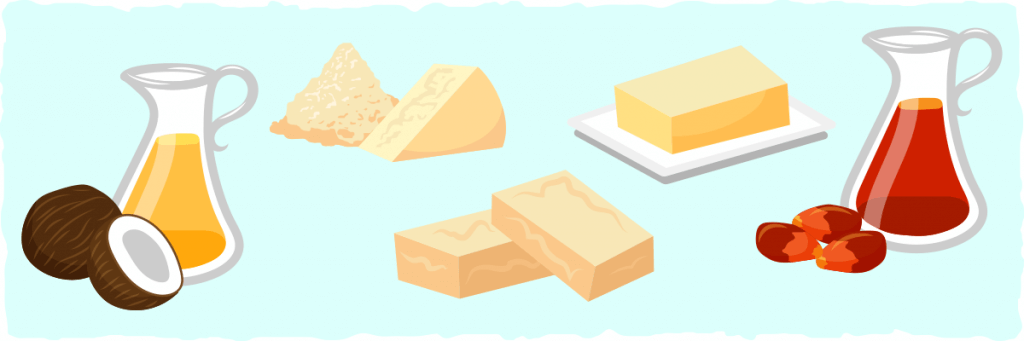
Saturated fats get their name from the fact that they consist of single-bonded carbon molecules that are completely “saturated” with hydrogen atoms. Different saturated fats are named based on the number of carbons molecules they have.
For example, lauric acid (commonly found in coconut oil and breast milk) has 12 single-bonded carbon atoms, and stearic acid (commonly found in meat) has 18 single-bonded carbon atoms. Each one is a type of saturated fat, but they both have slightly different effects on our health (which we will learn more about later).
Saturated fats are typically found in higher quantities in animal products while the other natural fats (monounsaturated and polyunsaturated fats) are usually found in higher quantities in plant-based foods.
Saturated Fats and Your Health
Over twenty years ago, government guidelines recommended that everyone consume a low-fat diet that limits saturated fat and cholesterol. Why such a strict recommendation for so many people?
At first, we thought saturated fat and cholesterol would cause cholesterol levels to increase and plaque to build up in our arteries until we die of complications of heart disease.
Now, however, we know that the truth is much more nuanced than what we originally believed.
In general, saturated fats help keep your immune system healthy, your bone density normal, your testosterone levels in check, your heart beating, your HDL (“good”) cholesterol levels high — and, for the most part, are not associated with an increased risk of heart disease.
The reason why I wrote “for the most part” is that there are many different types of saturated fats, and they all seem to have different effects on our health and cholesterol levels. This is where the nuance comes in.
For instance, the current evidence suggests that caproic, caprylic, and capric fatty acids seem to have no effect on cholesterol levels along with antiviral, antibacterial, and ketogenic properties (i.e., they tend to be converted into ketones more quickly than any other fat). Conversely, lauric, myristic, and palmitic acids all seem to increase cholesterol levels in the same way (i.e., increasing both LDL and HDL cholesterol). Some studies indicate that myristic has the most cholesterol increasing potential, but the data is not conclusive. The only saturated fatty acid that has been found to decrease cholesterol levels and decrease plaque build up is stearic acid.
As you can see, within the saturated fatty acid category alone, we have the potential to increase cholesterol levels, decrease cholesterol levels, or keep them the same. This is part of the reason why we can’t blame saturated fat for heart disease, and why many studies find no relationship between saturated fat and heart disease.
But how does this apply to your keto diet?
Let’s take cheddar cheese, one of the most popular keto foods, for example. Cheddar cheese has these saturated fats in it:
- Butyric acid
- Caproic acid
- Caprylic acid
- Capric acid
- Lauric Acid
- Myristic acid
- Palmitic acid
- Stearic acid
The first four fatty acids have been found to have no significant effect on cholesterol, while lauric, myristic, and palmitic acid all have been found to increase cholesterol levels. These three cholesterol-raising saturated fatty acids make up the majority of the saturated fats in the cheese (check out this study if you’d like to see the fatty acid data that I am using), so its safe to assume that cheddar cheese would cause at least a small increase in cholesterol levels, right?
According to one study on cheese and butter consumption, the researchers found that cheese intake did not increase serum total or LDL (“bad”) cholesterol concentrations when compared with their normal diet — a diet which consisted of less total fat and saturated fat. In fact, the subjects experienced lower LDL, HDL, and total cholesterol levels when they followed the cheese intervention when compared to the butter intervention and the normal dieting period.
The researchers speculated about why this was the case, but couldn’t come to any conclusion as to why the cheese intervention lead to similar or lower cholesterol numbers for the subjects than a normal diet period that consisted of less saturated fat consumption.
Are you confused yet? Don’t be afraid to admit it, I am pretty confused myself — but there are still a few things that we can take away from the studies on saturated fats:
- Concentrated sources of lauric acid, myristic acid, and/or palmitic acid (e.g., butter, tallow, lard, coconut oil, and palm oil) are much more likely to raise cholesterol levels. However, these fats may raise LDL and HDL levels in a way that are actually healthy for some people (we will learn how to figure out if this is the case for you later in this article).
- Foods that contain saturated fat, as well as protein, fiber, calcium, antioxidants, and/or other health-promoting compounds, are likely to have a beneficial impact on your cholesterol levels, heart health, and overall health.
- Avoiding saturated fat is not the best way to prevent heart disease, especially if you want to optimize your health.
The Practical Takeaways for Saturated Fats
The most practical advice I can give you regarding saturated fat consumption is not to fear them. Eating a burger or having an extra slab of butter will not clog your arteries.
However, some people will notice their cholesterol shoot up to unhealthy levels when they increase their saturated fat consumption (due to specific genetic traits). To check if this is you, simply follow the ketogenic diet for 4-6 weeks and get your blood tested for a lipid panel.
In general, you should make sure your total-to-HDL cholesterol ratio is getting lower with the dietary strategy that you are using. A ratio between 3 and 4 is good, and below 3.5 is ideal. If your ratio is significantly higher than before, then you may need to shift to a lower fat diet like paleo or a Meditteranean diet.
Polyunsaturated Fats
Polyunsaturated fats differ from saturated fats in that they are fatty acids that contain 2 or more double bonded carbon atoms. As a result of these double bonds, polyunsaturated fats are not fully saturated by hydrogen atoms, which is why we call it an “unsaturated fat.”
When we combine the two unique traits these fats, we end up with the name “polyunsaturated fatty acids” which can roughly be translated to “many carbon double bonds in a hydrocarbon chain.” To figure out exactly what polyunsaturated fat a particular fatty acid is, we simply find where the double bonded carbon atoms are on the fatty acid chain and name it according to that.
Polyunsaturated Fats and Your Health
Polyunsaturated fats are usually seen in the form of vegetable oils and have been hailed as being wonderfully healthy — but, in reality, they are normally highly processed and unhealthy in high quantities. In fact, studies have shown that intake of polyunsaturated fats from refined vegetable oils contribute to cancer and heart disease. Another interesting discovery regarding these fats is that arterial plaque is primarily composed of unsaturated fats, particularly
polyunsaturated fats, and not saturated fat. The reason behind this is polyunsaturated fats are much less stable than saturated fats and monounsaturated fats. Therefore, when they are in the bloodstream, they are much more vulnerable to becoming oxidized, damaging your arterial walls, and causing plaque build up.
However, this doesn’t mean that you should avoid polyunsaturated fats altogether. Two of them are actually essential for optimal health: Omega-3s and Omega-6s.
Omega-3s
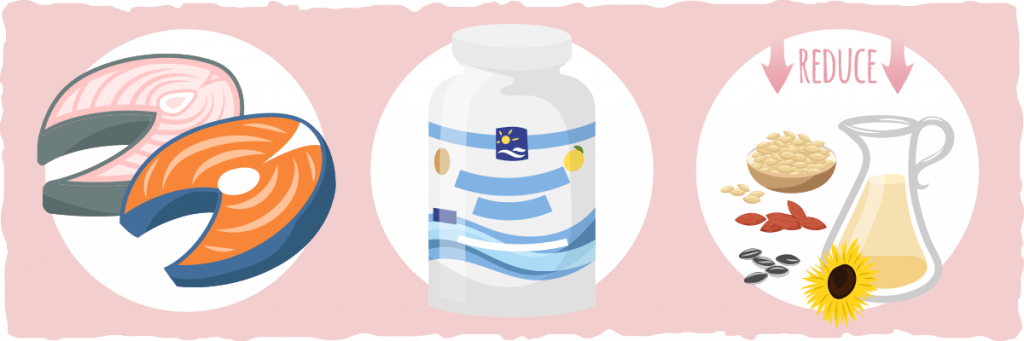
Omega-3s are long-chain polyunsaturated fats that are commonly found in high amounts in fatty fish like salmon and sardines. They are lauded for decreasing inflammation, lowering LDL cholesterol, and improving a variety of other risk factors for cardiovascular.
To get the benefits of omega-3 fatty acids, the ideal dose is 0.5 to 1.8 grams per day of EPA + DHA from whole food sources like fatty fish.
The reason why I recommended whole food sources of omega-3s is because fish oil and other omega-3 supplements tend become oxidized during processing which not only robs you of their benefits but also adds toxic compounds to your body that will impair your health.
If you would like to learn more about omega 3s, check out this post.
Omega-6s
Omega-6s are essential for maintaining a healthy immune system and an optimal inflammatory response, but most of us get too much of it in our diets.
The problem with consuming too many omega-6s is that they can increase inflammation to the point where it starts provoking heart disease and other health issues.
For this reason, food items that are high in omega 6s (e.g., almonds, sunflower seeds, pumpkins seeds, processed foods, vegetable oil, sunflower oil, corn oil, soybean oil, and cottonseed oil) should be eaten sparingly. When you do consume omega 6s make sure they come from whole foods like nuts and seeds instead of fried foods, processed oils, or processed foods.
For a closer look at omega-6s and how they affect our health, check out this article.
The Practical Takeaways for Polyunsaturated Fats
To keep it simple, here are some practical recommendations regarding polyunsaturated fats:
- Cut out all processed polyunsaturated fatty acids from your diet for best health.
- Meet your needs for omega 3s and omega 6s with natural polyunsaturated fats, and you will be able to optimize your heart health.
- Don’t eat too many omega 3s or omega 6s because they are only good for improving health and cholesterol levels when you consume them in moderation.
Monounsaturated Fats
Judging by how polyunsaturated and saturated fats are named, you can probably figure out what a monounsaturated fat is. Simply put, these fats have one double bond carbon atom. Thus, they are unsaturated with one double bond. Similar to polyunsaturated fats, we name monounsaturated fats based on where their double bond is found in its hydrocarbon chain.
Monounsaturated Fats and Your Health
These fats are pretty well known and accepted to be healthy. Many studies show that monounsaturated fats can improve insulin resistance and optimize HDL/LDL cholesterol levels (via increasing HDL cholesterol and lowering LDL cholesterol). This is great news for anyone who is struggling with heart disease and/or type 2 diabetes.
So far, I haven’t been able to find any negative side effect of consuming monounsaturated fatty acids that don’t apply to the other fatty acids as well. It also is much more stable than polyunsaturated fats and improves cholesterol levels much more reliably than saturated fats, so it is safe to say that this is a “healthy” fat that genuinely deserves its title.
The Practical Takeaways for Monounsaturated Fats
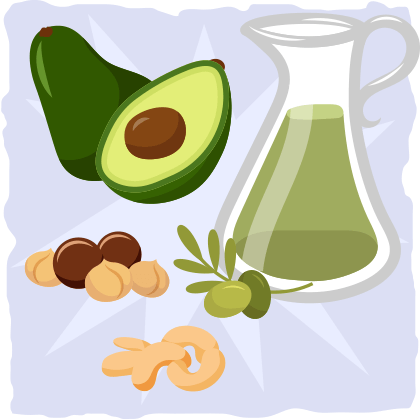
Make sure you are getting plenty of these fats in your diet. Here are some of the best sources of monounsaturated fats:
- Olives and olive oil
- Macadamia nuts
- Avocados and avocado oil
- Peanuts and peanut butter
Everything You Need to Know About Trans Fats
Trans fats hit the mainstream after we learned how to create them from an unnatural chemical modification, called hydrogenation, that allows them to have improved shelf life. This process completely changes the configuration of natural unsaturated fats in a way that changes how we digest and assimilate them — and all of these changes are negative.
For example, the consumption of trans fats has been shown to increase the risk of coronary artery disease more than any other fat by:
- Raising levels of the LDL (commonly referred to as “bad cholesterol”)
- Lowering levels of the HDL (often called “good cholesterol”)
- Increasing triglycerides in the bloodstream
- Promoting systemic inflammation
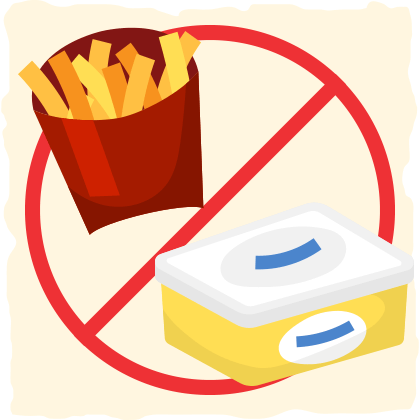
In other words, artificially produced trans fat creates the perfect storm for plaque build-up and heart disease. Your best bet is to avoid anything that has unnatural trans fats in it, or that has the word hydrogenated on the ingredients label.
On the other hand, natural trans fats (like conjugated linoleic acid) that are found in red meat and dairy may actually be protective against heart disease and improve metabolic health.
Cholesterol and Fat — Clearing Up The Controversies
One of the biggest health-related fears today is how fat consumption will clog your arteries and cause heart disease. To dispel some of the most common misconceptions regarding fat, let’s take a closer look at cholesterol and heart disease.
Cholesterol isn’t the mischievous compound that it is typically made out to be. In reality, it plays a crucial role in maintaining the health of our cells, and we can’t live without it. It only becomes a problem when the cholesterol particles are oxidized and start damaging your arterial walls.
Before we dig any deeper, let’s go over the basics of cholesterol.

In layman’s terms:
- HDL – These are High Density Lipoproteins and are essentially known as the “good guy.” They are responsible for transferring cholesterol from the body’s tissue into the liver to be broken down. You can think of HDL as your cardiovascular cleanup crew.
- LDL – These are Low Density Lipoproteins and are commonly known as the “bad guy.” Technically, this form of cholesterol isn’t bad. It actually helps bring essential nutrients to our cells once it leaves the liver. However, problems arise when these cholesterol particles oxidize due to interactions with other particles in the bloodstream. Eventually, these oxidized LDL particles will cause damage to the blood vessels that results in plaque buildup. It is also important to know that LDL particles come in different sizes. In general, small LDL particles tend to be much more susceptible to causing issues than large LDL particles.
- LDL Receptors — Present in the cell membranes of your liver cells and other cells throughout the body, these receptors are one of the primary drivers of how much LDL cholesterol stays in your blood. When these receptors are being fully expressed, you are less likely to have LDL cholesterol accumulate in the blood, become damaged, and cause plaque buildup.
- Triglycerides – This is the form that fat takes when it is being transported between tissues in the bloodstream. High triglycerides do not directly cause bad cholesterol levels, but they are an indicator that your cholesterol levels are not healthy.
When you have a low LDL particle count, you can get away with having small LDL particles in your bloodstream, as there’s less “traffic” to avoid. When you have high LDL counts, you will have increased “traffic” in your bloodstream, increasing the chance of oxidization and damage to the cholesterol particle and arterial walls.
When you have a low LDL count and large LDL particles, you will rarely have any issues. Your cholesterol can be moved easily throughout your bloodstream.
We also have to take into account our triglycerides, as these are moving through our bloodstream as well. These guys take up some extra space, so if you have a high triglyceride count, you need a higher amount of LDL particles to move it around. With more LDL particles, we increase the number of issues that can occur.
Blood sugar levels and carbohydrates also play a role in heart disease. High blood sugar levels tend to increase the likelihood that your LDL particles will become oxidized and start to damage your blood vessels. Studies have also shown that people on higher carb diets tend to have lower HDL levels and more risk factors for plaque build up in their blood vessels.
On top of all of this, if your LDL receptors aren’t being fully expressed for some reason, then your LDL particles (regardless of how many of them or what size they are) are at a greater risk of oxidizing and damaging your arterial walls.
What All of This Means For You
Initially, the story we were told about cholesterol is that we must keep our LDL levels low or else we will have heart disease. However, after decades of research, we have found that many other factors matter much more when it comes to maintaining cardiovascular health.
Here’s a quick overview of what we know now:
- The size of your LDL particles plays a major role in whether or not it will become damaged and lead to plaque build-up.
- Your total to HDL cholesterol ratio is a much better predictor of your heart disease risk than LDL cholesterol.
- We should focus on optimizing LDL receptor expression to prevent plaque build-up.
- Keeping blood sugar and triglyceride levels low will decrease the risk that your LDL cholesterol will cause problems.
This also gives us more clues as to what we can do to optimize our cholesterol levels and heart health. Here are some practical examples of what you could do:
- Follow a low carb diet (like the keto diet) to optimize your blood sugar and triglyceride levels. This will help improve your cholesterol levels and decrease the risk of plaque accumulation at the same time.
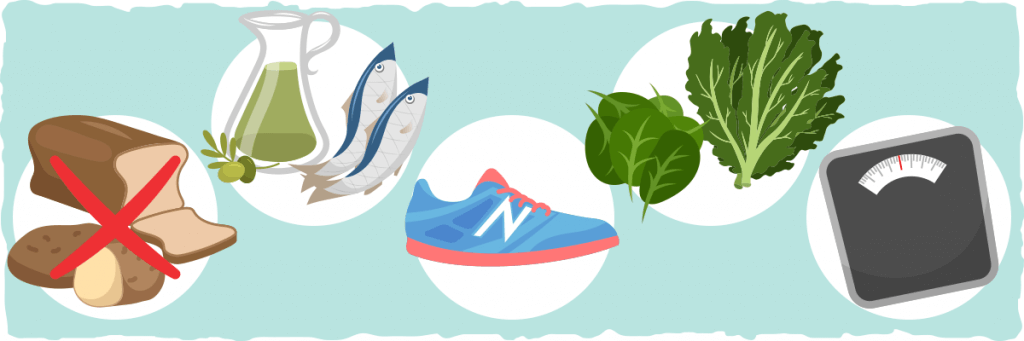
- Eat an adequate amount of omega 3s, plenty of monounsaturated fats, eliminate all unnatural trans fats from your diet, and limit concentrated sources of saturated fats (if they increase your total to HDL cholesterol ratio).
- Decrease your inflammation levels by doing more low-intensity exercise, eating fewer omega 6 fats, eating more omega 3s, reducing stress levels, and eating more low carb vegetables.
- Eat more fiber. The best way to do this while you are on keto is by eating low carb vegetables and keto bread.
- Lose fat. Weight loss is one of the best ways to improve your overall health, decrease inflammation, and optimize almost every blood marker.
How to Know if Your Diet is Putting You at Risk
The simplest way to find out how your diet is impacting your heart health is by getting a blood lipid panel done after around 4-6 weeks of following your new way of eating.
The number that will give you the best indicator of your heart disease risk is your total-to-HDL cholesterol ratio. It should be between 3 and 4 (ideally below 3.5) to ensure healthy cholesterol levels and a substantially reduced risk of heart disease.
Fat FAQs: Healthy Fat Sources, Ketosis, and Weight Loss Results
Why is fat important on keto?
Adequate fat intake is essential for optimal health and hormone balance.
On the ketogenic diet, fat will also be your primary source of calories. This means dietary fat intake will dictate whether you will gain fat or lose fat.
What are the best healthy fat sources on a ketogenic diet?
If the fat occurs naturally in food, has been minimally processed, and is keto-friendly, eat it.
Some examples of healthy keto-friendly fat sources include avocado, low-carb nuts & seeds, olives, fresh cuts of meat and fatty fish, eggs, and high-fat dairy. Not only will these provide you with healthy fats, but they are packed with a wide variety of vitamins, minerals, amino acids, and antioxidants as well.
In contrast, heavily processed fat-rich items should be limited or avoided. This includes refined vegetable oils, food-like products, and low-quality processed meats.
What is bad fat?
There is only one universally bad fat: artificial trans fat. Any product that contains “partially hydrogenated oil” or “fully hydrogenated oil” contains this unhealthy fat.
In contrast, the unhealthiness of natural fats depends on the food source and the person eating them. Some keto dieters, for example, can vastly improve their cholesterol levels by limiting their intake of foods high in saturated fat, while others experience better cardiovascular health simply by restricting carb intake.
Will eating fat decrease how much stored fat I burn?
Although you do burn the fat you eat, this doesn’t mean that further limiting fat intake will yield better weight loss results. Eating fewer calories from fat can help boost results, but overdoing it can cause a variety of health struggles (including increased severity of keto flu symptoms).
By eating the right amount of fat, you’ll be able to nourish your body while it steadily burns off body fat. Though your weight loss goal will take longer to achieve, it will be much easier to maintain your results in the long run (and you won’t lose your sanity in the process).
Can I eat more fat to increase ketosis?
Fat is converted into ketone bodies when we are in ketosis, but this doesn’t mean that eating more fat will increase your blood ketone levels substantially. The primary driving factor behind nutritional ketosis is net carbs.
More specifically, foods with higher net carbohydrate content (starchy vegetables, grains, etc.) will increase blood glucose and insulin levels. As a result, the liver will shut down ketone production. This is why keto dieters typically restrict net carb intake below 25 grams per day.
That being said, there is one type of fat you can use to increase blood ketone levels significantly: Medium-chain triglycerides (MCTs). The two best MCTs for this purpose are capric acid (C10) and caprylic acid (C8).
In fact, supplementing with MCT oil is a better ketone-increasing strategy than using exogenous ketones because MCT oil encourages nutritional ketosis rather than forcing your body into a short-lived state of artificial ketosis.
Putting It All Together — Dietary Fat, Keto Fat Loss, and Heart Health
How fats affect our health is a remarkably complex topic. Each fatty acid category can be broken down into subcategories of specific fats that each have different effects throughout the body. Plus, what these dietary fats do to your health after ingestion depends on the food that contains these fats and the person who consumes them.
With that being said, we do know a few things about fat consumption and overall health that are likely to be true for most people:
- For optimal health, we must consume saturated fats, polyunsaturated fats, and monounsaturated fats. The best way to get these fats is with minimally-processed whole foods that are rich in minerals, vitamins, antioxidants, and amino acids.
- Make sure you are eating the right amount of fat and carbs to stimulate fat burning, promote sustainable body fat loss, and enter nutritional ketosis. (Use our keto calculator to estimate how much you should eat of each macronutrient.)
- The only universally bad fat that should always be avoided is artificial trans fat (i.e., partially and fully hydrogenated oils).
It is also important to recognize that we all respond differently to different diets. Some people may be able to tolerate more saturated fat and processed foods without any negative issues than others. For this reason, it is best to try out these recommendations and run a monthly blood lipid panel to see what works best for you:
- Follow a low carb, whole food based diet like the ketogenic diet.
- Eat plenty of fiber from low carb vegetables and keto bread.
- Decrease your stress levels by doing more low-intensity exercise, sleeping more, and meditating daily.
- If you find that a higher saturated fat diet is impairing your cholesterol levels, then replace highly concentrated saturated fats (e.g., lard, butter, tallow, and coconut oil) with monounsaturated fats (e.g., avocados, macadamia nuts, and olives), omega 3 fatty acids (e.g., fatty fish), low-carb nuts/seeds (pecans, chia seeds, etc.), and pasture-raised meats, eggs, and hard cheeses.
After you’ve implemented these suggestions for 4-6 weeks, get a blood test from your doctor so that you can check your blood lipids. If your total-to-HDL cholesterol ratio decreased and is now between 3 and 4, keep doing what you are doing.
On the other hand, if your numbers are out of whack after following the recommendations in this article, you may need to follow a lower-fat diet to see if that is healthier for you.
If you’d like to learn more about keto eating, unhealthy vs. healthy fat sources, and heart health, we’ve included several resources below:
- Keto and Cholesterol — Unpack the nuances of high-fat diets and cholesterol.
- Comprehensive Guide to Good and Bad Fats — Learn about each type of fat and how it affects our health.
- Ketogenic Diet Food List and Keto Pyramid — Craft your keto meals with the healthiest fat sources.
Sources:
- Heart Disease Fact Sheet — CDC
- HDL, Atherosclerosis, and Emerging Therapies — NCBI
- Modification of low density lipoprotein by endothelial cells involves lipid peroxidation and degradation of low density lipoprotein phospholipids — NCBI
- The Total-to-HDL Cholesterol Ratio — What Does It Mean? — Chris Masterjohn PhD
- Cholesterol metabolism — University of Waterloo
- The LDL Receptor — Arteriosclerosis, Thrombosis, and Vascular Biology
- Dietary Guidelines to Treat and Prevent Atherosclerosis — PCRM
- Multiple Risk Factor Intervention Trial — JAMA Network
- Meta-analysis of prospective cohort studies evaluating the association of saturated fat with cardiovascular disease. — NCBI
- Dietary factors and incident atrial fibrillation: the Framingham Heart Study — NCBI
- Role of fatty acid composition in the development of metabolic disorders in sucrose-induced obese rats. — NCBI
- The serum LDL/HDL cholesterol ratio is influenced more favorably by exchanging saturated with unsaturated fat than by reducing saturated fat in the diet of women. — NCBI
- Reduction in saturated fat intake for cardiovascular disease. — NCBI
- The effect of replacing dietary saturated fat with polyunsaturated or monounsaturated fat on plasma lipids in free-living young adults. — NCBI
- Saturated fats: what dietary intake? — The American Journal of Clinical Nutrition
- Dietary polyunsaturated fatty acids and composition of human aortic plaques. — NCBI
- Cheese intake in large amounts lowers LDL-cholesterol concentrations compared with butter intake of equal fat content — The American Journal of Clinical Nutrition
- Determination of the Major Free Fatty Acids of Cheddar Cheese — Journal of Dairy Science
- Trans fatty acids and coronary heart disease. — NCBI
- Natural trans fats have health benefits, University of Alberta study shows — EurekAlert!
- Trans fatty acids: are its cardiovascular risks fully appreciated? — NCBI
I have just begun the Ketogenic diet and actually find it fun and exciting. I can now eat things I’ve been avoiding for many years (of which I have experienced horrible IBS digestive problems). I can’t wait to try the recipes and ideas. I returned to our little home town after being away for 52 years. Working in the historical aspect of volunteerism and seeing many pictures back in the 1900-1950s era, I am constantly reminded of how skinny everyone was while I was growing up. Now most of the people are extremely overweight, all sipping on diet drinks, and so many with diabetes. I will be sharing my new-found arsenal of the Ketogenic diet.
Sharon, I hope that everything goes well for you. I agree that the weight problems are getting out of control, not only in the US, but all over the world. If you have any questions, let me know!
Hi Craig, I have been on and of the Atkins over the years, I would just like to say that from looking at your recipes and how easily you explain everything, I am now going bace to lowcarb your way, not the Atkins way. Thank you so much. I am going to share your site on my fb if thats okay with you.x Marjorie
Sure – I’m always happy when people share the site. I wish you the best on your journey and thanks so much for taking the time to stop by 🙂
Hi Craig, I am getting ready to start this way of eating. Right now I eat pretty healthy except I am addicted to rice! That’s really the main carb I consume. In the above article you talk about triglycerides to HDL. My triglycerides are 420 and my HDL is 51. Does that mean I’m at deaths door? Because that is 8.24? I’m 57, exercise a LOT (zumba, tap, Met rx-180 (don’t do their suplements just their workouts). My Dr. wants me to take cholesterol medication which I will not, high cholesterol too. I’m trying to talk him into testing the small and large particle LDL and he said he will discuss with me on the phone next week. Thank you for having this website, I’m excited to start after my birthday tomorrow.
I’d definitely just try to stick to keto (fully, without the rice) and see where your numbers go. Usually within a month you see some great changes.
Hi Craig, I also have a similar problem. triglycerides is high 180 and my HDL is 48. I have been on ketogenic diaet for 2 months now and the triglycerides number has refused to come down.
Our whole family is starting Keto…is it best to count carbs or fat or both??? I want to keep it as simple as possible but I need to have a bit of a game plan so that I can prep meals. I saw the app you suggested but i would only be able to track my progress and since I’m “chef” in our home I will need to prep everyone’s meals. What’s the best way to go about this?! Thanks so much! Your website is fabulous… Best I have found in terms of layout, and content!
Hi, Craig I am in Indiai am in keto diet for a week yesterday I did cheat by going to KFC and ate 4 pieces of Brest crispy chicken, would thus result , I am out if keto…
In this whole I had toilet only twice, no constipation any problem
I’m not 100% sure if I understand the question. You are saying that you went to the toilet twice in a week? If so, make sure your electrolytes are balanced. If needed, you can also add a probiotic into your supplement routine.
Getting prepped to start my keto diet and you’ve been an absolute goldmine of information so thank you.
One comment. I came to this page to find out about which fats are good and bad. You have a tick next to transfats but say DO NOT EAT! It would be really useful if you changed the green tick to a red X so that at a glance people don’t think that all four of those fats are good for you!
Thanks for all your advice, looking forward to starting!
Hey Craig, I just tried your “keto-proof” coffee and I was wondering if you could ease some of my concerns over heart health with they high amount of fats I’m eating especially from butter and bacon. I am also about a week into this diet (hard stuff this diet). The reason I ask is because of a family history of early onset heart disease. While I’m not following your diet plan exactly, I am taking your tips into account such as avoiding trans fats as much as possible (bar ingredients used in your recipes wherein trans fat is present on the ingredient label in small amounts). I am mostly concerned with the amount of cholesterol I’m consuming via food in terms of my health. Anything you could say to ease my worries?
Hey Garry, I’m really sorry for the late reply. I was in the middle of 2 cross country moves. Give a search for “heart” and “cholesterol” in the search bar at the top of the site. I think those 2 articles will give you some ease on the suspicions you have 🙂
Hi Craig, I came across this page when I researched to see if I am getting too many Saturated fats. But overall, I think the level of intake I am consuming is fine after reading this. I’m currently on a low carb almost 100% keto diet. About 25g of carbs daily, and my fat intake is high with the added help from the MCT oil. I pretty much fast without trying to, just don’t get an appetite as fast. My question is more based on the fact that I do eat Bacon almost daily, one slice, and add ghee to many of my meals. Or to what I cook with. Is the Bacon fat okay? Should I be trying to get in my fat intake from other meats rather then cured bacon. Creme cheese (jalapeño poppers) are my go to snack as well as Salmi and cheese. Again, these have saturated fats and i want to make sure I am choosing the correct foods. Any suggestions on snacking?
Hi..! so Im thinking og staring keto diet but I’m so confused lol I guess that my question is about keto and kickboxing… can you do both ?
Yes Kat! You can do keto and kickboxing. 🙂
I have high cholesterol and my doctor has started me on medication. I need to lose weight as I am very over weight. The keto diet made sense to me but I am having difficulty understand which fats I need to avoid and which I can have. ie can I have red meat, bacon butter? Can you help me navigate this all the articles have my head spinning. Susan
Yes, you can have all of those. Focus on simple foods – meat, vegetables, a little bit of dairy. Fattier foods like olive oil, butter, cream cheese, macadamias and avocados can help add fat content to your meals. I’d definitely have your doctor monitor you as you may need to reduce medications as keto does reduce cholesterol. Keep reading – it gets easier!
Thanks for the reply. My daily meals tend to be bacon and maybe an egg for breakfast. I am not always hungry at the excited times. My thought is to try a salad of mixed greens with cheese, avocado and maybe some canned salmon. Supper things like grilled pork chops or chicken and more salad or a vegetable like brussel sprouts. What I find hard is eating enough and making sure I have enough fat. Maybe I should try avocado at each meal lol. Another question I have is about Peanut butter as most of them have sugar added. Is there a brand you recommend. I also tend to crave drinking Milk and I don’t like the almond unsweetened milk. Is there a way to make the almond Milk more palatable?
I have high cholesterol and am trying to understand the triglyceride to HDL ratio you have. I have the formula to change my readings to mmol/L. But not the ratio formula.
UPDATE: I found a calculator on line that gave me the answer.. Thanks anyway!
I’m still looking for the reasoning for eating a high-fat diet and how ketosis is dependent on dietary fats.
When it is suggested that we eat dietary fats that “closely resemble body fats”, why not just use the stored body fat?
What is the advantage of adding more fat when there is already an ample supply of body fat to metabolize into ketones?
An analogy would be to add more snow while trying to remove the snow from your driveway.
More snow is better?
Hey Rob,
You’re right we do have an ample supply of fat to burn as ketones, but you need to eat calories to maintain your body weight and basic physiological functions (if you want to survive for longer than a couple of weeks). The only way to eat enough calories while staying in ketosis is by eating plenty of fat, just enough protein, and a very small amount of carbs. If your goal is to lose weight, then you will be eating a little bit less than your body needs to maintain weight, which will encourage the burning of your own stored fat.
To use your snow analogy, you must shovel the snow, but if you shovel to fast you may become weak, injure yourself, and/or pass out. By adding just enough snow that it doesn’t exceed the rate you are shoveling, you will eventually shovel the driveway without overdoing it and hurting yourself.
What is going on in the body is much more complex and my analogy doesn’t make much sense if you take it literally, but hopefully it makes sense in the context of what I said earlier. If you have any other questions, let me know.
I’ve been trying to find what the appropriate ratios is between Protein, fat and carbrohydrates.. I know I’ve seen it somewhere and I can’t find it again for the life of me.
We do have a pie chart on this page:
https://www.ruled.me/guide-…
Is that what you’re looking for?
So I read a lot on Facebook that “fat is a lever” then why is the suggested amount of fat so high?
Hey Mellissa,
Great question!
The suggested amount of fat is so high because that is the general guideline for keto dieting. To find out how much fat you should eat to meet your specific goals, I recommend using our keto calculator:
https://www.ruled.me/keto-calculator/
The calculator uses fat as a lever based on the values you put into it.