
The short answer: sashimi is perfectly keto, traditional sushi rolls are not, and there’s a surprisingly good middle ground if you know what to ask for. The problem with sushi on keto isn’t the fish – it’s the rice. A single standard sushi roll packs 30-40g of net carbs, almost entirely from the seasoned sushi rice underneath. That’s your whole daily budget in one roll.
I’ve been eating keto for over a decade now, and Japanese restaurants are actually some of my favorite places to eat out. Once you shift your thinking from “sushi” to “Japanese seafood,” the menu opens up. Sashimi, naruto rolls (cucumber-wrapped), grilled fish, and a few smart sides can make for one of the best keto meals you’ll find at any restaurant.
This guide breaks down exactly what works, what doesn’t, and how to order so you walk out satisfied and still in ketosis.
Jump to a section:
The Rice Problem
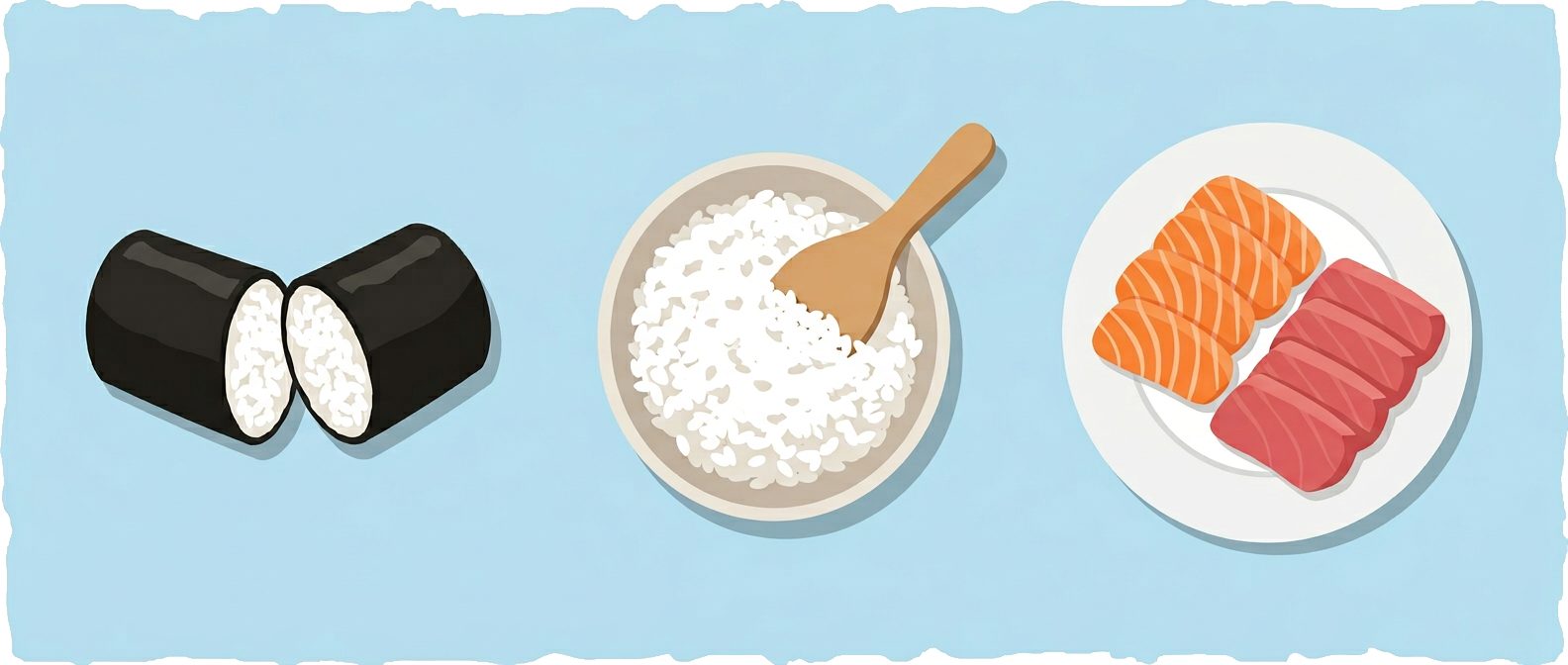
Sushi rice isn’t just plain rice – it’s short-grain rice cooked with rice vinegar, sugar, and salt. That seasoning adds a few extra grams of carbs on top of what’s already a very starchy base. One cup of cooked sushi rice contains roughly 45-50g of net carbs.Per USDA FoodData Central data for cooked short-grain white rice, one cup (186g) contains approximately 44.5g of net carbs. Sushi rice adds 1-2 tablespoons of sugar per batch during seasoning, increasing the per-serving count slightly.
Here’s how different sushi formats compare on carbs:
| Sushi Format | Net Carbs (per serving) | Keto Verdict |
|---|---|---|
| Standard roll (6-8 pieces) | 30-40g | Not keto |
| Hand roll (temaki) with rice | 15-20g | Borderline – still too high for most |
| Nigiri (2 pieces) | 12-14g | Too high if eating multiple |
| Naruto roll (cucumber wrap, no rice) | 2-4g | Keto-friendly |
| Sashimi (5-7 slices) | 0g | Perfect for keto |
The difference between a standard roll and sashimi isn’t subtle – it’s 30-40 grams of net carbs. That’s the difference between staying in ketosis and blowing your entire daily budget on a single menu item. If you want the full breakdown on why rice doesn’t work on keto, that guide covers every variety and the best swaps.
Two pieces of nigiri might look small, but they still carry 12-14g of carbs from the rice pad underneath. People sometimes think ordering nigiri instead of rolls is the keto move – it’s better, but it’s not good enough unless you’re only having one or two pieces as part of a larger sashimi order.
Best Keto Orders at a Japanese Restaurant
Japanese restaurants have more keto options than most people realize. The trick is looking beyond the sushi section of the menu.Nutritional estimates based on USDA data for common sashimi-grade fish and standard Japanese restaurant preparations. Exact values vary by restaurant and portion size. See USDA FoodData Central: raw salmon.
Sashimi
This is your best friend at a sushi restaurant on keto. Sashimi is pure protein and fat with zero carbs – just sliced raw fish, nothing else. A standard sashimi dinner gives you 15-20 slices across several types of fish. Salmon sashimi is particularly good for keto because it’s higher in omega-3 fats than leaner fish like yellowtail or snapper.
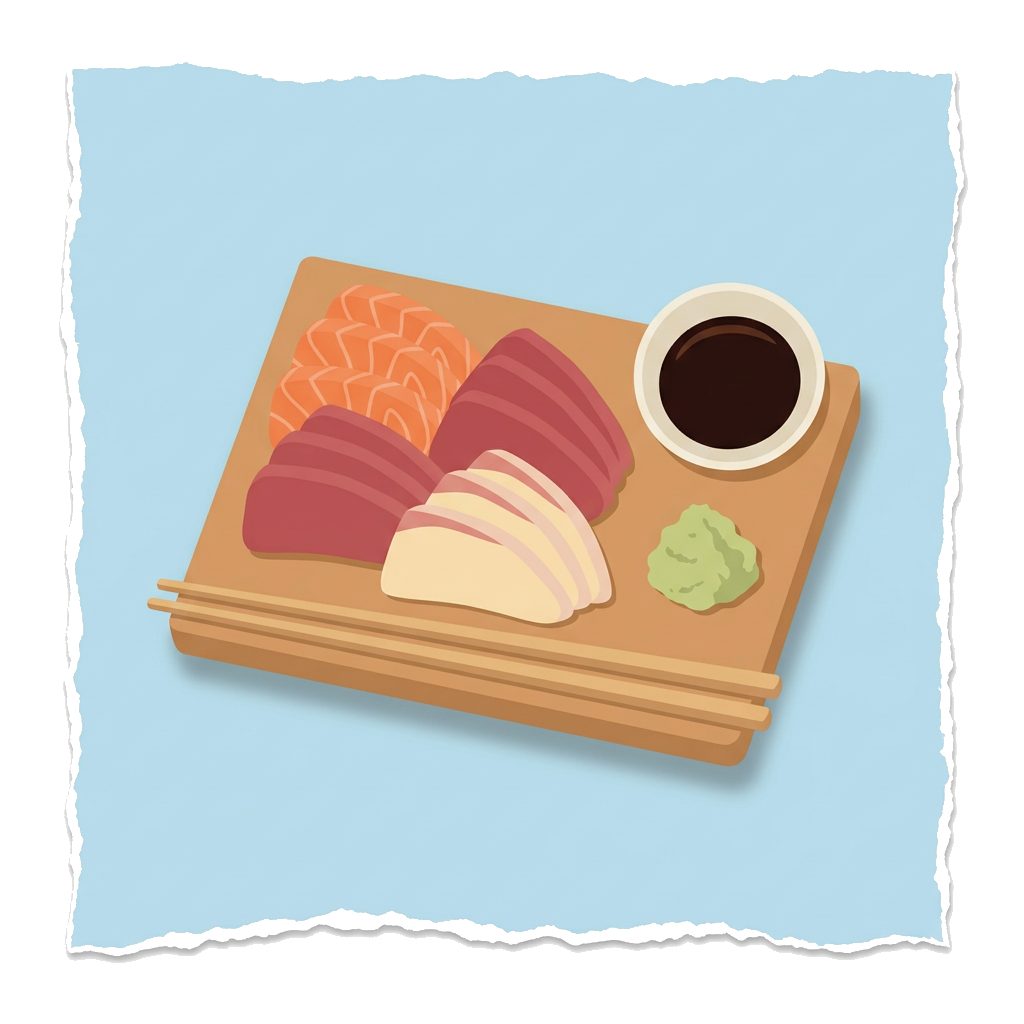
I order sashimi platters regularly and it’s honestly one of my favorite keto meals out. The quality of the fish does the work – you don’t need rice or sauce to make it taste good. A mixed sashimi plate with salmon, tuna, and yellowtail, plus a side of miso soup, runs about 2-3g of net carbs total for the whole meal.
Naruto Rolls
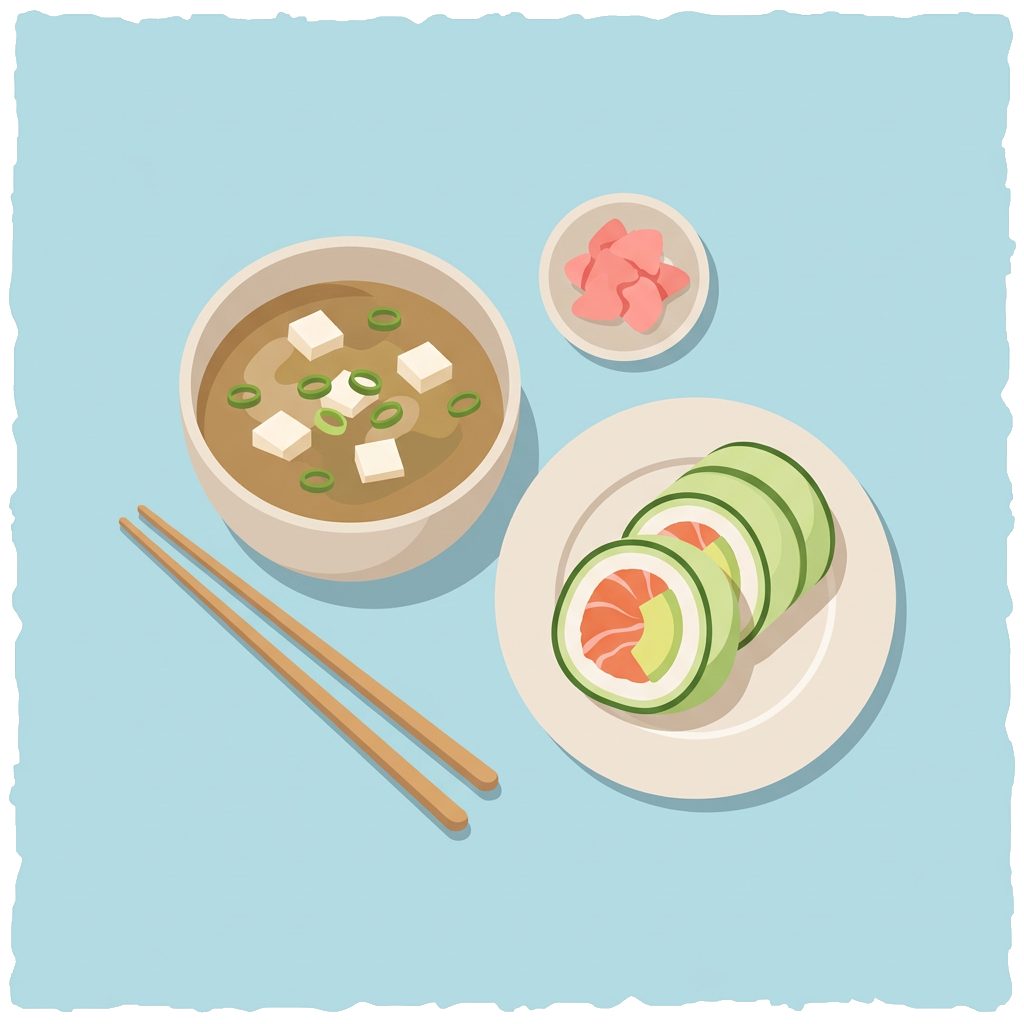
Naruto rolls wrap the fish and fillings in thin cucumber slices instead of rice and seaweed. You get the same flavor combinations as a regular roll – spicy tuna, salmon avocado, yellowtail jalapeno – but without the 30+ grams of carbs from the rice. Most restaurants will make any roll naruto-style if you ask, even when it’s not listed on the menu.
Expect about 2-4g of net carbs per naruto roll depending on what’s inside. Avocado adds a gram or two. Cucumber is negligible. The fish itself is zero carbs.
Grilled Fish and Meat
Most Japanese restaurants offer grilled items – salmon teriyaki (ask for sauce on the side), chicken yakitori, grilled mackerel, or beef tataki. These aren’t sushi, but they’re on the menu and they’re excellent keto options. Yakitori skewers with just salt seasoning (shio) instead of teriyaki glaze are essentially zero carb.
Sides That Work
| Side | Net Carbs | Notes |
|---|---|---|
| Miso soup | 3-4g | Fermented soybean base – small portion keeps carbs manageable |
| Seaweed salad | 4-6g | Watch for added sugar in the dressing at some restaurants |
| Edamame | 3-5g per half cup | Decent protein, moderate carbs – fine in small portions |
| Cucumber sunomono | 4-6g | Light vinegar dressing adds a few carbs from sugar |
| House salad with ginger dressing | 5-8g | Ginger dressing often has sugar – ask for oil and vinegar instead |
Edamame is worth a specific note. It’s technically a legume, and beans are usually off-limits on keto. But edamame is lower in carbs than most beans – about 3-5g of net carbs per half cup. As a shared appetizer or small side, it fits fine. Just don’t eat the entire bowl yourself if you’re trying to stay under 20g for the day. For a full look at which foods fit and which don’t, the keto food list is a useful reference.
Hidden Carbs to Watch

The fish at a Japanese restaurant is almost always fine for keto. The carbs sneak in through everything else – sauces, fillings, and preparations that add sugar where you wouldn’t expect it.Imitation crab nutrition based on USDA FoodData Central data for surimi (imitation crab). Sauce carb estimates based on standard restaurant preparation methods.
Imitation Crab (Surimi)
This one catches a lot of people off guard. Imitation crab isn’t crab at all – it’s processed fish paste (surimi) mixed with starch, sugar, and flavorings. A California roll’s main filling is imitation crab, which runs about 10-15g of net carbs per 3-ounce serving. Add the rice, and a California roll is one of the worst sushi options for keto from every angle. If you want crab, ask whether the restaurant uses real crab – some higher-end places do.
Sweet Sauces
These are the silent budget-killers:
- Eel sauce (unagi sauce) – made with soy sauce, mirin, and sugar. About 7-10g of carbs per tablespoon. It’s drizzled on most specialty rolls.
- Spicy mayo – the mayo itself is fine, but many restaurants add sriracha with sugar or a sweetened chili paste. Ask if theirs has added sugar.
- Ponzu – citrus-based sauce that often contains mirin (rice wine), which adds sugar. A tablespoon can run 2-4g of carbs.
- Teriyaki glaze – essentially a sugar syrup with soy sauce. About 5-7g of carbs per tablespoon.
Stick to regular soy sauce (about 1g per tablespoon), wasabi (negligible carbs), and pickled ginger in small amounts (1-2g per tablespoon). Those three are your safe condiments.
Tempura
Anything labeled “tempura” is battered and deep-fried. The batter is wheat flour, which adds 10-15g of carbs per serving on top of whatever the food item itself contains. Shrimp tempura, vegetable tempura, tempura flakes on rolls – all of them add carbs fast. A “crunchy” or “crispy” roll almost always has tempura in it.
Rice Vinegar in Everything
Seasoned rice vinegar (used in sushi rice, some dressings, and sunomono) contains added sugar. Plain rice vinegar has minimal carbs, but the seasoned version can add 4-5g of sugar per tablespoon. This is why even a “simple” cucumber salad at a Japanese restaurant can carry more carbs than you’d expect.
How to Order Keto at a Sushi Restaurant
Here’s what actually works when you’re sitting down and looking at the menu. I’ve ordered this way dozens of times and it always goes smoothly – sushi chefs are generally accommodating, and these requests aren’t unusual.Keto Social Eating: How to Navigate Restaurants, Parties, and Holidays – Ruled Me
What to Say
- “Can I get this roll naruto-style?” – Most sushi chefs know the term. If they don’t, just say “wrapped in cucumber instead of rice.”
- “Sashimi only, no rice” – Clear and direct. Works every time.
- “Sauce on the side” – Lets you control how much sweet sauce ends up on your food (or skip it entirely).
- “Is that real crab or imitation?” – Worth asking for any roll that lists crab. The carb difference is significant.
A Sample Keto Sushi Order
Here’s a real order I’ve placed many times that keeps the total under 10g of net carbs:
- Miso soup to start (~3g)
- Mixed sashimi plate – salmon, tuna, yellowtail (~0g)
- One naruto roll – spicy tuna with avocado (~3g)
- Soy sauce, wasabi, pickled ginger (~1-2g)
Total: roughly 7-8g net carbs for a full, satisfying dinner. That leaves plenty of room in a 20-30g daily budget for whatever else you eat that day.
Dining with Non-Keto Friends
Sushi restaurants are actually great for eating keto in a group. Everyone orders their own rolls or plates, so you’re not sharing a family-style dish where you have to pick around the carbs. You order your sashimi and naruto rolls, they order their dragon rolls and tempura, and nobody has to compromise. It’s one of the easier social eating situations on keto.
If you’re looking for other restaurant-specific guides, the keto at Chipotle guide and the keto at Subway guide cover two more popular chains in the same detail.
Key Takeaways
- Traditional sushi rolls contain 30-40g of net carbs per roll – almost entirely from the seasoned rice. One roll can use your entire daily carb budget.
- Sashimi is the best keto option at any Japanese restaurant: 0g net carbs, high protein, healthy fats from fish like salmon.
- Naruto rolls (cucumber-wrapped, no rice) keep the roll experience alive at just 2-4g net carbs each.
- Imitation crab, sweet sauces (eel sauce, teriyaki, ponzu), and tempura batter are the biggest hidden carb sources – ask questions before ordering.
- A full keto sushi dinner (miso soup, sashimi platter, one naruto roll) can come in under 10g net carbs total.
Frequently Asked Questions
Is sashimi keto-friendly?
Yes. Sashimi is just sliced raw fish with no rice, no breading, and no added sugar. A typical sashimi order (5-7 slices of salmon or tuna) has 0g net carbs and plenty of protein and healthy fats. It’s one of the most naturally keto-friendly restaurant foods you can order. Pair it with a side salad or edamame and you’ve got a full meal under 5g net carbs.
How many carbs are in a sushi roll?
A standard 6-8 piece sushi roll contains roughly 30-40g of net carbs, with most of that coming from the seasoned rice. Even a simple tuna roll runs about 27g net carbs. Specialty rolls with tempura or sweet sauces can push past 50g. That’s your entire daily carb budget – or more – in a single roll.
What is a naruto roll?
A naruto roll replaces the rice and nori (seaweed) wrapper with thin slices of cucumber. The fish and fillings stay the same – you just lose the 30+ grams of carbs from the rice. Most Japanese restaurants will make naruto-style rolls if you ask, even if they’re not on the menu. Expect 2-4g net carbs depending on what’s inside.
Is soy sauce okay on keto?
Regular soy sauce is fine in the amounts you’d use at a sushi restaurant. A tablespoon has about 1g of net carbs. The issue isn’t soy sauce itself – it’s the sweet sauces that often get drizzled on rolls. Eel sauce, spicy mayo with added sugar, and ponzu with mirin can add 5-10g of hidden carbs per serving. Stick to regular soy sauce, wasabi, and fresh ginger.
Can I ask a sushi restaurant to make rolls without rice?
Yes, and most sushi chefs are used to the request. Ask for your roll “naruto style” (wrapped in cucumber) or as a hand roll with no rice. Some restaurants also offer sashimi platters that give you a variety of fish without any rice at all. If the restaurant has an omakase or chef’s choice option, mention you’re skipping rice and the chef will usually adjust. For more tips on eating out while staying keto, the keto social eating guide covers restaurant strategies in detail.
Sources
- FoodData Central: Cooked White Rice (Short-Grain) – USDA
- FoodData Central: Raw Atlantic Salmon – USDA
- FoodData Central: Surimi (Imitation Crab) – USDA
- Keto Social Eating: How to Navigate Restaurants, Parties, and Holidays – Ruled Me
The information in this article is not medical advice and is not a substitute for professional medical guidance. Always consult a qualified healthcare provider before making changes to your diet or health regimen.