


There’s a version of the keto conversation that goes like this: cut carbs, enter ketosis, and your metabolism magically accelerates. You burn hundreds of extra calories a day just by eating differently. That version isn’t entirely wrong – but it’s not the full picture either.
Having lived keto full-time since 2013 and helped hundreds of people start and troubleshoot it, I’ve watched the metabolic advantage debate swing back and forth between “keto supercharges your metabolism” and “a calorie is a calorie, macros don’t matter.” The truth lands somewhere in the middle, and it’s more useful than either extreme.
Keto and metabolism interact in several measurable ways. The diet does modestly increase total energy expenditure for the majority – though not by the 400-600 calories a day that early proponents claimed. It shifts your body toward fat oxidation in ways that are real and solid. It affects thyroid hormones in a way that sounds alarming until you understand what’s happening. And it changes how your body preserves lean mass during weight loss – which matters more for your metabolic rate long-term than almost anything else.
This article walks through all of it. No hype in either direction.
Jump to a section:
- What Metabolism Actually Means
- Does Keto Boost Your Metabolic Rate? The Honest Answer
- The Hall vs. Ludwig Debate: What It Actually Means for You
- Keto and Thyroid Function: The T3 Drop Explained
- Adaptive Thermogenesis: The Real Metabolic Slowdown Risk
- Fat Oxidation on Keto: What Actually Changes
- Protein, Muscle Mass, and Your Metabolic Rate
- Day-to-day Ways to Protect Your Metabolic Rate on Keto
- A Note on Individual Variation
- Key Takeaways
- Frequently Asked Questions
What Metabolism Actually Means

Metabolism isn’t one thing. When someone says “I have a slow metabolism,” they’re usually referring to how many calories they burn at rest – but that’s only one piece of a larger picture. Understanding how keto affects each component separately makes the research a lot easier to interpret.
Your total daily energy expenditure (TDEE) breaks down into four parts:
- Basal metabolic rate (BMR) – The calories your body burns just to stay alive at complete rest. This accounts for about 60-70% of your total calorie burn. It’s driven by organ function, breathing, circulation, and maintaining body temperature.
- Thermic effect of food (TEF) – The energy cost of digesting and processing what you eat. Protein has the highest TEF at around 20-30% of its calories. Fat has the lowest at about 0-3%. Carbohydrates land in the middle at 5-10%.
- Exercise activity thermogenesis (EAT) – The calories burned during deliberate exercise.
- Non-exercise activity thermogenesis (NEAT) – Everything else: fidgeting, standing, walking, postural adjustments. NEAT varies enormously between people and can account for up to 2,000 calories per day in active individuals.
Keto touches all four of these – but not equally. Understanding where the effects are real and where they’re overstated is the difference between managing your metabolism strategically and chasing a myth.
Does Keto Boost Your Metabolic Rate? The Honest Answer
Short answer: yes, but the effect is modest – not dramatic. The research supports a small but real increase in total energy expenditure on a ketogenic diet, with the magnitude depending heavily on how the study was designed and how long it ran.
The most carefully controlled study on this question is Kevin Hall’s 2016 metabolic ward study published in American Journal of Clinical Nutrition. Seventeen overweight men ate an isocaloric (same-calorie) ketogenic diet for four weeks after a baseline high-carb diet. During the ketogenic phase, total daily energy expenditure increased by 57 kcal/day in metabolic chamber measurements, and by 151 kcal/day when measured with doubly labeled water.Kevin Hall’s 2016 metabolic ward study (American Journal of Clinical Nutrition) measured energy expenditure in 17 men on an isocaloric ketogenic diet using both metabolic chambers and doubly labeled water. Both methods showed statistically significant increases in energy expenditure, though the magnitude differed between measurement approaches.
A 2019 meta-analysis found about 50 kcal/day additional energy expenditure per 10% decrease in dietary carbohydrate – a consistent but not dramatic effect across the studies that lasted long enough to matter.Pooled data from a meta-analysis of energy expenditure studies found approximately 50 kcal/day increased energy expenditure per 10% reduction in dietary carbohydrate. The authors noted that only studies lasting 2.5 weeks or longer reliably showed this numerical advantage for low-carb approaches.
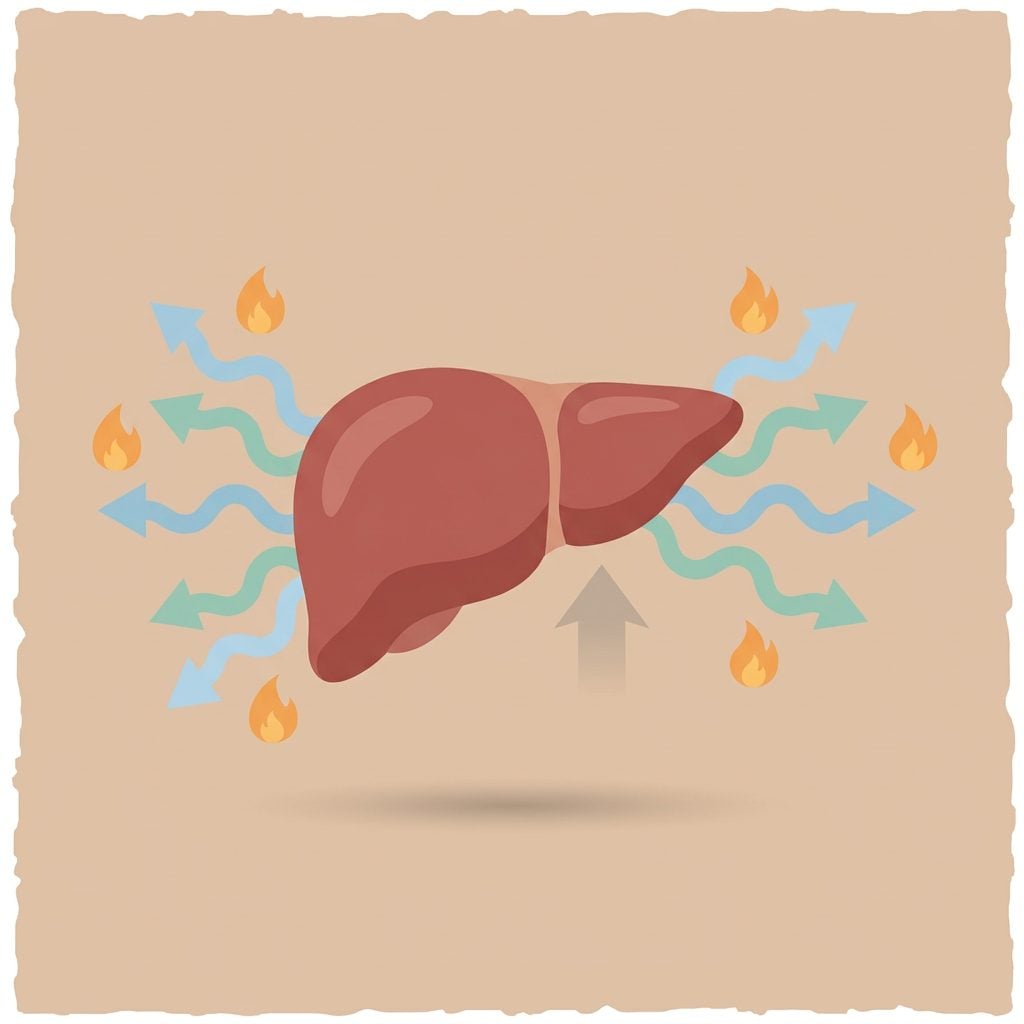
The mechanisms behind this increase are real. Ketone production itself carries a metabolic cost – the liver uses energy to convert fatty acids into ketones. Gluconeogenesis (making glucose from protein and other substrates) burns calories. And fat oxidation is slightly less efficient than glucose oxidation at the molecular level, which means your body spends marginally more energy processing the fuel it’s running on.
So: keto does appear to increase energy expenditure modestly. The honest range from the literature is somewhere between 50 and 150 kcal/day for the majority – not the 400-600 kcal/day that early insulin-carbohydrate model proponents predicted.
The Hall vs. Ludwig Debate: What It Actually Means for You
If you’ve spent any time reading about the science of keto and weight loss, you’ve probably seen two names come up repeatedly: Kevin Hall at the NIH and David Ludwig at Harvard. Their public disagreement about whether low-carb diets provide a real metabolic advantage has generated more than a few heated journal exchanges.
Hall’s position, based on his controlled feeding studies, is that under strictly isocaloric conditions (where both groups eat exactly the same number of calories) carbohydrate restriction does not produce substantially more fat loss than fat restriction. His 2015 study found that low-fat diets produced slightly more body fat loss (89 grams per day vs. 53 grams per day) in a short metabolic ward trial.Hall’s 2015 metabolic ward study compared 6 days of carbohydrate restriction versus fat restriction at matched calorie deficits. Fat restriction produced greater body fat loss during the observation window, though the authors noted mathematical modeling predicted the differences would narrow with longer adherence. His meta-analysis of controlled feeding studies concluded that “for all practical purposes, a calorie is a calorie” when comparing isocaloric diets varying only in carbohydrate-to-fat ratio.Per Hall’s meta-analysis of 32 controlled feeding studies (563 subjects), lower-fat diets produced 26 kcal/day greater energy expenditure and 16 g/day greater body fat loss compared to lower-carb diets under controlled conditions where all food was provided.
Ludwig’s response is essentially: metabolic ward studies run for days or weeks under artificial conditions where participants eat every calorie that’s handed to them don’t capture how these diets work in real life. His Framingham State Food Study (a randomized trial with 164 adults) found that participants maintaining weight loss on a low-carb diet burned approximately 209-278 kcal/day more than those on a high-carb diet.Ebbeling et al. published the Framingham State Food Study (BMJ, 2018) and found that a low-carbohydrate diet increased total energy expenditure by 209-278 kcal/day compared to a high-carbohydrate diet during weight loss maintenance, consistent with the carbohydrate-insulin model. Hall has published a reanalysis disputing the magnitude; the debate continues in peer review. He argued this supports the carbohydrate-insulin model: lower insulin levels allow the body to access and burn stored fat more effectively.
Both researchers are measuring real things. The disagreement is partly about which conditions better represent how people eat long-term. What’s not in dispute: the metabolic advantage of keto, to the extent it exists, is real but moderate – and appetite suppression from ketones probably matters as much as or more than any direct effect on calorie burning.
What I find more interesting than the debate itself: on keto, most people naturally eat less without feeling deprived. That appetite effect is a bigger lever than the 100-150 calorie metabolic difference either way.
Keto and Thyroid Function: The T3 Drop Explained
This is the part that makes a lot of people nervous – and understandably so. Blood tests during a ketogenic diet sometimes show lower T3 (triiodothyronine) levels, and T3 is the active thyroid hormone that regulates metabolic rate. Lower T3 sounds like a slower metabolism.
The picture is more nuanced than that.
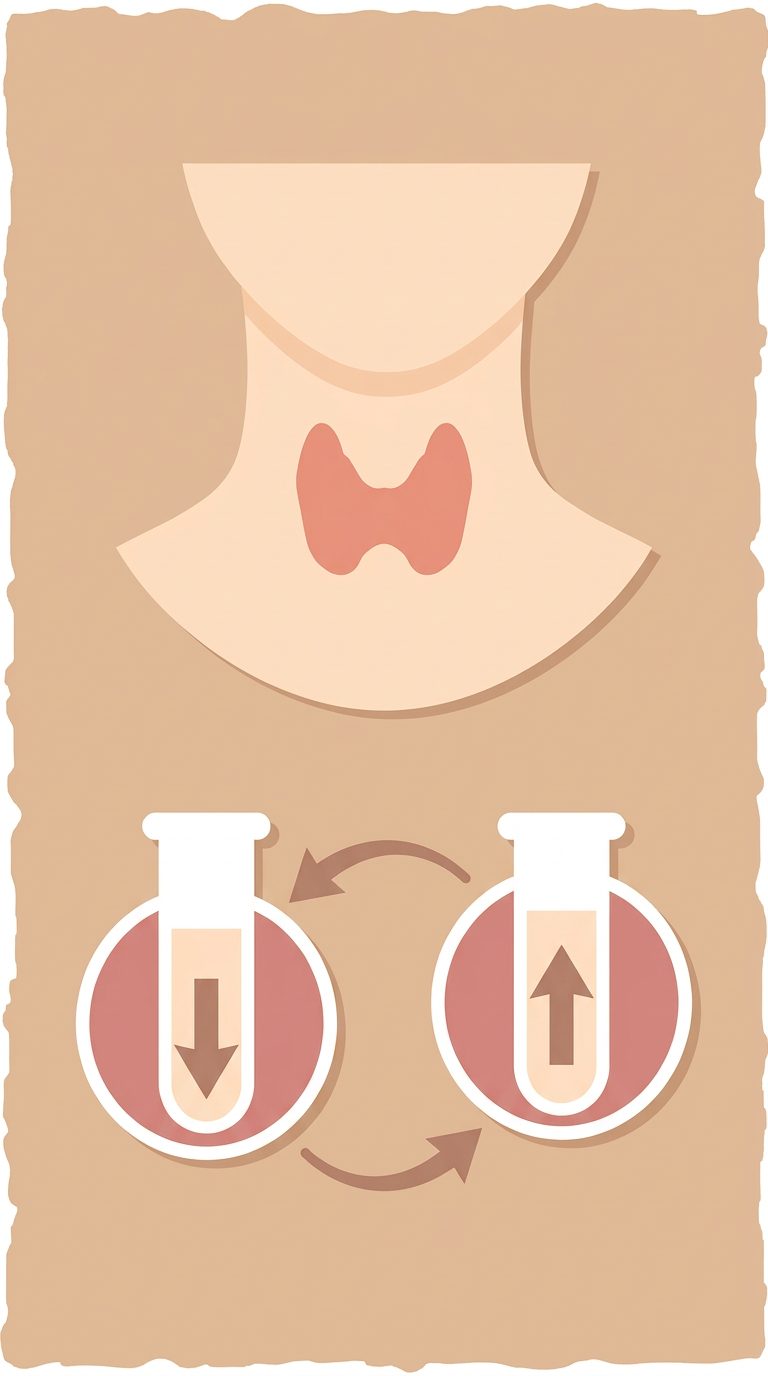
A 2022 randomized crossover trial studied 11 healthy adults on both a ketogenic diet and a high-carb diet for at least three weeks each. T3 levels dropped measurably on the ketogenic diet (falling to 4.1 pmol/L) while remaining stable on the high-carb diet. But T4 (thyroxine, the precursor hormone) increased on the ketogenic diet – and TSH (the pituitary signal that drives the whole system) didn’t change at all.Iacovides et al. conducted a 2022 randomized crossover trial and found that 3+ weeks of a ketogenic diet significantly lowered T3 (4.1 pmol/L, p<0.0001) and raised T4 compared to a high-carb diet. TSH showed no meaningful diet effect (p=0.27), suggesting the pituitary-thyroid axis was not disrupted. Authors concluded the changes “warrant further investigation.”
What this pattern suggests is a shift in how the body converts T4 to T3 – not a failure of the thyroid gland itself. One leading hypothesis is that when carbohydrate intake drops, the body converts less T4 to active T3 and more to reverse T3 (rT3), a biologically inactive form. This may be an adaptive response to reduced glucose availability – essentially the body downshifting certain metabolic processes while running more efficiently on fat.
Clinically, this T3 decrease in otherwise healthy people on keto has not been associated with symptoms of hypothyroidism – no cold intolerance, no fatigue beyond initial keto adaptation, no hair loss at rates higher than other calorie-deficit diets. The TSH remaining stable is the key marker: if the thyroid gland were truly underperforming, the pituitary would respond by elevating TSH to stimulate more production.
One separate concern applies to a very different population: studies in children with epilepsy on therapeutic ketogenic diets (much stricter, medically supervised) have documented clinical hypothyroidism requiring treatment in about 16-17% of cases.Examining thyroid function in 120 children on a ketogenic diet for epilepsy, researchers found that 20 patients (16.7%) developed hypothyroidism requiring L-thyroxine treatment, with the majority of cases occurring within the first 6 months. Key risk factors included high baseline TSH and female sex. This is a very different population on a much stricter protocol than a standard adult weight-loss ketogenic diet, and it shouldn’t be extrapolated to healthy adults without thyroid history.
If you have a pre-existing thyroid condition, tracking thyroid function before and a few months into a ketogenic diet is reasonable. For most healthy adults, the T3 shift is an adaptation worth knowing about – not a crisis. For the complete thyroid picture, see the article on keto and thyroid. If you have a pre-existing condition, talk to your doctor before making changes.
Adaptive Thermogenesis: The Real Metabolic Slowdown Risk
Adaptive thermogenesis is what most people are worried about when they talk about “slowing their metabolism.” It refers to the body’s tendency to reduce energy expenditure beyond what’s predicted by weight and body composition changes alone – a survival mechanism that kicks in during calorie restriction.
The concern is legitimate. Research consistently shows that prolonged calorie restriction causes metabolic adaptation: your body burns fewer calories than it should given your current weight, making continued weight loss harder and weight regain easier. This is not unique to keto – it happens on any weight-loss diet.
What keto may do differently is preserve lean body mass better than standard calorie-restricted low-fat diets. Since muscle tissue is metabolically active (it burns calories even at rest) preserving it during weight loss directly protects your resting metabolic rate. Studies on calorie-restricted ketogenic diets show that subjects can maintain lean mass while losing substantial fat.Researchers reviewing ketogenic diet body composition studies found that participants maintained fat-free mass and skeletal muscle during substantial fat loss, with resting metabolic rate preserved in a way that “sustained weight loss without the expected reduction in RMR.” The authors attributed this to lean mass protection, with subjects losing approximately 20 kg of fat but only 1 kg of muscle mass.
I’ve seen this play out in practice. When I’ve gone through periods of more aggressive calorie restriction alongside keto, keeping protein high (around 0.7-0.8 grams per pound of lean body mass) made a noticeable difference in how I felt and how my strength held up. The failure I made early on was under-eating protein and relying on fat to fill calories. I dropped weight faster initially, but I also lost more muscle than I needed to, which made the second phase harder.
The takeaway: keto doesn’t eliminate adaptive thermogenesis, but the combination of higher protein intake and fat adaptation may blunt it compared to a standard reduced-calorie diet.
Fat Oxidation on Keto: What Actually Changes

One of the most consistent and measurable effects of a ketogenic diet is the shift in substrate utilization – your body becomes dramatically better at burning fat for fuel. Researchers measure this through respiratory quotient (RQ): the ratio of carbon dioxide produced to oxygen consumed. A pure fat-burning state has an RQ around 0.7; pure glucose burning lands near 1.0.
Hall’s 2016 metabolic ward study found that switching to a ketogenic diet dropped the respiratory quotient by 0.111 on average – a large shift that confirmed the body was relying primarily on fat as fuel.In Hall’s 2016 metabolic ward study, switching from a high-carbohydrate diet to an isocaloric ketogenic diet caused a mean decrease in respiratory quotient of -0.111 (±0.003, p<0.0001), alongside marked increases in plasma ketones and free fatty acids, confirming the shift to fat as the primary metabolic fuel.
Ketones themselves are an energy-dense fuel. Beta-hydroxybutyrate yields approximately 10,500 grams of ATP per 100 grams – slightly more efficient than glucose at around 8,700 grams of ATP per 100 grams.Per the StatPearls clinical reference on ketogenic diets, ketone bodies yield more ATP per gram than glucose: approximately 9,400 g ATP per 100 g acetoacetate and 10,500 g ATP per 100 g beta-hydroxybutyrate, versus 8,700 g ATP per 100 g glucose. This fuel efficiency advantage is real, though it doesn’t translate directly to “burning more calories” – it means your body gets more work done per unit of substrate.
The fat oxidation adaptation also takes time. Most researchers put full fat adaptation at three to four weeks minimum, and some evidence suggests it may take longer for exercise performance to fully adapt. Running on a ketogenic diet while your body is still calibrating its fat-burning machinery – usually the first two weeks – can feel terrible. After adaptation, many people find their energy levels stabilize in a way they didn’t expect. This connects to the broader concept of metabolic flexibility – your body’s ability to switch between fat and glucose as fuel sources.
Protein, Muscle Mass, and Your Metabolic Rate
Muscle tissue is the primary driver of your resting metabolic rate. More lean mass means a higher BMR. This is why the composition of weight loss – fat vs. muscle – matters as much as the total amount lost.
Protein plays two roles here. First, dietary protein has the highest thermic effect of any macronutrient: digesting and processing protein burns about 20-30% of its calorie content, compared to about 5-10% for carbohydrates and 0-3% for fat. On keto, where carbohydrates are eliminated and fat is the primary fuel source, keeping protein high maintains that thermic advantage.Moon and Koh’s 2020 review on high-protein diet mechanisms confirmed that high-protein diets reduce fat mass while preserving fat-free mass, with the primary mechanism being increased diet-induced thermogenesis and maintenance of resting energy expenditure through lean mass preservation.
Second, protein is the building material for muscle. Without sufficient protein during weight loss, even a well-designed ketogenic diet will eat into lean mass – and every pound of muscle lost takes your metabolic rate down with it.

How much protein do you need? The range that consistently appears in the research for lean mass preservation during weight loss is about 1.2-1.6 grams per kilogram of body weight, or about 0.7-0.8 grams per pound of lean body mass. On keto, I’d lean toward the higher end of that range. Some people worry that eating too much protein will “kick them out of ketosis” via gluconeogenesis – this concern is largely overstated. Gluconeogenesis is primarily demand-driven, not supply-driven. Your body converts what it needs, not everything available.
If you’re tracking on keto, the keto macro calculator sets protein at a level that supports lean mass based on your actual body weight and activity level. It’s worth running those numbers rather than guessing – most people end up under-eating protein on keto, not over-eating it.
Practical Ways to Protect Your Metabolic Rate on Keto
Understanding the mechanisms is useful. What you can do with that information is more useful. After running through this with hundreds of people and years of doing this myself, a few habits come up again and again.
Hit your protein targets consistently. This is the single most important habit for preserving metabolic rate during weight loss. Aim for 0.7-0.8 grams of protein per pound of lean body mass daily. If you’re not sure where to start, the keto calculator does this math for you based on your stats and goals.
Keep carbs at 20-30g net per day. The metabolic benefits of keto – fat oxidation, ketone production, appetite suppression – depend on staying in ketosis. Drifting up to 50-60g slows or stops these effects.
Don’t drop calories too aggressively. Severe calorie restriction triggers stronger adaptive thermogenesis. A deficit of 300-500 calories per day is enough to produce steady fat loss without slamming your metabolism into conservation mode. Faster isn’t always better.
Include resistance training. Strength training signals the body to hold onto muscle during calorie restriction – even when fat is abundant. You don’t need to lift heavy every day. Two to three sessions per week of compound movements is enough to make a concrete difference in lean mass retention.
Don’t stay in an aggressive deficit indefinitely. Diet breaks – periods of eating at maintenance for one to two weeks – can help reset leptin and thyroid hormones that drift down during prolonged restriction. This isn’t an excuse to go off-plan; it’s a strategic tool for long-term success.
Track body composition, not just weight. The scale doesn’t distinguish between fat loss and muscle loss. If you’re losing weight but your strength is declining noticeably, that’s a signal to increase protein or add resistance training – not to cut calories further.
Sleep and recovery matter more than you might think. Sleep deprivation reliably reduces the proportion of weight lost as fat (and increases the proportion lost as muscle) during calorie restriction. Poor sleep also raises cortisol, which promotes muscle breakdown. Getting consistent, quality sleep is a metabolic intervention – not a soft recommendation.
A Note on Individual Variation
Everything above describes population-level averages. Individual responses to a ketogenic diet vary substantially based on starting metabolic health, thyroid status, activity level, sleep quality, and frankly genetics.
Some people see dramatic metabolic improvements on keto – better energy, easier weight loss, improved body composition. Others find it harder and see smaller effects. Neither outcome means the diet is broken for that person; it means the implementation needs adjusting.
If you’ve been on keto for more than a month and you’re not losing weight despite being in what should be a calorie deficit, the most common culprits are: underestimating calorie intake (portions and fat add up quickly), insufficient protein (leading to muscle loss that blunts your BMR), and insufficient sleep or high chronic stress (both of which impair fat oxidation and increase cortisol).
The complete keto diet guide covers the foundational setup in detail. For practical ways to speed up ketosis, see the step-by-step guide. If you’re troubleshooting a stall, it’s worth reading through that alongside checking your protein and sleep habits before making bigger changes.
Key Takeaways
- Keto does modestly increase total energy expenditure – about 50-150 kcal/day in most well-designed studies – but not the 400-600 kcal/day that early proponents claimed.
- T3 decreases on keto while T4 increases and TSH stays stable, suggesting an adaptation in thyroid hormone conversion rather than thyroid dysfunction. Healthy adults rarely show clinical symptoms.
- The Hall vs. Ludwig debate comes down to study conditions: controlled feeding studies show minimal metabolic advantage; longer free-living trials suggest a more real effect, primarily via appetite suppression.
- Adaptive thermogenesis (metabolic slowdown) happens on any calorie-restricted diet, but keto’s lean mass preservation may blunt this effect compared to standard low-fat calorie restriction.
- Protein intake and resistance training are the two most important tools for protecting metabolic rate during keto weight loss – aim for 0.7-0.8 grams of protein per pound of lean body mass.
Frequently Asked Questions
Does keto speed up your metabolism?
The evidence points to a modest increase in total energy expenditure on keto – about 50-150 kcal/day in most well-controlled studies. That’s real but not dramatic. The bigger metabolic effect may be appetite suppression from ketones, which leads many people to naturally eat less without deliberate restriction. For a full breakdown of the ketogenic diet and how it works metabolically, the keto guide covers the mechanisms in detail.
Will keto slow down my metabolism long-term?
Not inherently – but any calorie-restricted diet triggers some degree of adaptive thermogenesis (metabolic slowdown). What keto may do differently is better preserve lean muscle mass during weight loss, since higher protein intake and the muscle-sparing effect of ketones help protect metabolically active tissue. Muscle is the primary driver of resting metabolic rate, so protecting it matters. Resistance training and adequate protein (0.7-0.8 g per pound of lean body mass) are the two most reliable ways to prevent metabolic slowdown on any diet. You can calculate your exact protein needs using the keto macro calculator.
Does keto lower T3 and affect thyroid function?
Research does show that T3 (the active thyroid hormone) tends to decrease on a ketogenic diet, while T4 increases and TSH remains stable. The stable TSH is the key detail: if the thyroid gland itself were failing, TSH would rise to compensate. The T3 drop appears to reflect a shift in T4-to-T3 conversion rather than thyroid malfunction. In healthy adults, this hasn’t been linked to clinical hypothyroidism symptoms. If you have a pre-existing thyroid condition, tracking thyroid panels before and after starting keto is worth discussing with your doctor. Learn more about keto diet information and health considerations.
How much protein should I eat on keto to protect muscle mass?
The range that consistently appears in the research for lean mass preservation during weight loss is 0.7-0.8 grams of protein per pound of lean body mass daily. On keto specifically, I’d lean toward the higher end of that range. The concern that high protein intake “kicks you out of ketosis” is largely overstated – gluconeogenesis is demand-driven, not supply-driven. The keto calculator sets your protein target based on your specific stats, which is a better starting point than generic recommendations.
What is the metabolic advantage of keto compared to a regular diet?
The main metabolic advantages of keto are: a modest increase in total energy expenditure (about 50-150 kcal/day), a real shift toward fat oxidation (your body becomes much better at burning stored fat), a higher thermic effect from higher protein intake, and reduced appetite from ketone production. The carbohydrate-insulin model – which predicted a 400-600 kcal/day metabolic advantage – appears to overestimate the effect in controlled settings. The real-world advantage is real but more modest. For a complete guide to how keto works, including the metabolic shift into ketosis, see the full keto guide.
Does the thermic effect of food change on keto?
Yes – and it matters more than most people realize. Protein has the highest thermic effect of any macronutrient at about 20-30% of its calories, while fat has the lowest at about 0-3%. Standard high-carb diets mix moderate thermic-effect carbs with lower-TEF fat. Keto shifts the composition toward high-protein and high-fat, which means your diet’s thermic effect depends heavily on how much protein you’re eating. Keeping protein high on keto (as you should for muscle preservation anyway) maintains the thermic advantage that would otherwise drop with a purely high-fat, lower-protein approach. Find high-protein keto meal ideas in our keto dinner recipes.
The information in this article is not medical advice and is not a substitute for professional medical guidance. Always consult your doctor before making notable dietary changes, especially if you have a pre-existing health condition or take medication.
Sources
- Energy expenditure and body composition changes after an isocaloric ketogenic diet in overweight and obese men
- Calorie for Calorie, Dietary Fat Restriction Results in More Body Fat Loss than Carbohydrate Restriction in People with Obesity
- Meta-analysis of controlled feeding studies on macronutrient composition and energy expenditure
- Could the ketogenic diet induce a shift in thyroid function and support a metabolic advantage in healthy participants? A pilot randomized-controlled crossover trial
- Changes of thyroid hormonal status in patients receiving ketogenic diet due to intractable epilepsy
- StatPearls: Ketogenic Diet
- Metabolic advantage of ketogenic diet – review of energy expenditure and body composition studies
- Clinical Evidence and Mechanisms of High-Protein Diet-Induced Weight Loss
- Effects of a low carbohydrate diet on energy expenditure during weight loss maintenance: randomized trial (Framingham State Food Study) – BMJ 2018