


If you’ve looked into low-carb eating at all, you’ve probably run into the same split: half the internet says it’ll transform your health, the other half says you’re risking heart disease and kidney failure. It’s confusing, and neither extreme is particularly helpful.
I’ve been eating low-carb for well over a decade now, and in that time I’ve watched the research evolve from a handful of short-term trials to large-scale meta-analyses and multi-decade population studies. The picture that’s emerged is a lot more nuanced – and a lot more reassuring – than either side of the debate usually admits.
This article breaks down what the current evidence actually says about the health effects of low-carb eating. We’ll cover the long-term safety data, heart health, kidney function, bone density, nutrient gaps, and the specific situations where extra caution makes sense. No hype, no fear-mongering – just the research.
Jump to a section:
- Is Low Carb Safe Long-Term?
- What the Long-Term Studies Actually Show
- Heart Health: The Cholesterol Question
- Kidney Function: Does Low Carb Harm Your Kidneys?
- Bone Density and Calcium
- Nutrient Gaps and How to Fill Them
- What About Your Gut?
- Who Should Be Cautious
Is Low Carb Safe Long-Term?

Let’s start with the question most people are really asking: can you eat this way for years without it catching up to you?
The short answer is yes, for most healthy adults. And this isn’t just my opinion after years of living it – the clinical evidence has gotten pretty strong.
A 2024 expert consensus statement published in Frontiers in Nutrition, signed by nutrition researchers and clinicians including Jeff Volek and colleagues, formally defined low-carb as 50-129g of carbs per day and concluded there’s “a substantial body of clinical evidence supporting the beneficial effects of lower-carbohydrate dietary patterns on multiple established risk factors.”Volek et al. (2024) in Frontiers in Nutrition published an expert consensus statement defining low-carbohydrate diets as 50-129g/day and concluding that substantial clinical evidence supports their beneficial effects on risk factors for insulin resistance and cardiovascular disease. They went further, recommending that lower-carb diets be included in the Dietary Guidelines for Americans.
A 2025 review in Nutrients by 23 researchers addressed the most common safety concerns head-on. Their conclusion: low-carb diets can meet all essential nutrient needs, don’t harm kidney function in people without pre-existing kidney disease, and the National Academies of Sciences has stated that the essential dietary carbohydrate requirement is technically zero.Teicholz et al. (2025) in Nutrients reviewed evidence across 23 co-authors showing low-carb diets meet all essential nutrient needs, can be safely prescribed in CKD stage 2-3, and that a 1-year ketogenic diet trial improved 17 of 20 cardiovascular risk factors. That doesn’t mean zero carbs is the ideal target for everyone, but it does mean the body doesn’t need carbohydrates in the way many people assume.
For context, the average American eats 225-325g of carbs per day. Going under 130g puts you in “low-carb” territory. Under 50g gets you into keto range, which is where I personally sit – around 20-30g of net carbs per day. Both levels have solid safety data behind them at this point. The how many carbs per day guide breaks down which range makes sense based on your specific goals.
What the Long-Term Studies Actually Show
The biggest headline-grabber in the “low-carb is dangerous” camp was a 2018 study published in The Lancet Public Health. Seidelmann and colleagues analyzed data from the ARIC cohort and found a U-shaped relationship between carbohydrate intake and mortality, with the lowest risk at 50-55% of calories from carbs.Seidelmann et al. (2018) in The Lancet Public Health analyzed 15,428 ARIC cohort participants and found a U-shaped association between carbohydrate intake and mortality. Both low (<40%) and high (>70%) carbohydrate intake were associated with increased mortality, but animal-derived fat/protein replacements drove the risk, while plant-based replacements decreased it.
This study made massive waves in the media, but it has several problems that don’t usually make it into the headlines:
The “low-carb” group wasn’t really low-carb. The lowest carbohydrate group in the ARIC study averaged 37% of calories from carbs. That’s not low-carb by any clinical definition – it’s just less carbs than average. Compare that to a ketogenic diet at 5-10% of calories or even a moderate low-carb approach at under 26%.
The dietary data was thin. Participants filled out food frequency questionnaires just twice, six years apart, and those responses were projected forward over 25 years of follow-up. People’s eating habits change substantially over a quarter century.
The association was weak. The hazard ratio for the lowest carb group was 1.2 – barely above the no-effect line of 1.0. In epidemiology, associations this weak are generally considered unreliable, especially in observational studies with significant measurement limitations.Astrup & Hjorth (2022) in The Lancet Public Health re-evaluated the Seidelmann findings, noting that the ARIC study was not designed to test low-carbohydrate diets, used food frequency questionnaires with known high error rates, and that the hazard ratio of 1.2 for the lowest carb quintile is very close to 50:50 odds.
Plant vs. animal sources mattered more than carb level. When the researchers looked at what replaced carbs, mortality increased when the swap was animal-derived fat and protein but decreased when the substitution was plant-based. This suggests food quality matters far more than carb quantity – something the good carbs vs bad carbs guide explores in detail.
More recent data paints a different picture. A 2024 analysis of 20 years of NHANES data (35,888 participants) found that carbohydrate-restricted diets below 45% of energy were not associated with increased risk of mortality from any cause, cardiovascular disease, or cardiometabolic disease.Angelotti et al. (2024) in Frontiers in Nutrition analyzed 35,888 NHANES participants (1999-2018) and found that restricted carbohydrate diets below 45% energy were not associated with risk of all-cause, CVD, or cardiometabolic mortality. The study stratified by fat type (SFA, MUFA, PUFA) to explore fat quality effects.
And a 2024 analysis published in Scientific Reports examined 43,776 NHANES participants and found that a higher dietary ketogenic ratio was actually associated with a 24% reduction in all-cause mortality (HR 0.76), with no increase in cardiovascular mortality.Jafari et al. (2024) in Scientific Reports analyzed 43,776 NHANES adults (2001-2018) and found a significant inverse association between dietary ketogenic ratio and all-cause mortality (HR = 0.76, 95% CI 0.63-0.9, p = 0.003) after a median 9.1 years of follow-up. No significant association was found with CVD mortality (HR = 1.13, p = 0.504).
The bottom line: when you look at actual low-carb eating patterns (not the barely-below-average intake in the Lancet study) and use more rigorous dietary assessment, the mortality concern doesn’t hold up.
Heart Health: The Cholesterol Question
Heart health is where low-carb diets get the most scrutiny, and it’s worth spending some time here because the answer isn’t a simple yes or no.
First, what consistently improves: triglycerides drop and HDL rises. A meta-analysis of 12 randomized controlled trials found that low-carb diets reduced triglycerides by 0.15 mmol/L, increased HDL by 0.1 mmol/L, and lowered blood pressure by about 1.4/1.7 mmHg.Dong et al. (2020) in PLOS ONE analyzed 12 RCTs (1,640 participants) and found low-carb diets reduced triglycerides by -0.15 mmol/L, increased HDL by +0.1 mmol/L, and decreased blood pressure by -1.41/-1.71 mmHg (systolic/diastolic). High triglycerides are one of the strongest predictors of heart disease risk, and they’re largely driven by carbohydrate intake – especially refined carbs and sugar. So this improvement makes biological sense.

Now, the LDL question. This is where it gets more individualized. A 2024 meta-analysis of 41 trials published in The American Journal of Clinical Nutrition broke down LDL changes by starting body weight:Soto-Mota et al. (2024) in The American Journal of Clinical Nutrition meta-analyzed 41 trials (1,379 participants) and found LDL response strongly depended on baseline BMI: +41 mg/dL in BMI <25, no change in BMI 25-35, -7 mg/dL in BMI ≥35. Meta-regression showed BMI had a strong inverse association with LDL change (β = -2.5 mg/dL per BMI unit).
| Starting BMI | LDL Cholesterol Change | Context |
|---|---|---|
| Under 25 (normal weight) | +41 mg/dL increase | Most pronounced in lean individuals |
| 25-35 (overweight) | No significant change | LDL stays roughly the same |
| 35+ (obese) | -7 mg/dL decrease | LDL actually improves |
Since most people who try low-carb are doing so for weight management and start with a BMI above 25, the LDL increase isn’t typically a concern for the majority of people eating this way. If you’re already lean and go low-carb, it’s worth tracking your lipid panel and discussing it with your doctor.
There’s also a particle size consideration. A systematic review and meta-analysis found that carb-restricted diets shift LDL particles from the small, dense type (associated with higher heart risk) to larger, more buoyant particles (associated with lower risk), while also reducing overall LDL particle number.Kirkpatrick et al. (2022) in The American Journal of Clinical Nutrition conducted a systematic review and meta-analysis finding that carbohydrate-restricted diets increased LDL peak particle size and reduced LDL particle number, indicating a shift from small dense to larger LDL subclasses. This doesn’t mean you should ignore a big LDL jump, but it adds important context to what that number actually represents.
One more factor worth noting: the source of fat matters. Research consistently shows that replacing carbs with plant-based fats and proteins produces better cardiovascular outcomes than replacing them with animal-derived sources. Building your low-carb diet around olive oil, avocado, nuts, and fatty fish alongside vegetables is going to look different on a lipid panel than building it around butter and processed meat.
Kidney Function: Does Low Carb Harm Your Kidneys?

This is one of the most persistent myths, and the clinical evidence is reassuringly clear: low-carb diets don’t harm healthy kidneys.
The concern originally came from the assumption that higher protein intake (which often accompanies lower carb intake) would stress the kidneys. But a meta-analysis of over 1,000 individuals from nine randomized controlled trials found no connection between dietary carbohydrate content and changes in serum creatinine or estimated glomerular filtration rate (eGFR) – the standard measures of kidney function.Oyabu et al. (2016) in British Journal of Nutrition meta-analyzed 9 RCTs involving over 1,000 individuals and found no adverse effect of low-carbohydrate diets on renal function. The low-carb group actually showed a greater increase in eGFR than the control group among overweight and obese individuals without CKD. In fact, the low-carb group actually showed a slightly greater improvement in eGFR compared to the control group.
What about people who already have kidney problems? A randomized controlled trial in patients with diabetic kidney disease found that a very low-carb diet was safe and didn’t worsen renal outcomes, while producing significant improvements in blood sugar control, weight, and inflammation markers (IL-6).Hussain et al. (2021) in PLOS ONE conducted an RCT in patients with diabetic kidney disease and found that a very low-carb diet was safe, with no adverse effects on renal outcomes, while producing significant improvements in glycemic control, anthropometric measurements, and IL-6 levels.
The Teicholz 2025 review also addressed this directly, noting that low-carb diets can be safely prescribed in patients with stage 2-3 chronic kidney disease. The important caveat: if you have advanced kidney disease (stage 4-5 CKD), dietary protein needs to be carefully managed and any changes should involve your nephrologist.
For everyone else, the kidney concern is essentially debunked. If your kidneys are healthy, eating low-carb isn’t going to change that.
Bone Density and Calcium
Another concern you’ll hear is that low-carb or ketogenic diets weaken your bones. The theory is that higher protein intake creates an acidic environment that leaches calcium from bones, and that cutting out fortified grains reduces calcium intake.
The clinical data doesn’t support this. A systematic review of seven trials examining ketogenic diets and bone health found no significant changes in bone mineral density (BMD) after following a ketogenic diet.Merlotti et al. (2023) in Frontiers in Endocrinology systematically reviewed 7 trials and found no significant changes in bone mineral density or bone mineral content after ketogenic diet interventions. All seven studies showed significant BMI reduction with no corresponding BMD loss. All seven studies showed significant weight loss (reduced BMI), but that weight loss didn’t come at the cost of bone density. Bone resorption and formation markers also remained stable.
A larger 2025 systematic review and meta-analysis that looked across multiple dietary patterns – including low-carb and ketogenic diets – found “no consistent, clinically important effect of dietary patterns on BMD at the femoral neck, lumbar spine, total hip, or whole body.”Mohammadifard et al. (2025) in Nutrients conducted a systematic review and meta-analysis of 30 studies examining dietary patterns and skeletal health. Pooled estimates showed no consistent, clinically important effect on BMD across femoral neck, lumbar spine, total hip, or whole body when all diets were combined. Vitamin D and calcium status were also minimally affected.
One exception worth noting: a small study in elite race-walkers found that 3.5 weeks of ketogenic eating increased bone resorption markers and decreased bone formation markers during intense exercise. But this was a short-term study in extremely active athletes doing heavy training – not representative of how most people eat low-carb in everyday life.
The practical takeaway: if you’re eating a well-formulated low-carb diet that includes dairy, leafy greens, sardines, or other calcium-rich foods, your bones should be fine. Calcium supplementation is reasonable if your diet is light on these sources.
Nutrient Gaps and How to Fill Them
This is the area where the “it depends” answer matters most. A low-carb diet can be nutritionally complete, or it can leave gaps – and the difference comes down to what you’re actually eating.
A 2023 cross-sectional study compared nutrient intake of low-carb dieters against the 2020-2025 Dietary Guidelines for Americans and found shortfalls in fiber, folate, vitamin E, calcium, and potassium.Crosby et al. (2023) in Frontiers in Nutrition found that low-carbohydrate dieters can fall short on fiber, folate, vitamin E, calcium, and potassium compared to USDA guidelines, emphasizing the importance of food quality over simple carb restriction. A separate systematic review found decreases of 10-70% from baseline in thiamine, folate, magnesium, calcium, iron, and iodine with any form of carbohydrate restriction.Churuangsuk et al. (2019) in Obesity Reviews systematically reviewed micronutrient impacts of carbohydrate-restricted diets and found significant decreases (-10% to -70% from baseline) in thiamine, folate, magnesium, calcium, iron, and iodine across various types of carb-restricted diets.
But here’s the counterpoint: a 2024 nutrient analysis showed that carefully planned low-carb meal plans at 20g, 40g, and 100g of net carbs all safely exceeded recommended intakes for vitamins A, C, D, E, K, thiamin, riboflavin, niacin, folate, B6, and B12.Norwitz et al. (2024) in Frontiers in Nutrition analyzed three low-carbohydrate diets at 20g, 40g, and 100g net carbs and found all three safely exceeded nutrient needs for vitamins A, C, D, E, K, thiamin, riboflavin, niacin, folate, and vitamins B6 and B12 for men and women aged 31-70. The difference between deficiency and adequacy wasn’t the carb level – it was the food quality.
Here’s what to prioritize if you’re eating low-carb:
Fiber: This is the most common gap. Load up on non-starchy vegetables (broccoli, cauliflower, spinach, kale), avocado, chia seeds, flaxseed, and nuts. Even at keto levels of 20-30g net carbs, you can absolutely get 25-30g of fiber on a low-carb diet if you’re intentional about it.
Folate: Leafy greens (spinach, romaine, asparagus), liver, and eggs are excellent low-carb sources. If you’re eating plenty of greens, you’re likely covered.
Magnesium and potassium: Avocado, nuts, dark chocolate (85%+), spinach, and salmon. These are also the electrolytes that matter most during the transition to low-carb eating.
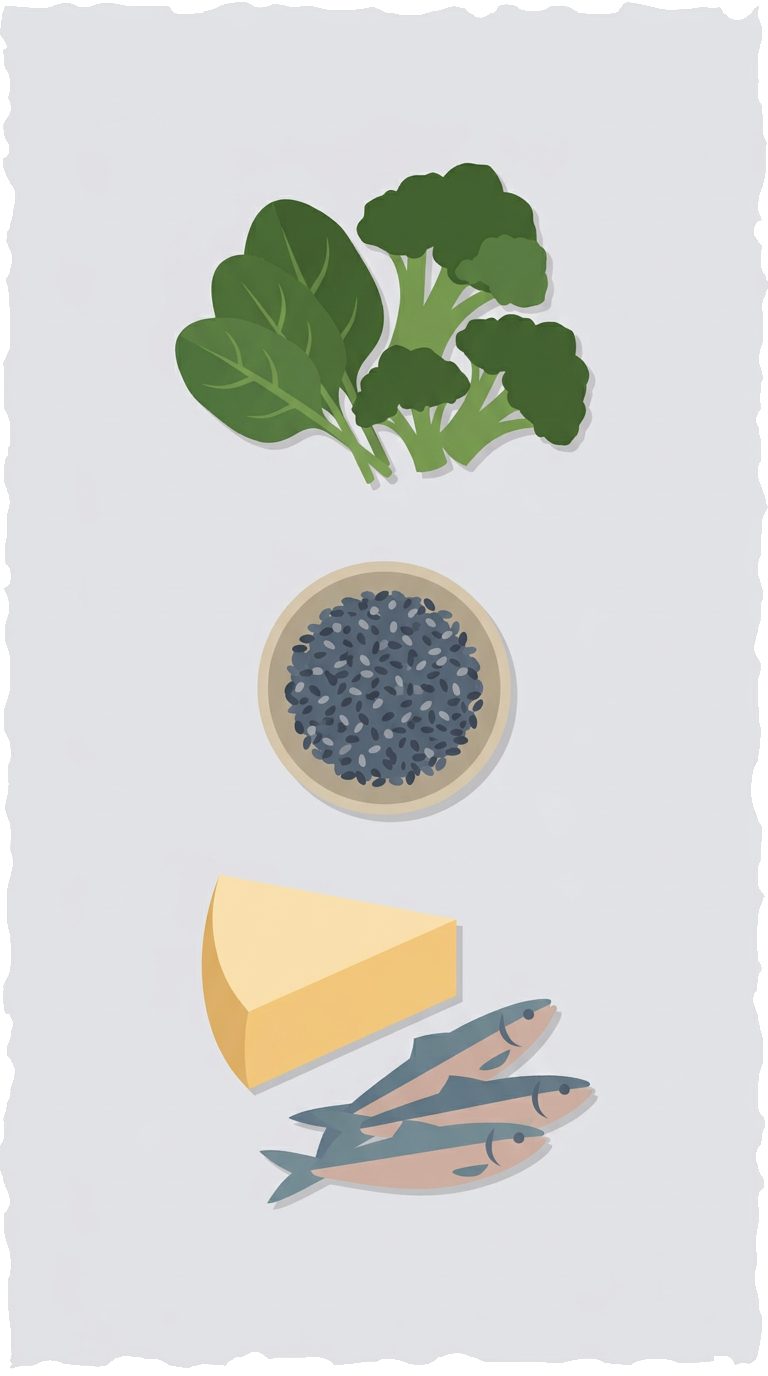
Calcium: Cheese, Greek yogurt (full-fat), sardines with bones, broccoli, and almonds. If you’re dairy-free, a supplement may be worth considering.
Iodine: Seaweed, fish, shellfish, and iodized salt. This one’s easy to miss if you’ve switched to sea salt or Himalayan salt, which typically contain less iodine.
What About Your Gut?
The gut microbiome is a newer area of research, and the data here is more mixed than the kidney or bone studies.
A systematic review published in Nutrition Research Reviews found that low-carb diets (under 30% of calories from carbs) tend to decrease levels of several beneficial bacteria, including Bifidobacterium, and reduce short-chain fatty acid (SCFA) levels in stool.Harris et al. (2024) in Nutrition Research Reviews systematically reviewed the impact of carbohydrate restriction on the gut microbiome and found that low-carbohydrate diets (<30% energy) tended to decrease Bifidobacterium abundance and reduce short-chain fatty acid (SCFA) levels in feces. SCFAs are produced when gut bacteria ferment fiber, and they play roles in gut barrier function, immune regulation, and inflammation.
The main driver of this shift appears to be reduced fiber intake rather than carb restriction per se. When people cut carbs, they often cut fiber-rich foods like whole grains, beans, and certain fruits. If fiber drops from 25-30g down to 10-15g per day – which happens frequently on poorly planned low-carb diets – the bacteria that feed on fiber decline.

But this isn’t an inevitable consequence of eating low-carb. It’s a consequence of eating low-carb without enough vegetables. Research on gut microbiota plasticity has shown that the microbiome responds to dietary changes and can recover when fiber intake increases. If you’re eating plenty of above-ground vegetables, fermented foods (sauerkraut, kimchi, full-fat yogurt), nuts, and seeds, you can maintain a healthier microbial profile than the studies focused on strict ketogenic diets might suggest.
The practical move: don’t treat low-carb as a pass to skip vegetables. Make non-starchy vegetables the foundation of your plate, and your gut bacteria will be fine.
Who Should Be Cautious
Low-carb eating is safe for most healthy adults, but there are specific situations where you need to involve your doctor:
Type 1 diabetes: Carb restriction can increase the risk of diabetic ketoacidosis (DKA), a dangerous condition distinct from the nutritional ketosis that happens on a keto diet. This requires careful medical supervision and medication adjustment.
Type 2 diabetes on insulin or sulfonylureas: Low-carb diets can lower blood sugar rapidly – sometimes within days. If your medication isn’t adjusted accordingly, you risk hypoglycemia. This is actually evidence of how effective the approach is, but it needs to be managed. Your doctor may need to reduce your medication dose before you start.
Advanced kidney disease (CKD stage 4-5): While low-carb is safe through stage 2-3, advanced kidney disease requires careful protein management. Work with your nephrologist.
Pregnancy and breastfeeding: There’s limited research on very low-carb diets during pregnancy. Most experts recommend moderate carb intake during this period. A moderate low-carb approach (100-130g/day) is generally considered safer than ketogenic levels.
History of eating disorders: Any restrictive dietary pattern can trigger disordered eating behaviors in susceptible individuals. If you have a history of anorexia, bulimia, or orthorexia, approach any dietary change with the support of a healthcare professional.
People on blood pressure medication: Low-carb diets can lower blood pressure, which means your current medication dose might become too strong. Monitor your blood pressure and work with your doctor on any adjustments.
For everyone else – which is the vast majority of adults – the evidence consistently shows that low-carb eating is safe, effective, and well-supported by clinical research. The key is choosing quality foods, getting enough vegetables and fiber, and tracking your health markers periodically to make sure everything’s moving in the right direction.
Key Takeaways
- Low-carb diets are safe long-term for most healthy adults, supported by a 2024 expert consensus and a 2025 multi-author review in Nutrients.
- The widely cited 2018 Lancet mortality study has serious limitations: the “low-carb” group averaged 37% carbs (not truly low-carb), used only two dietary assessments over 25 years, and showed a weak hazard ratio of just 1.2.
- More recent NHANES analyses (35,888+ participants, 20 years of data) found no mortality increase with carb-restricted diets below 45% of energy, and a separate analysis found a 24% reduction in all-cause mortality with higher ketogenic ratios.
- Triglycerides consistently drop and HDL consistently rises on low-carb diets. LDL may increase in lean individuals but typically stays flat or decreases in overweight and obese adults.
- Kidney function is not harmed by low-carb eating in people without pre-existing kidney disease, according to a meta-analysis of 9 RCTs.
- Seven trials found no significant changes in bone mineral density on ketogenic diets, despite significant weight loss.
- Nutrient adequacy depends entirely on food quality – well-planned low-carb diets at 20g, 40g, and 100g net carbs all exceeded recommended vitamin intakes in a 2024 analysis.
- The gut microbiome can be affected by reduced fiber intake, but eating adequate vegetables, nuts, seeds, and fermented foods prevents this.
If you’re ready to try low-carb eating, our guide to starting a low-carb diet walks you through the basics. For a more structured approach, the beginner’s guide to keto covers the first steps, and the keto calculator helps you figure out your specific macros. And for a deeper look at what low-carb eating can do for you specifically, check out the full breakdown of low-carb benefits.
Frequently Asked Questions
Is low carb safe long-term?
Current evidence supports the long-term safety of low-carb diets for most healthy adults. A 2025 review in Nutrients by 23 researchers concluded that low-carb diets can meet all essential nutrient needs. A 2024 analysis of 20 years of NHANES data (35,888 adults) found that carbohydrate-restricted diets below 45% of energy were not associated with increased all-cause or cardiovascular mortality. The main long-term consideration is food quality – building your diet around vegetables, quality proteins, and healthy fats rather than relying on processed low-carb products.
Does low carb damage your kidneys?
No, not in people with healthy kidneys. A meta-analysis of over 1,000 individuals from nine randomized controlled trials found no decline in kidney function on low-carb diets. In fact, the low-carb group actually showed a greater increase in estimated glomerular filtration rate (eGFR) than the control group. A separate RCT in patients with diabetic kidney disease found that a very low-carb diet was safe and didn’t worsen renal outcomes. If you have existing kidney disease (stage 4-5 CKD), you should work with your doctor before making dietary changes.
Will a low-carb diet raise my cholesterol?
It depends on your starting weight. A 2024 meta-analysis of 41 trials found that LDL cholesterol increased by about 41 mg/dL in normal-weight individuals (BMI under 25) on low-carb diets, but didn’t change in overweight individuals (BMI 25-35) and actually decreased slightly in obese individuals (BMI 35+). Meanwhile, triglycerides consistently drop and HDL consistently rises across all weight categories. If you’re starting from a higher weight – which is most people trying low-carb – the overall lipid profile typically improves.
What nutrients might I miss on a low-carb diet?
The nutrients most commonly flagged in research are fiber, folate, potassium, magnesium, and vitamin E. However, a 2024 nutrient analysis showed that well-planned low-carb diets at 20g, 40g, and 100g of net carbs all exceeded recommended intakes for vitamins A, C, D, E, K, thiamin, riboflavin, niacin, folate, B6, and B12. The difference is food quality. A low-carb diet built around leafy greens, cruciferous vegetables, nuts, seeds, and quality proteins covers most nutritional bases. One that relies on bacon and cheese won’t.
Does the Lancet study prove low-carb diets shorten your life?
No. The widely cited 2018 Lancet study (Seidelmann et al.) has significant limitations. The lowest carb group averaged 37% of calories from carbs – far higher than what most people mean by low-carb (under 26%) or keto (under 10%). Dietary data came from just two food questionnaires taken six years apart, then projected over 25 years of follow-up. And the hazard ratio for the lowest carb group was only 1.2 – barely above the no-effect threshold. More recent analyses using 20 years of NHANES data found no mortality association with carb-restricted diets below 45% of energy.
The information in this article is not medical advice and is not a substitute for professional medical guidance. Always consult your doctor before making notable dietary changes, especially if you have a pre-existing health condition or take medication.
Sources
- Volek et al. (2024). Expert consensus on nutrition and lower-carbohydrate diets: An evidence- and equity-based approach to dietary guidance. Frontiers in Nutrition.
- Teicholz et al. (2025). Myths and facts regarding low-carbohydrate diets. Nutrients.
- Seidelmann et al. (2018). Dietary carbohydrate intake and mortality: a prospective cohort study and meta-analysis. The Lancet Public Health.
- Astrup & Hjorth (2022). Re-evaluating low-carbohydrate diets and mortality. The Lancet Public Health.
- Angelotti et al. (2024). Restricted carbohydrate diets below 45% energy are not associated with risk of mortality in the National Health and Nutrition Examination Survey, 1999-2018. Frontiers in Nutrition.
- Jafari et al. (2024). The ketogenic diet has the potential to decrease all-cause mortality without a concomitant increase in cardiovascular-related mortality. Scientific Reports.
- Dong et al. (2020). The effects of low-carbohydrate diets on cardiovascular risk factors: A meta-analysis. PLOS ONE.
- Soto-Mota et al. (2024). Increased low-density lipoprotein cholesterol on a low-carbohydrate diet in adults with normal but not high body weight: A meta-analysis. The American Journal of Clinical Nutrition.
- Kirkpatrick et al. (2022). Effect of carbohydrate-restricted dietary interventions on LDL particle size and number in adults: A systematic review and meta-analysis. The American Journal of Clinical Nutrition.
- Oyabu et al. (2016). Impact of low-carbohydrate diet on renal function: a meta-analysis of over 1000 individuals from nine randomised controlled trials. British Journal of Nutrition.
- Hussain et al. (2021). Safety and efficacy of very low carbohydrate diet in patients with diabetic kidney disease: A randomized controlled trial. PLOS ONE.
- Merlotti et al. (2023). Effects of the ketogenic diet on bone health: A systematic review. Frontiers in Endocrinology.
- Mohammadifard et al. (2025). Impact of dietary patterns on skeletal health: A systematic review and meta-analysis of bone mineral density, fracture, bone turnover markers, and nutritional status. Nutrients.
- Crosby et al. (2023). Nutrient intake in low-carbohydrate diets in comparison to the 2020-2025 Dietary Guidelines for Americans: A cross-sectional study. Frontiers in Nutrition.
- Churuangsuk et al. (2019). Impacts of carbohydrate-restricted diets on micronutrient intakes and status: A systematic review. Obesity Reviews.
- Norwitz et al. (2024). Nutrient analysis of three low-carbohydrate diets differing in carbohydrate content. Frontiers in Nutrition.
- Harris et al. (2024). Impact of dietary carbohydrate, fat or protein restriction on the human gut microbiome: A systematic review. Nutrition Research Reviews.